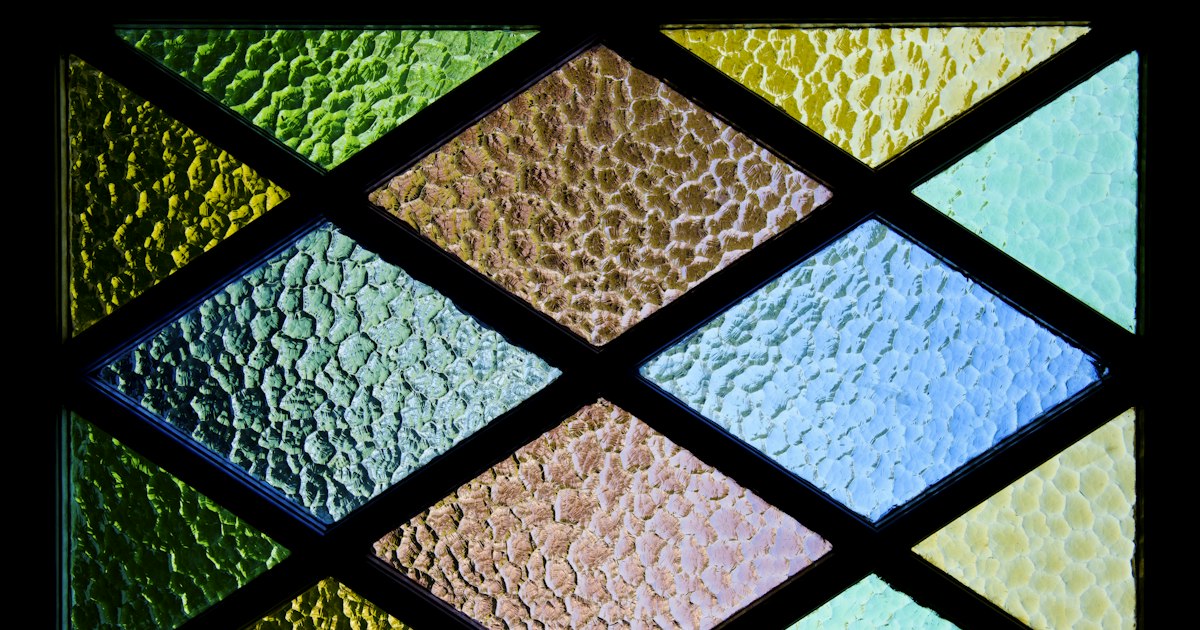
Photo by Tim Mossholder on Unsplash
If you associate Japanese cut glass with the clear, precise patterns of Tokyo’s Edo Kiriko, Satsuma Kiriko will surprise you. Made in Kagoshima at the southern tip of Kyushu, it’s thicker, bolder, and defined by a soft gradient of color that fades into clear glass as the cutter goes deeper — a technique that almost died out completely and was only revived in the 1980s. It’s one of the more distinctive souvenirs you can bring home from Japan, and also one of the easiest to buy wrong if you don’t know what you’re looking at. Here’s what it is, where to see it made, and how to shop for it without overpaying or ending up with a mass-produced imitation.
A Craft That Almost Disappeared
Satsuma Kiriko traces back to the 1840s–50s, when Shimazu Nariakira, the lord of the Satsuma domain, set up a glassworks as part of his broader push to industrialize the region at Shuseikan in the Iso district of Kagoshima city. Craftsmen there developed a style of cut glass using a thick layer of colored glass — most famously indigo blue and deep red — fused over a clear glass body. Rather than cutting all the way through to a crisp color line the way Edo Kiriko does, Satsuma artisans cut at an angle that leaves a soft, smoky gradation between the color and the clear glass underneath. That blurred edge, called “bokashi,” is the single clearest way to tell genuine Satsuma Kiriko from other cut glass at a glance.
Production collapsed after Satsuma’s defeat in the 1877 Satsuma Rebellion, and the technique was essentially lost for over a century. It wasn’t revived until 1985, when a local company reconstructed the process through research and trial and error. That history matters for buyers: because the craft only came back a few decades ago, there’s no flood of cheap antique supply, and every piece on sale today is, in effect, a modern reproduction of a short-lived 19th-century art form — which is part of why prices run high.
Where to See It Made and Buy It in Kagoshima
The best place to shop is also the best place to understand what you’re buying: the workshop and showroom near Sengan-en, the Shimazu family’s former garden villa in the Iso area of Kagoshima city, close to where the original glassworks stood. The attached shop sells direct-from-workshop pieces, and you can usually watch cutters at work through a viewing window. Entry to the shop itself is free; Sengan-en’s garden and the Shoko Shuseikan history museum next door charge separate admission, roughly ¥1,000–¥1,700 depending on the combination ticket, and are worth the extra hour if you want the historical context behind the glass.
If your schedule doesn’t stretch to Iso, there are smaller selections at Kagoshima-Chuo Station’s gift shop area and at Kagoshima Airport, though the range is narrower and skewed toward smaller, giftable pieces (sake cups, small plates) rather than the larger vases and bowls you’ll find at the workshop. Prices at the station and airport run slightly higher than at the source for comparable pieces, so if you have time, buy at Iso and treat the station/airport shops as a backup for last-day purchases.
Getting There and Timing Your Visit
Kagoshima-Chuo Station is the hub: it’s about 1 hour 20 minutes from Hakata (Fukuoka) on the Kyushu Shinkansen, or a short domestic flight into Kagoshima Airport with a bus transfer into the city. From Kagoshima-Chuo Station, Sengan-en and the glass workshop are about 25–30 minutes by local bus (the Kagoshima City View sightseeing bus covers this route) or a similar taxi ride.
Shopping for Satsuma Kiriko isn’t seasonal — the shop operates year-round — but pairing it with a Sengan-en visit is nicest in early-to-mid April for cherry blossoms or in November for autumn foliage, when the garden itself (with Sakurajima volcano as a backdrop) is at its best. Weekday mornings are quieter for watching the cutters work without a crowd at the viewing window. If you’re building a longer Kyushu itinerary, Kagoshima pairs well with a side trip to Amakusa in neighboring Kumamoto for dolphin-watching and a slower island pace.
What to Buy, and What It Actually Costs
Satsuma Kiriko is not a cheap souvenir, and that’s by design — each piece is cut and polished by hand, and the thick colored glass layer takes longer to work than thinner Edo-style glass. Rough price bands you’ll actually encounter:
- Budget (¥8,000–¥18,000): small sake cups, shot glasses, or a single rock glass. This is the realistic entry point for most visitors and the most common size sold at the station and airport.
- Mid-range (¥25,000–¥60,000): a paired set of glasses in a presentation box, a small bowl, or a single larger rock glass with a more elaborate cut pattern.
- Splurge (¥80,000–¥200,000+): vases, large bowls, and signature pieces with multi-color layering or especially intricate cutting, sold as display or gift pieces rather than everyday glassware.
Deep indigo blue and crimson red are the signature colors and generally the easiest to source across sizes; purple and green pieces exist but are less common and tend to cost a bit more simply because fewer are made. If budget is the priority, a single small cup in the ¥10,000 range still shows the bokashi gradient clearly and is a far more honest souvenir than a cheaper imitation at full size.
Mistakes to Avoid
- Confusing it with Edo Kiriko. Tokyo’s Edo Kiriko is cut with sharp, clean color lines and is generally less expensive. If a “Satsuma Kiriko” piece has crisp edges and no color gradation, it’s either mislabeled or a different style — ask directly before buying.
- Mistaking tiny air bubbles for defects. Hand-blown colored glass often contains very small bubbles in the body of the glass. This is normal and part of the handmade process, not a flaw — don’t talk yourself out of a good piece over it. Do check instead for rough, unpolished cut edges or chips at the rim, which are genuine quality issues.
- Buying the first thing you see at the airport. Selection is thinner and prices are a touch higher there. If you’re flying out of Kagoshima, it’s a fine backup, but the Iso workshop has the deepest range.
- Packing it loose in a suitcase. Ask the shop to box and wrap the piece — most will do this well — and carry fragile glass in your carry-on if the piece is valuable enough to matter. Checked-bag handling is rough on cut glass.
- Forgetting your duty-free limits. If you’re buying more than one piece, or combining Satsuma Kiriko with other Japanese purchases on the trip, check what you can actually bring home duty-free before you get to the airport.
If You Can’t Make It to Kagoshima
Satsuma Kiriko occasionally turns up in department store craft sections in Fukuoka, Osaka, and Tokyo, and secondhand or vintage pieces sometimes surface through resale channels — if you’re comfortable navigating a Japanese-only marketplace, Yahoo Auctions Japan is one way overseas buyers track these down after their trip. It’s a slower, less certain route than buying in Kagoshima, though, and you lose the ability to inspect the cutting and color quality in person before paying.
For shoppers who like regional Japanese craft hunting in general, Satsuma Kiriko pairs conceptually with other hands-on craft-town visits like Aizu-Wakamatsu’s lacquerware shopping in Fukushima — both are places where buying at the source, from the people who actually make the thing, gets you better quality and a better price than buying it secondhand in a souvenir shop elsewhere in Japan.