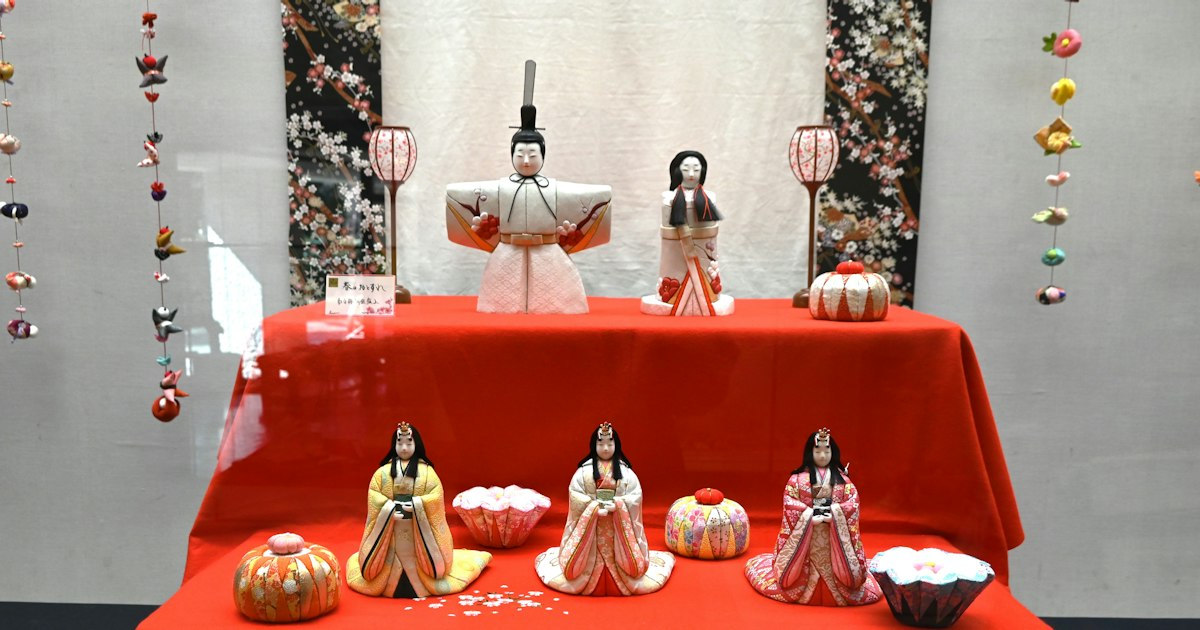
Every February, department stores, hotel lobbies, and private homes across Japan fill with tiered platforms of small ceremonial dolls dressed in Heian-period court robes. This is the lead-up to Hina Matsuri, the Doll Festival held on March 3rd, and if you’re traveling in Japan during late winter, it’s one of the most visually striking seasonal traditions you can stumble into — no ticket or reservation required, just the right timing and a few good locations.
What Hina Matsuri Actually Celebrates
Hina Matsuri (雛祭り), also called Girls’ Day or the Doll Festival, is a wish for the health, happiness, and good marriage prospects of young girls. Families with daughters display a set of hina ningyo (雛人形) — ornamental dolls representing the Emperor, Empress, court ladies, musicians, and ministers — arranged on a tiered stand covered in red cloth. A full display can have seven tiers and fifteen or more dolls, though most modern homes use a compact two- or three-doll set due to apartment space constraints.
The custom traces back to the Heian period (794–1185) and the practice of nagashi-bina, floating paper dolls down a river to carry away bad luck. Over centuries this merged with doll-display culture into the festival seen today. One point of etiquette worth knowing: tradition holds that dolls should be put away promptly after March 3rd, since leaving them out too long is said to delay a daughter’s marriage. It’s a superstition, but it’s taken seriously enough that you’ll notice displays disappear from shop windows almost overnight on March 4th.
When and Where to See Displays
The display season runs roughly from early February through March 3rd — some towns start as early as late January. The festival date itself, March 3rd, is not a national holiday, so stores stay open and daily life continues as normal; this makes it an easy add-on to a late-winter or early-spring itinerary rather than something you need to build a trip around.
- Department stores: Major stores like Takashimaya, Mitsukoshi, and Isetan set up elaborate hina displays in their entrance halls and home goods floors throughout February, free to view during normal store hours (typically 10:00–20:00).
- Katsuura Hina Matsuri (Chiba Prefecture): The largest public display in Japan, with around 1,800 dolls arranged on stone steps at Tomisaki Shrine and scattered across the town, including a stairway display of roughly 60 tiers. Held through most of February into early March; free to view, reachable in about 2 hours from Tokyo by train via the JR Sotobo Line to Katsuura Station.
- Kawagoe and other “Little Edo” towns: Smaller hina displays appear in merchant shopfronts, a nice stop if you’re already visiting Kawagoe’s old town.
- Hotel lobbies and ryokan: Many traditional inns put out a hina display for guests in February and March — if you’re staying at an onsen town like Atami, check the lobby.
- Museums: Some folk-craft and doll museums run dedicated exhibitions; check locally, as these are seasonal and vary year to year.
Most displays are free and viewable without appointment. The main “mistake” visitors make is arriving after March 3rd expecting to still see them — once the festival passes, displays come down quickly, so if seeing hina ningyo is a priority, plan your visit for mid-to-late February rather than cutting it close to the date itself.
What to Eat During Hina Matsuri
Food is a smaller but genuine part of the celebration, and it’s easy to try even as a visitor:
- Hina arare: Small, colorful rice crackers (pink, white, green, and sometimes yellow) sold in convenience stores and supermarkets from mid-February — a cheap, easy souvenir snack at around 150–300 yen per bag.
- Chirashizushi: Scattered sushi topped with colorful ingredients, served at home or in restaurants during the season.
- Hishi mochi: Diamond-shaped layered mochi in pink, white, and green, symbolizing snow melting into new plant growth.
- Shirozake: A sweet, low-alcohol white sake traditionally drunk during the festival (an amazake version without alcohol is also common).
Department store basement food halls (depachika) are the easiest place for a visitor to find all of these pre-packaged and ready to eat without needing reservations or Japanese menu skills.
Buying Your Own Hina Dolls
If the displays catch your interest enough to want a souvenir version, pricing varies enormously by size and craftsmanship:
- Budget: Small decorative pairs (just the Emperor and Empress) made for the souvenir market run roughly 3,000–8,000 yen at craft shops, department stores, or airport souvenir corners.
- Mid-range: A proper two-doll set with silk-brocade robes and a lacquered base, the kind actually sold to Japanese families for a new granddaughter, typically runs 30,000–100,000 yen.
- Splurge: Full multi-tier sets with 15 dolls and accessories, handmade by established doll ateliers (notably around Saitama’s Iwatsuki district, a historic doll-making area), can run from several hundred thousand yen into the millions for the most prestigious craftsmanship.
Specialty doll shops and traditional craft stores are the best source for anything beyond souvenir-grade pieces; department stores stock a curated but limited range during the February–March season specifically. If you’re drawn to traditional Japanese textile and craft work generally, it’s worth knowing the robes on higher-end hina dolls are often woven using techniques related to those seen at Kyoto’s Nishijin-ori silk district, and the decorative cords tying some display accessories together are a form of mizuhiki cord art — both worth a look if you want to go deeper on the craft side of this tradition.
A practical note for anyone buying a doll set to take home: these are delicate, boxed items, and if something turns out damaged or not as described, it helps to know the store’s policy before you leave — our guide to returns, exchanges, and receipts in Japan covers what to expect and what documentation to keep.
Planning Around the Festival
Early March in most of Japan is still cool — expect daytime temperatures in Tokyo around 10–13°C, with Tohoku and Hokkaido still firmly in winter. Pack accordingly if you’re combining Hina Matsuri viewing with other late-winter plans. For travelers flying into Tokyo specifically for this window, getting from Narita into the city efficiently matters more in the shoulder season when trains can be less frequent; see our comparison of the Narita Express vs. Keisei Skyliner to pick the right option for your route and luggage.
Hina Matsuri won’t anchor an entire itinerary the way cherry blossoms or a summer festival might, but it rewards travelers who happen to be in Japan during February and early March with genuinely beautiful, low-effort sightseeing — a department store atrium, a shrine staircase in Chiba, or a ryokan lobby can all turn into an unplanned highlight of the trip.