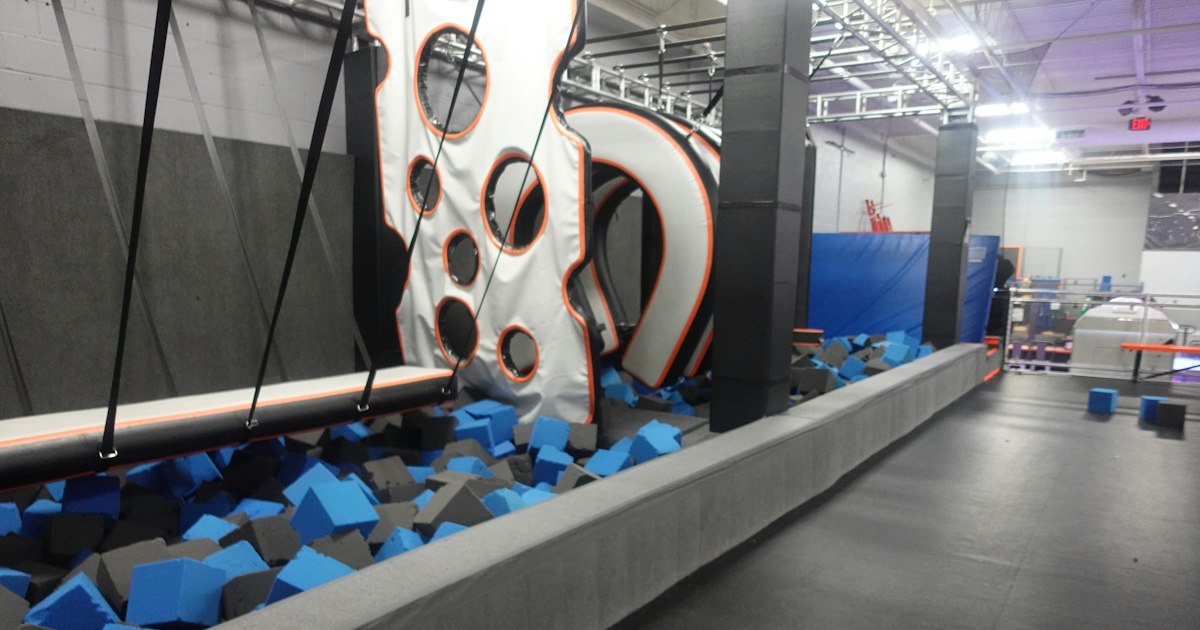
Photo by Lawrence Crayton on Unsplash
Japan’s rainy season (tsuyu) runs roughly mid-June to mid-July, typhoons regularly roll through August and September, and even a clear-skied January can turn into a cold, grey slog. When an outdoor day in Kyoto or Hokkaido gets rained out, an indoor trampoline session is one of the few activities that genuinely tires kids out, costs less than a theme park, and needs zero Japanese fluency to enjoy. Here’s where to actually find bouncing space, what it costs, and the mistakes that trip up first-time visitors.
Why Trampoline Parks Work So Well in Japan
Japan doesn’t really have the giant, dedicated trampoline warehouses common in the US, UK, or Australia — floor space is too expensive. Instead, trampoline bouncing shows up as one zone inside a bigger complex: a sports arcade, a mall play gym, or a kids’ entertainment center. That’s actually convenient for visitors, because these complexes are climate-controlled, open late, cheap to enter, and almost always sit inside or next to a train station or shopping mall, so you don’t need a car or a special trip to reach one.
Round1’s SPOCHA: The Nationwide All-in-One Option
The most reliable bet for older kids, teens, and adults is Round1’s SPOCHA (スポッチャ) program. Round1 is a sports-and-amusement chain with stores in nearly every major city — Shinjuku, Shibuya, Ikebukuro, Umeda, Namba, Sapporo, Fukuoka — almost always within walking distance of a major station. SPOCHA bundles trampoline into a pass that also covers batting cages, archery, futsal, billiards, and 20-plus other activities under one timed entry fee, so a bored teenager who gets tired of bouncing after fifteen minutes has somewhere else to go.
Pricing is time-based rather than per-activity: expect to pay roughly ¥1,900–¥3,000 per person for a two-hour block, with weekday afternoons priced lower than weekend and holiday blocks, and discounted child/student rates. Most locations are open from late morning into the night (many run past 11pm, some locations 24 hours), which makes SPOCHA a genuinely useful plan B after a museum closes early on a rainy afternoon. The trampoline corner itself is usually one wall-sized trampoline run rather than a full foam-pit park, so set expectations accordingly — it’s a fun 20–30 minute burst, not an all-day attraction on its own.
Kid-O-Kid and Asobono!: Softer Bouncing for Younger Kids
If your kids are under about 8, skip SPOCHA’s trampoline (height/age minimums often apply there) and head to a mall-based play gym instead. Two well-established chains:
- Kid-O-Kid (キドキド), run by Bornelund, has locations inside major malls nationwide, including several LaLaport properties. It mixes trampoline-style bouncy flooring with ball pits, slides, and climbing nets, aimed at toddlers through roughly elementary-school age.
- Asobono!, operated by Bandai Namco, is a similar indoor play concept found in AEON Mall locations (for example, AEON Mall Makuhari near Tokyo), with soft bouncing structures, slides, and a ball pool.
Both charge by time rather than a flat ticket: typically a first-block fee (often in the ¥600–¥1,300 range for roughly 30 minutes, varying by location and day of week) plus a smaller per-minute charge for extensions, with accompanying adults usually paying little or nothing to sit and supervise. Because both are inside shopping malls, they’re train-accessible if you pick a mall near a station (LaLaport Toyosu, for instance, is a short walk from Toyosu Station on the Yurikamome and Yurakucho lines), though some AEON Mall branches rely on a free shuttle bus from the nearest station rather than a direct walk.
What to Wear and Bring
Grip socks (non-slip trampoline socks) are mandatory at every venue in this category — bare feet and regular socks aren’t allowed on the trampoline surface. Most locations sell them on-site for roughly ¥300–¥500, and some let you reuse a pair from a previous visit, so it’s worth asking at the counter rather than automatically buying new ones. Wear athletic clothing: leggings or shorts rather than skirts or jeans, and tie back long hair. Lockers are available at most locations, sometimes requiring a coin deposit that’s refunded when you retrieve your bag.
Best Times to Go
Weekday afternoons, outside Japanese school holiday periods (late March, late July through August, late December into early January), are by far the quietest. Weekends and rainy public holidays get crowded fast, especially at mall play gyms right after lunch, since every other parent in the area has the same rainy-day idea you do. If you’re flexible, arriving at opening time on a weekday gives kids a near-empty trampoline floor. Popular SPOCHA branches in Tokyo and Osaka can have a short wait for registration on weekend afternoons, so building in 15–20 minutes of buffer helps.
Budget, Mid-Range, and Splurge
For a tight budget, a Kid-O-Kid or Asobono! session for one young child plus a supervising adult can run under ¥1,500 for 30–45 minutes of bouncing. Mid-range looks like a two-hour SPOCHA block for a family of four, which lands somewhere around ¥8,000–¥12,000 depending on the day and ages, but covers far more than just trampoline time. For a splurge afternoon, combine SPOCHA or a mall play gym with a sit-down meal at the same mall or arcade complex — most Round1 branches have attached restaurants, turning a rained-out afternoon into a half-day outing without ever stepping outside.
Common Mistakes to Avoid
- Assuming it’s a dedicated trampoline warehouse. SPOCHA’s trampoline is one zone within a larger arcade, not a wall-to-wall foam park — great for a burst of energy, not an all-day visit by itself.
- Skipping grip socks. Staff will turn you away from the trampoline surface without them; buying a pair on arrival is simplest.
- Ignoring height and age rules. Trampoline sections at sports-arcade venues often set a minimum height or age for safety; toddlers do better at mall play gyms like Kid-O-Kid or Asobono!.
- Underestimating the noise and sensory load. These venues are loud, bright, and busy, especially on weekends. If a family member finds crowded, high-stimulation spaces overwhelming, it’s worth reading our guide to sensory-friendly travel in Japan before planning a visit, and consider going right at opening.
- Not checking whether the weather might actually clear up. If rain is forecast for only part of the day, it can be worth holding a trampoline session as a backup and checking whether an outdoor plan — like a session at a public beach volleyball court or a half-day trying outdoor rock climbing at Jogasaki or Ogawayama — might still work later in the day.
Rainy-day plans in Japan don’t have to mean another museum or another mall walkthrough. A couple of hours bouncing at a SPOCHA or a mall play gym costs less than most tourist attractions, tires kids out enough for a quiet train ride home, and needs nothing more than a train ticket and a pair of grip socks. On the days the weather actually cooperates, it’s worth saving some energy for something airborne in a different way, like a tandem paragliding flight — but for the grey afternoons, the nearest Round1 or mall play gym is usually a five-minute search away.