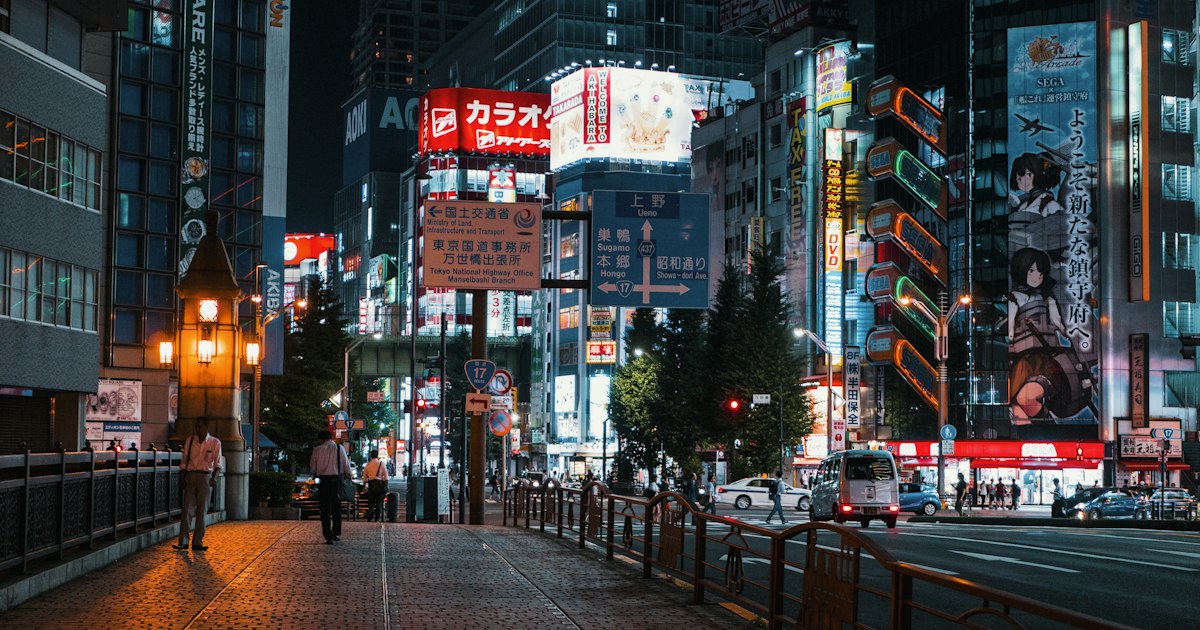
Photo by Ramon Kagie on Unsplash
Japan’s idol industry runs on a business model you won’t find anywhere else: fans don’t just watch idols perform, they shake their hands, attend small theater shows dozens of times, and buy the same CD release in multiples just for a ticket inside the jewel case. If you’ve landed in Tokyo during a tour announcement or seen a line of teenagers clutching shopping bags outside a Tower Records, this guide explains what’s actually happening — and how a visiting fan can join in without wasting money on fakes or showing up to the wrong line.
Theaters vs. Handshake Events vs. Arena Tours
“Idol culture” covers three very different experiences, and knowing which one you’re looking at matters for budgeting and planning:
- Theaters — small, dedicated venues (the most famous is the AKB48 Theater in Akihabara) where a rotating cast performs short, high-energy setlists several times a week, year-round. Tickets run roughly ¥3,000–3,900 for general shows.
- Handshake events (sekai) — promotional events tied to a CD single release, where fans line up to meet members for a few seconds each. These are usually free to attend but require a ticket bundled inside a CD purchase (typically ¥1,500–2,000 per single).
- Tours and arena shows — the big concerts, sold through lottery-based pre-sale apps, with tickets from around ¥6,000 up to ¥15,000+ for premium seating at larger venues.
Most first-time visitors can realistically attend a theater show or a handshake event; arena tour tickets usually require a Japanese phone number and address to enter the fan-club lottery, which makes them harder (though not impossible) to secure as a tourist.
AKB48 Theater and Other Regular Idol Theaters
The AKB48 Theater sits on the 8th floor of the Don Quijote building in Akihabara, a five-minute walk from JR Akihabara Station’s Electric Town exit. Tickets go through an online lottery system on the group’s official site roughly 2–3 weeks before each show — you register, apply, and if you win you pay on the day (cash only, bring exact change if possible). Winning the general lottery as an overseas applicant is possible but not guaranteed, since demand regularly outstrips the theater’s roughly 150-seat capacity.
Smaller sister groups and independent idol units (often called “chika idols,” or underground idols) perform in live houses across Akihabara, Shibuya, and Ikebukuro with much easier walk-up entry — often ¥2,000–3,000 including one drink. These shows are a great low-stakes way to see the culture up close, and the venues are usually happy to see foreign fans even without Japanese language skills.
House rules at every venue: no flash photography or video recording during performances (phones out for photos is sometimes allowed only during specific announced segments), no re-entry once you leave, and cheering/calls (“mix”) follow specific patterns regular fans will pick up fast — just watch and match the room rather than improvising.
How Handshake Events Actually Work
This is the part that surprises most newcomers: to get a handshake ticket, you buy a copy of the group’s latest CD single, and a numbered ticket is sealed inside. Each ticket is good for one trip through the line — hardcore fans buy a stack of ten or twenty copies of the same single for exactly this reason, which is also why you’ll see mountains of the “same” CD at Tower Records the week of a release.
Events are usually held at convention centers or large halls outside the city (announced in advance on the group or label’s site), with doors structured by block and time slot printed on your ticket. Arrive at your assigned time, not before — lines are tightly marshaled by staff, and showing up too early or to the wrong gate can mean missing your slot entirely. The interaction itself lasts a few seconds: a handshake, maybe a short phrase exchanged, then you’re moved along by staff holding signs that quite literally mean “next.”
If this all sounds logistically heavy for a short trip, it is — handshake events are best treated as a bonus if your travel dates happen to align with one, not a goal to build an entire itinerary around.
Where to Buy Official Goods
You don’t need an event ticket to buy merchandise. The reliable, scam-free sources are:
- Tower Records Shibuya — the top floors are dedicated almost entirely to idol CDs, photobooks, and tour goods, with dense AKB48/Hello! Project/Nogizaka46 sections. Open roughly 10am–10pm daily.
- HMV, Animate, and @JAM-affiliated shops — Animate in Ikebukuro and Akihabara stocks acrylic stands (¥1,500–2,500), trading cards, and official tour merchandise even outside concert dates.
- In-venue merch booths at theaters and concerts — tour-exclusive items like penlights (¥3,000–5,000), T-shirts (¥3,500–4,500), and towels (¥2,000–3,000) are often sold only at the venue, with lines forming well before doors open.
- Official group stores — several agencies run standalone shops in Akihabara or Harajuku; check the group’s official website for current locations, since these do shift over time.
For general tourist shopping in the same neighborhoods, Akihabara’s main drag and nearby AEON Mall-style complexes elsewhere in the country often carry licensed character and idol goods alongside mainstream retail, useful if your trip takes you outside Tokyo.
Secondhand and Rare Finds
For out-of-print CDs, older photobooks, or specific members’ solo goods, Mandarake (Nakano Broadway and Akihabara branches) and Book-Off are the go-to secondhand chains — prices vary wildly by rarity, from ¥500 bargain bin CDs to several thousand yen for sought-after photobooks. Always check the obi (the paper strip wrapped around Japanese CDs) and included tickets/postcards are usually already used or removed in secondhand copies, so don’t buy expecting an unused handshake ticket inside.
Timing, Budget, and Common Mistakes
There’s no single “idol season” — theater shows run year-round and tours cluster around spring and autumn, so check each group’s official schedule before booking flights around a specific concert. The most common mistakes visitors make: assuming handshake tickets are sold separately from CDs (they aren’t), showing up to a theater lottery without registering online in advance, and buying “limited” merchandise from resellers on general marketplaces at inflated prices when the same item is still in stock at Tower Records or Animate. If buying in bulk — multiple CD copies for handshake tickets, several photobooks, a stack of acrylic stands — pack light on the way in, since idol goods add up in both volume and weight fast; it’s worth checking ANA and JAL’s excess baggage fees before your return flight. If you’re flying out of Haneda and realize you forgot something, the shops in Terminal 3 carry general Japanese pop-culture souvenirs, though dedicated idol goods are unlikely there — buy what you need in Akihabara or Shibuya before heading to the airport.
Getting between venues across Tokyo is simple on the regular rail network, but if an event pulls you to a theater or live house in a less central area, discount ticket shops can shave a little off same-day train fares, especially if you’re bouncing between multiple venues in one day. Budget realistically: a single theater show plus transport and a couple of goods items is an easy ¥5,000–8,000 day; stacking CD purchases for handshake tickets can push that well into five figures fast, so decide your limit before you’re standing in front of the merch booth.