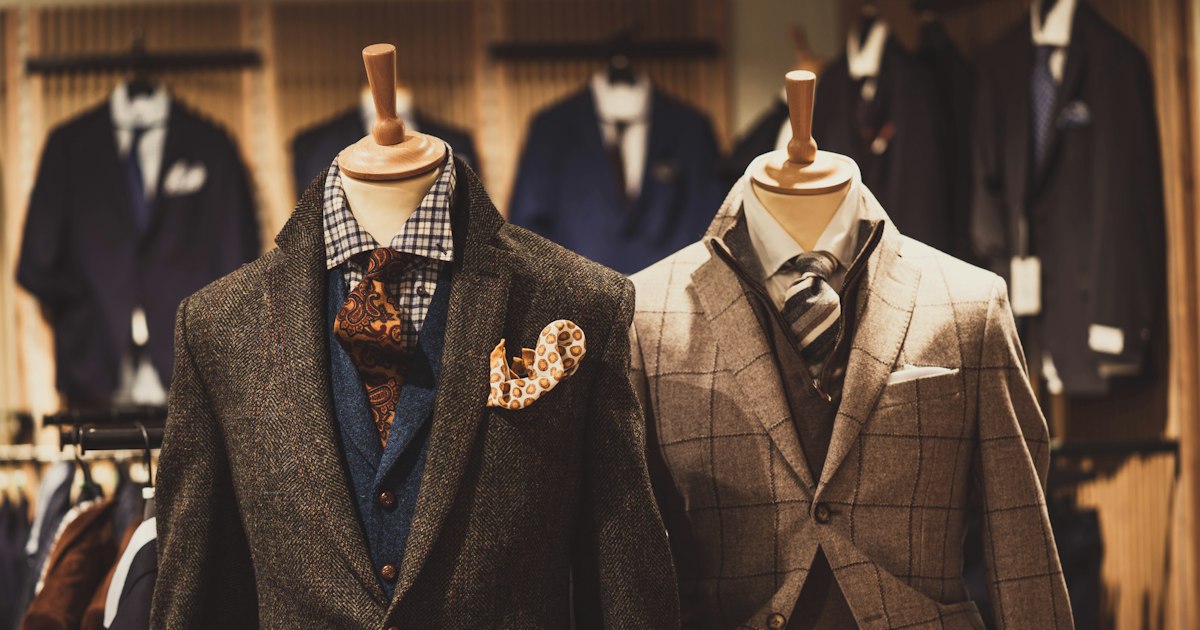
Photo by Alexander Naglestad on Unsplash
Getting invited to a Japanese wedding, a formal dinner, or a business reception while traveling light is a wonderful problem to have — and a logistical headache. Japanese weddings in particular run on strict dress codes, and showing up in whatever you packed for sightseeing won’t cut it. The good news is that Japan has a mature, well-organized rental industry for exactly this situation, built originally for locals who don’t want to own a tuxedo they’ll wear twice a decade. Here’s how to use it as a visitor.
Why Travelers End Up Renting Formal Wear in Japan
The most common scenario is a wedding invitation that arrives mid-trip, or a work meeting that turns out to require a suit you didn’t pack. Japanese wedding etiquette is unusually specific: male guests typically wear a black or dark suit with a white tie, women avoid all-white outfits (reserved for the bride) and overly flashy colors, and both avoid showing too much skin. Funerals have their own strict all-black dress code, right down to accessories. Because locals face the same packing problem, rental shops near train stations and inside department stores are set up to turn around a full outfit in a day or two — tourists can use the exact same system.
Suit and Tuxedo Rental: Department Stores, Specialty Chains and Hotel Counters
Large department stores such as Isetan, Takashimaya, and Daimaru have formal-wear floors that handle rental alongside sales, especially busy in the lead-up to spring graduation ceremonies (March) and wedding season. A full men’s rental set — jacket, trousers, dress shirt, tie, and sometimes shoes — typically runs ¥8,000 to ¥25,000 depending on brand and fabric quality; a tuxedo for a more formal evening event runs ¥15,000 to ¥40,000.
If you’re attending a wedding at a hotel or dedicated wedding hall, check with the venue directly first. Japanese wedding venues are used to guests who forgot or don’t own appropriate attire, and many operate an in-house guest rental counter (sometimes called ゲストドレスレンタル or ゲスト衣装) where you can rent on the day of the event for roughly ¥5,000–¥15,000. This is the least planning-intensive option if you’re short on time, since you don’t need to travel anywhere extra.
Dress Rental: Online Services and In-Store Boutiques
For women’s formal dresses, online rental platforms are often more practical than hunting for a physical shop. Services like Cariru let you browse photographed stock online, select a dress with matching bag and accessories, and have the full set shipped to your hotel before the event — then mail it back afterward using the included return packaging. Expect ¥4,000–¥20,000 for the dress depending on formality, with small accessory add-ons (clutch, jewelry, shawl) running an extra ¥1,000–¥5,000. Delivery usually needs at least a few days’ lead time, so this isn’t a same-day fix, but it saves you from shop-hopping with limited Japanese.
In-store dress rental boutiques also cluster around Ginza, Shibuya, and major station buildings, and these can sometimes fit you same-day if stock allows — useful if your event is tomorrow and shipping won’t arrive in time.
Sizing, Pricing and What’s Included
This is where most visitors get caught out. Japanese formal-wear sizing runs smaller on average than US or European standards, and stock in larger sizes (XL/XXL for suits, larger dress sizes, and men’s shoes above roughly 28cm) is limited, especially at smaller shops. Online rental sites are actually helpful here because they list exact measurements (chest, waist, sleeve, shoulder) rather than just a size letter — measure yourself before browsing so you can match against real numbers instead of guessing.
Always confirm exactly what’s bundled in the rental price. A “full set” at one shop might include shoes and a bag; at another it might be just the jacket and trousers with everything else rented separately. Ask specifically about shoes, ties/pocket squares, undergarments, and bags, since these add-ons can meaningfully change the total cost.
Best Timing and How Far Ahead to Book
Book 3–7 days ahead when possible. Two periods strain rental stock the most: March, when Japanese companies and schools hold graduation and new-hire ceremonies and suit rental shops are booked solid with locals, and the spring (March–May) and autumn (September–November) wedding seasons, when dress and suit availability in popular sizes thins out fast. If your trip overlaps with either window, reserve as soon as you know you’ll need an outfit rather than waiting until you arrive in Japan.
Pickup and return windows are usually generous but not infinite — in-store rentals are typically collected a day or two before the event and returned within a day or two after, while mail-order rentals give you a defined return-by date printed with your shipment. Late returns carry daily late fees, so build the return trip into your travel plans, particularly if the event falls near the end of your trip.
Common Mistakes to Avoid
- Assuming same-day availability: popular sizes and styles get reserved by locals well in advance, especially in March and during wedding season.
- Not checking size charts: go by measurements, not size labels, since Japanese sizing runs smaller than you may expect.
- Skipping the venue’s own rental counter: if you’re attending a wedding at a hotel, ask the venue before booking elsewhere — it’s often the fastest, lowest-effort option.
- Underestimating funeral dress codes: Japanese funeral attire is fully black (no patterns, minimal jewelry), stricter than typical Western “formal black,” so mention the occasion type when renting so staff can point you to the right outfit.
- Forgetting return logistics: losing track of the return-by date, especially with mail-order rentals, results in late fees charged to your payment method.
Japan’s Broader Rental Culture
Renting rather than buying is a bigger theme in Japan than just formal wear — it’s a country where short-term rental is normalized for all kinds of gear travelers might otherwise pack or buy outright. The same logic that makes tuxedo and dress rental convenient applies to renting ski and snowboard gear near resort towns, renting an EV for a road trip, or even sorting out helmet requirements when renting a bicycle. If your trip happens to land around Halloween instead of a wedding, the costume-shop scene covered in our guide to Halloween in Japan runs on a similar rent-rather-than-buy setup. Whatever the occasion, it’s worth checking whether Japan already has a rental system built for it before you pack extra luggage from home.