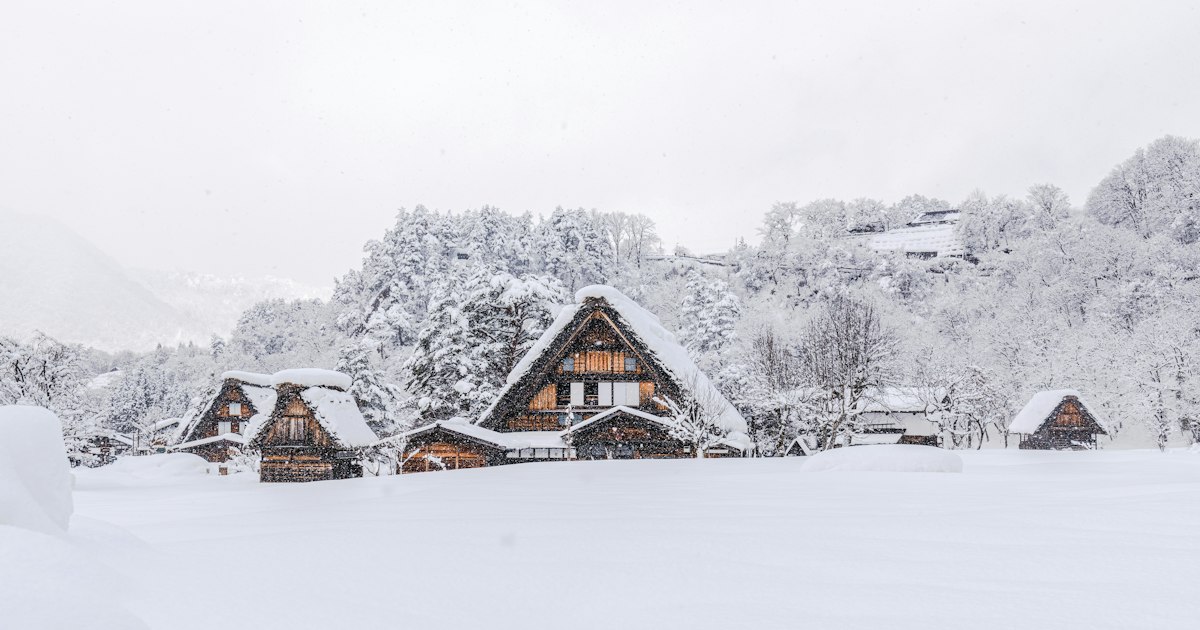
Photo by Hyungman Jeon on Unsplash
Flying to Japan with ski boots crammed into your carry-on is one of travel’s small miseries, and for most visitors it’s unnecessary. Niseko, Hakuba, and Nozawa Onsen all have dense clusters of rental shops that can outfit a complete beginner or a backcountry powder hound within fifteen minutes of arrival. The trick is knowing which village to rent in, what things actually cost, and when to book so you’re not stuck with mismatched boots on the one powder day of your trip.
Why Renting Beats Packing Your Own Gear
Unless you’re attached to a specific board or custom boot fit, renting in Japan is usually cheaper than paying airline oversize baggage fees (often ¥5,000–¥15,000 each way per bag on international and domestic carriers), and it removes the hassle of hauling boards through train stations and bus transfers. Rental shops near all three resorts stock gear tuned for the conditions they see most — deep, dry Hokkaido powder in Niseko, and the steeper, more varied terrain of Hakuba and Nozawa. Many shops also offer free boot-fitting adjustments mid-week if your feet start hurting, which isn’t something you get with gear checked through an airline.
Niseko: Rental Shops in Hirafu, Hanazono & Annupuri
Niseko United spans four base areas — Grand Hirafu, Hanazono, Niseko Village, and Annupuri — and Hirafu’s main street is where most rental shops cluster, many open 8:00 or 8:30 until around 19:00–20:00 during the season (roughly mid-December through early April). Typical package rental of skis or a board plus boots and poles runs about ¥5,000–¥8,000 per day for standard gear, with multi-day rates dropping to ¥4,000–¥6,000/day for a 5+ day rental. Premium or latest-season demo gear runs ¥8,000–¥14,000/day. Several Niseko shops (Rhythm, Niseko Sports, and others along the Hirafu strip) also run delivery services that drop gear directly at your hotel or ski-in/ski-out condo, which is worth it if you’re staying outside central Hirafu or traveling with kids. Most visitors fly into New Chitose Airport and take a resort bus or train (about 2.5–3 hours) to Niseko — if you have a few hours before your transfer, the airport itself is worth lingering in; see our guide to New Chitose Airport’s ramen dojo, onsen, and shopping for how to spend a layover there.
Hakuba: Renting Near Happo-One, Goryu & Hakuba 47
Hakuba Valley’s eleven resorts (Happo-One, Hakuba 47, Goryu, Cortina, and others) are spread along a long valley, so where you rent should match where you’re skiing. Hakuba village, near Happo-One’s base, has the thickest concentration of rental shops, generally open 8:00–18:00 in season. Standard rental packages run ¥4,500–¥7,000/day, with weekly discounts common; shops near Hakuba 47 and Goryu (further south along the valley) tend to be slightly cheaper and less crowded than those directly below Happo-One. Getting here typically means a Shinkansen to Nagano Station, then roughly a 70–75 minute direct bus into the valley — book the bus seat in advance during peak weeks, as it does sell out. If you’re renting boards for a group, it’s worth comparing one shop near your lodging against the options nearer the lift you’ll use most, since hauling gear between the two can eat up a chunk of your morning.
Nozawa Onsen: Small-Village Rentals With Onsen Convenience
Nozawa Onsen is smaller and more old-fashioned than Niseko or Hakuba — a compact onsen town built around steaming public bathhouses, with the ski area rising directly behind it. Rental shops are concentrated near the village center and the main gondola base, typically open 8:00–18:00, and prices run a bit lower than Niseko’s, around ¥4,000–¥6,500/day for a standard ski or snowboard set. Because it’s a smaller, more local-feeling town, some of the older family-run rental shops are cash-only or have limited card terminals, so it’s worth keeping yen on hand — a 7-Eleven is on the main road through town, and 7-Bank ATMs at 7-Eleven are the easiest way to withdraw cash with a foreign card if you’re caught short. Nozawa is reached via Nagano Station followed by about a 60–75 minute bus, similar to Hakuba’s access but a separate bus line.
Budget, Mid-Range & Splurge Options
Across all three resorts, the pricing tiers look similar. Budget renters can expect ¥4,000–¥6,000/day for a basic beginner-to-intermediate ski or board package, often with older but perfectly serviceable gear — fine for a first trip or casual skiers. Mid-range rentals (¥6,000–¥10,000/day) get you current-season demo skis or boards and better boots, worth it if you’re an intermediate-to-advanced rider who’ll actually feel the difference. Splurge options (¥10,000–¥20,000/day) include top-tier powder skis, splitboards, custom boot fitting with heat-molding, and door-to-door delivery — useful for serious skiers chasing Niseko’s famous powder days or anyone with wide or unusually shaped feet who needs a proper fitting rather than a rack pull.
Common Mistakes to Avoid
The single biggest mistake is showing up without a reservation during Christmas/New Year or Chinese New Year week, when the best gear (and larger boot and board sizes) gets booked out early; reserve online at least a few weeks ahead for peak dates. Second, Japanese boot sizing runs in centimeters (mondo size) rather than US/UK/EU sizing, and shops size for narrower Japanese-average feet — if you have wide feet, ask specifically for a wider last or go to a shop known for wide-fit boots rather than squeezing into the first pair offered. Third, don’t assume every shop takes credit cards smoothly; carrying a card with no foreign transaction fees (see our rundown of no-foreign-transaction-fee credit cards for Japan trips) saves money on larger multi-day rental bills, but have cash as backup for smaller shops. Finally, don’t rent for your entire trip length if a storm is forecast mid-week — some shops let you swap or upgrade skis for deeper snow for a small fee, so ask before locking in a non-changeable package.
Best Timing for Booking and Skiing
The season generally runs mid-December through late March or early April, with Niseko’s Hokkaido powder most reliable from mid-January through February, while Hakuba and Nozawa tend to see their best overall snow base (and sunnier, more stable weather) from late January into March. Book rental gear online 2–4 weeks ahead for any trip that overlaps school holidays in Japan, Australia, or China; outside those windows, walking into a shop the morning you arrive is usually fine. Early mornings are also the best time to swap or upgrade gear, since shops restock and sort returns overnight.