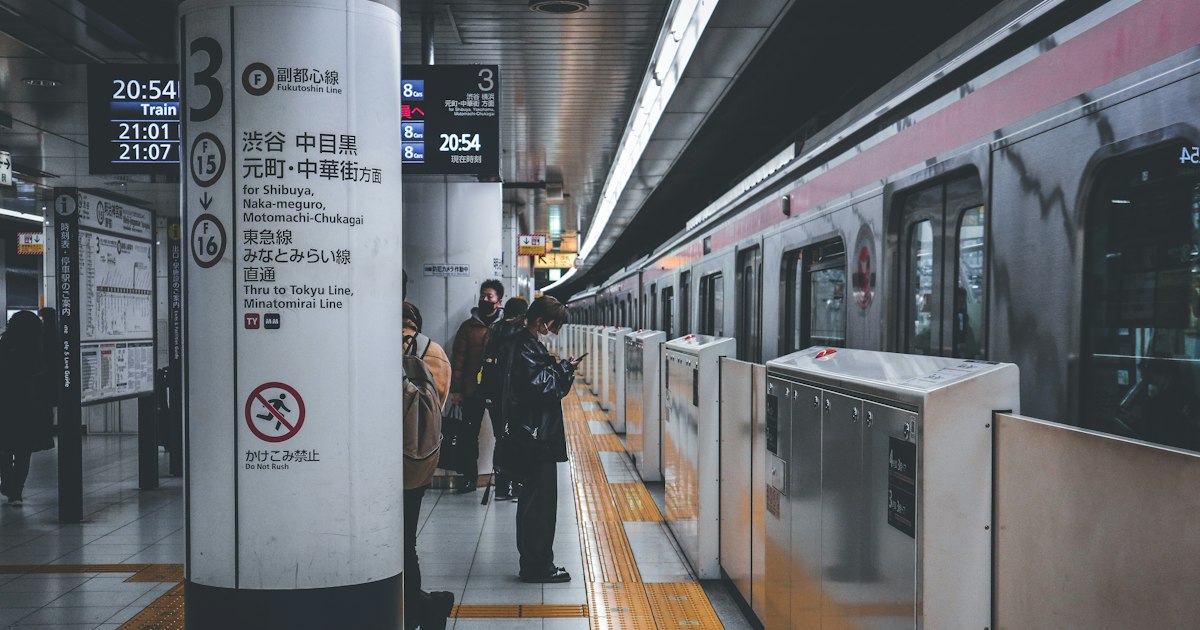
If you’ve ever had a tight connection at Tokyo Station and wandered through what felt like an entire underground city of bakeries, bento counters, and gift shops, you’ve already met ekinaka — Japan’s “inside the station” shopping malls. These aren’t a few vending machines and a newsstand. They’re dense, multi-level retail districts built directly into (or beside) train stations, and for visitors they’re one of the most time-efficient ways to shop in Japan: no extra trip required, because you’re already there. This guide covers the three names you’ll see most — Gransta, Echika, and Kitte — and how to use them well.
What Is Ekinaka, Exactly?
Ekinaka (駅中/駅ナカ) literally means “inside the station.” Japanese railway operators realized decades ago that commuters passing through stations twice a day were a captive, repeat audience, so they built proper shopping arcades into the concourses, basements, and platform levels of major stations rather than leaving that space to kiosks. JR East runs the “Gransta” brand at Tokyo Station and a few other hubs; Tokyo Metro and Tokyu run “Echika” locations at subway stations; and “Kitte” is a standalone commercial building attached to Tokyo Station (with a second location at Hakata Station in Fukuoka). Unlike a roadside mall, everything here is designed around people who have luggage, a train to catch, and limited time — which makes it genuinely convenient once you know the layout.
Gransta Tokyo: The Underground Shopping City Beneath Tokyo Station
Gransta is JR East’s shopping network inside and around Tokyo Station, split across a few zones: Gransta Tokyo (inside the ticket gates, closest to the shinkansen platforms), and Gransta Yaesu and Gransta Marunouchi (outside the gates, so you don’t need a train ticket to enter). Combined, there are well over 150 shops and restaurants across basement levels.
- What’s there: ekiben (train bento boxes, roughly ¥900–¥1,800), a dedicated ramen alley with half a dozen well-known regional shops, a sweets/omiyage section selling boxed Tokyo Banana-style gift cakes (around ¥1,000–¥1,500 for an 8-piece box), and a character-goods street for Studio Ghibli, Rilakkuma, and similar brands.
- Hours: most shops run roughly 8:00–21:00 or 22:00; restaurants often stay open until 22:00–23:00. Hours vary by individual shop, so don’t assume everything closes at the same time.
- Getting there: Tokyo Station, JR lines, Yaesu or Marunouchi side depending on the zone. Gransta Tokyo requires a valid ticket or IC card tap-in since it’s inside the gates.
If you’re buying ekiben to eat on a shinkansen, the busiest counters sell out of popular boxes by early afternoon — shop before 11:30 if you want first pick, especially around lunch rush or on weekends and holiday travel days.
Kitte: Shopping Inside a Converted Post Office
Kitte occupies the old Tokyo Central Post Office building directly beside Tokyo Station’s Marunouchi South Exit, connected by an underground passage so you can reach it without going outside. The building itself is worth a look — the Art Deco frame was preserved and the interior rebuilt around a dramatic atrium.
- What’s there: around 100 shops and restaurants, leaning toward design-forward Japanese brands, stationery, and regional specialty foods, plus a free rooftop garden (KITTE Garden) with one of the best street-level views of Tokyo Station’s red-brick Marunouchi facade.
- Hours: shops roughly 11:00–21:00 (11:00–20:00 on Sundays/holidays); restaurant floors stay open later, often to 22:00–23:00.
- Getting there: Tokyo Station Marunouchi South Exit, or a short walk from Yurakucho Station.
Kitte opens noticeably later than Gransta (11:00 vs. 8:00), so it’s a poor choice for an early-morning errand before a train but a good option for an evening browse after sightseeing, since it’s less train-rush chaotic than the station concourse itself. There’s a sister location, Kitte Hakata, attached to Hakata Station in Fukuoka if you’re shopping your way through Kyushu.
Echika: Boutique Shopping on the Metro Platform Level
Echika is a smaller, more boutique format found at subway stations rather than mainline terminals — the best known is Echika Omotesando, built into the Chiyoda Line concourse at Omotesando Station, with a sister branch (Echika fit) at Ikebukuro. These are compact (a few dozen shops), skew toward cosmetics, bakeries, and sweets, and are aimed squarely at commuters grabbing something on the way home.
- What’s there: beauty and skincare counters, artisan bread and pastry shops, small home-goods stalls. Expect ¥500–¥3,000 for most single purchases.
- Hours: roughly 11:00–21:00 for shops, with some bakeries and cafes open earlier or later.
- Getting there: Tokyo Metro Chiyoda Line, Omotesando Station (Echika Omotesando is literally on the platform concourse, no need to exit through the gates to browse the ticketed side).
Because Echika locations are small, they’re easy to combine with a day of shopping in Omotesando or Harajuku above ground — duck down for a coffee or a skincare item between stores rather than treating it as a destination on its own.
Best Times to Visit and How to Avoid the Crowds
Ekinaka malls are busiest exactly when you’d expect: weekday morning (7:30–9:00) and evening (17:30–19:30) commuter rushes, plus any time near shinkansen departures at Tokyo Station during holiday travel weeks (New Year, Golden Week in late April–early May, and mid-August Obon). If you want to browse rather than fight crowds, aim for a weekday mid-morning (10:00–11:30) or mid-afternoon (14:00–16:00). For buying ekiben or omiyage specifically, arriving 30–45 minutes before your train — not 5 minutes before — gives you time to compare and avoids the scramble when a shinkansen departure clears out a whole platform’s worth of shoppers at once.
Common Mistakes to Avoid
- Shopping with a full-size suitcase during rush hour. Gransta’s aisles get genuinely narrow at peak times; if you’re dragging luggage, use a coin locker (around ¥500–¥700) near the entrance first.
- Assuming every stall takes cards. Many small ekiben and sweets counters are cash-only or IC-card-only (Suica/Pasmo); carry some cash as backup.
- Confusing “inside the gates” with “outside the gates.” Gransta Tokyo requires a ticket or tapped-in IC card to enter; Gransta Yaesu and Marunouchi don’t. If you only want to browse without traveling, stick to the outside-gate zones.
- Leaving it too late. Popular ekiben and limited-run sweets do sell out, especially on weekends — this isn’t a 24-hour convenience store.
Budget, Mid-Range, and Splurge Picks
For a quick, cheap souvenir run, a single boxed sweet (¥1,000–¥1,500) or a character-goods keychain (¥500–¥1,000) from Gransta covers it. Mid-range shoppers should budget ¥2,000–¥4,000 for a proper ekiben-plus-snacks combo to eat on the train, or a skincare item from Echika. If you want to splurge, Kitte’s specialty-food floor carries regional delicacies and craft goods in the ¥5,000+ range that make better gifts than anything at the airport — and if you’re flying out of Tokyo, it’s worth comparing against the last-minute options at Haneda Airport Terminal 3, since station prices are often better than airport prices for the same items. If ramen-alley lines at Gransta are long, it’s worth knowing how reservation and queue etiquette works more broadly — see our guide to restaurant reservations in Japan. And if you’re near Kansai Airport before or after your trip, Rinku Premium Outlets is a good non-station shopping stop to pair with a layover.
Ekinaka malls won’t replace a dedicated shopping day in Shibuya or Ginza, but for turning dead time between trains into something useful, they’re hard to beat — just go in knowing the hours, the gate rules, and that the good ekiben sell out early.