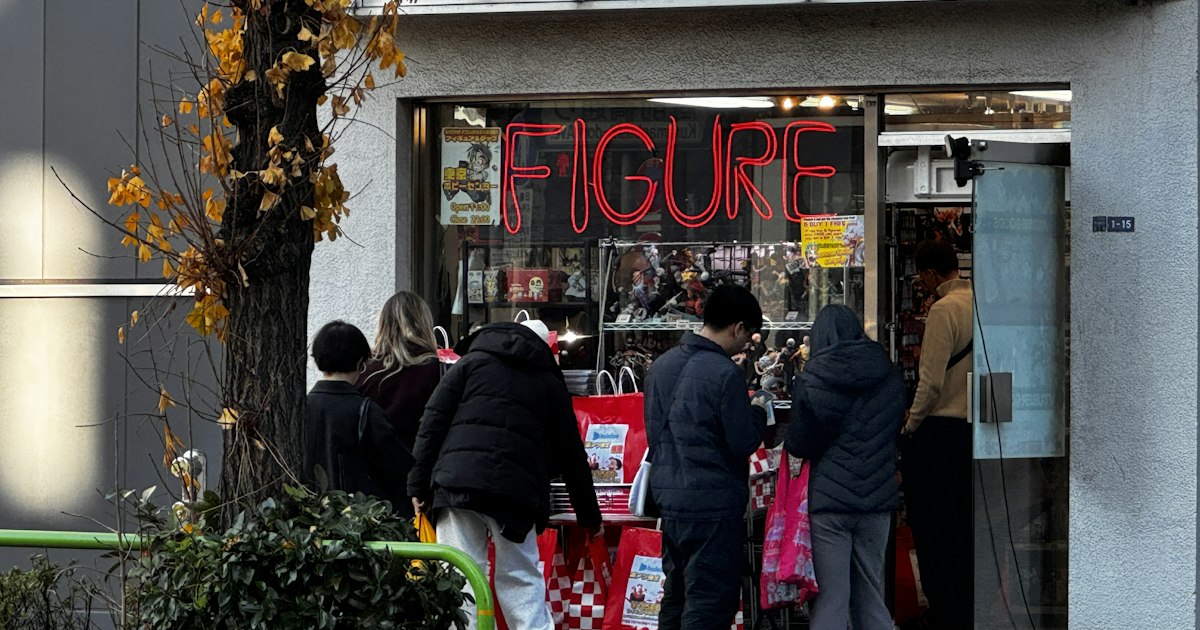
Walk into any multi-floor hobby shop in Akihabara and you’ll see the same three names stamped on boxes again and again: Kaiyodo, figma, and Good Smile Company. They’re not interchangeable — each has a different specialty, price point, and shopping strategy — and knowing the difference will save you money and help you find what you’re actually looking for instead of wandering five floors of shrink-wrapped boxes. Here’s how to shop for Japanese collectible figures like you know what you’re doing.
Who Makes What: Kaiyodo, Figma, and Good Smile Company
Kaiyodo is the oldest of the three, founded in Osaka in 1964, and it built its reputation on hyper-detailed capsule toys and museum-quality sculpts — think its Revoltech action figures with poseable ball joints, and its long-running “Choco Egg” animal figures that come hidden inside chocolate eggs at any Japanese supermarket (around ¥230 each). Kaiyodo figures tend to prioritize sculpt accuracy over affordability.
Figma is a brand, not a company — it’s made by Max Factory, based in Sanjo, Niigata Prefecture. Figma figures are articulated action figures (usually anime, video game, or pop-culture characters) built for posing rather than shelf display, typically priced ¥6,000–8,500 new.
Good Smile Company, headquartered in Tokyo, is the industry’s commercial engine. It makes the enormously popular Nendoroid line — chibi-style figures with swappable faces and parts, usually ¥4,500–6,500 — plus large-scale PVC figures (1/7 and 1/8 scale) that run ¥15,000–40,000+. Good Smile also distributes figures from smaller studios, so its logo shows up on boxes it didn’t actually sculpt.
Akihabara: Tokyo’s Figure-Shopping Home Base
Akihabara is still the center of gravity. Start at the Mandarake Akihabara Complex (3-11-12 Soto-Kanda, Chiyoda-ku), an eight-floor building a short walk from Akihabara Station’s Electric Town exit, open daily from noon to 8pm. Each floor is a different category — figures, doujinshi, retro toys, cosplay — and prices skew secondhand, so you’ll find discontinued Kaiyodo and figma pieces here that are long gone from official stock.
For new releases, Kotobukiya and Volks both run dedicated Akihabara shops specializing in garage kits and scale figures, and Animate and Super Kids Land stock current Nendoroid and figma lines at retail price. Crane-game (UFO catcher) arcades scattered through the district are worth a look too — prize figures there are often exclusive variants you can’t buy in a box.
One practical note: most shops here close by 8–9pm, earlier than you’d expect for Akihabara’s reputation. If you’re planning to bar-hop or keep exploring after shopping, check how last trains (shuden) work in Japan before you lose track of time.
Nakano Broadway: The Collector’s Side Quest
Twenty minutes from Shinjuku by train, Nakano Broadway (5-52-15 Nakano) is a shabby 1960s shopping arcade that happens to house roughly two dozen separate Mandarake specialty stores, each focused on a narrow niche — one floor for cels, one for dolls, one for vintage tin toys, several for figures split by era or genre. It’s quieter than Akihabara, less touristy, and the prices on used Kaiyodo and older figma pieces are often better. Most shops open around noon; many close on Thursdays, so don’t make this your one shot on a Thursday afternoon. It’s a one-minute walk from Nakano Station’s north exit on the JR Chuo Line.
Wonder Festival: Time Your Trip Around It
If your visit lines up with it, Wonder Festival (WonFes) is the single best reason to plan a figure-shopping trip around a specific date. Good Smile Company runs this garage-kit and figure expo twice a year at Makuhari Messe in Chiba — typically early February and late July — and it’s where small studios and independent sculptors sell limited-run resin kits you won’t find anywhere else, alongside early looks at upcoming figma and Nendoroid releases. Makuhari Messe is about 30 minutes from Tokyo Station on the JR Keiyo Line. Tickets sell out and resin kits can disappear within the first hour, so arrive early and expect to queue.
Kaiyodo’s Home Turf: Kochi Prefecture
Kaiyodo’s founder is from Kochi Prefecture on Shikoku, and the company maintains hobby museums there as a kind of pilgrimage site for serious fans — display halls built around its decades of sculpts, from dinosaurs to anime figures. It’s a genuine detour: Kochi isn’t served by Shinkansen, so you’d fly in from Tokyo (around 1.5 hours) or connect via limited express train from Okayama after riding the Shinkansen that far. Hours, admission, and exhibits change by season, so confirm the current schedule before building a day around it — this is a trip for completists, not a casual add-on.
Budget, Mid-Range, and Splurge
- Budget: Gashapon capsule toys (¥200–500) and Ichiban Kuji lottery pulls (around ¥700–800 per draw) are the cheapest way to bring home something genuine, and both are everywhere in Akihabara and at convenience stores.
- Mid-range: A new Nendoroid (¥4,500–6,500) or figma (¥6,000–8,500) is the sweet spot most collectors land on — durable, poseable, and easy to pack if you keep the box.
- Splurge: Scale PVC figures (1/7 or 1/8) from Good Smile Company run ¥15,000–40,000+, and rare secondhand Kaiyodo Revoltech pieces or limited WonFes garage kits can go well beyond that at Mandarake or directly at the event.
Common Mistakes
Buying a figure still shrink-wrapped and assuming it’s new-in-box without checking — secondhand shops sometimes reseal boxes, so ask staff directly if you’re paying a premium for “unopened” condition. Not budgeting for tax-free shopping: purchases over ¥5,000 at a single store, same day, qualify for the 10% consumption-tax exemption if you show your passport at checkout, but the item must stay sealed until you leave Japan. And underestimating how fragile PVC figures are in transit — ask for extra bubble wrap or a sturdier box at checkout, especially for anything with thin protruding parts like swords or hair pieces.
Language can be the real obstacle in smaller garage-kit shops where staff may not speak English and stock details aren’t translated — a pocket translator or translation gadget is genuinely useful here, more so than in most tourist situations. And if figure hunting turns out to be your gateway into Japan’s wider collector culture, the same floor-by-floor patience applies to vintage film camera hunting and to Disney pin trading at Tokyo Disneyland — both run on the same logic of rarity, condition, and knowing exactly where to look.