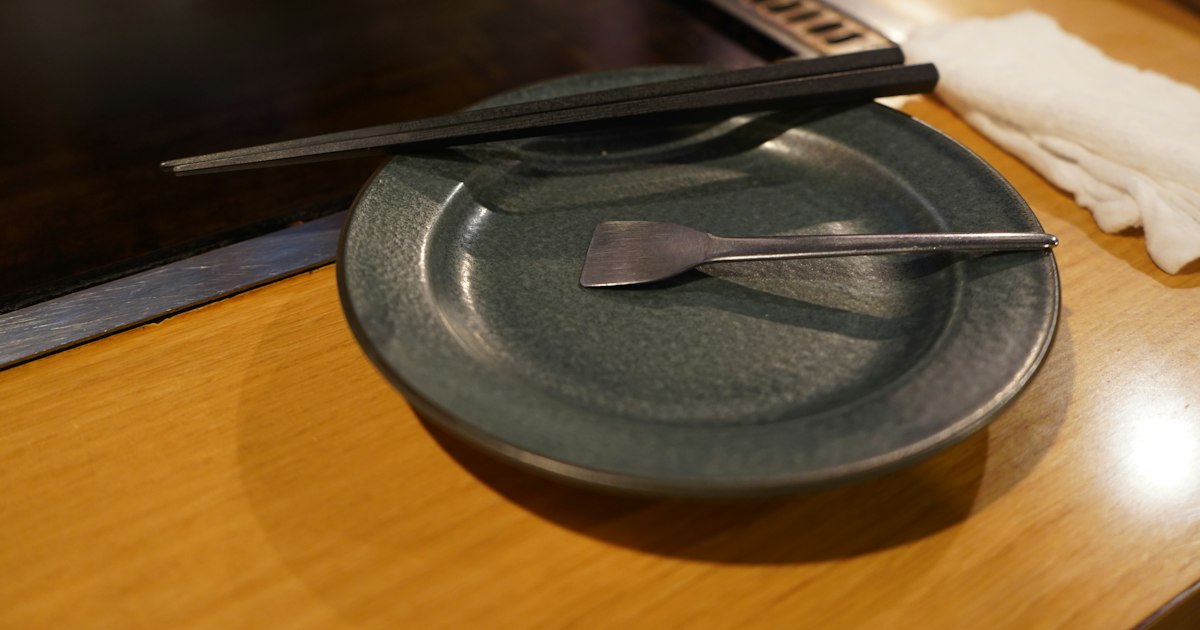
Photo by Yosuke Ota on Unsplash
Nobody expects a visitor to use chopsticks like a lifelong local, and most servers in Japan won’t bat an eye if you fumble a piece of tofu off a shared plate. But a handful of chopstick habits carry real weight here—several are tied directly to funeral rites, and doing them at a dinner table, even by accident, can make your hosts visibly uncomfortable. The good news is that the full list of taboos is short, easy to remember, and once you know it, you’ll eat with more confidence at everything from a neighborhood ramen counter to a formal kaiseki dinner.
Why Some Chopstick Habits Are Off-Limits
Most chopstick taboos in Japan trace back to one source: Buddhist funeral customs. Two gestures in particular are considered genuinely unsettling rather than just impolite, because they echo rituals performed around a body before cremation. Knowing the “why” makes the rules much easier to retain than memorizing a list of arbitrary don’ts.
The Two Rules You Must Never Break
Tate-bashi (立て箸) — Never stick your chopsticks upright into a bowl of rice and leave them standing. This mirrors incense offerings placed upright in rice at a household altar during funerals. If you need to set your chopsticks down mid-meal, rest them on the small ceramic or wooden hashioki (chopstick rest) provided, or lay them flat across the top of your bowl.
Hashi-watashi (箸渡し) — Never pass food from your chopsticks directly to someone else’s chopsticks. This recreates the funeral practice where family members pass a cremated person’s bones to each other using chopsticks. If you want to share food, place it on the other person’s plate first, or use the thicker serving chopsticks (saibashi) that usually sit beside a shared dish—turning your own chopsticks around to use the clean handle-end is also acceptable in a pinch.
Taboos at the Communal Table
Japan’s shared-pot dining culture makes these rules especially relevant. At a nabe hot pot dinner—Hakata’s famous mizutaki chicken hot pot is a good example, typically running ¥4,000–¥7,000 per person at a sit-down restaurant—everyone fishes ingredients out of the same simmering pot. Always use the communal serving chopsticks to transfer food to your own bowl, then switch back to your personal chopsticks to actually eat. Reaching in directly with the chopsticks you’ve been putting in your mouth (called jika-bashi, “direct chopsticks”) is considered unhygienic and a minor faux pas, though many casual izakaya have relaxed about it among friends.
The same logic applies at a robatayaki fireside grill, where skewers are handed to you on a long wooden paddle. Take the food off the paddle with your chopsticks or hands rather than grabbing the paddle itself—the chef is performing a bit of ceremony, and grabbing the serving implement interrupts it. Expect to pay roughly ¥500–¥1,500 per skewer at these counters, with a full dinner landing around ¥5,000–¥8,000 per person.
Other Gestures to Avoid
- Sashi-bashi — Pointing at people or things with your chopsticks. Treat them like a knife in Western dining: not a gesture tool.
- Mayoi-bashi — “Hovering” chopsticks indecisively over multiple dishes while you decide what to take next. It’s a minor habit many Japanese diners do themselves, but it reads as fidgety in a formal setting.
- Neburi-bashi — Licking sauce or rice off your chopsticks. Set them down and use a napkin instead.
- Sogi-bashi — Using chopsticks to cut or saw through food, pinning it down and tearing it apart. If something won’t break apart easily, it’s fine to use your hands (this is expected for things like whole grilled fish) or ask for a knife.
- Yose-bashi — Dragging a dish or bowl toward you using your chopsticks instead of lifting it with your hand.
- Watashi-bashi — Resting your chopsticks across the top of your bowl like a bridge between bites. It’s a surprisingly common slip-up for visitors; use the hashioki rest instead, or if none is provided, the paper sleeve the disposable chopsticks came in, folded into a small rest.
Noodle Counters Have Their Own Logic
Ramen and noodle shops relax some rules but tighten others. Slurping is genuinely fine—even encouraged—at a bowl of tantanmen (typically ¥900–¥1,300) or a soupless bowl of abura soba (around ¥800–�b¥1,000); it cools the noodles and is read as a sign you’re enjoying the food, not as bad manners. What you shouldn’t do is leave chopsticks standing in a broth-filled bowl between bites, or use them to repeatedly stab at ingredients instead of lifting them cleanly. Most counter-style noodle shops move fast and won’t correct you either way, so this is a low-stakes place to practice if you’re still getting comfortable.
Small Everyday Mistakes Tourists Make
Beyond the big taboos, a few habits mark someone as a first-time visitor rather than causing real offense: switching chopsticks between hands, holding them too close to the tips (which makes them harder to control and looks awkward rather than elegant), or resting disposable waribashi back in their paper sleeve after separating them—once split apart, lay them side by side on the table or hashioki instead. If you’re dining in a more formal context, such as a business dinner or a traditional ryokan kaiseki course, and you’re unsure what’s expected, it’s worth looking into hiring a private guide or concierge for that one evening—many specialize in exactly this kind of etiquette coaching, and it removes the guesswork for important meals. Expect guide fees to run roughly ¥20,000–¥40,000 for a half-day, which is often worth it for a once-in-a-trip dinner with hosts or business contacts.
Quick Reference
If you remember nothing else: never stand chopsticks upright in rice, never pass food chopstick-to-chopstick, use serving chopsticks at shared pots and grills, and don’t point or saw with them. Everything else—slurping noodles, eating with your hands when appropriate, asking for a fork if you’re struggling—is far more forgivable than most guidebooks suggest. Japanese diners are generally gracious with visitors who show they’re trying, and getting these few rules right goes a long way toward making a good impression at the table.