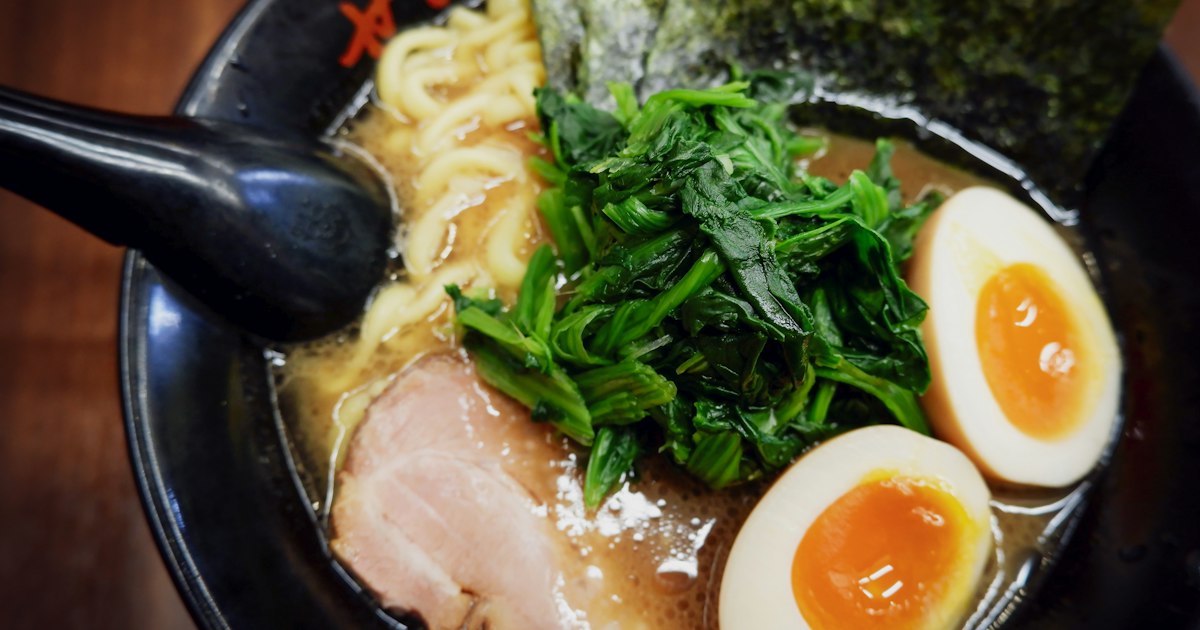
Photo by Susann Schuster on Unsplash
Tantanmen (担々麺) is the bowl that convinces skeptical visitors that Japanese ramen isn’t just soy sauce and pork fat. Built on a base of ground sesame paste, chili oil, and minced pork, it’s richer and spicier than a standard shoyu or miso bowl, and it has a cult following in Tokyo that borders on obsessive. If you only have room for one “adventurous” ramen on your trip, this is the one worth the detour.
What Is Tantanmen, and Why Does It Taste Different From Chinese Dan Dan Mian?
Tantanmen is Japan’s adaptation of Sichuan’s dan dan mian, and the two dishes have diverged enough that ordering “tantanmen” in Chengdu would get you something unrecognizable. The person usually credited with bringing the dish to Japan is Chen Kenmin, a Sichuan-born chef who settled in Tokyo after World War II and opened Shisen Hanten, now based in Ikebukuro’s Sunshine City complex. Chen’s version swapped out some of the original’s pickled vegetables and dry, sauce-coated noodles for a soup built on sesame paste and chicken or pork broth, making it milder, nuttier, and more approachable for Japanese palates. That soupy, sesame-forward style is what most ramen shops across Japan now serve when the menu says tantanmen, though chili oil levels vary wildly from “pleasantly warm” to “bring a second drink.”
Where to Try It in Tokyo: From Fiery Cult Favorites to the Dish’s Birthplace
The shop most visitors ask about by name is Kikanbo (鬼金棒) near Kanda Station, a few minutes from Akihabara. It’s known for turning up the heat and numbing Sichuan pepper (mala) dial to levels most Western chili-heads haven’t encountered, and it draws a line at lunchtime almost every weekday. A bowl runs roughly ¥950–1,150, and the shop keeps things simple: there’s a ticket machine, a handful of spice-level choices, and very little room for customization once you’ve ordered — don’t expect to negotiate.
If you’d rather trace the dish to its roots, Shisen Hanten in Ikebukuro serves a gentler, more broth-forward tantanmen that reflects Chen Kenmin’s original recipe rather than the modern “as spicy as possible” trend. It’s pricier than a typical ramen shop (lunch sets often run ¥1,500–2,500) because it operates more like a proper Sichuan restaurant than a quick noodle counter, but it’s worth it if you want to understand where the genre started before chasing the spicier interpretations.
Soupless Tantanmen: The Machida-Style Detour Worth Taking
A parallel tradition worth knowing about is shirunashi tantanmen (汁なし担々麺), or “soupless tantanmen,” a style strongly associated with the Tokyo suburb of Machida. Instead of a ladle of broth, the noodles are tossed in a thick, glossy sauce of sesame, chili oil, and minced meat, closer in spirit to the original Sichuan dish than the soup-based Tokyo norm. It’s messier to eat — expect sauce splatter — and intensely flavored since there’s no broth to dilute it. If your itinerary already includes western Tokyo or you’re transferring through Machida on the Odakyu line, it’s a worthwhile 20-minute stop rather than a dedicated day trip.
How to Order Without Getting Burned (Literally)
Most dedicated ramen shops, including Kikanbo, use ticket vending machines at the entrance — insert cash, press the button for your bowl and spice level, and hand the ticket to staff. English menus and spice-level translations are increasingly common but not guaranteed, so it helps to know a few words: karai (辛い) means spicy, and shops offering adjustable heat usually post a numbered scale near the machine. Order one level milder than you think you want on your first visit — Japanese “medium” at a tantanmen specialist can still be sinus-clearing, especially with the Sichuan peppercorns used for mala heat, which numb rather than just burn. Many shops also offer rice on the side for scooping up leftover sauce or broth, which is a normal and expected way to finish the bowl, not a faux pas.
Before you dig in, you’ll typically get an oshibori (wet hand towel) to wipe your hands — using it properly is one of those small rituals covered in our oshibori etiquette guide, and it’s genuinely useful before a dish this messy to eat.
Prices, Hours, and Getting There
A standard bowl of tantanmen in Tokyo falls between ¥900 and ¥1,300, with toppings like extra chashu pork or a soft-boiled egg adding ¥150–300. Posted menu prices are almost always tax-included at casual ramen counters, but it’s worth knowing why that’s not universal across Japan — see our explainer on Japan’s consumption tax and sticker prices if you’re budgeting for a longer trip.
Specialist tantanmen shops tend to keep ramen-shop hours: open around 11:00 for lunch, closing in the afternoon, then reopening around 17:00–18:00 for dinner, with many closing one day a week (often Sunday or a weekday). Hours do shift seasonally and shops occasionally close for staff holidays, so check the shop’s social media or a map listing the morning of your visit rather than relying on an old guidebook. Kikanbo’s Kanda location is a 5-minute walk from Kanda Station (JR Chuo/Sobu lines or Tokyo Metro Ginza line) and about 10 minutes from Akihabara, making it an easy add-on to an electronics-district afternoon. Shisen Hanten in Ikebukuro is inside the Sunshine City shopping complex, directly connected to Ikebukuro Station via underground walkways.
Common Mistakes First-Timers Make
- Underestimating the heat. Mala numbing spice builds over the course of a bowl rather than hitting all at once — don’t judge the spice level from the first bite.
- Showing up at peak lunch (12:00–13:00). Popular shops like Kikanbo routinely have 20–30 minute queues on weekdays; arriving by 11:30 or after 13:30 cuts the wait significantly.
- Asking for heavy customization. Unlike a teishoku set lunch where substitutions are more flexible (see our teishoku ordering guide for that style of meal), single-dish ramen shops usually have fixed recipes; the only real choice is spice level and toppings.
- Skipping the rice. A small bowl of plain rice (often ¥100–150) is the standard move for finishing off leftover sauce — don’t let it go to waste.
Best Time of Year (and Day) to Slurp Tantanmen
Tantanmen is a year-round dish, but it earns its keep most in winter, when the combination of hot broth, sesame richness, and chili heat is genuinely warming against Tokyo’s cold, dry air. In midsummer, the same bowl can feel like overkill with the city’s heat and humidity — plenty of locals switch to cold tsukemen or hiyashi chuka noodles instead, though the die-hard spicy-food crowd eats tantanmen in August just as happily. Weekday lunch (11:00–13:30) is the most reliable time to get a seat without a long wait; dinner service tends to be quieter but some specialist shops close earlier in the evening than general ramen-ya, so don’t leave it until 21:00 and assume you’ll get fed.