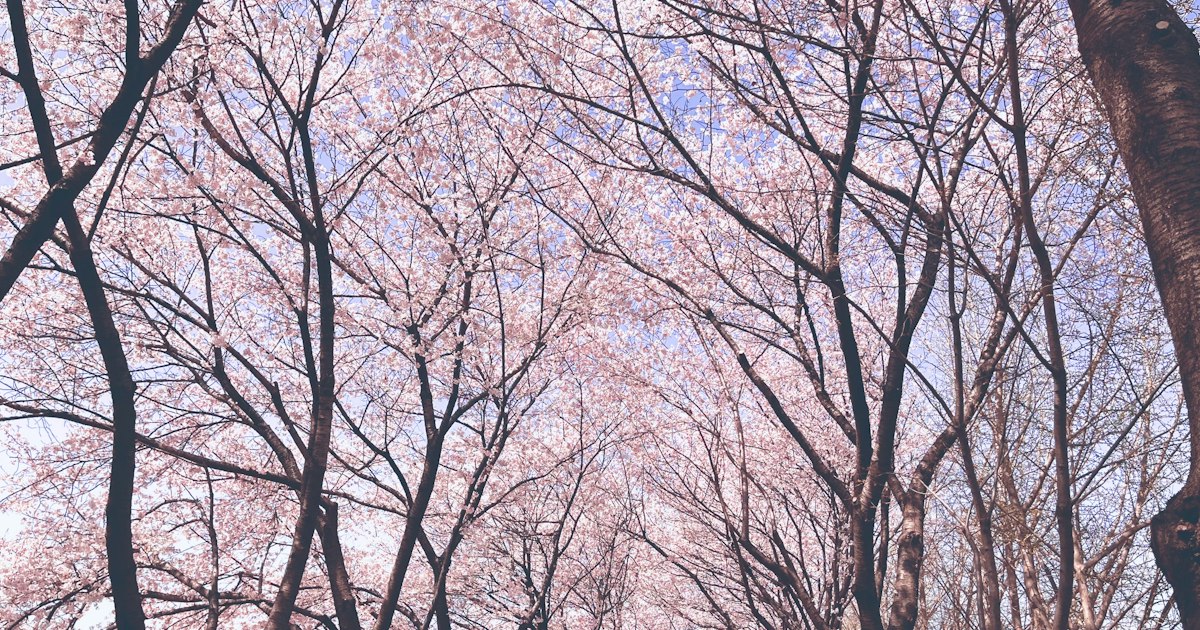
Every spring, Japan’s parks turn into open-air dining rooms. Blue plastic tarps spread under blooming cherry trees, convenience store beer cracks open at 10am, and office workers take “reserving the spot” duty as seriously as a client meeting. For a visitor, hanami (flower viewing) looks simple — bring a blanket, sit under a tree, enjoy the view. But there’s a real etiquette system underneath it, and breaking it (even accidentally) can get you some pointed stares or a tap on the shoulder from a park official. Here’s how to do it properly, where to do it, and what it actually costs.
When and Where: Timing the Bloom
Cherry blossoms (sakura) typically peak in Tokyo and Kyoto between late March and early April, though this shifts year to year — the Japan Meteorological Corporation and local tourism boards publish bloom forecasts starting in February. The full bloom (mankai) window lasts only about a week before petals start falling, so flexibility in your travel dates matters more than almost anything else for this activity.
Famous, reliably crowded spots include:
- Ueno Park, Tokyo — open 5am–11pm (the park itself; no entry fee), roughly 1,000 trees along the main path. Closest station: JR Ueno or Keisei Ueno, both a 1–2 minute walk.
- Shinjuku Gyoen, Tokyo — a paid garden (500 yen for adults), which actually works in your favor: it bans alcohol and loud groups, so it’s calmer and easier for solo travelers or families. Open 9am–6pm (last entry 5:30pm), closed Mondays.
- Maruyama Park, Kyoto — free, near Gion, busiest in the evening when the famous weeping cherry tree is lit up.
- Osaka Castle Park — free entry to the grounds, roughly 3,000 trees, with Tenmabashi or Osakajokoen stations nearby.
Weekday mornings (before 10am) are dramatically less crowded than weekend afternoons, when entire company departments and university clubs claim ground by noon.
The Tarp Ritual: How Spot-Reserving Actually Works
The blue plastic tarp (burushiito) is the unofficial uniform of hanami. At popular parks, especially in Tokyo, it’s common and culturally accepted for someone to show up at dawn — sometimes 6 or 7am for a prime noon picnic — roll out a tarp, and leave a bag, a sign, or occasionally a colleague to guard it until the rest of the group arrives. This isn’t queue-jumping; it’s a recognized system, often literally called “the junior staff’s job” in Japanese offices, where the newest hire is sent out early to secure ground for the team’s evening party.
For visitors, the practical takeaway: don’t assume an empty tarp with nothing on it is free to use, even if no one is sitting there. If it’s weighted down with a bag, shoes, or a handwritten sign, it’s claimed. On the other hand, most parks have unofficial size norms — a tarp large enough for 30 people in a park meant for everyone is considered poor form, and park staff or other picnickers may ask a group to shrink it. A 2m x 2m or 2m x 3m tarp for 4–6 people is a reasonable, well-mannered size. You can buy a basic one at any 100-yen shop (Daiso, Seria) for 100–300 yen, which is cheaper than almost anything you’d pack from home.
If you want a guaranteed, low-stress version of this experience rather than competing for ground yourself, some visitors arrange a private guide to handle logistics — see our guide on hiring a private tour guide or concierge service in Japan for when that’s worth the cost, particularly during peak bloom when prime spots fill before 9am.
What to Actually Bring
You don’t need camping gear. A realistic hanami picnic kit:
- Tarp or picnic blanket — 100–500 yen at a 100-yen shop or outdoor retailer.
- Food — convenience stores (Lawson, FamilyMart, 7-Eleven) sell dedicated hanami bento boxes every spring, typically 500–900 yen, often with sakura-themed rice or pink-colored items. Supermarkets like Life or Seiyu are cheaper for larger groups.
- Drinks — canned beer or chu-hai (300–250 yen each from a convenience store) is standard in parks where alcohol is allowed. Bring your own cups if sharing bottles; plastic cups are sold in packs of 10 for about 100 yen.
- Trash bags — this is the single most important item. Most Japanese parks have few or no public trash bins, precisely because hanami crowds generate so much waste. Bring your own bags and plan to carry trash out with you.
- A portable fan or paper fan for early-April warmth once the sun is up — the folding paper fan or paddle-style uchiwa sold at festival stalls and souvenir shops works well here; see our guide to uchiwa, Japan’s flat paddle fan, for where to find good ones and which festivals hand them out free.
Food and drink prices at convenience stores include Japan’s consumption tax already baked into the shelf price in most cases, but it’s worth understanding why some receipts still show a separate tax line — our explainer on Japan’s consumption tax covers the dine-in vs takeout rate difference, which matters if you buy hot food to eat in the park (takeout rate is 8%, not 10%).
Table Manners Under the Trees
Hanami food is usually eaten with disposable chopsticks straight from a bento box, and the same chopstick taboos apply outdoors as at any restaurant table — don’t stick chopsticks upright in a rice bowl, don’t pass food chopstick-to-chopstick, and don’t point them at people while talking. If you’re unsure of the details, our guide to chopstick taboos in Japan covers the ones most likely to come up at a casual group meal like this.
Shoes are generally fine to keep on when sitting on a tarp in a public park (unlike indoor settings), but it’s polite to sit at the tarp’s edge if you’re joining a group you don’t know well, and to avoid stepping directly across someone else’s food or drinks.
Common Mistakes Visitors Make
- Picking or shaking branches for photos. This damages trees that take decades to mature and is explicitly prohibited in most parks, sometimes with posted signs and patrol staff.
- Leaving trash behind. Park cleanup crews after peak bloom weekends are a known civic embarrassment in Japan; leaving garbage under “your” tree reflects badly on foreign visitors specifically when it happens, since locals notice.
- Assuming all parks allow alcohol. Shinjuku Gyoen bans it outright. Some smaller municipal parks restrict it during peak weekends due to past incidents. Check signage at the entrance.
- Overstaying a reserved tarp spot you didn’t actually reserve. If you see a totally bare patch of grass with no tarp at all, that’s fair game — but a tarp with any items on it, even seemingly abandoned ones, should be treated as occupied.
- Bringing speakers for loud music. Quiet conversation and music low enough not to carry to neighboring groups is the norm; blasting speakers draws complaints fast, especially in parks near residential areas.
Budget, Mid-Range, and Splurge Options
Budget (under 1,500 yen per person): Convenience store bento, canned drinks, a 100-yen tarp, free park entry. This is how most locals do it.
Mid-range (2,000–4,000 yen per person): Pre-order a hanami bento from a department store food hall (depachika) — these run 1,500–3,000 yen and are noticeably better quality, with seasonal sashimi, tempura, and sakura-mochi. Add a bottle of sake (800–1,500 yen) to share.
Splurge (8,000 yen+ per person): Some hotels and restaurants near famous bloom spots — the Chidorigafuchi moat area and parts of Kyoto’s Philosopher’s Path among them — offer reserved hanami terrace seating or boxed kaiseki-style hanami meals with table service, no tarp-guarding required. These sell out fast and are usually bookable only a few weeks ahead once bloom forecasts firm up.
However you approach it, the core etiquette boils down to three things: don’t claim more ground than your group needs, don’t damage the trees, and carry your trash out. Get those right and you’ll fit in just fine under the blossoms.