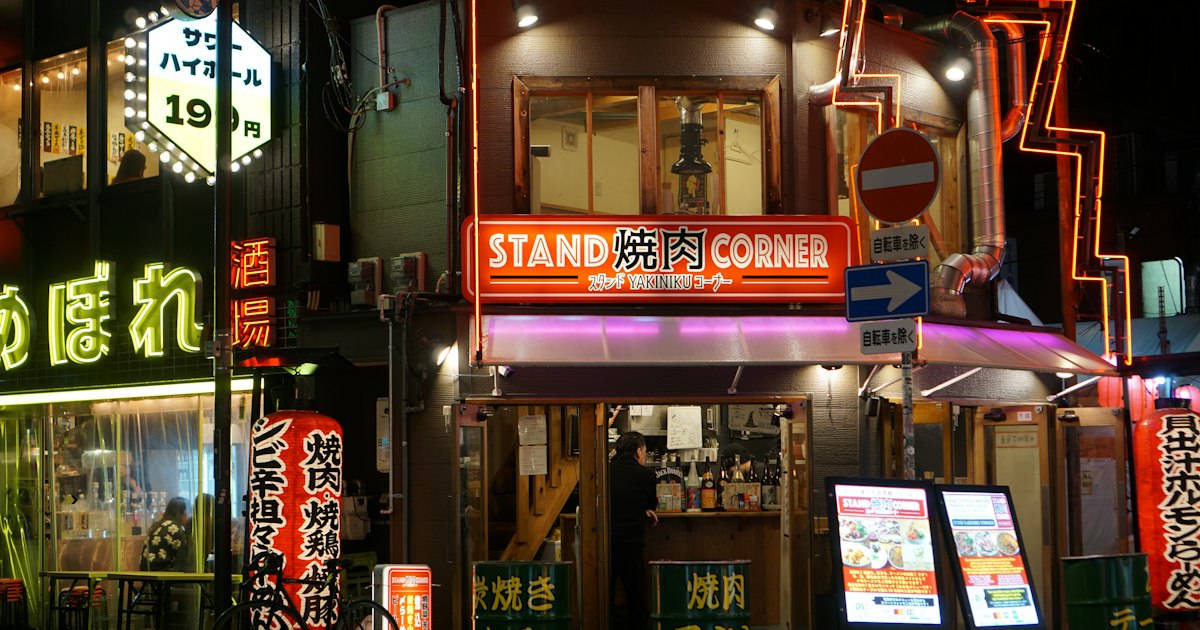
Photo by Yihui Chan on Unsplash
Horumon is the part of the yakiniku menu most tourists skip past without realizing they’re missing the best table in the room. Grilled beef and pork offal — intestine, stomach, heart, liver — cooked tableside over charcoal and dipped in a sweet-savory miso or soy sauce, horumon is cheap, smoky, and deeply regional in a way that rewards a little homework before you sit down. Here’s how to order it like you’ve done this before.
What Horumon Actually Is
“Horumon” (ホルモン) covers grilled offal cuts served yakiniku-style — on a tabletop charcoal or gas grill, cooked a few seconds per side, dipped in sauce, eaten immediately. The word itself is a bit of culinary folklore: one popular theory traces it to “hormone” (as in, food that gives you energy/vigor), another to a dialect pun on “horu mono” (捨てる物, “things to throw away”), a nod to the fact that these cuts were cheap scraps before they became a beloved category of their own. Common cuts you’ll see on a menu:
- Shiro / Hachinosu — small and large intestine, chewy with a mild funk, often grilled until the edges crisp
- Mino — beef stomach (first chamber), thick and springy
- Rebaa — liver, usually served rarer and softer, sometimes as a sashimi-adjacent “reba yukke” where regulations allow
- Hatsu — heart, firm and almost nutty
- Teppo / Shima-cho — rectum and the fattier large intestine, prized by horumon regulars for the richness
- Tetchan — a catch-all Kansai term for grilled intestine generally
Expect a chewier, fattier texture than prime beef yakiniku cuts — this is not a delicate dish, and that’s the appeal.
Where the Tradition Comes From
Horumon yakiniku is inseparable from the history of Japan’s ethnic Korean community, particularly in Osaka. In the post-war decades, Korean-Japanese butchers and restaurateurs in neighborhoods like Tsuruhashi built a cuisine around the offal cuts that mainstream Japanese butchers didn’t want, seasoning them with garlic, sesame oil, and gochujang-inflected sauces drawn from Korean cooking. That history is why Osaka, not Tokyo, is still considered the horumon capital of Japan, and why the best spots tend to cluster in old Korean-town districts rather than glossy city-center yakiniku chains.
How to Order Without Wasting Your Visit
Most horumon-focused restaurants run on one of two models: an à la carte menu where individual plates run roughly ¥400–900 per cut, or a course (kosu) / all-you-can-eat (tabehoudai) format priced ¥2,980–4,500 per person for 90–120 minutes, often with a drink package added for another ¥1,000–1,500. For a first visit, the course format is genuinely useful — it removes the guesswork of ordering unfamiliar cuts one at a time and usually includes a sampler of 6–10 different parts.
A few ordering habits that mark you as someone who knows what they’re doing:
- Order fatty cuts (shima-cho, hachinosu) and leaner cuts (hatsu, rebaa) together and alternate — the fat resets your palate between the leaner pieces.
- Don’t flip the meat constantly. Most horumon cuts need real contact time to render and crisp; set it down, wait, flip once.
- Ask for the tare (sauce) to be served on the side if you want to control saltiness — many places pre-marinate the meat, so dipping again can oversalt it.
- Pace your charcoal grill — a server will usually swap it when it’s dying down about halfway through a meal; don’t be shy about asking.
Best Places to Try It: Osaka First
Tsuruhashi, reachable via JR Osaka Loop Line, Osaka Metro Sennichimae Line, or the Kintetsu Nara/Osaka Lines, is the single best neighborhood in Japan for horumon. Step off at Tsuruhashi Station and walk into the covered Korea Town arcades — dozens of smoke-filled, lantern-lit horumon joints, many open from around 17:00 to midnight, with a handful running lunch service too. If you’re sorting out which Kansai rail operator gets you there fastest from your hotel, our guide to Kansai’s private railways covers how Kintetsu and the others compare to JR for this kind of cross-city trip.
In Tokyo, look to Kitasenju, Sanya (near Minami-Senju), and the Hoppy Street alley in Asakusa, where old-school motsuyaki (a close cousin of horumon, usually skewered rather than grilled whole) has been served alongside Hoppy, a low-malt beer substitute, since the postwar black-market years. If you’re doing an Asakusa horumon crawl, it’s an easy walk over to Kamiya Bar for an Electric Brandy afterward — a very different, but equally historic, Asakusa drinking tradition.
Budget, Mid-Range, and Splurge
Budget (¥2,500–3,500): Standing or counter-seat horumon-yaki stalls in Tsuruhashi or Shinsekai, often cash-only, with no English menu — point at what looks good or ask for “omakase” (chef’s choice) and a beer.
Mid-range (¥3,500–6,000): Tabehoudai courses at sit-down yakiniku restaurants, usually with a laminated photo menu, table service, and a 90–120 minute time limit. This is the sweet spot for first-timers who want variety without the gamble of blind ordering.
Splurge (¥8,000–15,000+): A handful of Osaka and Tokyo restaurants now treat horumon as a premium ingredient, sourcing specific-breed Wagyu offal and pairing it with natural wine or aged shochu, served as an omakase course. Reservations are essential, often only by phone, and same-day walk-ins are rarely accepted.
Timing and Mistakes to Avoid
Horumon restaurants are a dinner tradition — most don’t open until 17:00 or 18:00, and the best Tsuruhashi spots get loud and crowded from about 19:00 on weekends, so arrive by 18:00 if you want a seat without a wait. There’s no strong seasonal angle here (unlike, say, summer-only dishes), though winter visits mean the smoky, fatty richness lands especially well against the cold.
The most common mistake: ordering only the famous names (mino, rebaa) and skipping the stranger cuts, then wondering why the meal felt generic. The whole point of horumon is the range of textures — ask your server which cut is their personal favorite that day; most will happily steer you. The second mistake is treating it like upscale wagyu yakiniku and expecting thin, delicate slices — these are working-class cuts built for bold seasoning and long grill contact, and judging them by prime-beef standards misses what makes them good. If you’re already comfortable with offal and want to push further into Japan’s nose-to-tail traditions, Okinawa’s pickled pig ear dish mimiga is a logical next stop on the same culinary thread.
Finally, don’t skip the rice. Most horumon restaurants serve a simple garlic rice or stone-bowl bibimbap-style dish toward the end of the meal, cooked in the leftover grill fat and pan drippings — it’s often the best bite of the night, and ordering it only at the very end (after your course or tabehoudai window has nearly closed) is the standard move among regulars.