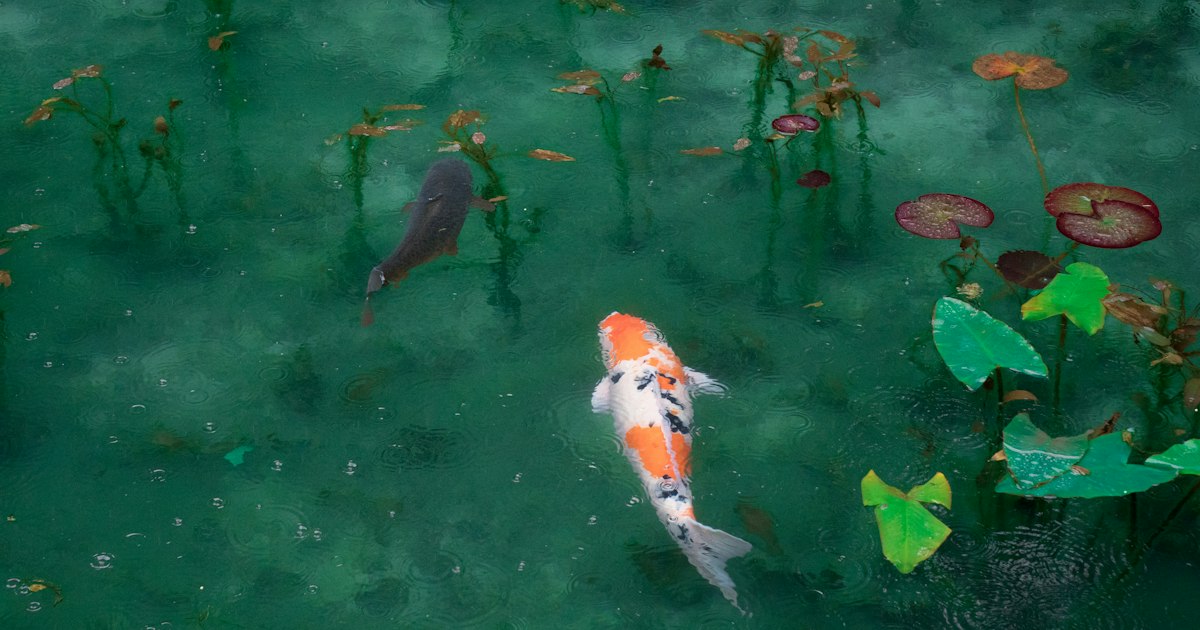
Photo by Sora Sagano on Unsplash
Nishikigoi — the ornamental koi carp that collectors around the world pay anywhere from a few thousand yen to the price of a house for — aren’t a souvenir you pick up on a whim. Buying one properly means understanding where they’re bred, when to see them at their best, and how Japan’s export rules actually work. This guide covers the practical side: where to go, what things cost, and how to get a living fish from a Niigata mud pond into your home pond legally.
Why Niigata Is Ground Zero for Nishikigoi
Nishikigoi originated roughly 200 years ago in the mountain villages around what is now Ojiya City and the former Yamakoshi village, in Niigata Prefecture. Rice farmers there kept black magoi carp in irrigation ponds for food, and occasional color mutations — red, white, orange scales — were selectively bred into the ornamental varieties known today as Kohaku, Showa, Sanke, and dozens of other patterns. Niigata remains the spiritual and commercial center of the hobby, home to most of the farms whose bloodlines dominate international koi shows.
Ojiya and the surrounding Nagaoka area are a roughly two-hour ride on the Joetsu Shinkansen from Tokyo Station to Nagaoka or Urasandai, followed by a local taxi or rental car, since most farms sit in rural valleys without convenient bus service. If you’re combining the trip with other animal or aquatic sightseeing in Tokyo first, the Sunshine Aquarium in Ikebukuro is a reasonable warm-up, though its collection is marine rather than koi.
When to Go: The Autumn Harvest Season
Timing matters more with koi than almost any other purchase in Japan. From late spring through summer, young koi are raised outdoors in large mud ponds (doike), where algae and natural food develop their color and body shape far better than tank-raised fish. In October and November, farms drain these ponds for the annual harvest (agebi), and this is when breeders and dealers get their first look at a season’s best fish. If you want access to the highest-quality show koi, visiting during harvest season is non-negotiable — by December, the best fish are already earmarked for domestic and overseas dealers, and selection narrows fast.
Winter (December–February) is workable for visiting farms and placing orders, but the fish are kept indoors in concrete mud ponds or tanks and you won’t see this year’s full harvest on display. Spring is mainly for buying young, unproven koi (tosai, one-year-old fish) at lower prices, which suits hobbyists happy to gamble on how a fish will develop.
Where to See and Buy: Farms, Auctions, and Nishikigoi no Sato
Most reputable Niigata farms — names like Dainichi Koi Farm, Sakai Fish Farm, and Marudo are well known internationally — welcome serious buyers by appointment rather than as drop-in retail shops, since their best stock is sold to export dealers and show competitors. Email or call ahead, and expect staff to speak limited English; many farms work through English-speaking export agents who can translate and arrange shipping on your behalf.
For a more tourist-friendly introduction, Nishikigoi no Sato in Ojiya is a dedicated facility with display ponds, a small museum on koi history and genetics, and a retail area where smaller koi are sold outright. It’s a good first stop to learn to read body shape and pattern before you start spending real money at a farm. During harvest season, local auction houses in the Ojiya/Yamakoshi area also hold koi auctions where dealers and collectors bid on freshly harvested fish — these are worth watching even if you don’t bid, since seeing prices get set in real time teaches you more about grading than any brochure will.
How Koi Are Priced and Graded
Price depends on variety, bloodline, size, and how clean the pattern and skin quality are — the same fish can be worth ten times more or less depending on small differences a trained eye will spot immediately and a beginner won’t.
- Budget (¥3,000–¥15,000): Young tosai koi, 15–25cm, unproven adult coloring, sold at farms or Nishikigoi no Sato’s retail counter.
- Mid-range (¥50,000–¥500,000): Adult show-quality koi from a known bloodline, 45–65cm, with clean pattern and good body shape — the range most serious hobbyists buy in.
- Splurge (¥1,000,000+): Grand champion bloodline or competition-winning fish, sold at auction or by private sale through top farms; record sales for elite specimens have run into the tens of millions of yen.
Ask for the parent fish’s show history if a farm claims a premium bloodline — legitimate dealers will show you photos or certificates without hesitation.
Exporting Your Koi: Paperwork and Shipping
You cannot simply put a koi in your carry-on. Export requires an animal health certificate issued by Japan’s Animal Quarantine Service, and because koi can carry Koi Herpesvirus (KHV), most importing countries — the US, EU members, Australia, and others — require the fish to be tested KHV-free and quarantined for a set period before the certificate is issued. This process is standard but takes time, typically a few weeks, so build it into your trip planning rather than assuming you can buy and ship within days.
In practice, almost no foreign buyer handles this paperwork alone. Established Niigata farms and dedicated export agents (several operate specifically out of the Ojiya/Nagaoka area) manage the health certificate, packing, and air freight as a package service, usually quoting a flat fee per fish or per box on top of the purchase price. Fish travel in double-bagged, oxygenated water inside insulated boxes as air cargo, then clear your home country’s import inspection — check your destination’s specific import permit requirements (the US, for instance, requires advance notice to USDA/APHIS for live animal imports) before you buy, not after.
Common Mistakes to Avoid
- Buying without an export plan. Confirm your home country’s import rules and find an agent before you fall in love with a specific fish — some countries effectively make certain import routes impractical.
- Judging color under pond lighting. Koi often look different in natural outdoor light versus a dealer’s display tank; ask to see the fish outside if possible.
- Skipping quarantine on arrival. Even with a clean export certificate, quarantine new koi separately from an existing pond for at least two weeks at home.
- Underestimating total cost. The purchase price is often the smallest line item once you add health testing, packing, air freight, and your home country’s import handling fees.
If you’re building a broader Japan shopping itinerary around specialty, collector-grade purchases, the same care-before-you-commit approach applies to other niche buys — see our guide to Visvim’s cult streetwear for a similar case of knowing exactly what you’re paying for before handing over your card. And if koi patterns spark an interest in traditional dyeing crafts more broadly, Tokyo’s Edo Komon kimono dyeing uses a comparably fine eye for pattern and color.
Planning the Trip
A realistic itinerary pairs a Tokyo base with a day or overnight trip to Niigata during harvest season: Shinkansen to Nagaoka (around two hours from Tokyo, roughly ¥10,000–¥11,000 one-way unreserved), a rental car or taxi out to Ojiya and the farms, and a buffer day in case an auction or farm viewing runs long. Contact farms in advance in English if possible, bring a translation app, and budget both the time and money for proper export handling — the fish is the easy part; getting it home is where the planning pays off.