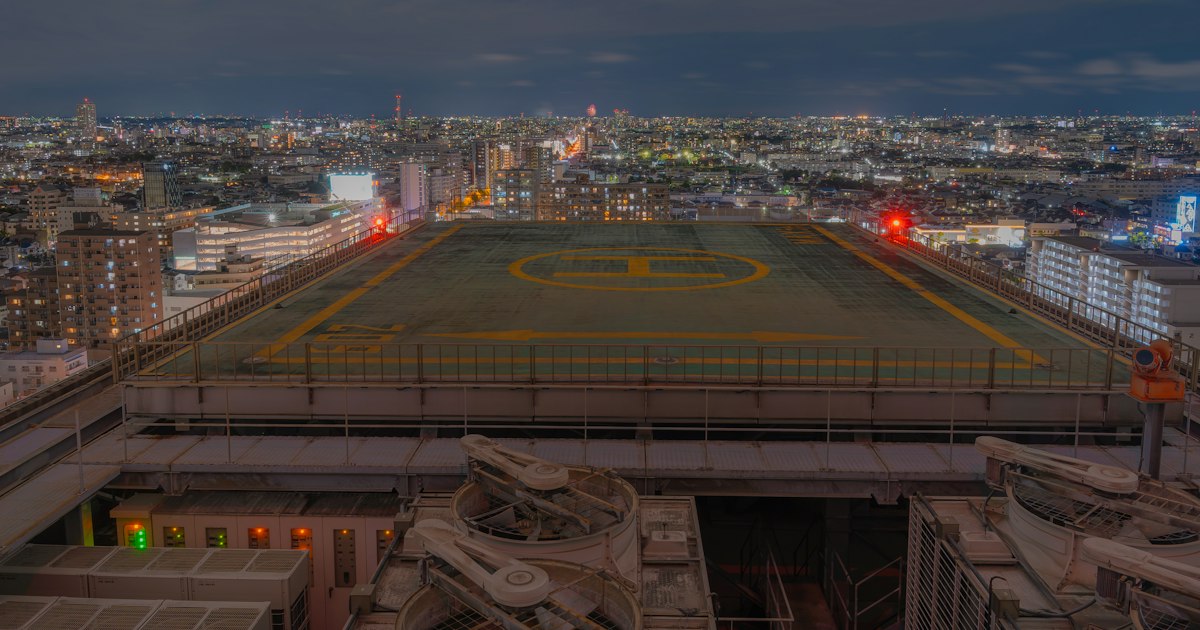
Photo by mos design on Unsplash
Most visitors heading to Ikebukuro are chasing anime shops or department stores, which is exactly why Sunshine Aquarium catches people off guard: it’s a full-sized aquarium sitting on the rooftop of a shopping and office complex, with penguins swimming in a donut-shaped tank over your head and sea lions paddling against a backdrop of the Tokyo skyline. It’s smaller and more compact than Tokyo’s harbor-side aquariums, which actually makes it one of the easier “big attraction” stops to slot into a single afternoon. Here’s what you need to know before you go.
What Makes Sunshine Aquarium Different
The aquarium is built on the rooftop of the World Import Mart Building inside the Sunshine City complex, roughly ten floors up, which gives it a layout unlike most aquariums you’ll have visited. Indoor galleries on the lower level cover jellyfish, coral reef fish, and a dim, slow-paced “deep sea” corridor, while an escalator leads up to the open-air rooftop section, branded “Sora no Oasis” (Oasis in the Sky). Up there, sea lions swim in a pool that puts the city skyline directly behind them, and water monitor lizards bask on a sun deck a few feet from the walkway. The signature attraction is the “Sunshine Aqua Ring,” a donut-shaped tank suspended above a walking path where penguins and fish circle overhead — it’s the single most-photographed spot in the building, so expect to wait a minute or two for a clear shot during busy hours.
Hours, Tickets, and What It Actually Costs
Standard hours run roughly 10:00–18:00 on weekdays and 10:00–21:00 on weekends and holidays, but Sunshine Aquarium extends evening hours for its “Sunshine Aquarium × Sky Night” program from around late April through October, when the rooftop gets mood lighting and some animal feedings move to later time slots. Because hours shift by season and sometimes by special event, always check the official Sunshine Aquarium website for the current calendar before you build your day around it — this is one of the most common planning mistakes, since visitors assume closing time is fixed year-round.
As a rough budget guide: adult admission (high school age and up) runs in the ¥2,600–2,800 range, elementary and junior high students around ¥1,300–1,400, and young children (roughly age 4 and up) around ¥700–800. Toddlers under that age are typically free. Advance tickets bought online are usually a little cheaper than paying at the door and let you skip the ticket-counter line, which matters most on weekend afternoons. If you’re traveling with kids and want to stretch the budget further, go early on a weekday — the rooftop sea lion and penguin feedings are shown multiple times a day, so arriving right at opening doesn’t mean missing the best moments.
Pairing It With the Sunshine 60 Observation Deck
Ikebukuro’s other rooftop draw is a few minutes’ walk away inside the taller Sunshine 60 tower: SKY CIRCUS Sunshine 60 Observatory, a 60th-floor observation deck that mixes city views with digital art installations and VR-style attractions. It’s a separate building and a separate ticket from the aquarium — they’re not combined under one admission, so don’t assume one ticket covers both. If you want to do both in a day, the aquarium is best in daylight for the rooftop animal areas, while the observation deck is worth saving for later in the afternoon or early evening, when you can watch the sky change color over western Tokyo and, on a clear winter day, spot Mount Fuji on the horizon.
Getting There
Sunshine City is about an 8-minute walk from Ikebukuro Station’s East Exit — follow signs for “Sunshine City” through the covered shopping streets, which is a relief if it’s raining. If you’d rather not navigate on foot, a free shuttle bus runs between Ikebukuro Station and Sunshine City at regular intervals throughout the day. Ikebukuro Station itself is sprawling, with multiple train lines converging on different levels, so budget extra time to find your exit, and be mindful of which side of the escalators you’re meant to stand on — Tokyo’s escalator convention differs from Osaka’s, and locals notice quickly if you block the passing side during rush hour. If you’re taking a seat on the train in, keep in mind Japan’s priority seating rules apply even on short hops like the Yamanote Line loop that most visitors use to reach Ikebukuro.
Best Time to Visit and Common Mistakes
Weekday mornings right after opening are the quietest window by far — Sunshine City draws heavy weekend foot traffic from both the aquarium and the surrounding shops, and the Aqua Ring penguin tank gets genuinely crowded by early afternoon on Saturdays. If you can only go on a weekend, aim for the first hour after opening or the last ninety minutes before close.
A few mistakes worth avoiding: first, don’t skip checking the seasonal hours — summer’s extended night hours are a draw in themselves (cooler temperatures, different lighting, later feeding shows), but they don’t apply outside that window. Second, the rooftop section is genuinely outdoors and unshaded, so in July and August it gets hot fast; if you’re prone to sunburn, the kind of UV-cut arm covers and cooling towels sold throughout Japan are worth packing for the rooftop walk, not just for outdoor sightseeing elsewhere in the city. Third, don’t assume the aquarium and the Sunshine 60 Observatory share a ticket or are in the same building — buy tickets separately and allow walking time between them. Finally, bag storage is limited near the entrance, so if you’re arriving with luggage (easy to do if Ikebukuro is a stop on a longer Tokyo itinerary), use a coin locker in the station or mall concourse before heading up.
Budget, Mid-Range, and Splurge Approaches
On a tight budget, buy a standard adult ticket online in advance, skip the Sunshine 60 Observatory, and treat the aquarium as a self-contained two-hour visit. For a mid-range day, combine the aquarium with the observation deck and a meal somewhere in Sunshine City’s restaurant floors, turning it into a half-day Ikebukuro outing. If you want to splurge, time your visit for the summer night aquarium hours, when the rooftop lighting and later feeding shows make for a noticeably different atmosphere than a daytime visit — effectively two experiences for one admission price, just on different days or seasons.
Sunshine Aquarium won’t rival the scale of Tokyo’s largest marine parks, but its rooftop setting is genuinely unusual, and it’s one of the few Tokyo attractions where “which floor is the aquarium on” is a real question with a real answer: the roof.