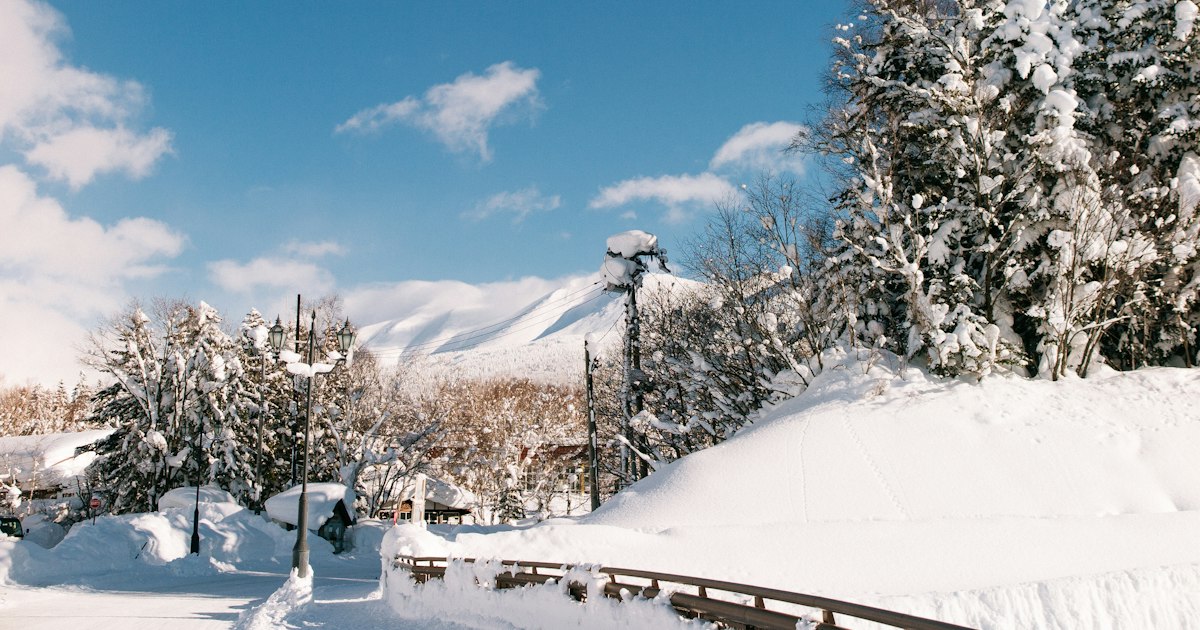
Photo by Natalie Su on Unsplash
If you’ve ever dragged a 160cm ski bag and a 23kg suitcase through a Shinkansen transfer, you already know why Japan’s takkyubin (宅急便) courier network is one of the best-kept secrets for ski trips. Instead of hauling gear onto trains and buses, you can hand it to a counter a day or two before you travel and pick it up waiting in your hotel room — then do the same in reverse on the way home. This guide covers how the counters actually work, what they cost, and the mistakes that trip up first-timers during Japan’s winter season.
Why Ski Resorts Rely on Courier Shipping
Most Japanese ski towns — Niseko, Hakuba, Nozawa Onsen, Zao, Shiga Kogen — are a train-plus-bus combination from the nearest Shinkansen stop, and Japanese trains have very little luggage space. Carrying ski bags, boot bags, and suitcases through a packed platform transfer, onto a local bus with a narrow aisle, is genuinely difficult. Yamato Transport (known by its black cat logo, “Kuroneko Yamato”) and Sagawa Express solved this decades ago by building a nationwide next-day delivery network with counters at exactly the points where travelers get stuck: airports, Shinkansen stations, konbini, and resort-town hotels.
The system is the same one Japanese people use to send souvenirs and even golf bags around the country — you’re just applying it to ski gear and suitcases.
How the Counters Work
You fill out a simple slip (name, phone number, destination address — your hotel’s name and address is enough) at a staffed counter, or hand your items to staff at a hotel front desk who will arrange the same pickup. Payment is made on the spot in cash or by card. There’s no need to book online in advance for a basic domestic shipment; you just need the destination hotel’s address and ideally its phone number, which any hotel confirmation email provides.
Ski and snowboard bags are shipped as a separate category from ordinary luggage (often called “ski takkyubin” or ski/board-specific pricing), sized by total length — typically bands around 120cm, 140cm, 160cm, and 180cm+. Suitcases are priced by the sum of their three dimensions, usually in bands like 100, 120, 140, and 160 (where 160 covers most large check-in suitcases).
Where to Find Counters
- Airports: Narita, Haneda, New Chitose (Sapporo), and Kansai all have Yamato and/or Sagawa counters in the arrivals area, usually open roughly 7:00/8:00am to 8:00/9:00pm, letting you ship bags straight to your ski hotel the moment you land.
- Shinkansen and major stations: Stations like Tokyo, Ueno, Nagano, and Shin-Osaka have baggage forwarding counters near the main concourse. If your route includes a transfer at a hub station, it’s worth planning around it the same way you’d plan a Shinkansen-to-Shinkansen transfer — knowing where the counter sits relative to your platform saves real time.
- Convenience stores: Many Lawson and some Family Mart locations accept Yamato takkyubin drop-offs at the register, which is useful if you’re nowhere near a dedicated counter — though staff there generally can’t help you box or measure oversized ski bags.
- Hotels and ryokan: Front desks in ski towns routinely handle both outbound and return shipping for guests, and this is usually the easiest option since staff already know the correct resort addresses and seasonal pricing.
- Japan Post: Post offices offer a comparable domestic parcel service (yu-pack) as a cheaper but slightly slower alternative to Yamato or Sagawa; if you’re already comparing Japan Post’s counter services for other errands, see our guide on sending money home from Japan, which covers what Japan Post counters can and can’t do for visitors.
Costs and Delivery Times
Pricing depends on size and distance, so treat these as realistic ranges rather than fixed quotes:
- Suitcase, same region (e.g., Tokyo to Nagano/Niigata ski areas): roughly ¥1,500–¥2,500 for a large suitcase, next-day delivery in normal conditions.
- Suitcase, longer haul (e.g., Tokyo to Hokkaido): often ¥3,000–¥4,500, usually arriving the following day or two days later.
- Ski or snowboard bag: typically ¥2,000–¥4,000 within Honshu depending on length and distance, more for Hokkaido shipments.
- Boot bags or smaller items: often under ¥1,500 if shipped in the smallest size band.
The catch is timing. During peak season — late December through early January, and around Chinese New Year in late January/February — the network is at capacity, and resort-bound parcels can take an extra day or two versus the usual next-day turnaround. Ship two to three days ahead of arrival during these windows rather than relying on standard next-day timing, and always confirm your hotel will hold ski bags at the desk if you arrive before them.
Step-by-Step for First-Timers
- Pack ski/board gear in a padded bag and lock your suitcase; courier staff handle items roughly, and bags go through sorting facilities.
- Write your hotel’s name, address, and phone number clearly, or have the counter staff input it from your reservation confirmation (showing the email on your phone works fine).
- Specify the arrival date you want — Yamato and Sagawa let you choose a delivery date, which is useful if you’re arriving a day after your gear.
- Keep the stamped receipt slip; it has a tracking number and is needed if a bag is delayed.
- For the return trip, ask your hotel’s front desk 1–2 days before checkout to arrange pickup back to the airport or your next hotel — most ski hotels do this daily and know the cutoff times for same-area next-day arrival.
Common Mistakes
- Shipping too close to arrival. Assuming next-day delivery during the New Year or Lunar New Year rush is the single most common error — build in a buffer day.
- Not confirming the hotel will accept early delivery. Smaller ryokan and family-run lodges sometimes have limited storage; call ahead or ask via the booking platform if they can hold a ski bag that arrives before you do.
- Underestimating ski bag size bands. A 170cm ski bag can tip into the next pricing tier; measure before you go to the counter so there’s no surprise at payment.
- Forgetting the return shipment cutoff time. Hotel desks usually need bags by late morning (often around 10–11am) to guarantee next-day arrival at the airport — don’t wait until just before you leave for the slopes on checkout day.
Budget, Mid-Range, and Splurge Approaches
Budget: Use Japan Post’s yu-pack for suitcases if you’re not in a hurry and your resort town has a post office nearby — it’s often a few hundred yen cheaper than Yamato, with a day or two added to delivery time.
Mid-range: Standard Yamato or Sagawa takkyubin from the airport or station counter straight to your ski hotel is the sweet spot most travelers use — reliable next-day service for a predictable fee.
Splurge: Some luxury ryokan and resort concierges will arrange door-to-door forwarding with hotel staff handling every step, including customs-adjacent paperwork if you’re also shipping purchases home. It’s the same logistics mindset behind Japan’s high-end travel products — the kind of door-to-door handling you’d expect from a trip on the Seven Stars cruise train — just applied to getting your skis to the mountain without lifting a finger.
Whichever tier you choose, the core advice is the same: ship early, write the address clearly, and let Japan’s courier network do what it does better than almost anywhere else in the world.