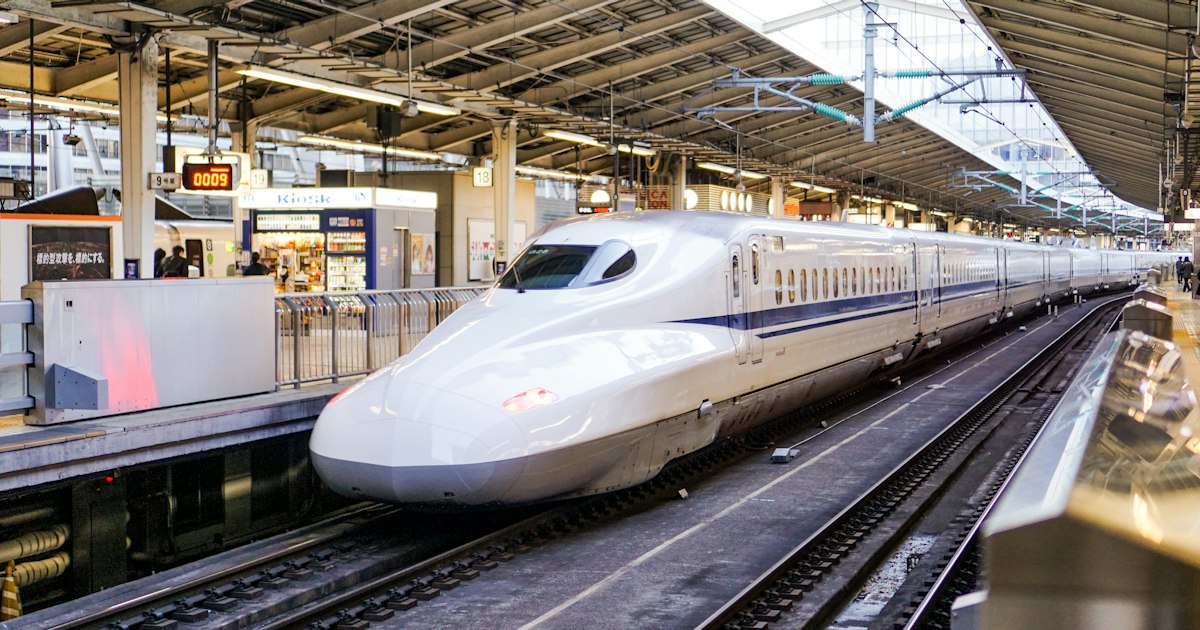
Photo by Fikri Rasyid on Unsplash
Traveling with eight people is a different trip than traveling with two. Trains need reserved blocks, restaurants need advance notice (or they’ll turn you away at the door), and hotels price rooms differently once you’re booking five or more at once. The good news is that Japan has real, usable discount structures for groups — they’re just scattered across different systems and rarely advertised in English. Here’s how to actually use them.
Train discounts: JR Group Tickets and when they actually pay off
Japan Railways offers a “dantai” (団体, group) discount on regular fares for parties of 8 or more traveling together on the same train and route. The standard discount is 10% off base fare for groups of 8-99, and up to 15% for larger school-trip-style groups, though the exact rate varies slightly by JR company (JR East, JR Central, JR West). This discount applies to the base fare only — not the limited express or shinkansen surcharge — so the savings on a short hop are modest, but on a long shinkansen run (say Tokyo to Hakata) it adds up across 8+ tickets.
The catch: you can’t book this online. You need to apply at a JR ticket office (midori-no-madoguchi) at least one day in advance, sometimes up to a month ahead for peak periods like Golden Week or New Year, and all travelers’ details need to be submitted together. If your group is scattered and buying individual tickets, you lose this entirely. A Japan Rail Pass is often simpler for groups doing multi-city itineraries and skips the group-booking paperwork altogether, but note it does not stack with the dantai discount — you pick one or the other. If anyone in your group loses their exchange voucher before converting it to an actual pass, here’s exactly what to do: Lost Your Japan Rail Pass Exchange Voucher? Here’s Exactly What to Do.
One more group-specific headache: IC cards. With 8-10 people tapping through gates in sequence, at least one card will eventually fail to read. Know what to do before it happens so your whole group isn’t stuck at the gate: What to Do When Your IC Card or Ticket Won’t Open a Japanese Train Gate.
Reserving seats as a group without splitting up
Shinkansen cars seat 3+2 across, so groups of 5+ almost never get contiguous seats if booked late or online individually. Book reserved seats (shiteiseki) together at a ticket counter or via a travel agent at least a few days ahead, especially for Friday evenings, Sunday afternoons, and the three big holiday weeks (Golden Week in early May, Obon in mid-August, New Year). For groups of 10+, some JR companies let you book an entire row or half-car block — ask specifically for “dantai-yoyaku” (団体予約) at the window. Off-peak midweek travel (Tuesday-Thursday, outside 7-9am and 5-7pm) gives you the best odds of adjacent seats even without advance booking.
Hotel and ryokan group rates
Business hotels (APA, Toyoko Inn, Route Inn) rarely discount for groups — their rooms are priced per-room regardless of headcount, so a group of 8 is just four double rooms at full rate. Where group pricing actually exists is at larger ryokan and resort-style hotels that have group/conference desks. Ask directly for “dantai waribiki” (団体割引): many ryokan offer 5-10% off per-person rates for parties of 15+ booked as one reservation, often bundled with a private banquet-style dinner room instead of individual meal seating. This is almost never visible on booking sites — you have to call or email the property directly, in Japanese or simple English, and it works best 1-2 months ahead for popular onsen towns.
For big groups splitting across multiple rooms, also compare vacation rentals (minpaku) booked as a single whole-building reservation — a 6-bedroom house can undercut six separate hotel rooms substantially, especially in regional areas outside Tokyo/Kyoto/Osaka core zones. Budget tip: if your group is doing a day trip from a base city and doesn’t want to haul luggage around, use station lockers or a baggage service rather than checking in and out repeatedly — see Luggage-Free Day Trips in Japan: Where to Stash Your Bags at the Station.
Restaurant bookings: the real bottleneck for large groups
This is where most large groups actually struggle, more than trains or hotels. Many izakaya, ramen shops, and casual restaurants in Japan simply cannot seat a walk-in group of 6+ — counter seating and small table layouts are the norm, and staff will often turn you away rather than try to squash you in. For dinner with 6 or more people, call or book online at least a day ahead, and for 10+ expect to need 3-7 days’ notice, especially in dense nightlife districts.
Many izakaya and casual chains offer a “course” (コース) menu for groups — a fixed multi-dish set plus all-you-can-drink (nomihoudai) for a set time, typically 90-120 minutes, at a flat per-person price often in the ¥3,000-¥5,000 range. This is usually cheaper per person than ordering à la carte for a big table and solves the “how do we split this bill” problem in one move — ask for the “kanji-coursu” or nomihoudai course when booking. If your group wants the classic Tokyo bar-crawl experience rather than a formal dinner, note that most of the tiny stalls in Shinjuku’s famous alleys physically cannot hold a group of 6+; split into pairs or trios there instead — see Omoide Yokocho vs Golden Gai: A First-Timer’s Guide to Shinjuku’s Two Legendary Bar Alleys for which alley actually fits larger parties.
For a sit-down cultural meal with a large group, consider booking a home-style cooking class instead of a restaurant — many hosts on cooking-class platforms will take groups of 6-10 for a private session, which sidesteps the restaurant capacity problem entirely and is often better value per person; see Booking a Japanese Cooking Class in a Local Home: Platforms and What to Expect.
Budget, mid-range, and splurge group strategies
- Budget: Use regular JR tickets or IC cards for short city hops (dantai discounts aren’t worth the paperwork under 8 people or short distances), split into pairs for casual food stalls and convenience-store meals, and book a multi-room vacation rental instead of a hotel block.
- Mid-range: Apply for the JR dantai discount on long-distance shinkansen legs, book an izakaya nomihoudai course dinner each night to control costs, and request ryokan group rates by calling ahead rather than booking individually online.
- Splurge: Charter a private dining room or a private boat for a special night — for example, a private fireworks-viewing boat cruise in Tokyo Bay during summer festival season is a memorable way to keep a large group together for an evening instead of fighting crowds on the riverbank.
Common mistakes large groups make
The biggest one is assuming online booking tools scale the same way for 2 people and 12 people — most restaurant and train booking sites cap online reservations at 4-6 guests and simply won’t let a larger group through, so you end up needing a phone call or in-person visit anyway. Book that earlier than you think you need to. The second mistake is one credit card covering the whole group’s deposit or final bill; if that card gets lost, frozen, or declined, the entire group’s booking is at risk, so it’s worth having a backup payment method and knowing the emergency replacement process in advance: Losing or Freezing Your Credit Card in Japan: Emergency Replacement Options for Tourists. The third is booking everything for peak-season weekends — Golden Week, Obon, and New Year push every group rate and seat block to its limit weeks in advance, so if your dates are flexible, shifting even a few days earlier avoids most of the scramble.