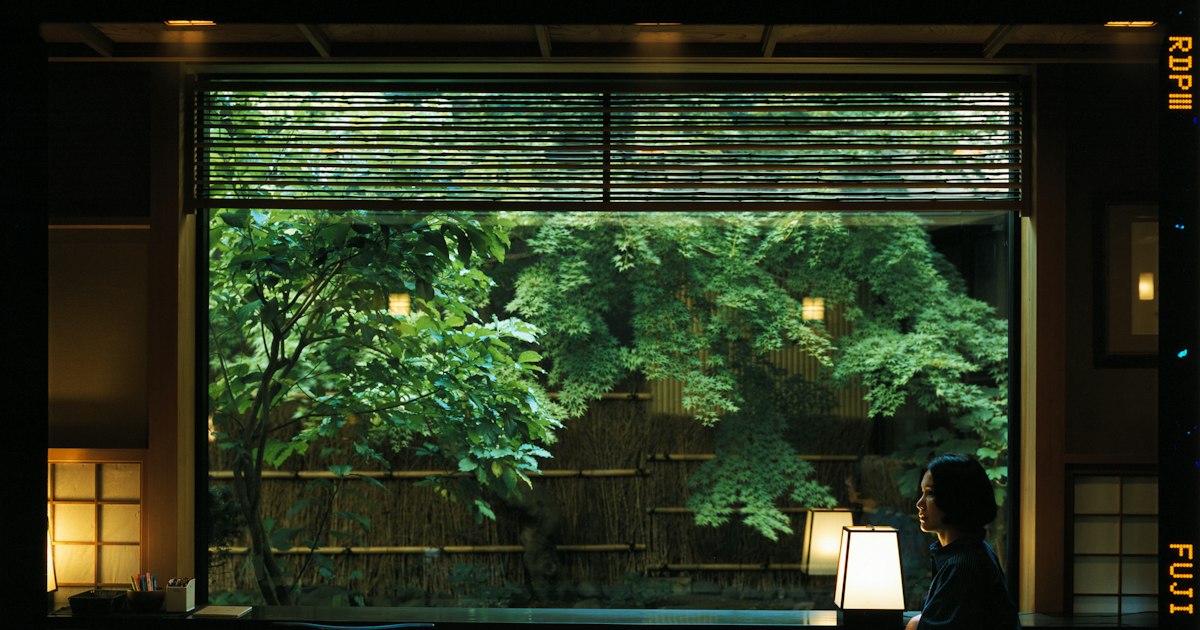
Japan has a reputation for being impeccably polite in public, but the flip side is a set of noise expectations that catch a lot of visitors off guard — especially those staying in short-term apartments, machiya rentals, or traditional ryokan rather than big international hotels. There’s no national “quiet hours” law in the way some countries have municipal noise ordinances with fixed times, but there are strong cultural norms, building-specific rules, and in some cases actual signed agreements that renters and guests are expected to follow. Breaking them rarely gets you fined — it gets you a knock on the door, a note under it, or a quiet word from the front desk that’s more uncomfortable than any penalty.
Why Japan’s noise culture feels so different
Japanese apartment buildings are often built with thinner walls and floors than visitors expect, particularly in older wood-frame “mokuzo” apartments common in cities like Tokyo and Osaka. Impact noise — footsteps, dragging suitcases, dropping something on the floor — travels far more than voice noise, which is why the biggest complaints from neighbors are almost always about walking heavily, running the washing machine late, or rolling suitcase wheels across hardwood at 11pm. If you’re staying in a rented apartment rather than a hotel, this matters even more because you’re sharing walls with people who live there year-round and commute early. The general unwritten rule across most residential buildings is no loud activity from around 9pm or 10pm to 7am or 8am — but always check your specific listing’s house rules, since many Airbnb-style rentals in Japan state exact hours (often 9pm–9am) as a condition of booking under the Minpaku Law.
Apartment and vacation rental rules you’ll actually see in writing
Licensed short-term rentals in Japan (minpaku) are required to post house rules, and noise is almost always the first item. Common things actually written into these documents:
- No vacuuming, laundry machines, or bathing after 9pm or 10pm in many condo buildings — bath fan noise and water heater ignition clicks are more audible than you’d think through shared plumbing walls.
- No step noise after 10pm — some listings explicitly ask guests to avoid walking in regular shoes indoors at night.
- Balcony/genkan conversations kept to a whisper after dark, since sound carries straight up between floors in open-air stairwell buildings.
- Guests restricted to those registered at check-in — not strictly a noise rule, but many noise complaints to building management stem from unregistered visitors staying late.
If you’re running a rental’s bath, it’s worth understanding how the water heater actually works before you start cranking dials at 11pm trying to get hot water — see Japan’s Gas Water Heater Control Panels: How Renters Actually Set Bath Temperature for what those buttons do and how loud the ignition sequence can be. Similarly, if you’re drying laundry indoors (common since many rentals don’t have outdoor space or it’s raining), a dehumidifier is the standard local solution — but running one on a loud fan setting overnight is a frequent complaint source; see Japanese Dehumidifiers: Why Renters Rely on Them to Dry Laundry Indoors for quieter settings and timing.
Hotels: less strict, but not a free pass
International-style hotels in Japan (business hotels, chain hotels, resort hotels) don’t typically post quiet-hour signage because rooms are better soundproofed and front desks are staffed 24 hours. That said, thin-walled budget business hotels (think rooms in the ¥6,000–¥12,000/night range) can still transmit hallway noise and TV sound clearly. The practical norm: keep calls and TV volume down after 10pm, and don’t let groups gather in hallways late — staff will come by if another guest calls down, and persistent complaints can get a group asked to move rooms or, rarely, checked out early without refund. Mid-range and luxury hotels (¥20,000+ a night) are far more forgiving simply because of better construction, but common courtesy standards are the same.
Ryokan: where the rules are strictest and the stakes are social, not legal
Traditional ryokan are where quiet-hour etiquette matters most, because rooms are usually separated by sliding fusuma or shoji screens rather than solid walls, and many ryokan still operate on a shared-schedule model: dinner served at a fixed time (often 6–8pm), communal or private baths with set hours, and lights-out expectations around 10–11pm. Specific things to know:
- Shared baths (onsen/sento-style) typically close by 11pm or midnight and reopen early morning — loud conversation in the bath area carries through the whole building, including into other guests’ rooms.
- Walking in the corridor in the provided slippers is expected to be done quietly; many ryokan ask guests to remove slippers before entering tatami rooms, partly for noise as much as cleanliness.
- Groups having drinks in a room after dinner is completely normal, but ryokan staff generally expect voices down by 9 or 10pm since neighboring rooms share thin partitions.
- If your ryokan is in a quieter rural or mountain town, morning noise matters too — some properties serve breakfast as early as 7am and expect guests moving through halls from 6:30am, so stomping suitcases down a corridor at 6am is as much of a problem as being loud at midnight.
There’s no fine for this — the consequence is purely social friction with staff and other guests, but Japanese hospitality culture treats a quiet stay as a basic sign of respect, and staff do notice.
What “common mistakes” actually look like in practice
The complaints that actually generate a knock on the door or a note are rarely about talking — they’re almost always one of these:
- Rolling a hard-wheeled suitcase across wood or tile floors late at night or early morning (the single most common complaint in apartment-style rentals).
- Running the washing machine’s spin cycle after 9-10pm — many Japanese washer-dryers are genuinely loud on spin.
- Video calls on speakerphone in a thin-walled room.
- Leaving a balcony door open while talking or playing music, since sound travels upward through open stairwells in older buildings.
- Group check-ins/parties continuing in hallways rather than inside the room.
If you’re the type of traveler coming with a larger group — say for a wedding, reunion, or multi-generational trip — it’s worth reading up on group-specific booking logistics, since larger parties are also more likely to trigger noise complaints simply by volume of people moving through shared spaces; see Traveling to Japan as a Large Group for how bookings and logistics work at scale.
Where it’s actually fine to be loud
None of this means Japan expects total silence everywhere. Areas built around nightlife are a completely different social contract — the izakaya alleys of Shinjuku, for instance, are loud by design and staying out late there is part of the experience, not a breach of etiquette. If you want a taste of that contrast after a quiet ryokan stay, Omoide Yokocho vs Golden Gai: A First-Timer’s Guide to Shinjuku’s Two Legendary Bar Alleys covers exactly where that’s welcomed. The rule of thumb is simple: public entertainment districts are loud zones, but the moment you step into a residential building, apartment hallway, or ryokan corridor, you’ve crossed into quiet territory again — and that transition happens faster in Japan than most visitors expect, often literally one street corner apart.