You drop your phone on a train platform, it slides off a ryokan tatami mat, or it just takes one bad hit against a suitcase zipper — and suddenly your camera roll, boarding passes, and translation app are behind a spiderweb of cracked glass. The good news is that Japan is one of the easiest places in the world to get a phone screen fixed fast. Dense electronics districts, a culture that prizes quick turnaround service, and a genuine glut of repair shops mean most tourists can walk in without an appointment and walk out within an hour or two with a working phone again.
Why Japan Is Actually a Great Place to Crack Your Screen
Unlike a lot of countries, Japan has entire retail ecosystems built around electronics. Big-box stores like Bic Camera, Yodobashi Camera, and Yamada Denki host independent repair counters right inside their buildings, often on an upper floor near the mobile accessories section. That means you don’t have to hunt down an obscure side-street shop — you can walk into a familiar store you’ve probably already visited for a rice cooker or SIM card, and get your screen swapped in the same building.
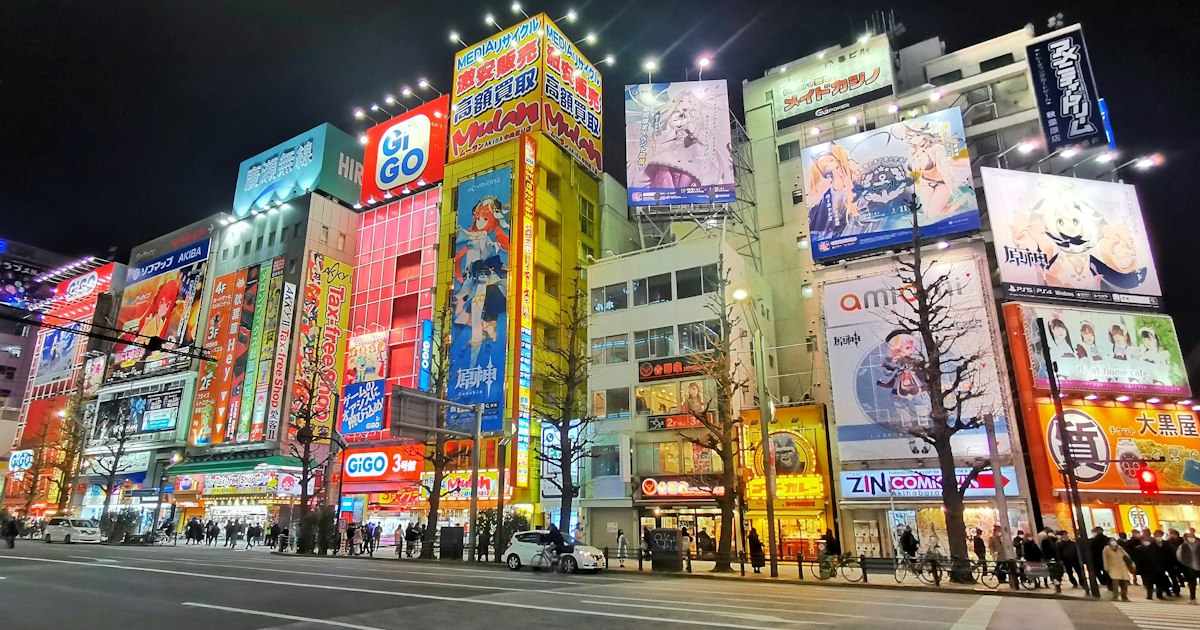
Major tourist hubs — Shibuya, Shinjuku, and Akihabara in Tokyo; Namba and Umeda in Osaka; Tenjin in Fukuoka; Sakae in Nagoya — all have multiple repair options within a short walk of the station, so you rarely need to go out of your way.
Your Fastest Fix: Independent Repair Chains Inside Electronics Stores
Chains such as Quick Garage, iCracked, and Nagomi (スマホ修理のNagomi) operate counters inside or near Bic Camera and Yamada Denki locations in most major cities. These are the fastest option for tourists because:
- Most accept walk-ins — no appointment or Japanese phone number needed.
- Typical turnaround for a screen replacement is 30–90 minutes while you shop or grab lunch nearby.
- Staff in tourist-heavy locations (Akihabara, Shinjuku, Namba) usually handle some English, and the repair itself is explained visually — they’ll show you the part and the price before starting.
- Hours generally run 10:00–20:00 or 10:00–21:00, matching the host department store’s hours, seven days a week including most public holidays.
Bring your passport if asked (rare, but some shops log ID for high-value repairs) and back up anything irreplaceable beforehand — while most screen swaps don’t touch your data, there’s always a small risk with any phone repair.
Going Official: Apple Store Genius Bar and Carrier Options
If you want an Apple-certified screen that preserves your water-resistance rating and warranty, the Apple Store is the way to go. Tokyo has stores in Omotesando, Ginza, Shinjuku, and Marunouchi; Osaka has one in Shinsaibashi; there’s also one in Fukuoka’s Tenjin area. Book a Genius Bar slot through the Apple Support app or apple.com as early in the day as possible — same-day slots in central Tokyo and Osaka fill up quickly, especially on weekends and during cherry blossom or New Year travel peaks.
Carrier shops (docomo, au, SoftBank) generally won’t repair a phone for you unless you hold a contract with them, so don’t waste time walking into one as a tourist — head straight to Apple or an independent shop instead.
Budget, Mid-Range, and Splurge: What You’ll Actually Pay
Prices vary by phone model and part quality, but here’s the realistic range:
- Budget (¥5,000–¥9,000): Independent shops in electronics districts like Akihabara or Den Den Town (Osaka) using aftermarket glass. Fast and cheap, but screen color accuracy and touch sensitivity can be a notch below original.
- Mid-range (¥9,000–¥16,000): Chains like Quick Garage or iCracked using higher-grade OEM-equivalent parts, usually with a 3–12 month warranty on the repair itself. This is the sweet spot for most tourists — reliable, fast, and reasonably priced.
- Splurge (¥35,000–¥70,000+ depending on model): Apple Store genuine-parts replacement without AppleCare+. If you have AppleCare+, out-of-warranty screen damage is typically a flat ¥3,400–¥4,900 service fee instead — worth checking before you panic about cost.
Android flagships (Samsung Galaxy, Google Pixel) tend to sit at the higher end of the independent-shop range, roughly ¥10,000–¥22,000, since parts are less commonly stocked than iPhone glass.
Common Mistakes That Turn a 30-Minute Fix Into a Lost Day
A cracked screen is already stressful mid-trip; these mistakes make it worse:
- Waiting until your last day. If a shop is out of stock for your exact model’s parts, they may need to order one — build in a buffer rather than attempting this the morning of your flight.
- Not removing your passcode lock before independent repairs. Many non-Apple shops ask you to temporarily disable Face ID/Touch ID or provide the passcode so they can test the screen after installation — know this in advance so it’s not a surprise.
- Forgetting your SIM or eSIM situation. If your phone needs a factory reset in a worst-case scenario, make sure you’ve noted down your eSIM QR code or have your physical SIM safely stored.
- Assuming any convenience store or Don Quijote can help. They sell screen protectors and cases, not repairs — don’t waste a trip there expecting service.
- Paying by card without confirming the price first. Reputable shops always quote the price before starting work; if a shop won’t give you a number up front, it’s worth trying a different one.
If a cracked screen is just one of several small mid-trip mishaps, you’re not alone — the same instinct to fix things fast and locally also applies to a broken suitcase wheel or zipper mid-trip, and even same-day suit or dress alterations before a formal event — Japan’s same-day service culture extends well beyond electronics.
What to Do If You Crack Your Screen Late at Night or in a Smaller City
Most repair counters close by 20:00–21:00, so a screen cracked at midnight means waiting until morning in most cases. If you genuinely can’t function without your phone overnight — say, you need it for a medical reason or urgent communication — consider whether a nearby convenience store’s free wifi or a hotel business center can bridge the gap until shops open. If you’re also dealing with a late-night medical need on top of the phone issue, Japan’s 24-hour and late-night pharmacies are a reliable backup resource.
In smaller cities without a Bic Camera or Yamada Denki, search “スマホ修理” (sumaho shuuri, “smartphone repair”) plus your city name on Google Maps — independent repair shops exist in nearly every mid-sized city, even if the big chains don’t have a branch there. While you wait for a repair or just need a quiet spot with wifi to sort out backups and insurance claims, a public library’s day-use wifi and quiet study space is a surprisingly good option in Tokyo or Kyoto.
Whichever route you choose, Japan’s repair infrastructure means a cracked screen rarely has to derail more than a couple of hours of your trip — treat it as an annoying errand, not a crisis, and you’ll likely be back to taking photos of your next meal by lunchtime.