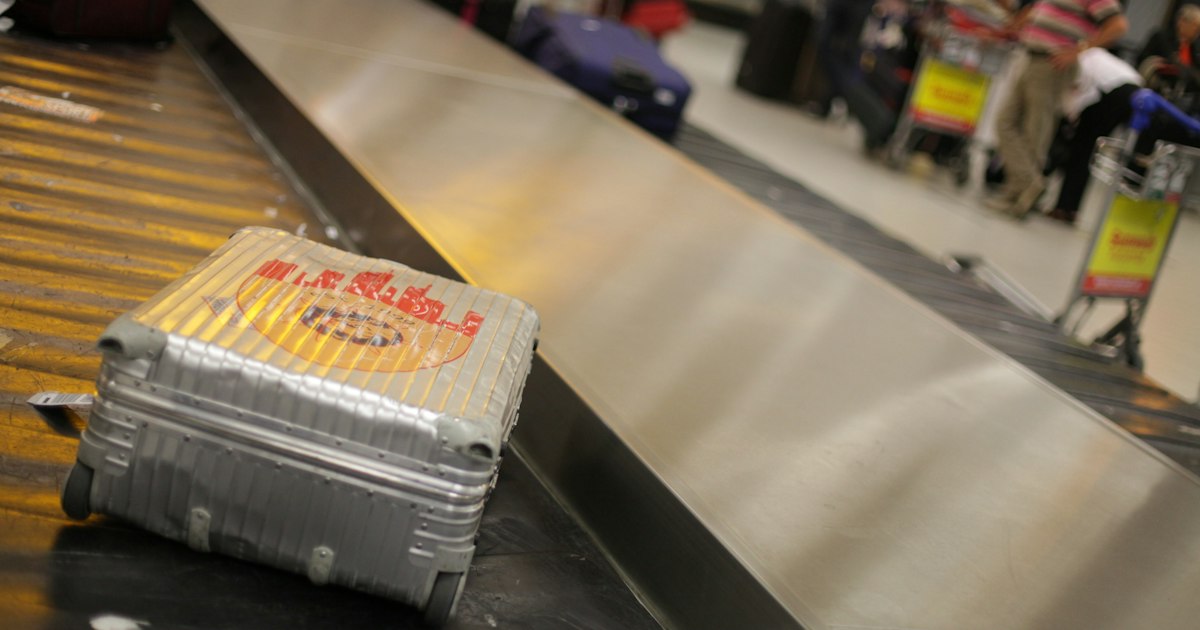
Photo by Dimitri Karastelev on Unsplash
A suitcase wheel shearing off on cobblestones in Kyoto, or a zipper finally giving out after one too many souvenir purchases, is one of those small disasters that feels much bigger when you’re mid-trip and don’t speak the language. The good news is that Japan is unusually well set up for exactly this problem — between station-based repair kiosks, department store luggage counters, and DIY fixes from everyday shops, most broken wheels and zippers can be sorted the same day, often within an hour or two. Here’s where to go, what it costs, and how to avoid wasting a travel day on it.
First, check whether the airline owes you a free fix
If the damage happened during a flight — a wheel assembly cracked, a handle snapped, a zipper torn by baggage handling — go straight to the airline’s baggage service counter before you leave the arrivals hall, even if you’ve already left the carousel area. Under both international treaty rules and most domestic carriers’ own policies, airlines in Japan (ANA, JAL, and most others) will either repair the case for free, replace it, or compensate you, but only if you report it before exiting the airport or within a very short window afterward (often within 7 days, but same-day reporting is always safer). Trying to get it fixed yourself first and claiming reimbursement later is possible but slower and sometimes not honored, so don’t pay out of pocket until you’ve confirmed the airline won’t cover it. If you’re traveling with young kids and a lot of gear, it’s worth knowing the general flow of Japanese airport procedures beforehand — see our guide on taking a baby or toddler through Japanese airport security for what counts as normal baggage handling versus what’s worth flagging.
If the damage is just wear and tear — old wheels finally dying, a zipper slider that’s worn smooth — it’s on you, but Japan makes that cheap and fast too.
Mister Minit and station repair kiosks: the fastest same-day option
The single best resource for a same-day fix is Mister Minit, a repair chain with kiosks inside major train stations and department stores across Tokyo, Osaka, Nagoya, and other large cities (look for locations in Shinjuku, Shibuya, Tokyo Station’s underground mall, and inside stores like Odakyu or Isetan). They repair shoes and keys, but bag and suitcase repair — zipper slider replacement, broken zipper pulls, torn handles, and in many cases wheel replacement if they have a compatible part in stock — is a core part of their business.
- Hours: typically 10:00–20:00 or 21:00, matching the department store or station building they’re inside, with no regular closing day in most locations (though individual kiosks may close for store holidays a few times a year).
- Price: a zipper slider swap usually runs ¥1,000–3,000; wheel repair or replacement is more variable, roughly ¥2,000–5,000 depending on whether they stock a matching part or need to improvise a universal one.
- Turnaround: simple jobs (zipper slider, re-stitching a strap) are often done in 30–60 minutes while you wait or browse the same building. Wheel jobs can take a few hours if they need to source a part, so ask at drop-off.
Staff usually don’t speak much English, but pointing at the broken part works fine — this is a very visual, hands-on transaction.
Luggage brand service counters: better for exact-match parts, not always same-day
If your suitcase is a known Japanese brand — ACE, PROTECA, or Samsonite — their own repair network can do a cleaner job because they stock brand-specific wheels and zipper parts. ACE runs an in-house repair service (“ACE Clinic”) with drop-off at ACE shops nationwide, including the Ginza flagship, and Samsonite has its own service centers in a few cities. The tradeoff: if the exact part needs to be ordered, it can take a week or more and they’ll ship the finished case to your hotel or home address — not useful if you’re flying out tomorrow. Always ask directly at the counter “today/kyō naoru?” (can it be fixed today?) before leaving the case. If they say yes, prices for a full wheel-set replacement typically run ¥3,000–8,000; if no, ask whether a same-day stopgap repair is possible so you can at least get through the rest of your trip, with the proper fix done by mail later.
Budget DIY fixes: Tokyu Hands, Loft, and Don Quijote
For a wheel that’s wobbling but not gone, or a zipper that just needs a new pull tab, the housewares floors of Tokyu Hands and Loft (both have large branches in Shinjuku, Shibuya, and most major shopping districts) sell replacement zipper pull kits, universal luggage wheel sets, and strong repair tape for around ¥500–1,500. Don Quijote, open late (often until midnight or 24 hours in bigger locations) and found near almost every major station, stocks cable ties, duct tape, and basic tool kits that make a serviceable emergency patch to get you through a final few days of travel. This is the cheapest and most flexible option if you’re handy enough to do a five-minute fix yourself, and it’s useful even as a backup while you wait for a proper repair elsewhere. A standard convenience store like 7-Eleven or Lawson won’t stock repair parts — they’re good for printing documents or grabbing cash, similar to how they’re useful for printing visa and residence card photos at convenience store copy machines, but not for luggage hardware.
When it’s beyond repair: ship it home, buy a replacement locally
Sometimes a case is just done — frame cracked, multiple wheels gone. Two practical options: ship the broken suitcase home empty via takkyubin courier (Kuroneko Yamato or Sagawa counters are in most convenience stores and all hotels can arrange pickup) while you travel on with a cheap replacement, or buy a new soft-sided bag at Don Quijote, Muji, or any station shopping mall — basic carry-ons start around ¥4,000–8,000. The same courier network that handles this is the one covered in our piece on shipping skis and suitcases ahead via takkyubin counters, and the process for a one-off suitcase shipment is identical: drop it off, pay by weight and distance (often ¥2,000–4,000 within Japan), and it arrives at your home or next hotel in 1–2 days.
Timing and common mistakes
Avoid trying to get a repair done on a national holiday or during Golden Week (late April–early May), New Year’s (Dec 29–Jan 3), or Obon (mid-August) — department store repair counters run reduced staff and backlogs grow long. A weekday morning drop-off gives kiosks the best shot at same-day completion. The most common mistake is discovering the damage the morning of a shinkansen departure and having no buffer — if you’ve got a long travel day ahead on the bullet train, it’s worth checking in advance which seats actually have power outlets so you can at least charge your phone to coordinate repair pickup or courier scheduling while en route. The second most common mistake is assuming any shoe repair shop can fix a suitcase — many can’t, and it’s worth confirming “kaban mo shuri dekimasu ka?” (can you repair bags too?) before handing it over.