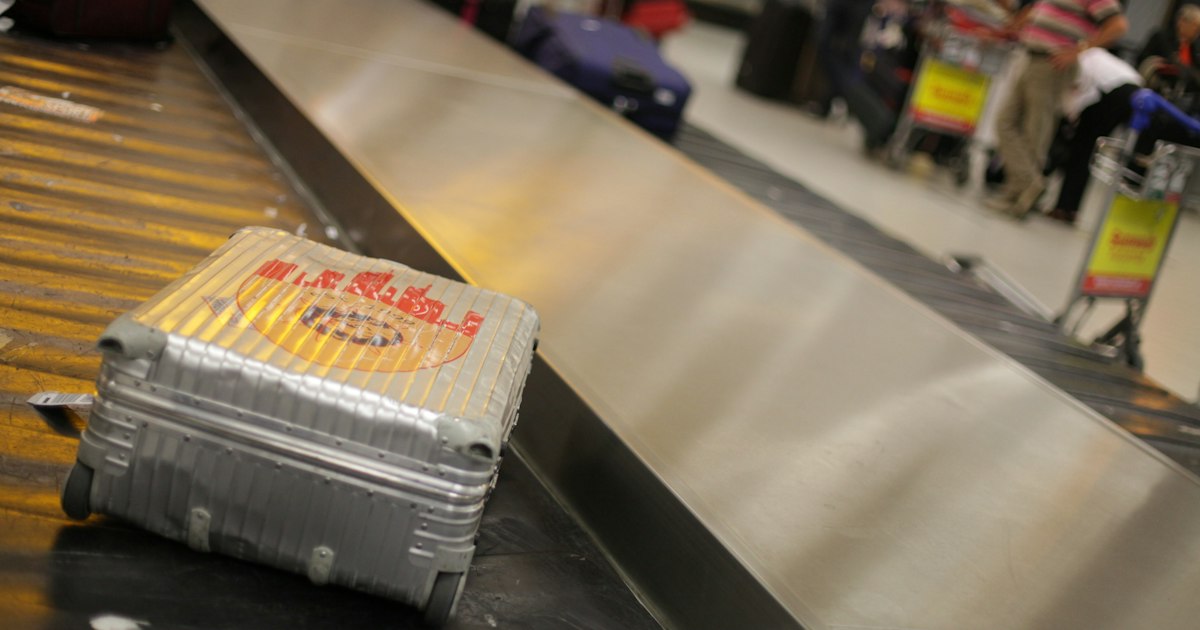
Photo by Dimitri Karastelev on Unsplash
Discovering your suitcase never made it onto the carousel — or watching it arrive with a cracked wheel or torn zipper — is a rough way to start a trip to Japan. The good news is that Japanese airports and airlines handle mishandled baggage efficiently and the process is far less chaotic than in many other countries. Here’s exactly what to do, in order, and what you’re actually entitled to.
Report It Before You Leave the Airport
Do not leave the baggage claim area without filing a report, even if a staff member suggests you can “just call later.” Every airline operating in Japan staffs a baggage service desk near the carousels for every arriving flight — look for signage reading “Baggage Service” or ask any ground staff member, who will usually speak enough English to help or will call someone who does. You’ll fill out a Property Irregularity Report (PIR), which generates a reference number (often called a “file reference” or tracking number). Keep this number — you’ll need it for every follow-up call, email, or compensation claim.
Give a local contact address: your hotel, ryokan, or Airbnb for the next several nights, plus a working phone number. If you’re moving between cities, tell the agent your itinerary so they know where to forward the bag once it’s found, since most delayed bags turn up within 24–72 hours and get couriered directly to wherever you’re staying at no charge.
Understanding Your Airline’s Liability
For international flights, airline liability for checked baggage is governed by the Montreal Convention, which caps compensation at 1,288 Special Drawing Rights per passenger — roughly ¥220,000–250,000 depending on the exchange rate that week. This limit covers both delay and permanent loss or damage, and it applies regardless of what your bag or its contents were actually worth, unless you declared a higher value and paid an excess valuation fee at check-in (rare, and usually only offered for business travelers with expensive equipment). Domestic Japanese flights (ANA, JAL, and their subsidiaries) follow similar domestic tariff limits, generally in a comparable range.
If you had travel insurance or coverage through a credit card, file a claim there too — most policies will top up the gap between what the airline pays and your actual replacement cost, and many pay out faster than the airline does.
What Happens Next: Tracking and Delivery
Ask for a tracking link or number at the baggage desk — JAL, ANA, and most international carriers use the WorldTracer system, which lets you check status online without needing to call. Most delayed bags are located within a day or two and delivered by courier (often Yamato or a dedicated airport delivery service) directly to your accommodation between roughly 9am and 9pm — someone needs to be there to receive it, or arrange for the front desk to sign for it. If you’re changing hotels, update the delivery address with the airline as soon as you know your new one; don’t assume they’ll figure it out.
If Your Bag Arrives Damaged
Damage claims need to be reported immediately, ideally before you leave the airport, since some airlines won’t accept damage reports filed more than a day or two after arrival. Photograph the damage on the spot and have it noted on your PIR. For cosmetic damage like a broken wheel or a split zipper pull, some airlines will offer a flat cash settlement or point you to a repair voucher rather than a full replacement — it’s worth asking which option pays out faster.
If you’d rather just get moving instead of waiting on a claim to process, Japan has excellent same-day suitcase repair. Our guide to fixing a broken suitcase wheel or zipper mid-trip in Japan covers repair counters in Tokyo and Osaka that can fix a wheel or zipper for a few thousand yen in an hour or two — keep the receipt, since most airlines will reimburse a reasonable repair cost against your claim.
Covering Essentials While You Wait
Most airlines will reimburse reasonable “interim expenses” — toiletries, a change of clothes, basic medication — incurred while your bag is missing, as long as you keep every receipt and the amount is proportionate. Convenience stores (Lawson, FamilyMart, 7-Eleven) sell travel-size toothpaste, deodorant, and a basic change of underwear for a few hundred to a couple thousand yen combined; a drugstore like Matsumoto Kiyoshi will cover more ground — a full toiletry kit plus a cheap t-shirt typically runs ¥3,000–5,000.
If your missing bag contained prescription medication rather than just clothes, don’t wait on the airline — head straight to a pharmacy. Our guide to 24-hour and late-night pharmacies in Japan lists locations that stay open overnight in major cities, and if you specifically need insulin or diabetic supplies, see traveling with insulin and diabetic supplies in Japan for backup options if your kit went missing with the bag rather than staying in your carry-on, which is the one mistake worth avoiding entirely next time.
Common Mistakes to Avoid
- Leaving the airport without a PIR. A verbal promise from ground staff isn’t a claim — without a reference number, there’s nothing to track.
- Not photographing damage immediately. Claims adjusters move faster with timestamped photos taken the moment you noticed.
- Losing receipts for interim purchases. Airlines generally won’t reimburse without them, and Japanese convenience store receipts fade fast — photograph them too.
- Assuming the bag will just “turn up” at your next hotel automatically. Always confirm the delivery address directly with the airline when your plans change.
- Packing medication, chargers, or anything irreplaceable in checked luggage. If you’re traveling with a baby, note that formula and related items go through separate airport security screening — see our guide on taking a baby or toddler through Japanese airport security for what to keep in your carry-on instead of checking it.
Filing a Claim for Permanent Loss or Damage
If your bag hasn’t turned up after about 21 days, most airlines officially classify it as lost rather than delayed, which shifts you from interim-expense reimbursement into a full loss claim. You’ll need to submit an itemized list of contents with estimated values — receipts help but aren’t always mandatory for reasonably priced items. Submit this through the airline’s baggage claims portal using your original PIR number, and expect processing to take anywhere from two to eight weeks. Keep every communication in writing by email rather than relying on phone calls, since a paper trail matters if you need to escalate or involve your travel insurer.