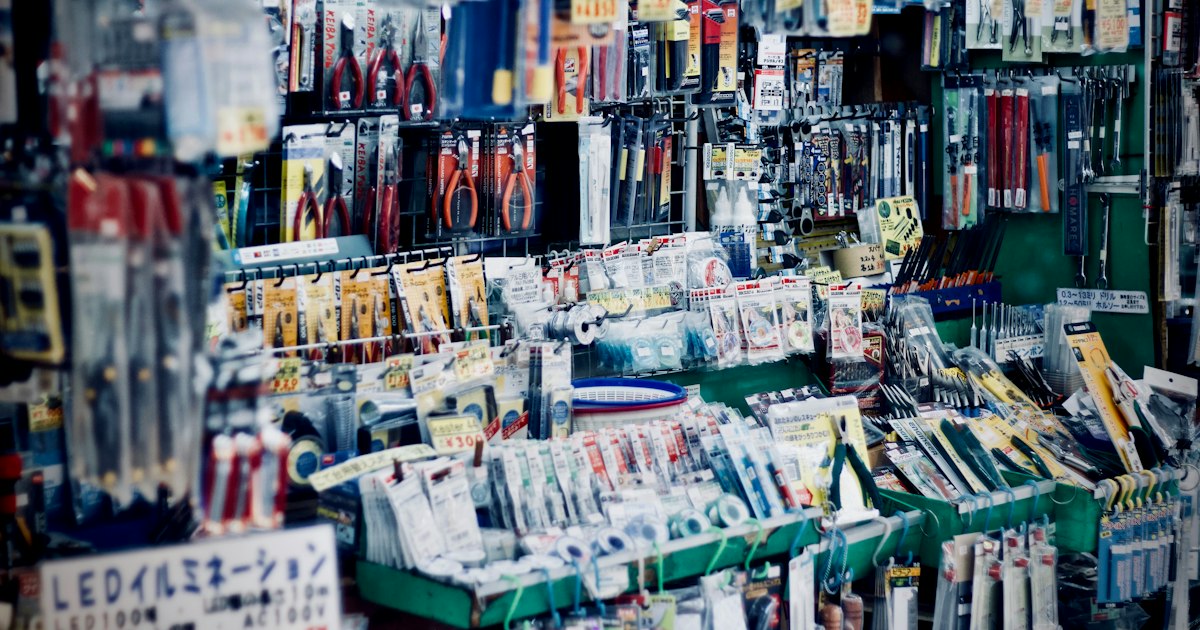
Photo by Jelleke Vanooteghem on Unsplash
Walk into any Japanese hardware store, 100-yen shop, or home center and you’ll find bins of plain white cotton gloves with little grip dots on the palms, usually bundled in packs of three or ten. These are gunte (軍手), and they’re one of those small, overlooked objects that locals use constantly without a second thought — for gardening, cycling, cleaning, moving boxes, even formal occasions. For visitors, they’re also a genuinely great souvenir: they cost next to nothing, weigh almost nothing, and solve real problems both during your trip and after you get home.
What Exactly Is Gunte?
Gunte are knitted cotton gloves, almost always white, sold in packs ranging from a single pair to bundles of ten. The name comes from “military gloves” (軍手, gunte, literally “army hand[wear]”), a holdover from when this exact style was standard-issue for Japanese soldiers. The design has barely changed since: a snug stretch-knit cuff, seamed fingers, and often a textured latex or PVC grip pattern dotted across the palm and fingers. You’ll also see the word written as 軍手 or sold under brand names like “作業用手袋” (sagyō-yō tebukuro, “work gloves”) on the packaging.
They’re not fashion items and nobody is pretending otherwise — that’s part of the charm. They’re a utility object that’s become so embedded in daily Japanese life that convenience stores, drugstores, 100-yen shops, and supermarkets all stock them near the cleaning supplies or gardening section.
Where to Buy Them and What They Cost
You don’t need to seek out a specialty shop — that’s the point. Likely spots include:
- 100-yen shops (Daiso, Seria, Can Do): A pack of 3-5 pairs for ¥110 (tax included). This is the cheapest and easiest option, and most 100-yen shops near tourist areas carry them year-round. Daiso in particular tends to have several grip-pattern variations.
- Home centers (Kōnan, Cainz, Komeri): These are the real destination if you want quality or bulk. A 12-pair bag runs roughly ¥300-¥600, and you’ll find thicker, double-layered, or leather-palmed versions for ¥150-¥400 per pair. Home centers are usually out in suburban areas or near train stations with parking, so they’re more of a deliberate stop than a casual browse.
- Drugstores and supermarkets: Smaller selection, similar pricing to 100-yen shops — convenient if you’re already there picking up other essentials, similar to how travelers stock up on non-prescription reading glasses at the same kind of shop.
- Hardware/DIY sections of department stores: Pricier but sometimes carry specialty versions (insulated, oil-resistant, anti-slip silicone dots) for ¥300-¥800 a pair.
Opening hours for 100-yen shops in city centers are typically 10:00-21:00 or 22:00, seven days a week; home centers tend to run 9:00 or 10:00 to 20:00. No reservations, no lines, no fuss — just grab a pack at the register.
Why They’re a Smart Souvenir
A few reasons gunte punch above their weight as a gift or keepsake:
- Price point: At ¥110-¥300 for a multi-pack, you can buy a dozen and still spend less than a single keychain. They make easy “everyone gets one” gifts for coworkers or extended family.
- Weight and packing: A pack of gunte weighs almost nothing and compresses flat, so it won’t eat into your luggage allowance the way ceramics or sake bottles do.
- Actually useful: Unlike a lot of novelty souvenirs that sit in a drawer, gunte get used — gardening, car maintenance, DIY projects, even as a liner under winter gloves. Many travelers also use a pair during the trip itself: handling a bicycle chain on a rental bike, gripping a hot grill at a yakiniku restaurant, or protecting hands while hiking volcanic rock trails.
- Conversation piece: Because they’re so mundane in Japan, explaining what they are and why they’re everywhere is its own small story — a nice contrast to the usual souvenir rundown.
Budget, Mid-Range, and Splurge Options
Gunte scale up more than you’d expect:
- Budget (¥110-¥300): Basic white cotton with PVC grip dots, 100-yen shop multi-packs. Fine for gifts or light use.
- Mid-range (¥300-¥600): Thicker weave, reinforced palms, or specialty colors from a home center. Better for anyone who’ll actually garden or do manual work with them.
- Splurge (¥800-¥2,000+): Leather-palmed work gloves, insulated winter versions, or gloves from specialty workwear brands like Fukuoku or Towaron sold at dedicated work-clothing stores (often labeled sagyō-gai or found in the sagyō yōhin section of larger home centers). These are closer to genuine professional gear than souvenirs, but they’re a legitimate option if you want something with more longevity.
Common Mistakes to Avoid
- Assuming all gunte are identical: Grip patterns, thickness, and stretch vary. If you plan to actually use them for yard work or biking, feel the texture before buying — the thinnest ¥110 packs can wear through faster.
- Buying only one size: Most gunte are “free size” (one-size-stretch), but some packs include S/M/L separated by color-coded cuffs. Check the packaging if gloves are for someone with notably small or large hands.
- Overpacking before checking your luggage weight: Gunte are light individually, but buying 30 packs as bulk gifts adds up. If you’re already shipping larger purchases home, it’s worth bundling gloves in with that shipment rather than checking an extra bag — see the general principles in our guide to shipping large purchases home from Japan.
- Expecting English packaging: Labels are almost always Japanese-only. Look for 軍手 (gunte) or 作業用手袋 (work gloves) on the bag, or just look for the familiar white knit with grip dots — it’s a recognizable shape even without reading the label.
When to Buy and What to Pair Them With
There’s no seasonal rush — gunte are stocked year-round. That said, home centers tend to push insulated and fleece-lined versions in autumn and winter (roughly October through February), so if you want a warmer pair, shop that window. Thin cotton versions are available constantly and are a good match for spring and summer outdoor activities, including things like kayaking or canoeing tours where a grippy pair of gloves helps with paddles and ropes.
If you’re building out a “cheap and useful” souvenir haul, gunte pair naturally with other inexpensive, functional finds from the same stores — things like the stacking toy covered in our guide to daruma otoshi, which is similarly cheap, light, and distinctly Japanese without being a cliché tourist-shop trinket.
In the end, gunte aren’t going to be the centerpiece of anyone’s Japan trip, but that’s exactly why they’re worth grabbing: they cost almost nothing, take up almost no space, and give you something genuinely useful to show for a five-minute stop in a 100-yen shop.