Kyoto’s temple circuit and Osaka’s street-food sprawl don’t pause for prayer times, and neither does the train schedule. The good news is that both cities have real, working mosques — not just a converted broom closet — plus a few reliable backup spots for the prayers that fall mid-sightseeing. Here’s what’s actually on the ground, what it costs (usually nothing), and how to time your day around it.
Kyoto Masjid: the city’s only dedicated mosque
Kyoto Masjid sits in Sakyo-ku, a short walk from Kyoto University and about 10–15 minutes by bus or bike from Demachiyanagi Station on the Keihan and Eizan lines. It’s a modest converted house rather than a grand building, but it has a proper musalla, separate wudu facilities, and is open for all five daily prayers as well as Friday Jummah (typically starting a little after 12:30, though the exact time shifts with Dhuhr throughout the year — check the day-of time rather than assuming). Entry is free; there’s a donation box if you’d like to contribute toward upkeep. Because it’s small and volunteer-run, it isn’t staffed around the clock the way a mosque near a major station would be, so for Fajr or very late Isha it’s worth messaging ahead via the mosque’s social media page to confirm someone will be there to let you in.
If you’re coming from Kyoto Station after a day at Fushimi Inari or Kiyomizu-dera, budget 25–30 minutes door to door, mostly on the bus. Given how much Kyoto’s bus network depends on knowing which numbered route actually stops near the mosque, it’s worth cross-checking the route in a transit app before you set off — see our notes on Japanese transit apps, since NAVITIME in particular handles Kyoto’s bus timing better than Google Maps does.
Osaka’s mosques: Namba/Nipponbashi is the tourist-friendly one
Osaka has several small mosques, but the most useful one for visitors is in the Nipponbashi/Namba area — easily reachable on foot from Dotonbori, so it slots naturally into a day of sightseeing and shopping rather than requiring a special trip. There’s also a longer-established mosque in Oyodo-ku, north of Osaka Station, which serves the city’s older Muslim community and runs regular Friday prayers. Both are free to enter, have wudu areas, and are far quieter on weekdays than during Jummah, when the Nipponbashi location in particular can fill up with workers and visitors from the nearby electronics and discount shopping streets.
Facilities are basic — expect a carpeted room and a sink, not a visitor center — so bring your own prayer mat or scarf if you prefer one, since spares aren’t guaranteed to be available.
Kansai International Airport’s prayer room
If your trip starts or ends through KIX, there’s a dedicated multi-faith prayer room in the airport, located in the international terminal past security, clearly signed and free to use. It’s a genuinely useful buffer for a long-haul flight when you’d rather not pray in a corner of the departure lounge. Give yourself extra time to find it on a first visit — airport signage in Japan tends to prioritize duty-free shops over quiet rooms, so it’s easy to walk past the corridor it’s tucked into.
When there’s no mosque nearby: realistic backup options
Most of a Kyoto or Osaka sightseeing day will have you nowhere near either mosque at prayer time, so it helps to have a mental list of fallback spots:
- Your hotel room — the most reliable option if you’re staying in a standard hotel rather than a capsule hotel or shared hostel dorm, where privacy for a few minutes can be harder to arrange.
- Nursing/multipurpose rooms in department stores and stations — large stores like Takashimaya, Daimaru, and the shopping complexes around Kyoto and Osaka Station often have a quiet multipurpose room intended for parents, which can double as a private spot for a short prayer if it’s unoccupied. These aren’t guaranteed and shouldn’t be relied on for Jummah, but they’re a decent stopgap for Dhuhr or Asr between sightseeing stops.
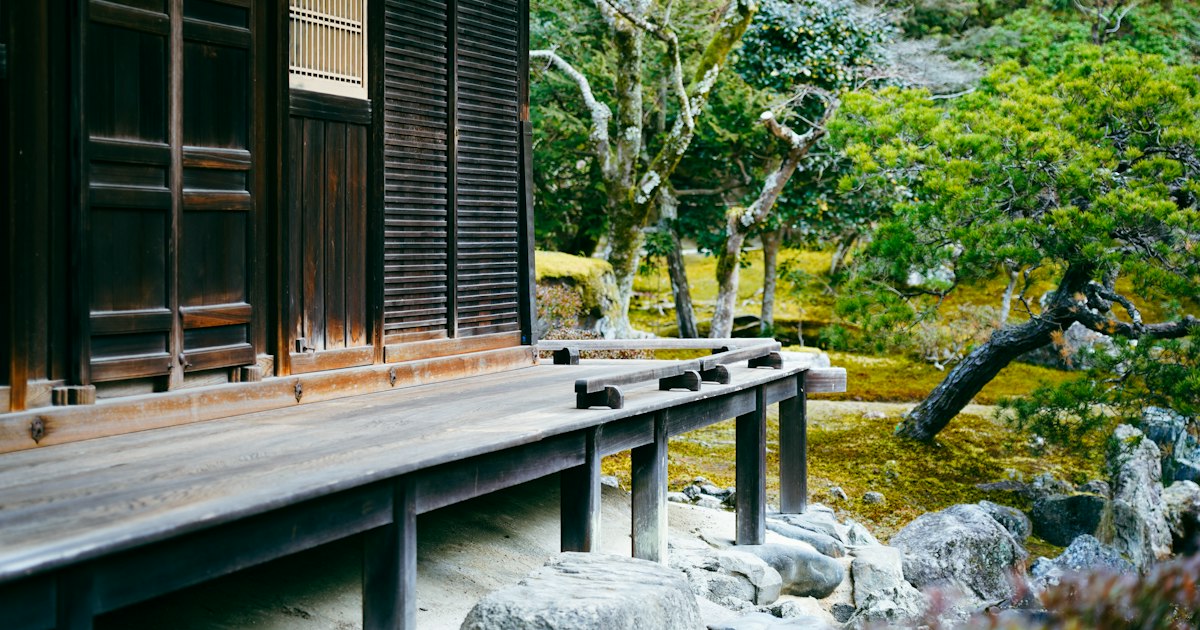
- A quiet corner of a temple garden — ironically, the gardens at some of Kyoto’s larger, less crowded temple complexes (away from the main hall) can offer a calm patch of grass or gravel. Use discretion and common sense about visibility and respect for the site.
If you end up needing to get to a mosque late at night after trains stop running — Kyoto’s subway and most Osaka lines wind down around midnight — a taxi is the practical option; see our guide on booking taxis in Japan for how the apps work if you don’t read Japanese.
Apps and tools worth having before you land
Download a Qibla-direction and prayer-time app (Muslim Pro and similar apps work fine in Japan with data or Wi-Fi) before you arrive, since you won’t always have signal inside temple complexes or deep underground at stations like Umeda or Kyoto Station. Set your location to Kyoto or Osaka specifically rather than relying on a Tokyo default — prayer times shift by several minutes between the two cities, and more noticeably by season.
Timing and seasonal notes
Winter (December–February) brings an early Maghrib, sometimes before 5pm, which can sneak up on you mid-sightseeing in short winter daylight hours — plan your last temple or shrine visit of the day with that in mind. Summer (July–August) is brutal for wudu logistics if you’re relying on outdoor taps, given Kansai’s heat and humidity; the mosque facilities are air-conditioned and far more comfortable than improvising outside. Spring cherry-blossom season and autumn foliage season (the two busiest tourist windows) mean Kyoto’s buses toward Sakyo-ku run slower than usual due to traffic, so build in extra time if you’re heading to Kyoto Masjid from a popular viewing spot like Philosopher’s Path or Arashiyama.
Common mistakes to avoid
Don’t assume a mosque is staffed 24 hours just because it’s listed online — Kyoto’s in particular is volunteer-run and can be locked outside of prayer-time windows without prior notice to a volunteer. Don’t skip checking Jummah timing on the day itself, since it moves with the solar calendar rather than sitting at a fixed clock time. And if dietary considerations matter as much as prayer timing on your trip, don’t overlook convenience-store food labels while you’re out — our guide to reading onigiri wrapper labels is useful for a quick, affordable lunch between sightseeing stops when you can’t read the kanji on the packaging.
None of this requires much budget — every option above is free beyond a voluntary donation — but it does take a bit of planning the night before, since Kyoto and Osaka’s prayer infrastructure is real but small, and far less signposted than the temples and malls around it.