Most travel emergencies in Japan have a well-worn playbook — lost luggage, a cracked phone, a locked hotel door. A sick pet mid-trip is different: there’s no front desk to call, the signage is all in Japanese, and you’re often holding a shaking animal in a train station at 11 p.m. with no idea where the nearest open clinic is. If you’re traveling through Japan with a pet — whether you relocated with one, are on a long-stay visa, or are road-tripping with your dog — here’s exactly what to do, what it costs, and how to avoid the mistakes that cost people hours when minutes matter.
Recognize What Actually Needs an Emergency Visit
Japanese vets use roughly the same triage logic as anywhere else. Go immediately (don’t wait for morning) for: difficulty breathing, collapse or inability to stand, repeated vomiting or vomiting blood, a swollen/hard abdomen (especially in large-breed dogs — classic bloat symptoms), seizures lasting more than a minute or repeating, suspected poisoning (chocolate, grapes, lily plants, or any medication), heatstroke (heavy panting plus wobbling or dark red gums), or any trauma from a fall or car contact. Heatstroke is the single most common summer emergency in Japan — the combination of 35°C heat and near-100% humidity from June through September is brutal on dogs faster than most owners expect, especially on asphalt in cities like Osaka or Nagoya.
For milder issues — limping, mild diarrhea, a one-off vomit, not eating for half a day — a same-day appointment at a regular clinic the next morning is usually fine. Save the emergency surcharge for things that genuinely can’t wait.
How to Find an Open Animal Hospital Fast
The single most useful phrase to type into Google Maps or Yahoo! MAP is 24時間 動物病院 (24-hour animal hospital) or 夜間 動物病院 (night-duty animal hospital). Both apps will show open/closed status and phone numbers. In major metro areas you’ll usually find a dedicated 24/365 emergency referral hospital — Yokohama’s JARMeC (Japan Animal Referral Medical Center) is one of the best-known, built specifically for emergencies and ICU-level care, and it takes walk-ins, not just vet referrals.
Outside the big cities, the local veterinary association typically runs a night-and-holiday rotation system: on any given night, one member clinic in the area is designated to handle emergencies, and the others post a sign (or recorded phone message) directing you there. If you call a closed clinic’s listed number, many will have an automated message in Japanese giving the name of that night’s on-duty clinic — have a translation app or a Japanese-speaking staff member at your hotel ready to help decode it.
Hours, Language, and What Happens When You Arrive
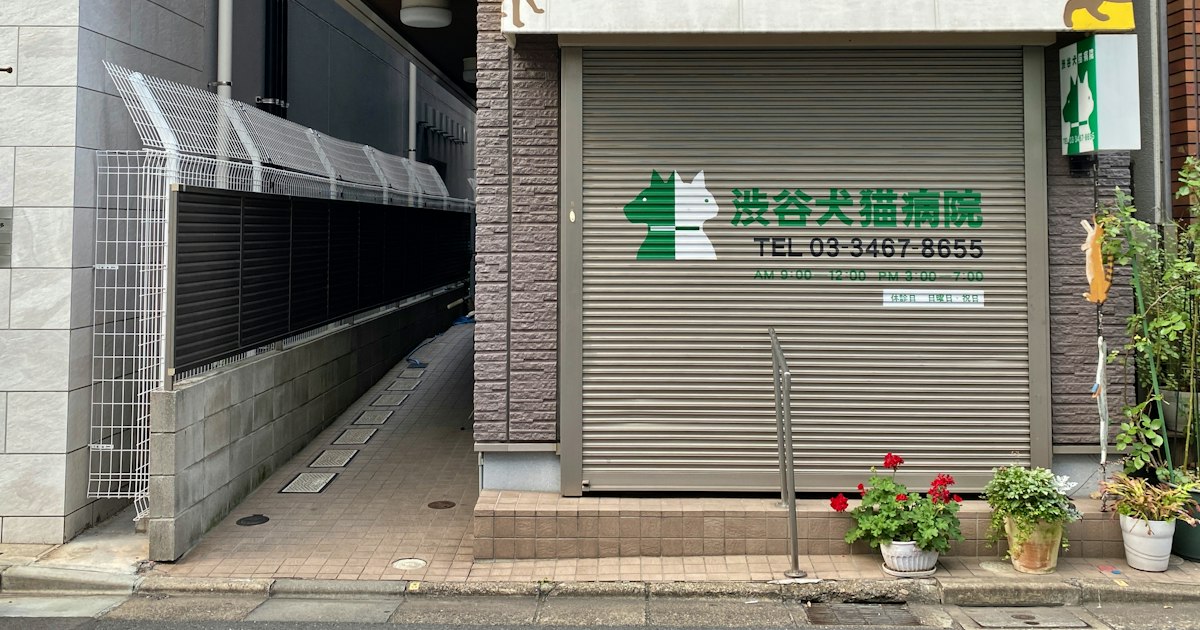
Routine neighborhood animal hospitals keep hours a lot like human clinics: roughly 9:00–12:00 and 16:00–19:00, closed one weekday (often Thursday) and Sunday/holiday afternoons. That gap is exactly why dedicated emergency and 24-hour hospitals exist, and why New Year’s (Jan 1–3) and Golden Week (late April–early May) are the busiest stretches for them — almost everything else is shut.
English-speaking staff are the exception, not the rule, even in Tokyo. Bigger clinics near expat-heavy neighborhoods (Hiroo, Azabu, parts of Yokohama) are more likely to have someone comfortable in English, but don’t assume it. Bring your pet’s vaccination record and any medical history translated or at least organized clearly — vets can work from dates and drug names even without full sentences. A translation app with voice input works surprisingly well for symptom descriptions; if your phone is your lifeline here and the screen is cracked, it’s worth knowing where you can get a same-day phone screen repair before you need it most.
Expect to fill out a short intake form, pay before or right after treatment (most clinics take cash; card acceptance varies more than you’d expect, so carry at least ¥20,000–¥30,000 in cash as a buffer), and get a printed receipt with itemized charges — keep it for any travel or pet insurance claim back home.
What It Costs in Yen
Japan has no national health insurance for pets, so you’re paying out of pocket at point of care. Rough benchmarks:
- Budget / daytime regular clinic: consultation ¥1,500–¥3,500, basic bloodwork ¥5,000–¥10,000
- Mid-range / night or holiday surcharge: emergency consultation fee adds ¥3,000–¥10,000 on top of the base exam, X-rays run ¥3,000–¥8,000 per view, IV fluids or injections ¥2,000–¥6,000
- Splurge / overnight or critical care: hospitalization and ICU monitoring ¥10,000–¥30,000 per night, surgery ranges from roughly ¥50,000 for something minor to well over ¥300,000 for major procedures
If your pet is diabetic and travels with insulin, Japanese pharmacies won’t dispense or restock animal insulin without a prescribing vet here — plan around the same carry-on and sharps-disposal rules covered in our guide on traveling with insulin and diabetic supplies in Japan, since the disposal logistics are nearly identical for pet owners.
Common Mistakes to Avoid
The biggest one: assuming a human pharmacy can help. Japan’s 24-hour and late-night pharmacies are genuinely useful for human medication at 2 a.m., but they cannot legally dispense veterinary drugs — you need an actual vet visit, full stop, even for something as simple as refilling a flea treatment.
Second: waiting until morning “to save money.” Heatstroke and bloat both progress by the hour, and the cost difference between a night-rate visit and a next-day critical-care admission is rarely in your favor.
Third: traveling without your pet’s rabies vaccination certificate and microchip paperwork. If your pet’s travel crate was damaged in transit and those documents went missing with it, treat it with the same urgency as the steps in our lost or damaged checked luggage guide — you’ll need replacement proof of vaccination both for emergency treatment and for re-entry quarantine rules when you leave Japan.
Prep Before You Travel
Before any trip with a pet in Japan, save the nearest city’s emergency hospital number in your phone, photograph your pet’s vaccination and microchip records, and ask your home vet for an English-language summary of any chronic conditions. It takes ten minutes and turns a 2 a.m. crisis into a problem you can actually solve.