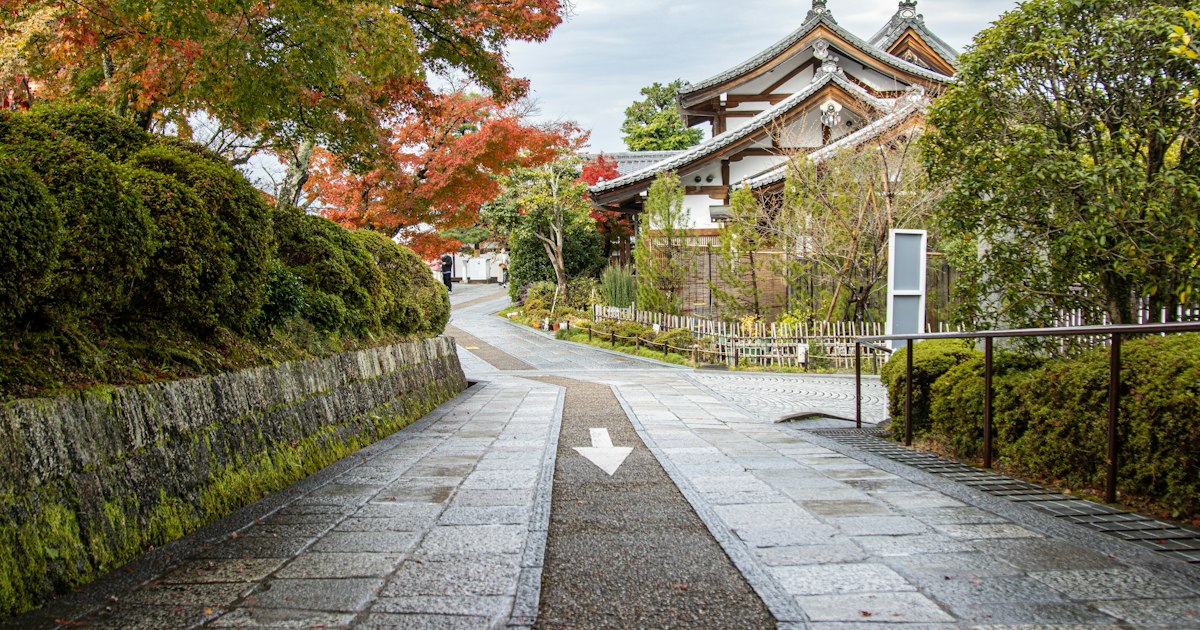
Photo by Caleb Jack on Unsplash
Standing in front of a 1,200-year-old wooden hall with a laminated Japanese-only sign is a familiar moment for first-time visitors to Japan. Multilingual audio guides solve this at a growing number of temples, shrines, and museums, but availability is far less consistent than travelers expect — some world-famous sites have no audio guide at all, while others charge a deposit for a device the size of a TV remote. Here’s what’s actually on offer, what it costs, and how to avoid wasting time at a rental counter that doesn’t exist.
How Audio Guide Rentals Actually Work
Most paid audio guides in Japan follow one of two formats: a dedicated handheld player you rent at the ticket counter or entrance, or a free smartphone-based guide you access by scanning a QR code with your own phone and headphones. Handheld units are standard at larger national museums and major castles, while QR-code guides have spread quickly at temples and shrines because they cost the site almost nothing to maintain.
For handheld rentals, expect to leave a form of ID, a credit card, or occasionally your hotel key card as a deposit, and to return the unit to the same counter — not a drop box elsewhere on the grounds. Staff will usually hand you a laminated numbered card for a specific exhibit or garden route, which doubles as your return receipt.
What You’ll Pay: Budget to Splurge
Pricing clusters into three rough tiers:
- Budget (free–¥300): Most temple and shrine audio content now runs through free apps like ON THE TRIP, which partners with sites including Kiyomizu-dera, Kinkaku-ji, and several temples in Nara to offer narrated, multilingual walking commentary you stream on your own phone — no rental, no deposit, just your own earbuds.
- Mid-range (¥400–¥600): Dedicated handheld units at national and prefectural museums typically fall in this band, often with a reduced rate or free option for children and sometimes a joint ticket-plus-audio-guide combo priced slightly below buying both separately.
- Splurge (¥700–¥1,000+): Special temporary exhibitions — a major Impressionist loan show or a blockbuster ukiyo-e retrospective — frequently charge a premium for a guide covering the exhibition-specific commentary, sometimes narrated by a well-known actor or curator, separate from the permanent-collection guide.
Temples and Shrines: Hit or Miss
Don’t assume every famous temple has a rentable device. Many of Kyoto and Nara’s biggest draws rely entirely on the free app model or printed multilingual pamphlets rather than handheld players — the pamphlets cover the basics (founding date, principal deity, a few architectural highlights) but skip the storytelling you get from narrated commentary. Nijo Castle in Kyoto is one of the more reliable spots for an actual rental counter, offering a multilingual handheld unit for a few hundred yen that covers the ninomaru-goten palace rooms room by room.
If you’re building a temple-heavy itinerary around summer in Kansai, it’s worth timing a visit to overlap with local neighborhood traditions rather than just opening hours — events like Jizo Bon in late August give you a reason to linger in residential temple districts you’d otherwise walk straight past.
Museums: Where the Investment Pays Off
National-level museums are where multilingual audio guides are most consistently worth the money. Expect English as standard, with Chinese (simplified and sometimes traditional) and Korean close behind, and French or Spanish at the largest Tokyo and Osaka venues. These guides tend to run 45–90 minutes for the full permanent collection route, with shorter “highlights” tracks of 20–30 minutes for visitors on a tighter schedule — ask at the counter which version you’re renting, since the fee is often the same regardless of length.
Smaller regional and specialist museums are a mixed bag. Local pottery and craft museums, like the small galleries clustered around Kasama’s pottery town near Tokyo, often skip audio guides entirely and rely instead on volunteer docents or bilingual placards — which can actually be more useful if you have questions, since a human can answer them and a recording can’t.
Common Mistakes Visitors Make
The biggest one is assuming every major site has an audio guide and arriving without a backup plan — check the site’s official page or ask at the ticket window the moment you buy entry, since rental counters are sometimes tucked past the turnstile rather than at the main gate. The second is forgetting your own earbuds or headphones when a site has switched to the free QR-code app model; some locations provide disposable earbuds for a small fee, but not all do. The third, easy to overlook, is losing track of time — a full narrated circuit of a large museum can run over an hour, which matters if you’re trying to fit two or three sites into a single afternoon before closing.
Small text on handheld device screens and ticket stubs with tiny multilingual print trips up more visitors than you’d expect, particularly later in the day when gallery lighting dims. If you didn’t pack your reading glasses, drugstores and 100-yen shops near most major museum districts sell basic non-prescription pairs cheaply — see our rundown of where to find them if this is a recurring travel annoyance.
Timing and Practical Tips
Museums in Japan commonly close one day a week (frequently Monday, though national holidays can shift this to the following day) and most stop admitting visitors 30–60 minutes before the stated closing time — plan your audio guide rental around that cutoff rather than the closing time itself, since rushing a 90-minute narrated route in 40 minutes defeats the purpose. Weekday mornings right after opening are the quietest window for both temples and museums, letting you actually hear the narration without crowd noise competing for your attention.
Spring (late March–April) and autumn (November) bring the heaviest crowds to Kyoto and Nara’s temple circuit, which also means rental counters can have short queues of their own during peak hours — a minor but real reason to visit popular sites early or late in the day rather than midday in cherry blossom or foliage season.
Is It Worth Renting One?
For first-time visitors to a major site — a national museum, a UNESCO-listed castle, a temple complex with genuine historical depth — a multilingual audio guide is usually the best few hundred yen you’ll spend on the trip, turning an unfamiliar building into a story you’ll actually remember. For smaller sites or repeat visits, the free pamphlet or a quick read of the posted English signage is often enough, and you’re better off saving the rental fee and the few minutes it takes to queue, sign for, and return the device.