You bought a camera, a pair of headphones, or a Switch bundle, paid through a konbini terminal, and now the little thermal-paper slip that proves it has vanished into a jacket pocket or a bin at the station. If the electronics store told you the return has to happen today and requires that receipt, don’t panic yet — there are real options, though not all of them work, and timing matters more than almost anything else.
Why Japanese Electronics Stores Are So Strict About Receipts
Japan doesn’t have a blanket legal “right to return” the way some countries do. Returns and exchanges for non-defective items are a store policy, not a law — the retailer is choosing to offer it, usually with conditions: item unopened, original packaging intact, and proof of purchase within a set window. Major chains like Bic Camera, Yodobashi Camera, and Yamada Denki typically allow unopened-item returns for about a week (commonly 7–8 days), but the exact number is printed on the back of your receipt and can vary by branch, so don’t assume it matches what a staff member at a different store told you.
Because there’s no legal obligation behind it, staff lean hard on the receipt as their only internal justification for processing a refund. No receipt usually means no proof the transaction even happened at that register, which is why “same-day” deadlines get enforced so literally — a manager can authorize an exception, but only if something else ties you to the sale.
The Konbini Receipt vs. the Store Receipt: What’s the Difference
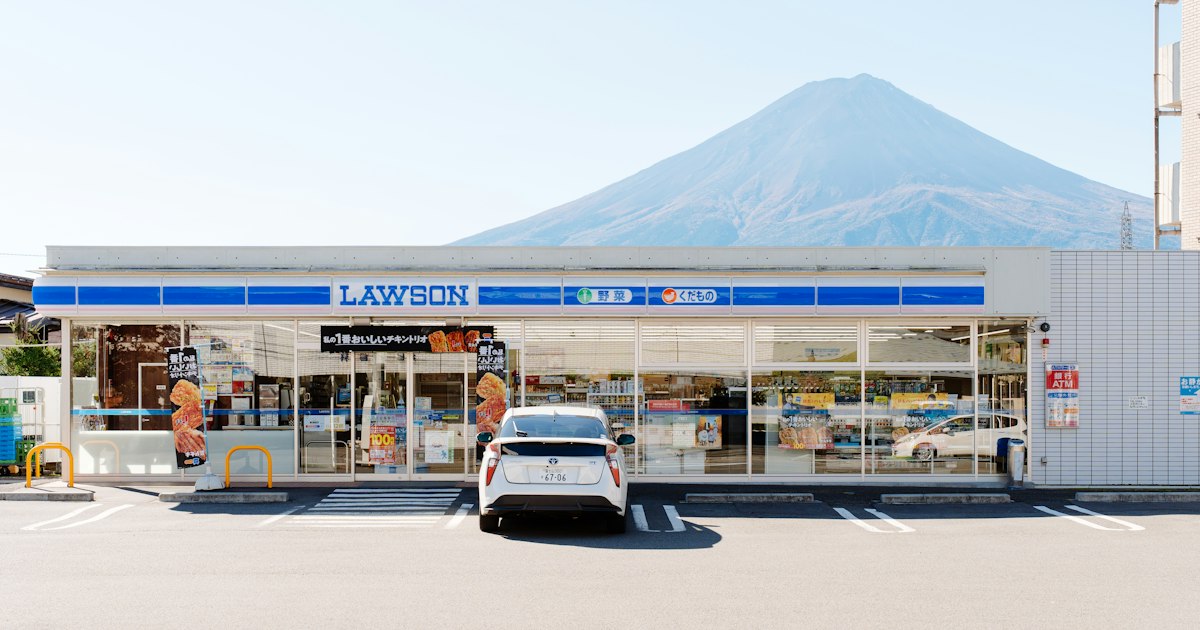
This is where confusion often starts. If you reserved an item online (through a retailer’s own site, Rakuten, or a similar service) and chose konbini payment, you paid at a Loppi machine (Lawson) or FamiPort kiosk (FamilyMart), which printed a payment confirmation slip — that’s separate from the in-store sales receipt you got when picking up the item. Some stores treat the konbini slip as the real proof of purchase for returns, especially for reservation-based sales, because the point-of-sale receipt alone doesn’t show that you actually paid in advance.
If you still have the order confirmation email or app notification from when you made the reservation, keep it open on your phone before you go anywhere else — it usually has an order number, which is the single most useful thing you can hand a store clerk when the physical slip is gone.
You Lost It — What to Try Right Now
- Go back to the same konbini, same day if possible. Lawson and FamilyMart keep transaction records for a period after payment, and staff can sometimes look up and reprint a payment slip at the Loppi or FamiPort terminal if you can give them the order number or the phone number used at checkout. This isn’t guaranteed — it depends on the clerk and how recent the transaction is — but it costs nothing to ask.
- Check your card or Suica/IC statement. If you paid by credit card rather than cash at the konbini, the charge timestamp and amount on your card app or statement is real evidence a manager can match against the store’s own system.
- Pull up the email or app confirmation. Online reservations almost always generate a confirmation with order ID, item name, and price — this is often accepted as a substitute, especially at bigger chains with centralized order systems like Yodobashi.com or Bic Camera’s app.
- Ask the original store to search their POS by phone number or loyalty card. If you used a Japanese phone number or signed up for a store point card (Bic Camera’s and Yodobashi’s point cards link purchases to your account), staff can often pull the sale that way without the paper slip at all.
Do this before the end of the day. Same-day return policies are enforced by the clock on the register, not by your intentions — walking in tomorrow with the same story usually gets a flat no, even with a receipt in hand.
When the Store Says No: Your Fallback Options
If the item is genuinely faulty rather than just unwanted, you’re in a stronger position regardless of the receipt situation — manufacturer defects are covered separately from store return policy, often through the maker’s own warranty service, and Japan’s Product Liability Act applies to defective goods independent of whether you kept paperwork. Bring the item to the brand’s service counter (Sony, Canon, and Nintendo all have Tokyo service centers) rather than fighting with the retailer. We cover a parallel version of this problem — what’s actually achievable when a souvenir turns out faulty and you don’t have ideal proof — in Returning a Faulty Souvenir Bought at a Shrine Gift Shop: What’s Actually Possible, and the underlying logic (defect rights outlast policy deadlines) applies to electronics too.
If you also claimed tax-free status on the purchase, a missing receipt compounds a second problem at the airport, since customs can flag or reject an incomplete tax-free paper trail at departure. If that’s part of your situation, read Tax-Free Purchase Flagged at Departure? How to Fix a Rejected Tax-Free Receipt in Japan before you leave the city, not after you’re in the security line.
Preventing This on Your Next Purchase
Photograph every receipt the moment you’re handed it — both sides, since return policy details are usually printed on the back in small text. For konbini payments specifically, take a screenshot of the order confirmation screen before the Loppi or FamiPort machine even prints the slip; that screen usually shows the order number that staff can search by later. If you’re buying something like a reservation-only gaming console or a hard-to-find import item — the same category covered in Hunting Down Multi-Language Japanese Switch and PS5 Games: Where to Shop Smart — keep every piece of paper from reservation through pickup until you’ve left the country, since those purchases often go through exactly this konbini-payment-then-pickup flow.
Budget, Mid-Range, and Splurge: How Hard Should You Fight
For a budget item — cheap earbuds, a ¥2,000–3,000 accessory — it’s usually not worth burning hours chasing a replacement slip; cut your losses and move on with your trip. For mid-range electronics (¥15,000–60,000, like headphones or a basic camera), it’s worth the hour it takes to visit the konbini and try a lookup, since the item’s value justifies the effort. For a splurge purchase — a full camera body, a high-end lens, anything above ¥100,000 — go in person to the store manager rather than relying on phone calls or email; high-value transactions are more likely to be traceable in their system, and managers have real discretion to approve exceptions when the purchase amount makes the paperwork gap clearly worth resolving properly.
Most of these situations resolve with persistence and same-day action rather than the lost paper itself. The receipt was always just evidence — what actually gets you a return is proving the transaction happened, and there’s usually more than one way to do that if you move before the store closes.