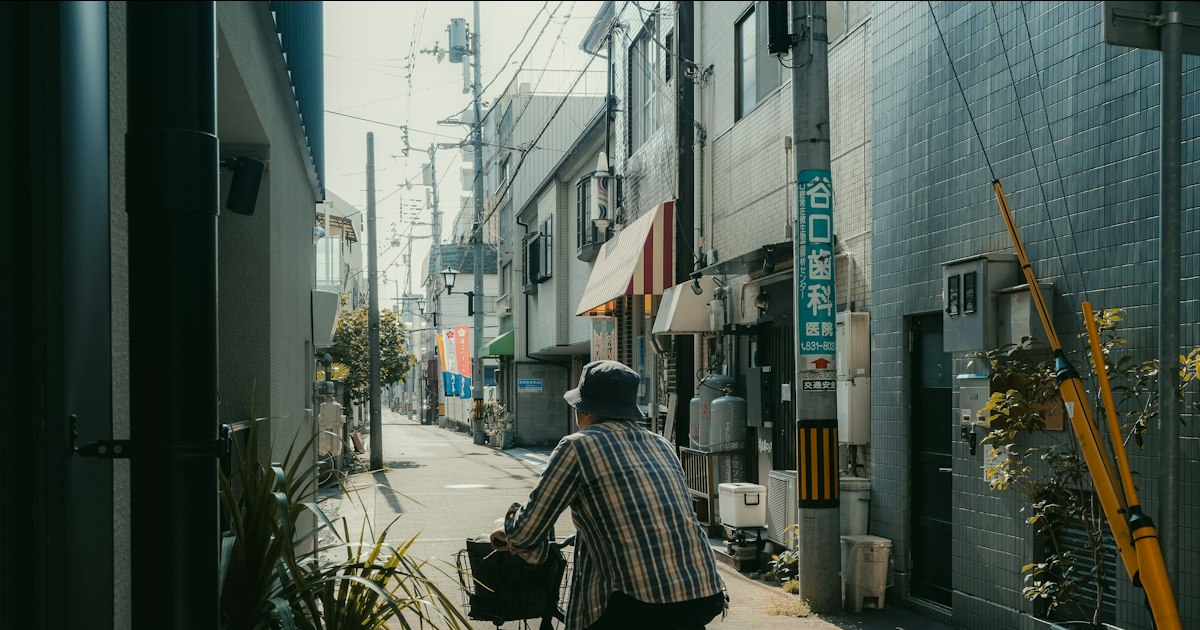
Photo by Johnny Ho on Unsplash
If you’re renting an apartment in Japan for more than a few weeks — whether on a work visa, a long-term study stay, or a extended house-sit — you’ll likely encounter two uniquely local institutions that no amount of Google Maps or translation apps fully prepares you for: the chonaikai (neighborhood association) and the strict rules around gomi (household waste) sorting. Neither is legally mandatory in most cases, but both carry real social weight, and getting them wrong is one of the fastest ways to become “that foreign tenant” the building manager gets complaints about. Here’s what to actually expect and do.
What a Chonaikai Actually Is
A chonaikai (also called jichikai in some regions) is a voluntary residents’ association organized by neighborhood block, not by your specific apartment building. It predates modern city government structures and still handles things city hall doesn’t: distributing回覧板 (kairanban, a circulating notice binder passed door-to-door), organizing the local summer bon-odori festival or autumn mochi-pounding event, running disaster-preparedness drills, maintaining shrine grounds or small parks, and — in many areas — managing the gomi collection point for your block.
Membership is technically optional, but in practice most long-term residents join, because opting out can mean exclusion from disaster communication networks, loss of access to the local gomi station, or simply being the one household that never gets invited to anything. Monthly dues are modest: typically ¥200–500 per month, often collected twice a year (around April and October) in cash, sometimes by a volunteer who comes to your door. Some associations fold a one-time “entry fee” of ¥1,000–3,000 into your first payment.
Who Signs You Up, and When
Usually your real estate agent or the building’s management company mentions the chonaikai during move-in paperwork, but not always — some simply hand you a laminated gomi calendar and assume you’ll figure out the rest. If nobody brings it up within your first month, ask your landlord or management company directly: “Chonaikai ni hairu hitsuyou wa arimasu ka?” (Do I need to join the neighborhood association?). In larger apartment complexes with a management association (kanrikumiai) that already handles building upkeep, the chonaikai may be entirely separate and optional; in smaller rental houses or older apaato buildings, it’s often expected by default.
This is the same stage of settling in where other first-week surprises tend to appear — if someone also knocks on your door about public broadcasting fees, that’s a separate, unrelated visit covered in our guide to the NHK reception fee collector. Don’t confuse the two: NHK collectors are pursuing a legally debated broadcasting fee, while chonaikai dues are a voluntary community payment, and the people collecting each are completely different.
Gomi Sorting: The Rules That Actually Matter
Every municipality sets its own categories, but most break down into: burnable waste (moeru gomi — food scraps, paper, most non-recyclable packaging), non-burnable waste (moenai gomi — small metal items, ceramics, broken glass), recyclables (cans, glass bottles, PET bottles, and plastic packaging — often each in its own separate bag), and bulky waste (sodai gomi — furniture, appliances over roughly 30cm).
Collection happens on fixed weekdays — burnable waste is often twice a week, recyclables once a week or even once a month, depending on the ward. You’ll receive (or can pick up free at the ward/city office) a multilingual gomi calendar; most major cities including Tokyo’s wards, Yokohama, and Osaka publish English, Chinese, Korean, and sometimes Vietnamese or Tagalog versions. Many municipalities also have a dedicated gomi sorting app (search your city name + “ごみ分別アプリ”) that sends push reminders the night before collection.
- Designated bags: Many municipalities require you to use officially printed, translucent bags (shitei gomi bukuro) sold at any konbini or supermarket, costing roughly ¥20–50 per bag depending on size. Putting trash in a plain supermarket bag can mean it’s left uncollected with a rejection sticker.
- Timing: Trash generally must go out by 8:00–8:30am on collection day, not the night before — leaving bags out overnight invites crows, raccoon dogs, and neighbor complaints.
- Bulky waste fees: Sodai gomi usually requires a phone or online reservation and a paid sticker (ranging roughly ¥200 for a small item to ¥1,000+ for furniture), purchased at a convenience store in advance.
Common Mistakes Foreign Renters Make
The single biggest misstep is putting bottles, cans, or plastic packaging straight into burnable trash without rinsing — most municipalities expect recyclables rinsed clean, lids and labels removed. The second is guessing at collection days instead of checking the calendar; a bag set out on the wrong morning often just sits there, sometimes with a bright sticker flagging the offending household, visible to every neighbor who walks past. The third is assuming your home country’s categories map directly — a takeout container that’s “recyclable” plastic in your hometown may count as burnable gomi in Japan if it’s soiled with food residue.
A subtler mistake is skipping the chonaikai dues and then being surprised when nobody tells you about the summer festival, the disaster drill, or a change to the gomi collection point. Community events organized by the chonaikai — the same kind of grassroots organizing that puts on a local undokai sports day, similar in spirit to the school sports days visiting families sometimes stumble across — are where a lot of practical neighborhood information actually gets shared informally, long before it reaches an official notice.
If You Decide Not to Join
Declining chonaikai membership won’t get you evicted or fined, and plenty of younger renters in large cities opt out without consequence. But check two things first: whether your specific gomi collection point is chonaikai-managed (in some neighborhoods, non-members are asked to dispose of trash at a different, often less convenient, location), and whether your ward sends disaster-preparedness information through the chonaikai network rather than directly to residents. In earthquake-prone areas, that second point is worth taking seriously.
Practical Steps for Your First Week
Ask your landlord or management company directly about chonaikai membership and dues rather than waiting to be approached. Pick up (or ask for) a multilingual gomi calendar from your ward or city office — most offices have one on a front-desk rack with no need to request it specially. Confirm the exact collection point for your building, since it’s sometimes a shared bin area down the block rather than directly outside your door. Keep a small stock of designated gomi bags from your first konbini run, and set a weekly phone reminder for collection mornings until the schedule becomes second nature.