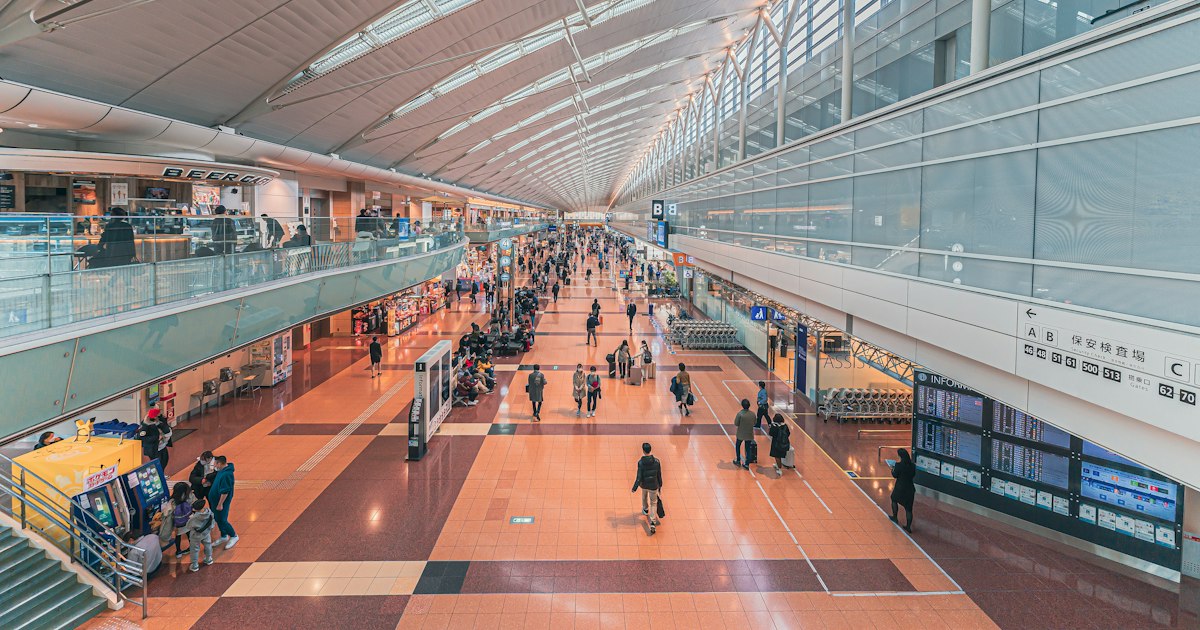
Photo by mos design on Unsplash
A long layover in Japan doesn’t have to mean sleeping upright in a departure lounge chair. Narita, Haneda, and Kansai all have paid shower rooms tucked into their terminals, plus nearby capsule hotels and day-use rooms for travelers with enough time to actually lie down. None of it is free, and almost none of it is obvious from the main terminal signage — so here’s what each airport actually offers, what it costs, and how to avoid wasting your layover hunting for a locked door.
Why a Shower Can Make or Break a Long Layover
If you’ve just stepped off a 10-hour flight from the US or Europe and have another 5+ hours before your connection, a shower resets your body clock far more effectively than coffee does. It also matters for comfort reasons that are easy to underestimate: Japanese airports are warm and humid in summer, and arriving at your final destination sticky from a transpacific flight is a rough start to a trip. Layovers during peak Japanese holiday periods — Golden Week (late April–early May), Obon (mid-August), and the New Year stretch (late December–early January) — see the heaviest use of these facilities, so plan a little slack if you’re flying through then.
Narita Airport: Shower Rooms, Rest Houses, and a Capsule Hotel Down the Road
Both Terminal 1 and Terminal 2 at Narita have coin/card-operated shower rooms located inside the departure area, past security — meaning international transit passengers who haven’t cleared immigration can still use them. Expect to pay roughly ¥1,000 for the first 30 minutes, with towel and basic toiletries usually included or available for a small add-on fee. These rooms generally only operate during terminal business hours (roughly 6:00am–10:00pm), not around the clock, since Narita has limited late-night flight activity.
For longer rests, Narita Airport Rest House in Terminal 2 offers day-use rooms with private showers, aimed at travelers with a six-hour-plus gap — figure somewhere in the ¥5,000–8,000 range for a few hours. If your layover stretches overnight, 9h nine hours Narita Airport is a capsule hotel a short free shuttle ride from the terminals; because it’s outside the secure zone, you’ll need to clear immigration to reach it, so this only makes sense if your layover genuinely includes an overnight stretch (8+ hours) rather than a tight same-day connection.
Haneda Airport: The Easiest Airport for a Quick Refresh
Haneda is the most convenient of the three for a quick clean-up because its shower rooms sit directly in the departure/transit area of both Terminal 2 (domestic) and Terminal 3 (international) — no need to exit security. Pricing runs around ¥1,030 for 30 minutes, with extensions billed in roughly 15-minute increments. Because Haneda runs close to 24-hour operations with very few curfew restrictions, these facilities tend to have longer opening windows than Narita’s, though individual shower rooms may still close for a few hours overnight — check the terminal’s facility map rather than assuming.
If you want a proper bed rather than just a shower, the Haneda Excel Hotel Tokyu is connected to Terminal 2 by a covered walkway and sometimes offers day-use rooms when occupancy allows, though it’s landside — useful before departure or after arrival, not for international transit passengers who haven’t entered Japan. It’s the splurge option here, running well above ¥15,000 for an overnight stay.
Kansai Airport: 24-Hour Showers and a Capsule Hotel Steps from the Terminal
Kansai International Airport (KIX) is the one true 24/7 operation among the three, which makes it the most forgiving for odd-hour layovers. Its shower rooms, located past security in both the international and domestic wings, are generally priced around ¥1,050 for 30 minutes and are accessible at any hour, unlike the more limited daytime windows at Narita.
KIX also has one of the most convenient capsule hotels of any Japanese airport: First Cabin Kansai Airport, in the Aeroplaza building, reachable via a covered walkway a few minutes’ walk from Terminal 1. It’s landside, so you’ll need to have cleared immigration (or not yet entered the secure zone before departure) to use it. Day-use plans for a few hours start around ¥3,900, while a full overnight cabin runs roughly ¥7,000–9,000 — solid value compared to a city hotel, if your layover timing allows the walk and re-screening.
Budget, Mid-Range, and Splurge Picks at a Glance
- Budget: Airport shower rooms at any of the three — roughly ¥1,000–1,050 for 30 minutes, no reservation needed, works for layovers as short as 1.5–2 hours.
- Mid-range: First Cabin Kansai Airport or a Narita Rest House day-use room — a real bed, a door that locks, a few thousand yen more, best for 5–8 hour gaps.
- Splurge: Haneda Excel Hotel Tokyu or an overnight at 9h nine hours Narita — a full bed and a real night’s sleep, best for genuine overnight layovers.
Common Mistakes to Avoid
- Assuming it’s free. Every shower room at all three airports is a paid service — bring cash, an IC card, or a credit card, since not every machine accepts all three.
- Forgetting re-entry time. If your plan involves leaving the secure transit area for a landside capsule hotel, budget at least 45–60 minutes extra for re-clearing security and immigration — this has caused more than one missed connection.
- Overpacking toiletries. Most airport shower rooms already include towel, soap, shampoo, and sometimes a hair dryer, so a full toiletry kit is usually dead weight.
- Not booking capsule beds in advance during peak season. Golden Week, Obon, and New Year layovers can fill these up; a same-day walk-in isn’t guaranteed.
- Skipping your own painkillers. Jet lag headaches are common after long-haul flights, but Japanese drugstores — and airport ones especially — stock much weaker painkillers than many travelers are used to; see why you can’t find strong ibuprofen or codeine in Japan before you fly.
Practical Tips for Timing Your Shower or Nap
Use the terminal’s physical directory boards or ask at an information counter — shower rooms aren’t always marked clearly on digital wayfinding apps. If you want to leave the airport entirely for a longer layover and head into central Tokyo instead of using an airport facility, check how bad Tokyo rush hour actually is and how to avoid it first, since a mistimed trip into the city can eat your entire layover in train delays. And since booking a capsule room or checking real-time flight status both depend on having working data the moment you land, it’s worth sorting out connectivity issues before you need them — our guide on fixing a SIM card or eSIM that won’t connect in Japan covers the most common snags travelers hit right after touchdown.
However you spend the gap, treat the shower as the baseline and the capsule bed as the upgrade: even a 20-minute rinse after a long-haul flight makes the rest of your trip — or the rest of your connection — noticeably easier.