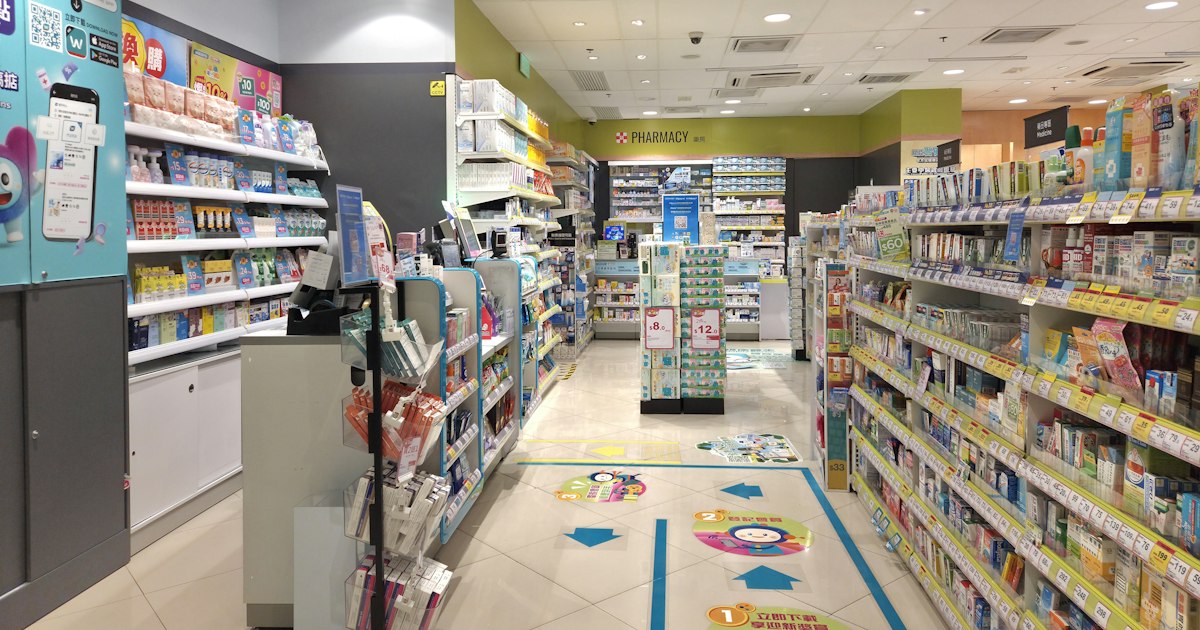
Photo by Cheung Yin on Unsplash
If you’ve ever stood in a Matsumoto Kiyoshi or Sundrug with a headache, scanning rows of unfamiliar boxes for something resembling the 400mg ibuprofen or codeine-laced cold tablets you’d grab at home, you’ve probably come away confused — and still in pain. Japan isn’t out of stock. It simply regulates painkillers differently, and understanding that logic before you land will save you a trip to a clinic (or a conversation with customs).
The Short Version: What’s Actually Going On
Japan’s drug laws split medicines into tiers based on potential for abuse and side effects, not just effectiveness. Ibuprofen is sold over the counter, but at much lower doses per tablet than you’re used to — typically 100–150mg instead of 200–400mg. Codeine is treated as a narcotic under the Narcotics and Psychotropics Control Act, so anything beyond a trace amount simply isn’t sold without a prescription, and bringing your own codeine-based medicine into the country can get it confiscated at the border. Neither of these is an oversight or a shortage — they’re deliberate regulatory choices that predate the current tourism boom and aren’t changing for visitors.
Japan’s Pain Reliever Hierarchy — What’s on the Shelf
Walk into any drugstore and you’ll find a wall of branded options rather than generic “ibuprofen” or “acetaminophen” boxes. The big names to know:
- EVE A / EVE Quick — ibuprofen, usually 100–150mg per tablet, combined with a mild sedative (allylisopropylacetylurea) and caffeine. A box of 40 tablets runs roughly ¥700–900. The standard adult dose is often two tablets, which gets you closer to Western single-dose strength.
- Loxonin S — loxoprofen, a different NSAID that many Japanese doctors and pharmacists consider stronger than standard ibuprofen for things like back pain or menstrual cramps. A box of 12 is around ¥700–800. Because it’s classified as a “designated second-class” drug, some stores require you to consult a pharmacist or take it from behind the counter rather than a self-service shelf.
- Bufferin A — aspirin-based, around ¥600–700 for 20 tablets.
- Tylenol A / Taiyo — acetaminophen (paracetamol), the go-to if you can’t take NSAIDs.
None of these will feel unfamiliar once you know what to look for — but don’t expect a 400mg ibuprofen tablet or a Nurofen-equivalent single dose. If one tablet doesn’t touch the pain, check the package insert (most have English dosage charts) before assuming you need to double up.
Why Codeine Is Treated Like a Narcotic
Codeine is legally classified as a narcotic in Japan, not a mild opioid cough suppressant like it is in much of the US, UK, or Australia. Products containing more than about 1% codeine or dihydrocodeine fall under strict import and prescription controls, and even hospital use is tightly supervised. This is why you won’t find co-codamol, Tylenol with codeine, or codeine-based cough syrups like Codral or Gee’s Linctus on any shelf, and why bringing them in your suitcase is genuinely risky — not just inconvenient. Border agents do check, and medicines in this category can be seized, with the traveler facing questioning or worse depending on quantity and intent. If you have a prescription for codeine-based pain relief at home, the safest move is to ask your doctor for an alternative before the trip rather than trying to bring it along.
Pseudoephedrine, Vicks Inhalers, and Other Surprise Confiscations
Codeine isn’t the only category that trips people up. Pseudoephedrine — the active ingredient in Sudafed, Contac, and the classic Vicks nasal inhaler — is restricted under Japan’s Stimulants Control Law because it can be converted into methamphetamine precursors. Carrying a reasonable personal supply is generally tolerated, but anything that reads as a bulk quantity can be flagged. Similarly, some ADHD medications (notably Adderall) are banned outright, no prescription or permit will help. If you take a controlled or unusual medication regularly, check Japan’s Ministry of Health, Labour and Welfare (MHLW) guidance before you pack, not after you’re standing at a customs desk in Narita or Haneda.
Where and When to Buy Painkillers in Japan
Standard drugstores (Matsumoto Kiyoshi, Sundrug, Tsuruha, Welcia, Daikoku) typically open around 9:00 or 10:00am and close by 9:00 or 10:00pm, with shorter hours in smaller towns. Convenience stores like Lawson and 7-Eleven stock a narrow range of basic OTC painkillers (EVE, Bufferin) near the register, useful if you’re desperate at midnight, though selection is limited and prices run slightly higher. Don Quijote locations in major cities are often open very late or 24 hours and usually carry a basic painkiller selection too. If you’re relying on your phone to find an open pharmacy or translate a package insert at 11pm, it’s worth sorting out connectivity issues before you need them — our guide on fixing a SIM card or eSIM that won’t connect in Japan covers the usual culprits. And if your phone does die at an inconvenient moment, it’s worth knowing that Japan’s public phone booths still exist for genuine emergencies, including calling a clinic or your travel insurance line.
If You Need Something Stronger: Clinics and Import Permits
For pain that OTC options genuinely can’t manage, a walk-in clinic (naika or seikeigeka for muscle/joint issues) can prescribe stronger NSAIDs like diclofenac or higher-dose loxoprofen, and in limited, supervised cases, low-dose codeine combinations. Expect to pay out of pocket as a visitor unless your travel insurance covers it — a basic clinic visit often runs ¥5,000–10,000 without Japanese national health insurance. If you take a prescription medicine regularly and need more than about a one-month supply (or it falls into a controlled category), you’ll need a yakkan shoumei — an import certificate from the MHLW. Apply online before you travel; processing typically takes one to two weeks, so this isn’t something to sort out from the airport.
Common Mistakes to Avoid
- Assuming “ibuprofen” on a Japanese label means the same dose you’re used to. Check the mg per tablet, not just the drug name.
- Packing cold and flu medicine from home without checking ingredients. Many combination cold remedies abroad contain codeine or pseudoephedrine at levels that cause problems at customs.
- Not budgeting extra travel time for a late-night pharmacy run — if you’re navigating a dense area like Shinjuku or Shibuya during the evening commute, give yourself a buffer; our guide to Tokyo rush hour is a useful read if you’re trying to dash to a drugstore before closing.
- Expecting every pharmacist to speak fluent English. Translation apps work well for symptom descriptions; pointing at a translated dosage chart is usually faster than explaining verbally.
- Waiting until you’re in pain to figure this out. If you know you’ll need something specific, research the Japanese equivalent (or apply for a yakkan shoumei) before departure, not after.
None of this makes Japan a hard place to manage a headache or a sprained ankle — it just runs on a different set of assumptions than home. Pack a small supply of your usual painkiller if you rely on a specific one, know what’s actually in it, and you’ll rarely need to think about any of this twice.