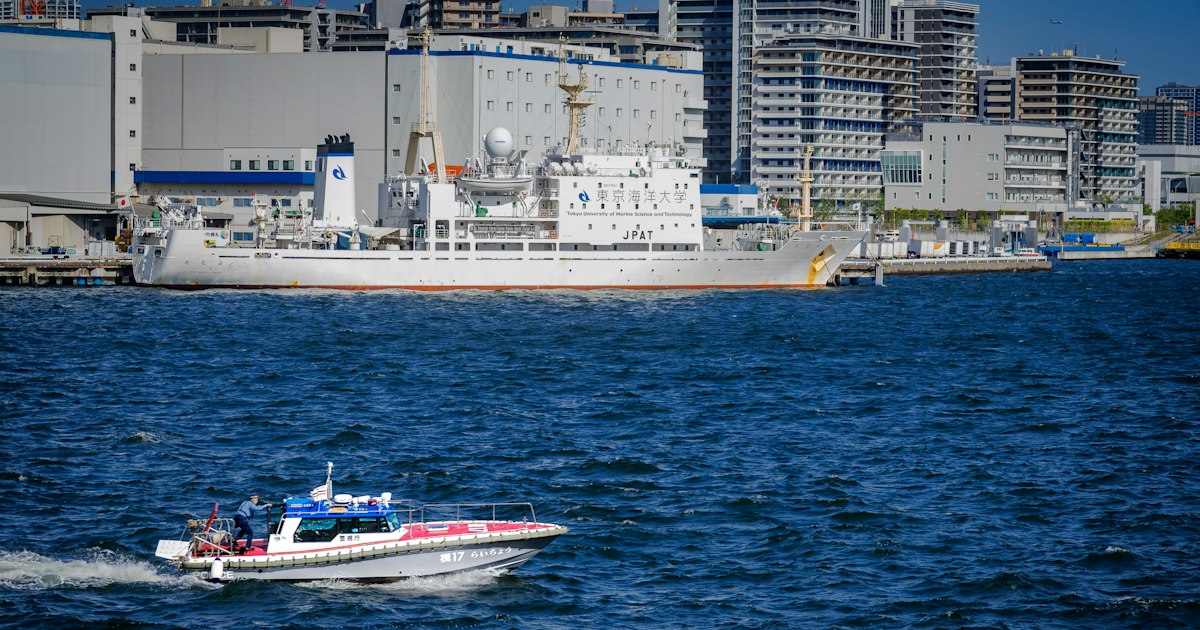
Photo by Se. Tsuchiya on Unsplash
You don’t need a boating license to pilot your own motorboat around Tokyo Bay. Japan’s Small Craft Operator law exempts motors rated under 1.5kW (roughly 2 horsepower) from licensing requirements, and a cottage industry of small marinas and fishing-boat operators around Tokyo and Yokohama has built entire rental businesses around that exemption. For a few thousand yen you can sit at the tiller of your own low, open-hulled “2-horsepower boat” and putter along a river mouth or inner bay with no instructor and no paperwork beyond a quick safety briefing. It’s slow, it’s a little clunky, and it’s one of the more memorable half-days you can spend near either city.
What Counts as a “License-Free” Boat in Japan
The key number is 1.5kW of engine output. Any powered vessel under that threshold — almost always marketed in Japan as a “2-horsepower boat” (2馬力ボート, ni-bariki boat) — can legally be operated without the small craft license that jet skis and larger boats require. These are small aluminum or FRP hulls, usually 2.5–4 meters long, carrying one to three people, with a tiny outboard motor clamped to the stern. Top speed is modest, often capped around 5–10 km/h by the rental operator for safety, so this is not a thrill-ride like the jet skis covered in Renting a Jet Ski in Japan: Where Tourists Can Legally Ride — it’s closer to a self-drive rowboat with an engine. Life jackets are mandatory by law for everyone aboard, and operators will fit you before you leave the dock.
Where to Rent One in Tokyo Bay
The most accessible cluster of license-free boat operators sits along the rivers and canals feeding Tokyo Bay on the Chiba side, particularly around Urayasu and Gyotoku, a 20–30 minute ride from central Tokyo on the Tozai Line (get off at Myoden or Gyotoku Station, then a short taxi or walk to the river). These are mostly small family-run marinas that rent 2-horsepower boats by the half-day for recreational bay fishing, but plenty of operators are happy to rent to visitors who just want to cruise. Within Tokyo proper, Wakasu Seaside Park in Koto Ward has a marina area with boat and marine-leisure rental counters looking straight across the bay toward the Tokyo Gate Bridge; it’s reachable by bus from Shin-Kiba Station. Expect operators to ask for a phone reservation in advance — English-language websites are rare, so if you don’t speak Japanese, a hotel concierge or a Japanese-speaking friend calling ahead smooths things out considerably.
Where to Rent One in Yokohama
Yokohama’s inner harbor, around Honmoku and the channels near Yamashita Park, has a smaller but similar scene. Boats here tend to launch into calmer, more sheltered water than the open bay side near Haneda, which makes it a gentler introduction if you’ve never handled a boat before. Access from central Yokohama Station is usually a taxi or bus ride of 15–25 minutes, since these marinas sit in working waterfront areas rather than tourist zones — don’t expect signage in English. If you’re coming from Tokyo for the day, factor in enough time that you’re not fighting rush-hour trains on the way back; see Rush Hour in Tokyo: How Bad It Actually Is and How Tourists Can Avoid It if your return trip lands between 5pm and 7pm on a weekday.
Prices, What’s Included, and How Booking Works
Budget options run around ¥6,000–¥9,000 for a half-day (roughly 3 hours) rental of a basic 2-horsepower boat for one or two people, usually including fuel and life jackets. Mid-range packages, often aimed at bay fishing, run ¥10,000–¥15,000 for a full day and sometimes include rod rental, bait, and a cooler box. Splurge options exist at marinas that rent slightly larger license-free boats (still under the 1.5kW cap but roomier, 3–4 person hulls) for group outings, typically ¥15,000–¥20,000 for a half-day. Most operators want advance phone reservations, cash payment on arrival, and a photo ID. Some ask for a refundable deposit (¥3,000–¥5,000) against damage to the hull or motor. Opening hours generally follow daylight: most marinas run roughly 6am or 7am to sunset, with later morning slots (9am–12pm) easiest to book same-week.
Best Time to Go and Weather Considerations
April through October is the practical window — many smaller operators shut down or reduce hours over winter because the open deck of a 2-horsepower boat gets genuinely cold on the water, and rough winter wind makes the bay choppy even when it’s calm on land. Early morning slots tend to have the flattest water and the least boat traffic; by midafternoon, wind picks up on the open bay side. Operators will cancel or postpone for strong wind, rain, or swell with no argument, and most won’t refund a no-show cancellation on your end, so check the forecast before you commit to a booking. If you’re chasing a beach-and-sea day rather than a boat-piloting day, Chiba’s open coast is a different experience entirely — see Kujukuri Beach: Chiba’s Long Surf Coast and Easiest Beach Escape from Tokyo for that alternative.
Common Mistakes First-Time Renters Make
- Assuming “license-free” means unrestricted. Operators still set area boundaries (often marked by buoys or landmarks) and expect you to stay within them. Straying outside, especially into shipping lanes near the bay’s container port approaches, can get you flagged down or banned from future rentals.
- Not confirming the language situation before booking. Safety briefings are usually in Japanese only. If your Japanese is minimal, ask whether the operator can do a simplified hand-signal briefing, or bring someone who can translate the basics: start/stop, steering, what to do if the motor stalls.
- Underestimating sun and spray exposure. These boats have no cabin or shade. Sunscreen, a hat, and a dry bag for your phone and wallet are not optional extras.
- Booking too late in the day. Afternoon wind and tidal currents in the bay can make a boat that felt easy to steer at 9am noticeably harder to control by 2pm.
- Forgetting cash. Many of these small operators don’t take cards; bring exact or close-to-exact yen.
Quick Tips for a Smooth Day on the Water
Call ahead the day before rather than just showing up — availability is limited and English support is inconsistent, so confirming in advance avoids a wasted trip. Wear clothes you don’t mind getting splashed, and leave anything you can’t afford to drop in the water back at the hotel. If you want a taste of the area without piloting anything yourself first, ask the operator about a short guided run before you take the tiller solo; many are happy to do a five-minute demonstration lap. And if the whole point of the day is simply being out on Tokyo Bay rather than driving the boat yourself, it’s worth asking the same operators whether they also run passenger trips — some do, at similar prices to the self-drive rental.