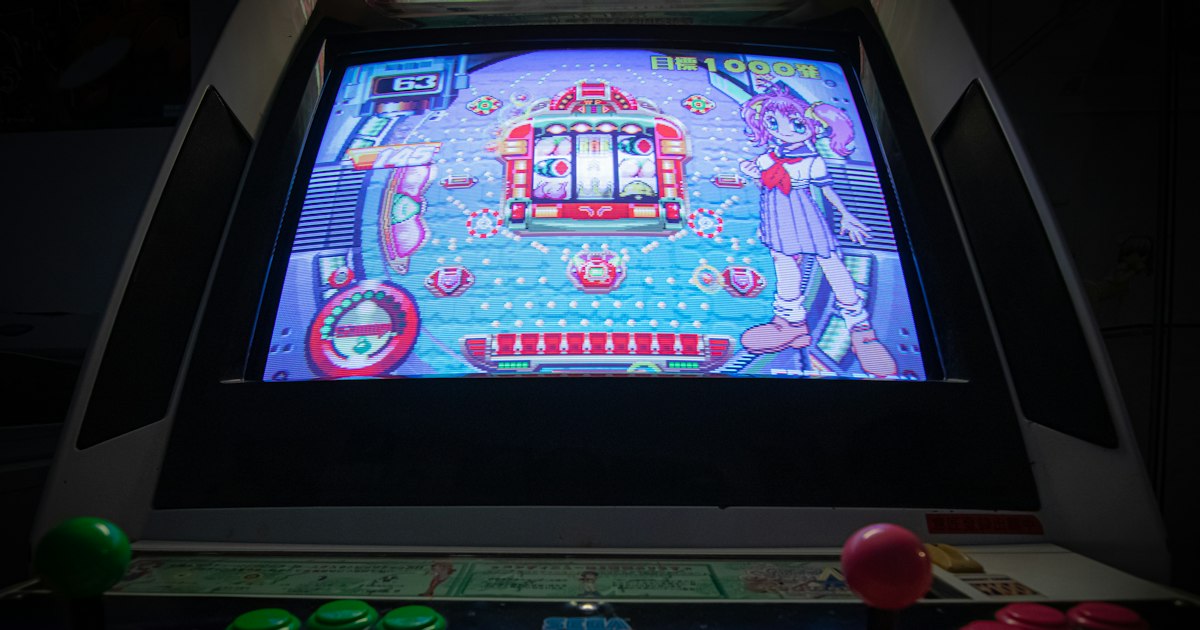
Photo by Senad Palic on Unsplash
Japan is a paradise for arcade culture, but it is a surprisingly hard place to find an actual flipper pinball machine. Pachinko parlors blanket every train station, rhythm game cabinets fill the big arcades, and yet classic Bally, Williams, Stern, or Gottlieb-style pinball — the kind you’d find in a dive bar in Chicago or Berlin — is a genuine niche. There is no “pinball district” in Tokyo or Osaka the way there’s an Akihabara for electronics. Instead, machines are scattered one or two at a time inside tiny retro bars, mixed-use game cafes, and hobbyist-run izakaya, which makes finding them part of the fun. This guide covers where to actually look, what it costs, and the mistakes that waste a night.
Pinball Is Not Pachinko — Know the Difference First
This trips up a lot of visitors. Pachinko is Japan’s ubiquitous mechanical gambling game — a vertical board where you launch small steel balls that cascade through pins — and pachinko parlors (loud, neon-lit, smoke-free since a 2020 law change) exist by the thousands. They are not pinball in the Western sense: there are no flippers, no table, no skill-based ball control. If you ask a pachinko parlor employee about “pinball,” you’ll get a confused look. What you’re hunting for is specifically called “ピンボール” (pinboru) in Japanese, and it’s a far smaller, more enthusiast-driven scene tied to retro video game and collector culture rather than gambling.
Where Machines Actually Hide in Tokyo
There is no dedicated “pinball bar” chain in Tokyo, but real machines do turn up in a few reliable pockets:
- Koenji and Shimokitazawa — both neighborhoods have a dense cluster of small, owner-run bars built around specific hobbies (vinyl, retro video games, old movies). A handful keep one or two well-maintained Western pinball tables alongside classic video cabinets. These bars rotate machines occasionally, so what’s there this month may not be there next month.
- Shinjuku’s Golden Gai and Kabukicho side streets — a few of the famously tiny six-seat bars have a single pinball machine wedged into a corner as part of their retro-game identity. Golden Gai bars are intensely personal spaces run by one owner, so the vibe (and the game selection) depends entirely on who’s behind the counter that night.
- Game cafes near Akihabara — not pinball-specific, but retro arcade cafes in the area occasionally stock a flipper machine among dozens of vintage video cabinets. Worth a detour if you’re already there for the electronics shopping or visiting the rhythm game arcades the area is known for — many of the same multi-floor arcade buildings mix genres across floors.
The single most useful tool for this hunt is Pinball Map (pinballmap.com), a crowdsourced, worldwide database of pinball machine locations that volunteers update when machines move or break down. Its Japan coverage is thin compared to the US or Europe, but it’s far more current than any travel blog, and checking it before you go saves a wasted trip to a bar whose machine died six months ago.
Osaka’s Retro-Game Underground
Osaka’s scene centers on two neighborhoods: Den Den Town (Nipponbashi), the city’s answer to Akihabara, packed with retro game shops and secondhand electronics stores; and Amerikamura, a younger, streetwear-and-nightlife district near Shinsaibashi. Pinball sightings in Osaka skew toward small hobbyist bars run by individual collectors rather than any commercial chain — the kind of place with a sign only in Japanese and a single well-loved machine from the 1990s next to the register. These are genuinely hard to find through English-language search, which is exactly why Pinball Map and X (Twitter) searches for “ピンボール 大阪” or “ピンボール 梅田” turn up better leads than Google Maps reviews in English.
What It Actually Costs
Expect these rough numbers, which hold fairly consistently across both cities:
- Per-game cost on the machine itself: typically ¥100–¥300 per play, inserted directly into the machine like any Japanese arcade game.
- Seat or cover charge: small owner-run bars commonly charge a seating fee of ¥500–¥1,000 (sometimes bundled with a small snack, called an otoshi), on top of whatever you drink.
- Drinks: a beer or highball at these bars generally runs ¥700–¥900.
- Cash only is common — Golden Gai and Koenji in particular still have bars that don’t take cards, so carry enough yen.
Budget-minded travelers can realistically spend ¥1,500–¥2,500 for an evening of drinks plus a dozen games. Splurge nights happen if you find a bar with a rare, beautifully restored machine and end up buying rounds for the regulars who’ll happily explain its history — tip generously with conversation, not cash, since tipping isn’t customary in Japan.
Best Time to Go Hunting
Spring (April–May) and autumn (October–November) are the most comfortable seasons for bar-hopping between neighborhoods on foot, since Tokyo and Osaka summers get brutally hot and humid between late June and September. Keep in mind that many of these small, owner-run bars close entirely during Obon (mid-August) and the New Year holiday period (roughly December 29–January 3), so don’t plan a pinball crawl around those dates. Weeknights, especially Tuesday through Thursday, tend to be quieter and give you more one-on-one time with both the machine and the owner, who is often the best source for where else to look.
Common Mistakes to Avoid
- Showing up in the afternoon. These are night bars, not daytime arcades — most don’t open until 19:00 or 20:00, and the pinball scene essentially doesn’t exist before dark.
- Assuming every “retro game bar” has pinball. Most retro bars in Japan are built around classic video game cabinets (Street Fighter II, Pac-Man tables), not flippers. Confirm on Pinball Map or by messaging the bar on social media before making a special trip.
- Confusing pinball with pachinko and wasting an evening in a parlor looking for flippers that don’t exist there.
- Not carrying cash. Many of these bars are too small and old-school to bother with card readers.
- Treating it like a guaranteed itinerary stop. Machines get sold, swapped, or sent out for repair. Build in a backup plan — a nearby izakaya or another retro bar — rather than crossing town for one specific table.
Ultimately, the appeal of pinball hunting in Japan is the hunt itself: it rewards travelers who enjoy wandering backstreets, chatting with bar owners in halting Japanese, and treating a rare find as the payoff rather than the baseline expectation. Pair it with a broader night of Tokyo’s arcade culture, and you’ll come away with a far richer picture of Japanese gaming than the pachinko neon suggests at first glance.