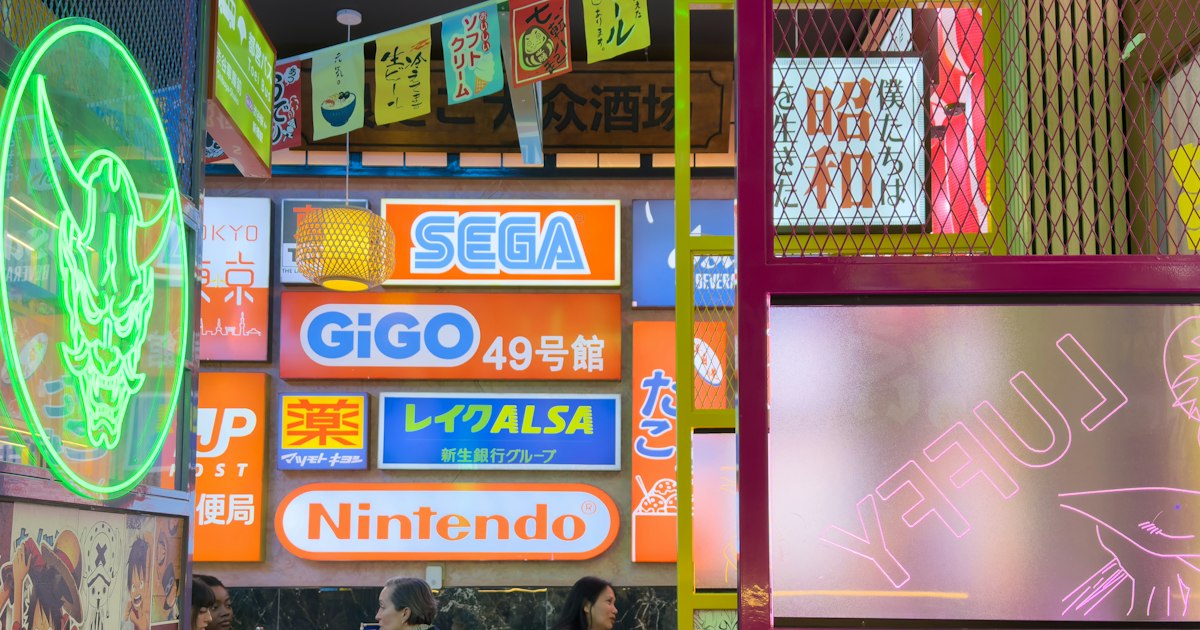
Photo by Dimitris Asproloupos on Unsplash
If you’ve ever watched a video of someone hammering a giant drum controller or slapping glowing touch panels in a circle and thought “I want to try that,” you don’t need a special invitation. Japan’s rhythm game cabinets — Taiko no Tatsujin, maimai DX, and Dance Dance Revolution (DDR) — sit in ordinary arcades, open to anyone with a pocketful of 100-yen coins. This guide covers what the games actually cost, where to find working cabinets with English-friendly menus, and the small habits that will keep you from holding up a line of regulars.
The Big Three: Taiko no Tatsujin, maimai DX and DDR
Taiko no Tatsujin is the drum game — you hit the center (don) or rim (ka) of a taiko drum controller in time with on-screen notes, using drumsticks chained to the cabinet. It’s the easiest for first-timers because the “Easy” and “Normal” difficulty charts are genuinely approachable, and the song list includes anime themes, J-pop, and Vocaloid tracks alongside traditional Japanese music.
maimai DX uses a circular touch-panel screen with eight outer buttons and a ring of motion sensors, so you’re tapping, sliding, and sometimes waving your hand through sensor zones. It looks intimidating because of the swirling note patterns, but the lowest difficulty levels are slow enough for a jet-lagged beginner to follow.
DDR is the one you probably already know: a raised dance platform with arrow panels, reading arrows scrolling up the screen. Most cabinets now run DDR A3 or newer, and the “Beginner” chart is genuinely beginner-friendly — don’t let the high-difficulty YouTube clips scare you off.
Where to Find Them: Best Arcades for Tourists
GiGO (formerly Sega arcades) and Taito Station are the two biggest chains and the most reliable bet for having all three games under one roof. GiGO Akihabara has several buildings along the main strip, with rhythm cabinets usually on the 2nd or 3rd floor alongside crane games. GiGO Shinjuku, right in Kabukicho, is open late and sees a mix of tourists and serious players, which makes it a good place to watch before you play.
Round1 is the chain to pick if you’re traveling with people who don’t want to play rhythm games — it bundles bowling, karaoke, and a full arcade floor (including Taiko, maimai, and DDR cabinets) under one roof, so non-gamers can bowl while you play. Round1 branches in Ikebukuro, Namba (Osaka), and Shibuya are reliably stocked. One caveat: Round1’s timed “free play” pass usually covers standard arcade games, but rhythm cabinets are frequently excluded and charged per credit even during free time — check the sticker on the machine before you insert anything.
If you want a quieter, more local scene away from the main tourist strips, arcades near university towns tend to have dedicated regulars and less crowding during the day. Hachioji, with its large student population, has exactly this kind of neighborhood arcade scene if you’re staying out that way.
How Much It Costs and How the Coin Slots Work
Almost every cabinet takes 100-yen coins only — no bills, and increasingly few machines take IC cards like Suica directly for play (some do via a separate reader, but don’t count on it). One credit is ¥100 on the vast majority of machines. What that ¥100 buys varies by game: maimai DX gives you three songs per credit as standard; Taiko no Tatsujin and DDR typically give you one song per credit, with an extra “encore” song awarded if you score well enough, so a good player gets more songs for the same coin.
Budget-wise, ¥1,000–¥1,500 in coins is enough for a solid hour of mixed play across games if you’re new and still exploring menus. Arcades usually have a coin-change machine (両替機, ryougaeki) near the entrance or cashier that takes ¥1,000 notes and dispenses 100-yen coins — use it before you start, since hunting for change mid-session wastes your time at the machine.
Most cabinets also offer a paid IC card (NESiCA for some Taito/Konami-affiliated games, or game-specific cards for maimai and Taiko) for around ¥300, which saves your scores and unlocks songs over repeat visits. It’s optional for a one-off visit — skip it unless you plan to come back during your trip.
Arcade Etiquette and Common Mistakes
The biggest mistake visitors make is lingering on a popular cabinet during a queue. If people are waiting, play your credit and step aside — don’t insert a second coin to “practice more” while others watch the clock. The local convention for claiming a spot in line is placing a coin or your card on the cabinet’s ledge; follow whatever the person ahead of you did.
Keep noise and phone use modest — most game centers allow phone photos of your own screen but discourage filming other players without asking. Drum sticks and dance pads take real physical force; wipe your hands if they’re sweaty, since the touch sensors on maimai and the pressure pads on DDR are sensitive enough that grip matters.
Don’t assume English menus — Taiko no Tatsujin and DDR have simple enough icons to navigate without reading Japanese, but maimai’s menu is denser. If you’re stuck, the staff (usually recognizable by a vest or name badge near the prize counter) are generally happy to point at the right button, even with a language barrier.
Best Time to Go
Weekday mornings and early afternoons (opening time, usually 10am or 11am, through about 3pm) are the quietest window — most regulars are students or office workers who show up after school or work. From roughly 4pm to 9pm, especially on weekends, cabinets fill up fast and you may wait 10–20 minutes for a popular machine. Late night (after 10pm) thins out again in most neighborhoods except Shinjuku and Shibuya, where some locations stay busy toward midnight. There’s no real seasonal pattern — these are indoor, air-conditioned spaces, which also makes them a solid rainy-day or midsummer-heat backup plan alongside things like indoor trampoline parks.
Budget, Mid-Range and Splurge Game Center Days
Budget: stick to a GiGO or Taito Station, bring ¥1,500–¥2,000 in coins, and treat it as a one-to-two-hour stop between other Akihabara errands. Mid-range: a Round1 visit lets you mix bowling or karaoke with rhythm games for a half-day group outing — budget ¥2,500–¥4,000 per person once you add arcade credits on top of the facility fee. Splurge: pair an arcade afternoon in Akihabara with a themed shoot at a cosplay photo studio for a full otaku-culture day, since several studios are a short walk from the main arcade strip.
If you get hooked, both Taiko no Tatsujin and maimai have official companion smartphone apps for tracking scores and practicing songs, but they’re often region-locked to the Japanese app stores — our guide to setting up a Japan-region Apple ID or Google Play account walks through getting access before or during your trip. And when you fly home with a pocket still full of leftover 100-yen coins from arcade change, those are exactly the kind of small coins that airport charity coin boxes are built for.