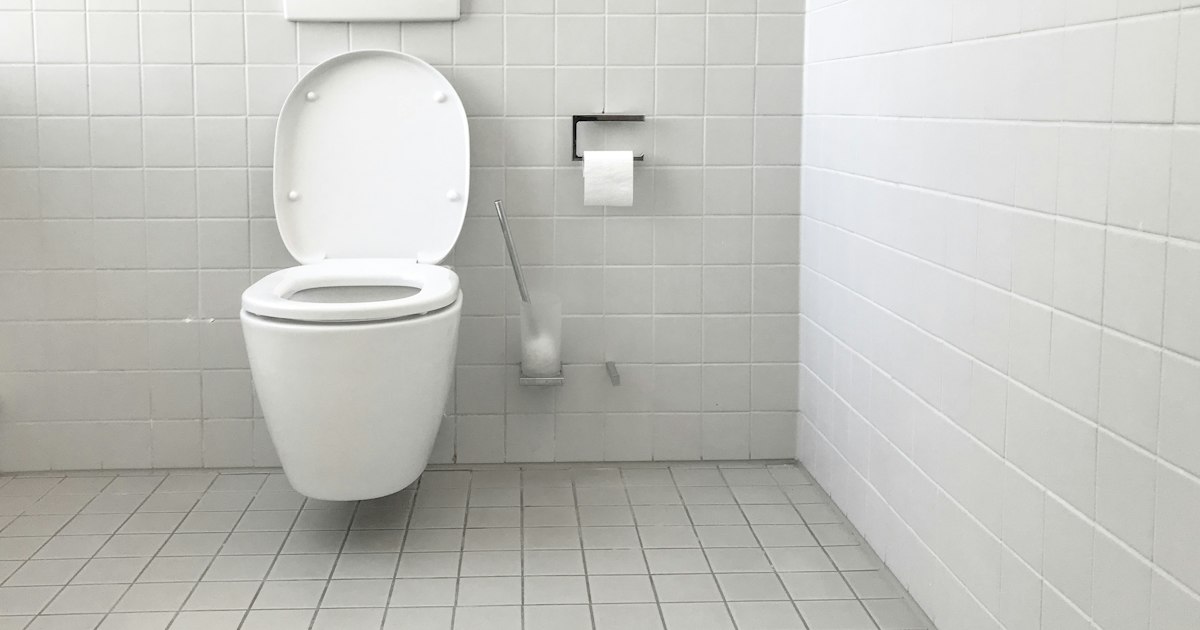
Photo by Jan Antonin Kolar on Unsplash
Japan popularized the heated, self-cleaning toilet seat, but you don’t need to renovate your bathroom at home to bring a little of that washlet comfort back with you. A growing shelf of portable bidets — ranging from ¥500 squeeze bottles to full electric attachment seats — means you can pack genuine Japanese bidet technology into a suitcase, no plumber required. Here’s what’s actually available, what it costs, and how to buy the right one without wasting a shopping day.
Why Shop for a Portable Bidet in Japan
Japan has the densest retail market in the world for bidet and washlet products, and competition between TOTO, LIXIL, and Panasonic has pushed designs smaller, lighter, and cheaper than what typically reaches overseas shelves. Local drugstores and variety stores also stock a parallel category most visitors never notice: inexpensive, non-electric “peri bottles” originally designed for postpartum care and elderly assistance, which double perfectly as travel bidets. Because these products are made for a domestic market obsessed with hygiene, build quality and nozzle design tend to be better than the novelty versions sold as “Japanese bidets” abroad at a markup.
Budget Pick: Squeeze-Bottle Travel Bidets (¥500–¥2,000)
The simplest and most packable option is a plastic squeeze bottle with an angled or curved spout, sold in the baby and maternity-care aisle of drugstores such as Matsumotokiyoshi, Welcia, and Daikoku, and in the household goods floors of Don Quijote, Tokyu Hands, and Loft. Fill with warm tap water, squeeze, done — no batteries, no installation, no moving parts to break. They weigh under 100g empty and fit in a quart-size liquid bag, so they’re fine in carry-on as long as you empty them before airport security. Expect to pay ¥500–¥1,200 at a drugstore, or slightly more (¥1,000–¥2,000) for a Tokyu Hands or Loft version with a softer, more ergonomic nozzle. This is the category to buy if you just want something functional for the trip home and future travel, not a showpiece.
Mid-Range Pick: Battery-Powered Handheld Bidets (¥3,000–¥9,000)
One step up are compact electric handhelds — small pump units, usually USB-C rechargeable, that produce a steadier, more adjustable stream than a squeeze bottle. They’re sold as novelty travel gadgets rather than medical devices, so selection varies by store and season; Don Quijote’s gadget floors and the gift sections of Tokyu Hands are the most reliable places to find them in person, and Yodobashi Camera or Bic Camera occasionally stock them near travel accessories. Weight runs 150–300g, small enough for a suitcase side pocket, but check the battery type on the box: most use a built-in lithium battery under 100Wh, which is fine in carry-on luggage but should never go in checked bags per airline lithium-battery rules. If you’re already stopping at a big-box store for last-minute trip gear, it’s worth comparing prices with the camping and outdoor-wash section at Alpen or Sports Depo, which carry rugged, hiker-oriented portable wash bottles that are more durable than the drugstore version, if less refined.
Splurge Pick: Full Washlet Attachment Seats (¥25,000–¥90,000)
If you want the actual electric washlet experience — heated seat, adjustable water pressure and temperature, air-dry function — at home, TOTO (the Washlet line), LIXIL/INAX (Shower Toilet), and Panasonic all sell attachment seats that fit over your existing toilet bowl and plug into a standard outlet, no plumbing renovation needed in most cases since they tap into the existing water supply line via a T-valve. These are not truly “pocket” portable — seats weigh roughly 3–5kg and measure about 40–50cm wide — but they do fit in a large checked suitcase or as a separate box, and many tourists buy them specifically to take home. Two things to check before buying: your home country’s voltage and plug standard (Japan runs 100V; most washlet seats are built for 100V only and will need a step-down transformer elsewhere), and whether your toilet bowl shape (round vs. elongated) matches the seat — Japanese models are generally sized for Japanese standard bowls, so measure your toilet before you shop. Yodobashi Camera and Bic Camera’s largest branches (Akihabara, Shinjuku) stock multiple models with English-speaking staff on some floors and can usually arrange export packaging.
Who Actually Buys These, and Why It Matters for Sizing
Portable bidets aren’t just a novelty souvenir — they’re a genuine comfort and hygiene tool for travelers managing hemorrhoids, IBS, postpartum recovery, or limited mobility, and for parents toilet-training young children on the road. If you’re managing a condition like this and also relying on prescription medication during your trip, it’s worth reading in advance about what to do if you run out of a prescription in Japan, since pharmacy access and bidet shopping often come up on the same kind of trip. If skin sensitivity is part of your packing calculus — easily irritated skin reacts to harsh paper or wipes — the same careful-ingredient mindset covered in our sensitive-skin buyer’s guide to Japanese mineral makeup is worth applying when choosing bottle materials and nozzle softness too.
Where and When to Buy
Drugstores and Don Quijote locations are open late (many Don Quijote branches run until midnight or 24 hours) and are the easiest same-day option if you realize on your last night that you want one. Yodobashi Camera and Bic Camera flagship stores typically open at 10:00 and close around 21:00 or 22:00, which matters if you’re buying a full washlet seat and want staff help with export paperwork — don’t leave this for your final afternoon before a flight. Airport duty-free shops carry a very limited selection, usually just squeeze bottles, so buy anything electric or full-size well before you reach Narita or Haneda. Online, Amazon Japan and Rakuten have the widest selection of handheld electric models with user reviews, useful if you want to compare before an in-store visit.
Common Mistakes to Avoid
- Buying a 100V-only electric model for a 220–240V country without budgeting for a transformer, which can cost more than the unit itself.
- Packing a filled squeeze bottle in carry-on — empty it before security, or pack it in checked luggage instead.
- Checking a bag with a lithium battery handheld instead of carrying it on, which violates most airlines’ battery rules.
- Not measuring your toilet bowl shape before ordering a full attachment seat, leading to a return-shipping headache.
- Assuming any drugstore will have electric handhelds in stock — call ahead or check a larger branch, since inventory is inconsistent store to store.
Whichever tier you choose, buying a portable bidet in Japan is one of the few souvenirs that keeps paying off well after the trip ends — a cheap, practical upgrade to ordinary travel hygiene that’s genuinely hard to find with this much selection anywhere else.