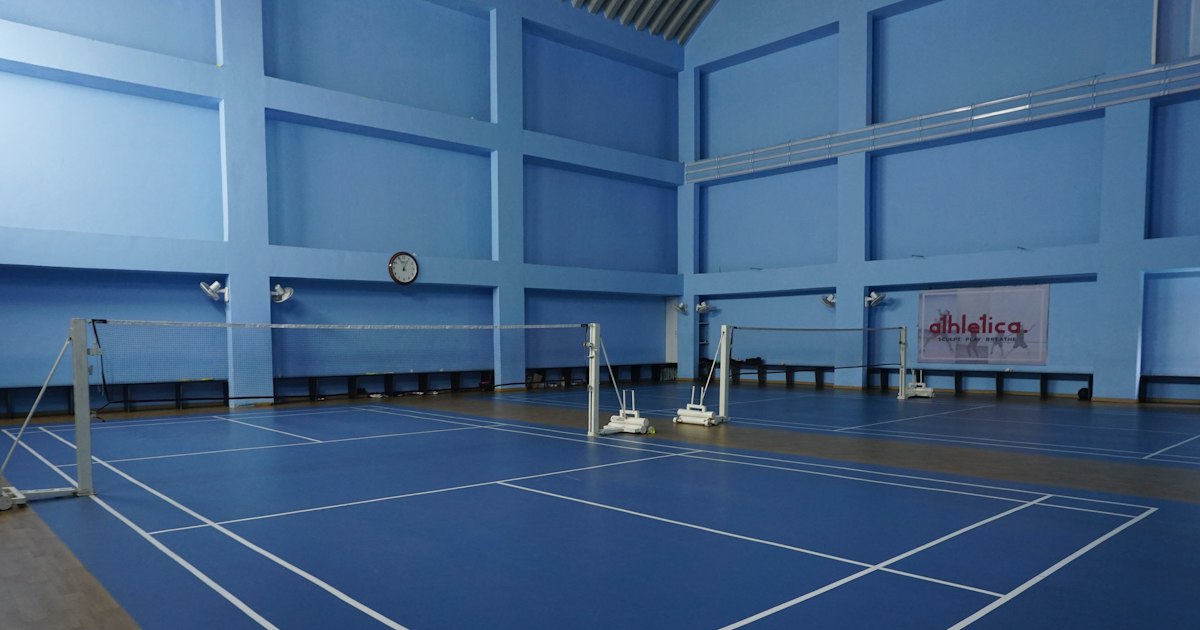
Photo by Palak Pitroda on Unsplash
Squash has never caught on in Japan the way it has in the UK, Egypt, or Australia, and that creates a real logistical puzzle for visiting players who want to keep training during a trip. There’s no national chain of pay-and-play squash centers like you’d find in London or Cairo, and most of the country’s few dozen courts sit inside members-only clubs rather than public sports facilities. The good news is that courts do exist, concentrated heavily around Tokyo and Yokohama, and a bit of advance planning will get you onto one.
Why Squash Courts Are Hard to Find in Japan
Municipal sports centers (sōgō supōtsu sentā) across Japan are built around the sports Japan plays competitively at a mass level — tennis, table tennis, badminton, and gymnastics — and squash courts almost never make the cut. The sport arrived with the foreign business and diplomatic community in the postwar decades, which is why today’s courts are still mostly attached to international membership clubs rather than city-run gyms. If you search for “squash” on a Japanese ward or city sports facility website, you’ll come up empty far more often than not, even in a city of Tokyo’s size.
This matters for trip planning: don’t assume you can walk into a neighborhood gym and book a court the way you might for badminton or futsal. You need to target specific clubs, and most of them want a reservation (and sometimes a member sponsor) arranged before you arrive.
Tokyo: Members’ Clubs and How Visitors Get Court Time
The most reliable squash courts in the capital are inside clubs built originally for the resident foreign community. The Tokyo American Club in Azabudai (Minato-ku) and similar international clubs maintain squash courts as part of a broader athletic facility that also includes pools, gyms, and racquet sports. These clubs are membership-based, and guest or visitor access generally requires either being sponsored in by an existing member or booking through a reciprocal-club arrangement if your home squash or athletic club has one with a Japanese counterpart — it’s worth emailing your home club before the trip to ask. Where guest play is permitted, expect a visitor fee in the rough range of ¥2,000–¥5,000 on top of court time, and plan to reserve at least a few days ahead by phone or email, since court slots are limited and weekday evenings (roughly 6–9pm, when working members play after office hours) fill up fastest.
If you don’t have a sponsor route, your best move is to contact the club directly, explain you’re a visiting player, and ask about day-guest policies — some clubs are more flexible for short-term visitors than their websites suggest, especially on weekday afternoons when courts sit empty.
Yokohama and the Kansai Region
Yokohama has its own long-established foreign-community club, the Yokohama Country & Athletic Club in the Yamate district, which includes squash among its racquet facilities and follows a similar member-plus-guest model. Yamate is a pleasant area to combine with sightseeing regardless of whether you get court time, as it’s known for its Western-style houses and harbor views.
Kansai (Osaka, Kyoto, Kobe) is noticeably thinner on squash infrastructure than the Tokyo–Yokohama corridor. There isn’t a well-known public-facing equivalent, so if you’re based there, your best bet is contacting university squash circles or checking the national federation’s listings (below) for any affiliated club in the region before you travel — don’t count on finding one on short notice once you land.
Using the Japan Squash Association’s Club Directory
The Japan Squash Association (日本スカッシュ協会) is the sport’s national governing body, and its website maintains a directory of affiliated clubs and courts by region. It’s in Japanese, but a browser translation plug-in makes it workable, and it’s the single best starting point for finding courts outside the well-known international clubs — including university clubs and smaller private facilities that don’t come up in English-language searches. Email outreach in simple English often works, since many affiliated clubs have at least one English-speaking member used to fielding questions from visiting players.
What to Bring, and Common Mistakes
Bring your own racket and a sleeve of balls. Japan has very few dedicated squash pro shops, so if your racket breaks or you need a specific ball grade mid-trip, replacing it isn’t as simple as walking into a sporting goods store — general sports retailers that stock squash gear specifically are rare even in Tokyo. Non-marking court shoes are mandatory at essentially every club, as they are everywhere else in the squash world, so pack a pair rather than hoping to buy them locally. If you wear a wider shoe size, it’s worth sorting this out before you fly — Japanese retail sizing runs narrow, and our guide to finding wide-width shoes in Japan covers which stores and brands are worth checking if you need to replace court shoes while you’re there.
The most common mistake visiting players make is assuming a quick walk-in will work, the way it might with a public tennis court. Japanese clubs run on reservations, often require advance notice in Japanese, and some genuinely won’t admit non-members without a sponsor — so the email or phone call has to happen before you land, not after.
Best Times to Play and Booking Tips
Weekday daytime hours (roughly 10am–4pm) are your easiest window, since most club members are at work and courts sit open. Evenings and weekends are when local leagues and regular members play, so those slots are both harder to get and less pleasant if you do land one as a one-off guest. There’s no real “season” for squash in Japan the way there is for outdoor sports — courts are indoor and climate-controlled year-round — but if you’re combining a squash session with sightseeing, note that the clubs mentioned above sit in areas (Azabudai, Yamate) that are easy to reach by train and worth an afternoon regardless of your game.
Budget, Mid-Range, and Splurge Options
At the budget end, your cheapest route is a university squash circle contact or a smaller JSA-affiliated club, where guest fees (when permitted at all) tend to run lower than at the big international clubs — but availability is unpredictable and depends entirely on a personal connection or a responsive email. Mid-range means the standard visitor-fee route at a club like the ones above, roughly ¥2,000–¥5,000 for a session once you’ve secured guest access. The splurge option is effectively a short-term membership or a sponsored trial membership at an international club, which costs considerably more but gives you repeat access, a locker, and use of the rest of the athletic facility (pool, gym, sauna) for the length of your stay — worth it if you’re in Japan for several weeks and want squash to be a regular part of the trip rather than a one-off.
If squash doesn’t pan out on a given day, Japan’s wider recreation scene is worth leaning on instead — rainy-day options like trampoline parks or a different kind of adrenaline fix like indoor skydiving are both bookable on much shorter notice than a squash court, and make a solid backup plan while you wait on a club to confirm your reservation.