Japan Trove

Category: Food & Drink

Snacks, sweets, tea, sake, whisky and coffee to buy and bring home from Japan.

  • Best Japanese Chocolate & Sweets to Buy

    Best Japanese Chocolate & Sweets to Buy

    Some links below are affiliate links. If you buy through them, Japan Trove may earn a small commission at no extra cost to you.

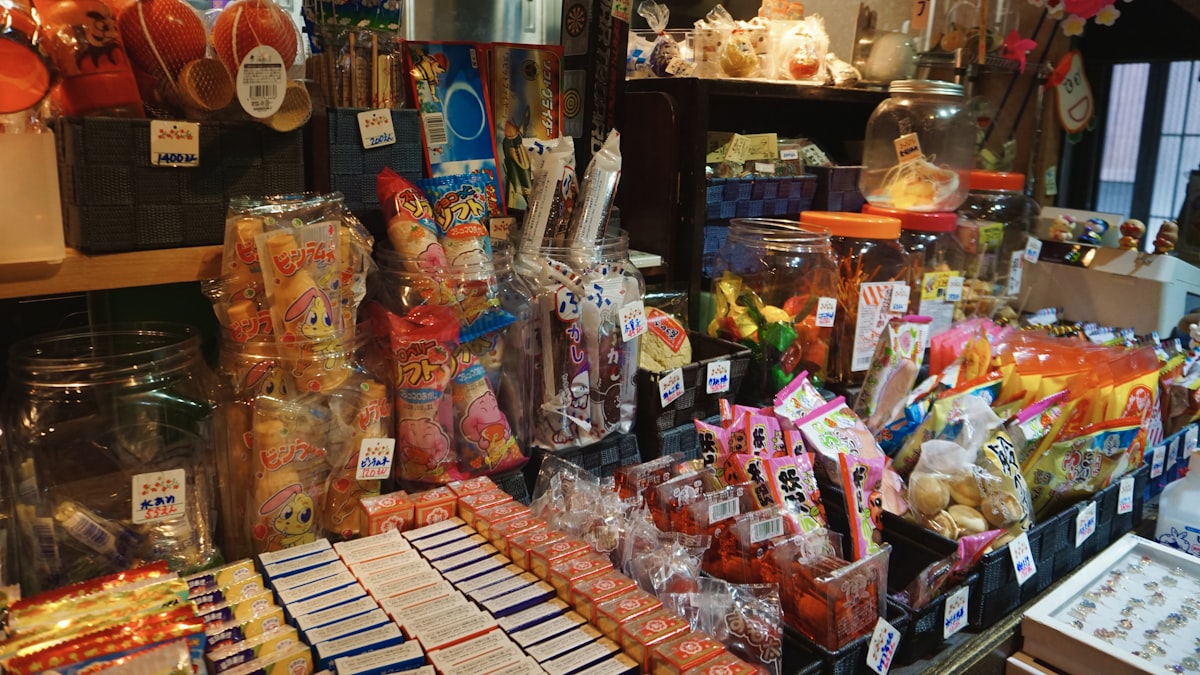
    Japan takes chocolate and sweets seriously — think delicate matcha bars, seasonal Kit Kats, and elegant department-store confections. Here’s what to buy and bring home.

    Convenience-store & supermarket favorites

    • Kit Kats — the famous flavors (matcha, sake, regional specials); see our Kit Kat flavors guide.
    • Meiji & Lotte bars — including matcha and hojicha versions.
    • Pocky & Pretz — endless flavors, great cheap gifts.
    • Shiroi Koibito — Hokkaido’s iconic white-chocolate cookies; see Hokkaido.

    Premium & department-store

    • Royce’ — Hokkaido’s famous “Nama” (fresh) chocolate and chocolate-dipped potato chips.
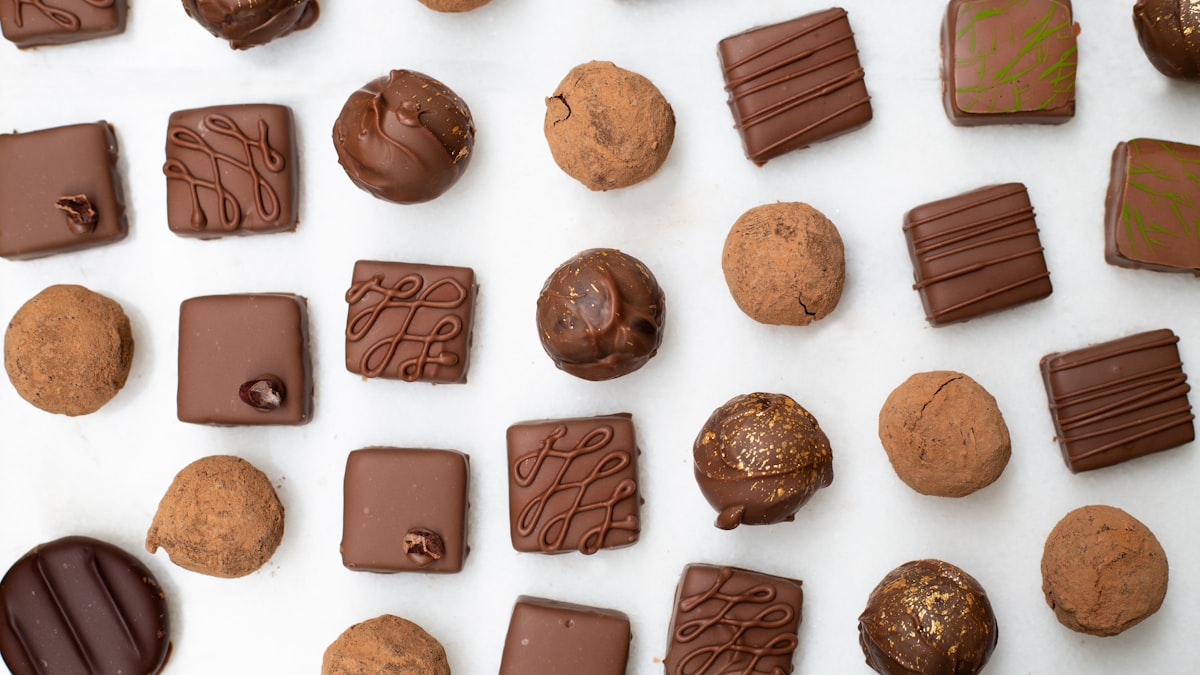
    • Depachika confections — beautiful boxed chocolates in department-store food halls.
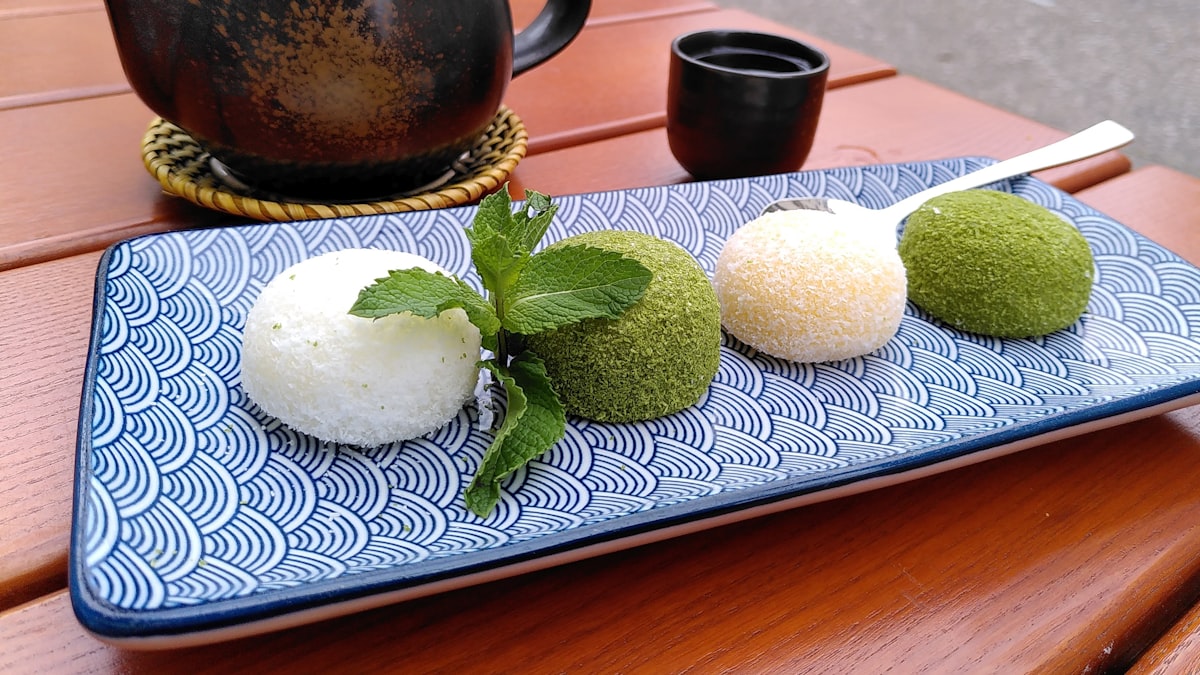
    • Matcha & hojicha sweets — Kyoto is the place; pair with our green tea guide.

    Great edible souvenirs

    • Regional Kit Kats and omiyage (souvenir) sweets sold at stations and airports.
    • Individually wrapped boxes — perfect for sharing at the office.
    • More ideas in best gifts from Japan and snack boxes.

    Where to buy

    Tips

    • Chocolate melts — buy fresh/refrigerated items (like Royce’ Nama) last, and consider cool packs in summer.
    • Buy tax-free over the threshold with your passport.
    • Seasonal and regional editions make the best gifts.
  • Japanese Sake: A Beginner’s Guide (and What to Buy)

    Japanese Sake: A Beginner’s Guide (and What to Buy)

    Some links below are affiliate links. If you buy through them, Japan Trove may earn a small commission at no extra cost to you.

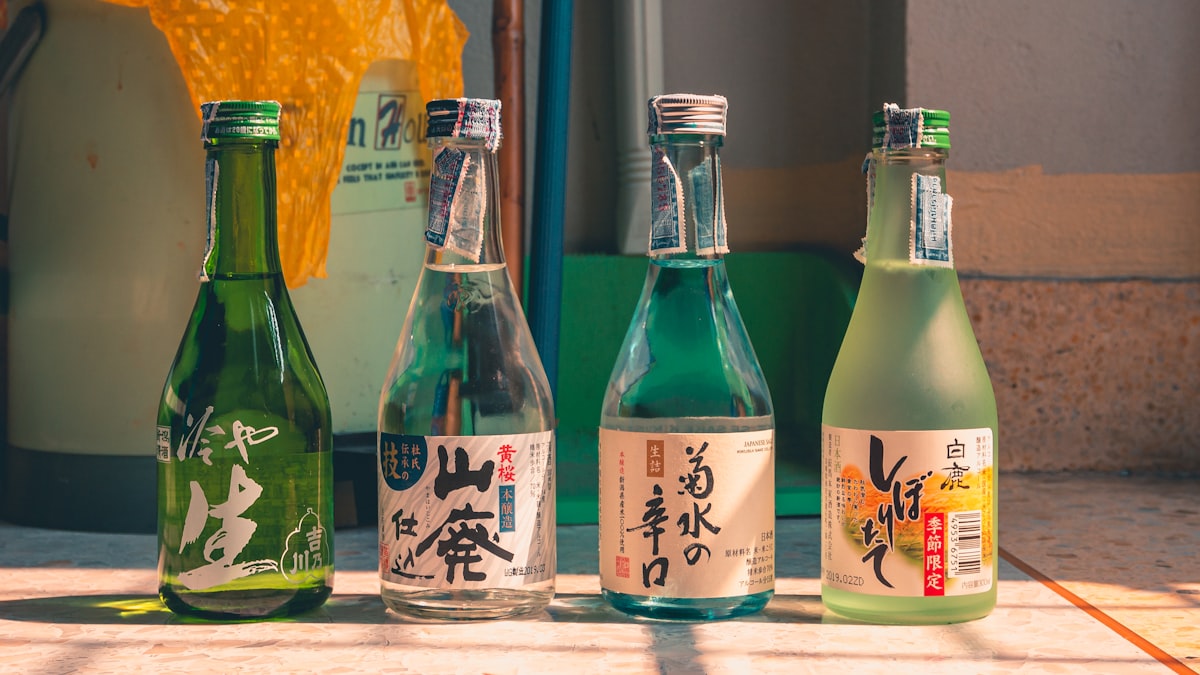
    Sake (nihonshu) is Japan’s iconic rice wine, and understanding a few basics turns a confusing shelf into a delicious adventure. Here’s a beginner’s guide plus what to buy.

    Sake grades, decoded

    • Junmai — pure rice sake, no added alcohol; rich and full.
    • Ginjo — rice polished more (≥40% removed); fruity and fragrant.
    • Daiginjo — highly polished (≥50% removed); delicate, premium.
    • Honjozo — a little distilled alcohol added; light and easy.
    • Nigori — cloudy, unfiltered, often sweet.

    “Junmai Daiginjo” simply means pure-rice and highly polished — usually the premium end.

    Sweet or dry?

    Check the Sake Meter Value (SMV / nihonshu-do): positive = drier, negative = sweeter. Beginners often enjoy a fruity ginjo or a slightly sweet nigori.

    Hot or cold?

    Premium ginjo/daiginjo shine chilled. Rustic junmai and honjozo can be lovely warm (kan) in cooler months. Cheap sake is often served hot to smooth it out.

    What to try

    • Dassai — a famous, approachable daiginjo, easy to find.
    • Regional jizake — local brews from Niigata, Nagano, and Tohoku are prized.
    • Tasting flights — many Kyoto and Tokyo bars offer sampler sets.

    Where to buy & bring home

    Pair your bottle with the right cup — see our Japanese ceramics guide. Prefer whisky? Read our Japanese whisky guide.

  • Best Japanese Coffee: What to Drink & Bring Home

    Best Japanese Coffee: What to Drink & Bring Home

    Some links below are affiliate links. If you buy through them, Japan Trove may earn a small commission at no extra cost to you.

    Japan has a deep, quietly world-class coffee culture — from meticulous pour-over cafés to the canned coffee in every vending machine. Here’s what to drink on your trip and what to bring home.

    Japan’s coffee scene

    Alongside tea, Japan has a century-old kissaten (traditional coffee house) tradition and a modern specialty scene rivaling anywhere. Expect careful hand-brewing, siphon coffee, and beautiful cafés built for slowing down.

    What to try in Japan

    • Pour-over / hand drip at a specialty café — precise and delicious.
    • Siphon coffee at an old-school kissaten, often with fluffy “morning set” toast.
    • Canned coffee from vending machines (hot or cold) — BOSS, Georgia, and more; a fun, cheap ritual.
    • Convenience-store coffee — surprisingly good and very cheap; see konbini must-buys.

    What to buy & bring home

    • Drip-bag coffee — single-serve pour-over sachets; light, easy, and a great gift.
    • Beans from a specialty roaster — ask for whole beans and a recent roast date.
    • Japanese brewing gear — Hario V60 drippers, gooseneck kettles, and glassware are made here and prized worldwide.

    Where to buy

    Hario and other Japanese coffee gear (and drip-bag coffee) are widely available on Amazon . In Japan, department-store food halls, Loft, and specialty roasters are your best bets. A Hario dripper plus drip-bags makes a lovely gift from Japan.

    Prefer leaves to beans? Don’t miss our Japanese green tea guide.

  • Best Japanese Instant Ramen: Flavors to Try & Where to Buy

    Best Japanese Instant Ramen: Flavors to Try & Where to Buy

    Some links below are affiliate links. If you buy through them, Japan Trove may earn a small commission at no extra cost to you.

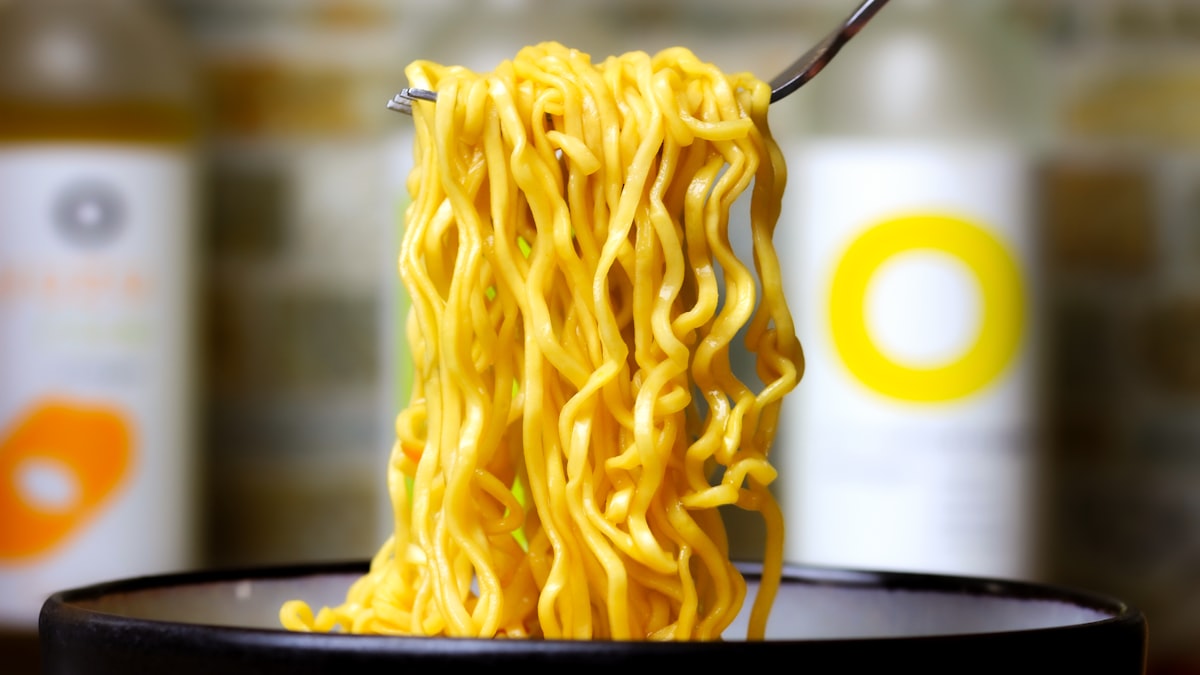
    Instant ramen was invented in Japan, and the local versions are a world apart from what most people grew up with. They make cheap, fun souvenirs and a great way to taste regional flavors at home. Here’s what to look for and where to buy.

    Cup vs bag — and the tiers

    • Cup noodles — convenient; just add hot water. Great for trying lots of flavors.
    • Bag noodles — cook on the stove; usually better texture.
    • Premium “raw-style” (nama) — fresh-style noodles and richer soup packets; the closest to a real ramen shop.

    Flavors & brands to try

    • Nissin — the original Cup Noodle and Raoh (premium).
    • Ichiran & Ippudo — famous tonkotsu chains sell instant versions of their bowls.
    • Regional ramen — Sapporo miso, Hakata tonkotsu, shoyu, and spicy tantanmen.
    • Yakisoba — the stir-fried noodle cups (Ippei-chan, UFO) are a must.

    Make it better

    Upgrade a pack with a soft-boiled egg, sliced pork, corn, spring onion, or a knob of butter (Sapporo-style). Even the cheapest cup shines with a fresh topping.

    Where to buy

    • In Japan: supermarkets, konbini (see our konbini must-buys), and Don Quijote for the widest range and multipacks.
    • From abroad: variety packs on Amazon , or specific Japan-only flavors via a proxy service.
    • Snack boxes sometimes include ramen too — see the best snack boxes.

    Fun fact for your trip: Osaka has a Cup Noodles Museum where you can design your own — a great stop on our Osaka guide.

  • Best Japanese Whisky for Beginners (Bottles & Where to Buy)

    Best Japanese Whisky for Beginners (Bottles & Where to Buy)

    Some links below are affiliate links. If you buy through them, Japan Trove may earn a small commission at no extra cost to you. Please drink responsibly and follow the laws where you live.

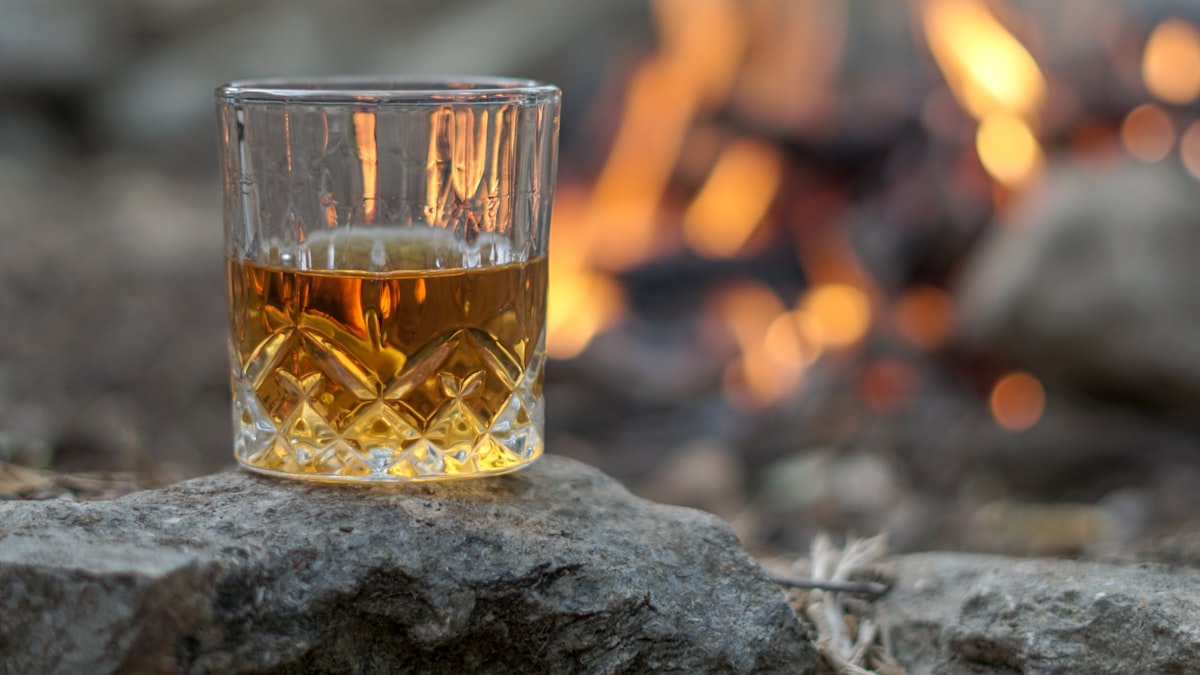
    Japanese whisky has gone from niche to world-famous, winning top international awards — which also means the best bottles are scarce and pricey. Here’s a beginner’s guide to the styles, the big names, and how to buy without overpaying.

    Why Japanese whisky is special

    Modeled on Scotch but with a distinctly precise, balanced house style, Japanese whisky is prized for smoothness and delicate complexity. Demand has outstripped supply, so age-statement bottles from the famous distilleries can be very expensive.

    The major producers

    • Suntory — Yamazaki, Hakushu (single malts), and Hibiki (blends). The benchmark names.
    • Nikka — Yoichi and Miyagikyo single malts, plus the excellent-value “Nikka From The Barrel” blend.
    • Smaller distilleries — Chichibu (Ichiro’s Malt) and others, highly sought by collectors.

    Good bottles to start with (without remortgaging)

    • Nikka From The Barrel — punchy, complex, famously good value.
    • Suntory Toki or Hibiki Japanese Harmony — approachable blends, great in a highball.
    • Nikka Days — light and easy for newcomers.

    Watch out: some “Japanese” whisky is blended with imported spirit. Newer labeling standards are tightening this, but check the producer if provenance matters to you.

    How to enjoy it

    The Japanese highball (whisky + soda, lots of ice) is the national serve — crisp and food-friendly. Otherwise, neat or with a little water to open it up.

    Where to buy

    Reputable retailers and larger online stores stock the accessible bottles; be wary of wildly marked-up “rare” listings. Buying in Japan? Department stores, Bic Camera, and Don Quijote often have good prices — a bottle makes a memorable gift from Japan (mind duty-free allowances when flying home).

    Not a whisky person? Japan’s green teas travel just as well.

  • Best Japanese Green Tea: Matcha, Sencha & Where to Buy

    Best Japanese Green Tea: Matcha, Sencha & Where to Buy

    Some links below are affiliate links. If you buy through them, Japan Trove may earn a small commission at no extra cost to you.

    Japanese green tea is one of the best things to bring home: light to pack, long-lasting, and a daily reminder of your trip. But “green tea” covers a lot of styles. Here’s a simple guide to the main types and how to buy good ones.

    The main types

    • Sencha — the everyday green tea; fresh, grassy, slightly sweet. Start here.
    • Gyokuro — shade-grown and premium; rich, sweet, and umami-heavy. A treat.
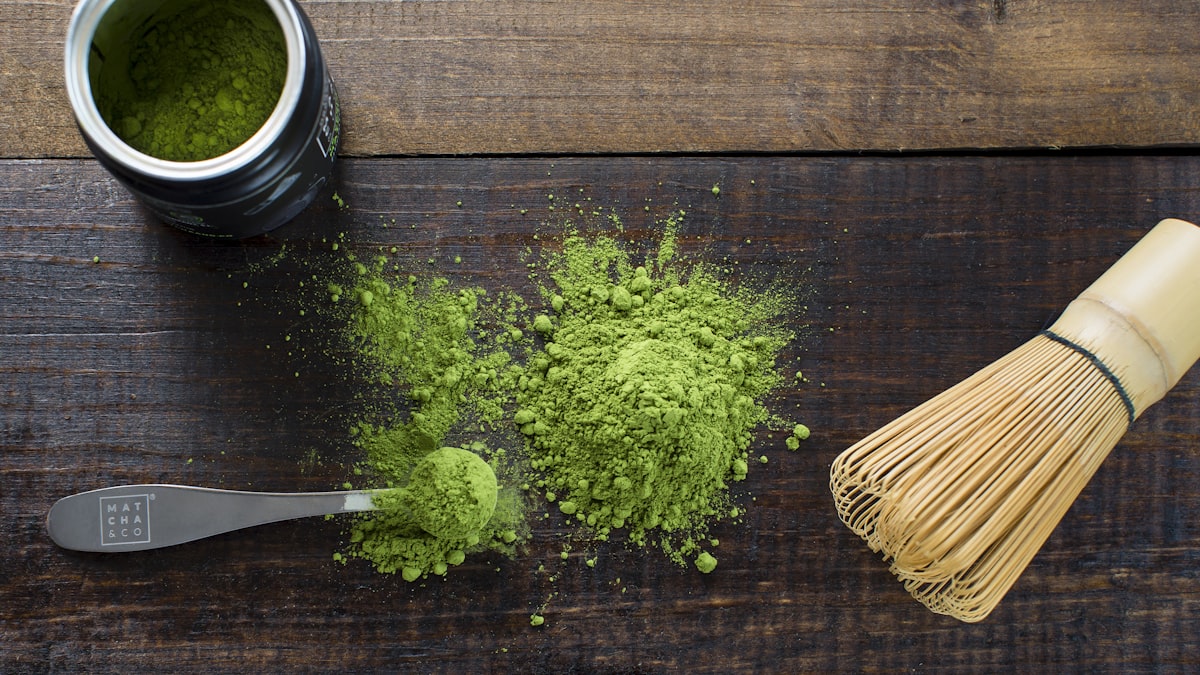
    • Matcha — stone-ground powder whisked into water; vivid and full-bodied, also great in lattes and baking.
    • Hojicha — roasted green tea; toasty, low in caffeine, lovely in the evening.
    • Genmaicha — green tea with roasted brown rice; nutty and comforting.

    How to choose good tea

    • Look for origin — Uji (Kyoto), Shizuoka, and Kagoshima are famous regions.
    • Buy recent harvest and reseal well; green tea fades with time and air.
    • For matcha, “ceremonial grade” is for drinking; “culinary grade” is for lattes and baking — don’t overpay for baking.

    Brewing basics

    • Sencha: cooler water (about 70–80°C) for ~1 minute — boiling water makes it bitter.
    • Gyokuro: even cooler (~50–60°C), longer steep.
    • Matcha: sift, add a little near-boiling water, and whisk to a froth.

    Where to buy

    Good Japanese tea is available on Amazon and specialty tea retailers that ship worldwide; look for named regions and recent harvest dates. Buying in Japan? Department-store food halls (depachika) and specialist tea shops in Kyoto are ideal, and a nice tin makes a great gift.

    Pair your tea habit with other Japanese treats, or learn to order Japan-only items via a proxy service.

  • Japanese Kit Kat Flavors: Which to Try & How to Get Them

    Japanese Kit Kat Flavors: Which to Try & How to Get Them

    Some links below are affiliate links. If you buy through them, Japan Trove may earn a small commission at no extra cost to you.

    Japan has made hundreds of Kit Kat flavors — many exclusive to regions or seasons — and they’re one of the most popular edible souvenirs in the world. Here’s a guide to the flavors worth trying and, if you’re not in Japan, how to actually get them.

    Why Japan is Kit Kat obsessed

    “Kit Kat” sounds like kitto katsu (“you’ll surely win”) in Japanese, so they became a good-luck gift — especially for students taking exams. That cultural hook plus relentless limited editions turned them into collectibles.

    Flavors worth trying

    • Matcha (Uji green tea) — the classic; rich and slightly bitter. A must.
    • Strawberry — sweet, reliable crowd-pleaser.
    • Sake — subtle rice-wine notes; a fun grown-up one.
    • Wasabi — sweet-then-warm; better than it sounds.
    • Hojicha (roasted tea) — toasty and mellow.
    • Regional exclusives — Tokyo Banana, Shinshu apple, Hokkaido melon, and more, sold only in their home areas or airports.

    Where to buy them

    In Japan

    Convenience stores and supermarkets for everyday flavors; Don Quijote and airport shops for the widest variety and regional gift boxes.

    From abroad

    Two easy options:

    Gift tip

    Regional Kit Kat assortment boxes make excellent, affordable souvenirs — they’re pre-packaged as gifts and travel well. Pair them with other picks from our Japanese snack guide.

  • Best Japanese Snack Box: Bokksu vs Sakuraco vs TokyoTreat (2026)

    Best Japanese Snack Box: Bokksu vs Sakuraco vs TokyoTreat (2026)

    Some links below are affiliate links. If you subscribe through them, Japan Trove may earn a small commission at no extra cost to you.

    A Japanese snack box drops a curated parcel of konbini treats, regional sweets, and limited-edition Kit Kats on your doorstep every month — no proxy, no reading Japanese, no guessing on shipping. Here’s how the three big services — Bokksu, Sakuraco, and TokyoTreat — actually differ, so you subscribe to the right one.

    Quick comparison

    Box Style Best for
    Bokksu Premium, artisanal, regional Japanese sweets with a booklet and a themed tea pairing Gifting & “authentic Japan” quality over quantity
    Sakuraco Traditional wagashi, teas, and a piece of homeware each month Tea lovers & traditional Japanese sweets
    TokyoTreat Fun pop culture: full-size Japanese chips, sodas, candy, and limited Kit Kats Kids, fun, and modern konbini snacks

    Bokksu — the premium pick

    Bokksu leans upscale: small-batch sweets sourced from long-established Japanese makers, an information booklet explaining each item, and a tea pairing. It feels like a gift even when you buy it for yourself, which makes it the easiest one to give to a Japan-loving friend. → Bokksu

    Sakuraco — traditional and calm

    Sakuraco is all wagashi (traditional Japanese confections), authentic teas, and a bit of Japanese tableware each month. If you’d rather have mochi and matcha sweets than potato chips, this is your box. → Sakuraco

    TokyoTreat — the fun one

    TokyoTreat is the party box: full-size bags of Japan-exclusive chips, a Japanese soda, candy, and those seasonal Kit Kat flavors everyone films for social media. It’s the crowd-pleaser for families and first-timers. → TokyoTreat

    Which should you choose?

    • Buying a gift? Bokksu.
    • Love traditional sweets & tea? Sakuraco.
    • Want fun, shareable konbini snacks? TokyoTreat.

    All three ship worldwide and let you skip or cancel, so a single month is a low-risk way to test. Prefer to hunt specific items yourself instead of a curated box? Read how to buy from Japan with a proxy service. Curious which Kit Kat flavors are worth it? That guide is coming next.