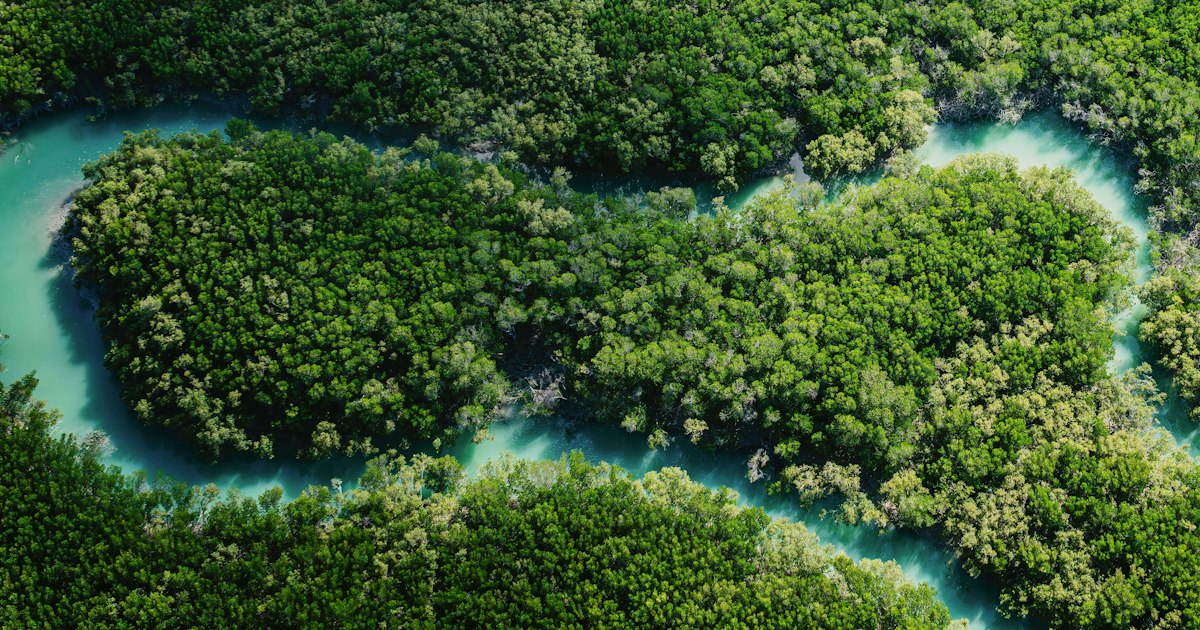
Photo by tsubaki yuzaki on Unsplash
Most visitors picture Okinawa as white-sand beaches and coral reefs, but Iriomote is a different animal entirely: roughly 90% jungle, laced with mangrove rivers, waterfalls, and enough subtropical forest that it’s home to its own endemic wildcat found nowhere else on Earth. It’s the centerpiece of Iriomote-Ishigaki National Park and part of the “Amami-Oshima, Tokunoshima, Northern Okinawa and Iriomote Island” UNESCO World Natural Heritage site. The main way to experience it isn’t by car — it’s by kayak or canoe, paddling up tidal mangrove channels that look more like Borneo than Japan.
Why Iriomote Feels Like a Different Country
Iriomote sits in the Yaeyama Islands, closer to Taiwan than to mainland Japan. There’s no bridge and no airport on the island itself — access is by boat only, which keeps development minimal. The interior is thick subtropical forest cut by two major rivers, the Urauchi and the Nakama, both lined with dense mangrove forest where saltwater and freshwater meet. The island is also the last wild habitat of the Iriomote cat (Iriomote yamaneko), a small, nocturnal wildcat first described in 1967; you’ll see yellow road signs warning drivers to slow down for them, especially around dusk.
Getting There: Fly to Ishigaki, Then Take a Ferry
There’s no direct flight to Iriomote. You fly into New Ishigaki Airport (Ishigaki has direct flights from Tokyo, Osaka, Nagoya, and Naha), then take a high-speed ferry from Ishigaki Port to Iriomote. Two companies run the route, Yaeyama Kanko and Anei Kanko, with fares around ¥2,000–2,300 one-way. There are two ports on Iriomote:
- Uehara Port (north side) — around 35–40 minutes from Ishigaki, closest to most kayak tour shops and the Hinai River/Pinaisara Falls trailhead.
- Ohara Port (south side) — around 40–50 minutes, closer to the Nakama River mangroves and the Iriomote Wildlife Conservation Center.
Keep this in mind: Uehara Port closes in rough seas, which happens fairly often in winter when north winds pick up. When it does, all ferries reroute to Ohara, which adds a long taxi or bus ride to reach your lodge on the north side. Always check the ferry company’s site the morning of travel rather than assuming your booked route will run.
Best Time to Go
Iriomote is paddleable year-round since the water stays warm, but the comfortable window for combining kayaking with jungle trekking is roughly November through May, when humidity and heat are more manageable. July through October is peak typhoon season for the Yaeyama Islands — tours get cancelled on short notice, and ferries can be suspended for days. Golden Week (late April–early May) and August are the busiest periods for tour bookings, so reserve kayak and canoe tours at least a few days ahead, longer if you have a specific date. If you’re also island-hopping in Japan’s southwest, it’s worth comparing timing with somewhere like Tanegashima, which has its own quieter surf season further north.
Kayak and Canoe Tours: What to Expect and What They Cost
Dozens of small tour operators are based around Uehara and Funaura on the north coast, most running out of simple shopfronts rather than big resort counters. A typical structure:
- Half-day mangrove kayak tour (Nakama River or Hinai River) — roughly ¥6,000–8,000 per person, 3–4 hours, guided in small groups, no experience needed.
- Full-day kayak + jungle trek combo, usually paddling up the Hinai River before hiking to Pinaisara Falls, Okinawa’s tallest waterfall — roughly ¥9,000–13,000, including lunch at some operators.
- Private or small-group guided tours with photography stops, longer river routes, or add-ons like canyoning — ¥13,000 and up.
Most shops supply the kayak/canoe, paddle, and a dry bag; you bring quick-dry clothing, water shoes (not flip-flops — the trail sections are muddy, rocky, and sometimes have exposed tree roots), and sun protection. Long sleeves are genuinely useful here, not just for sun but because habu, a venomous pit viper, lives in the undergrowth; guides know how to navigate around their habitat, which is one good reason to go with a tour rather than improvising solo.
The Urauchi River Cruise and Pinaisara Falls
If you’d rather not paddle at all, the Urauchi River — Okinawa’s longest river — has a sightseeing boat that cruises upstream through mangrove forest to a trailhead, from which a short hike (about 1.5–2 hours round trip) leads to the Mariyudu and Kanbire waterfalls. It’s a good low-effort option for families or anyone short on time, and runs frequently throughout the day from a jetty near Uehara.
For the more memorable payoff, the Hinai River kayak route to Pinaisara Falls is the island’s signature outing: paddle the mangrove-lined river at a leisurely pace, beach the kayak, then trek roughly 30–40 minutes through jungle to the base of the falls, where swimming is usually possible in the plunge pool. Tour operators time trips around the tide, since parts of the river are only navigable at higher water — another reason to book through a shop rather than renting equipment and going it alone if you’re not experienced reading tidal rivers.
Common Mistakes to Avoid
- Not booking ahead in peak months. August and Golden Week slots fill up, especially for the Pinaisara Falls combo tours.
- Underestimating the heat and humidity. Even a “half-day” tour can be draining; bring more water than you think you need and expect to sweat through the forest sections regardless of season.
- Wearing the wrong footwear. Sandals or flip-flops aren’t enough for the muddy, rocky trail to the falls — rent or bring proper water shoes.
- Assuming the ferry will run as booked. Check Uehara Port status on travel day during windy months; have a backup plan if you’re rerouted to Ohara.
- Relying on cards or lodging purchases. Many tour shops and guesthouses on Iriomote are cash-only, and ATMs are limited to a handful of spots in Uehara and Ohara. Bring enough yen before you leave Ishigaki.
Because Iriomote sits on an exposed coastline in a tsunami-prone part of Japan, it’s also worth knowing the basics of local evacuation signage before you go — see our guide to Japan’s blue tsunami evacuation signs for what to look for in coastal towns like Uehara and Ohara.
Budget, Mid-Range, and Splurge Options
For a tight budget, the Urauchi River boat cruise plus the walk to Mariyudu and Kanbire falls covers the island’s highlights for a few thousand yen and a few hours. Mid-range travelers get the best balance from a half-day guided mangrove kayak tour on the Nakama or Hinai River, usually ¥6,000–8,000 and genuinely immersive without eating a whole day. For a splurge, book the full-day kayak-and-trek combo to Pinaisara Falls with a small private group, or ask an operator about multi-day guided jungle routes deeper into the island’s interior, which go well beyond what day-trippers from Ishigaki ever see. If motorized water sports elsewhere in Japan are more your style, our guide to renting a jet ski in Japan covers where that’s legally possible, though on Iriomote itself the rivers are strictly paddle-powered — part of what keeps the mangroves this quiet.