Japan Trove

Category: Shopping

Honest guides to shopping in and buying from Japan — skincare and cosmetics, snacks and sweets, whisky and sake, hobby and character goods, kitchenware and homeware, and exactly how to ship it all home. We recommend what is genuinely worth it and flag the catches, from voltage and region locks to tax-free rules.

  • Japanese Tea Set Guide: Matcha & Sencha Gear to Buy

    Japanese Tea Set Guide: Matcha & Sencha Gear to Buy

    Some links below are affiliate links. If you buy through them, Japan Trove may earn a small commission at no extra cost to you.

    A Japanese tea set is a beautiful, practical souvenir — and if you’ve fallen for matcha or sencha on your trip, the right gear makes brewing at home a joy. Here’s what to look for, whether for matcha or everyday green tea.

    For matcha

    To whisk matcha properly you’ll want a small kit:

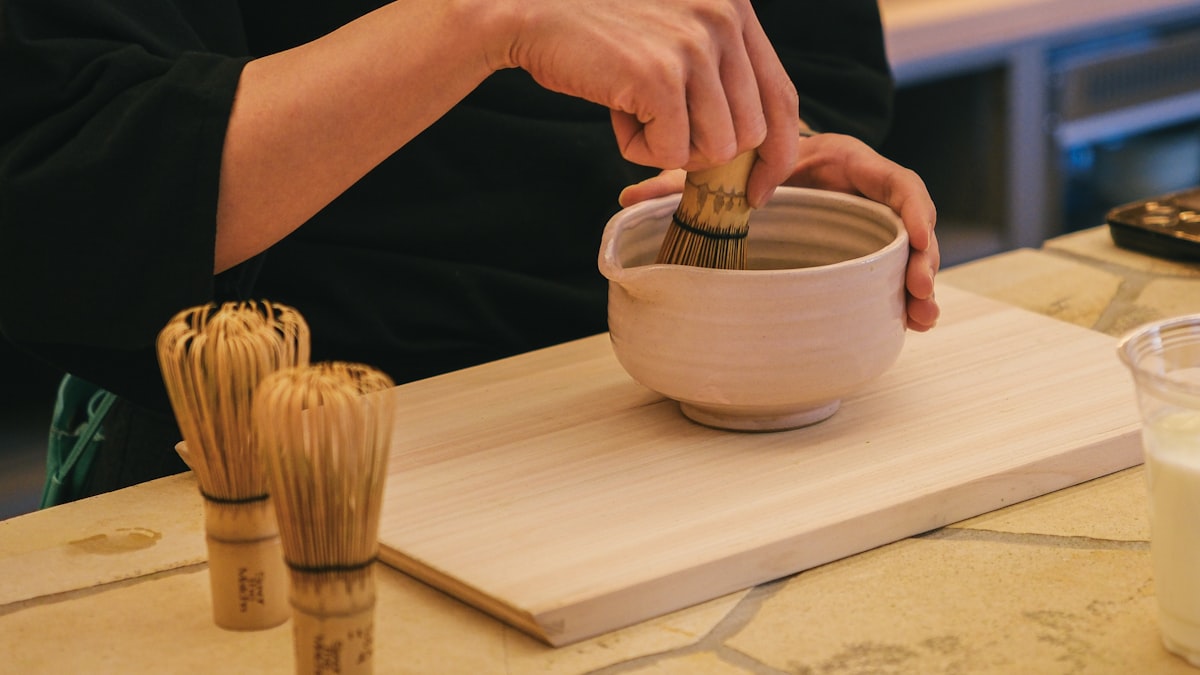
    • Chawan — a wide tea bowl to whisk in.
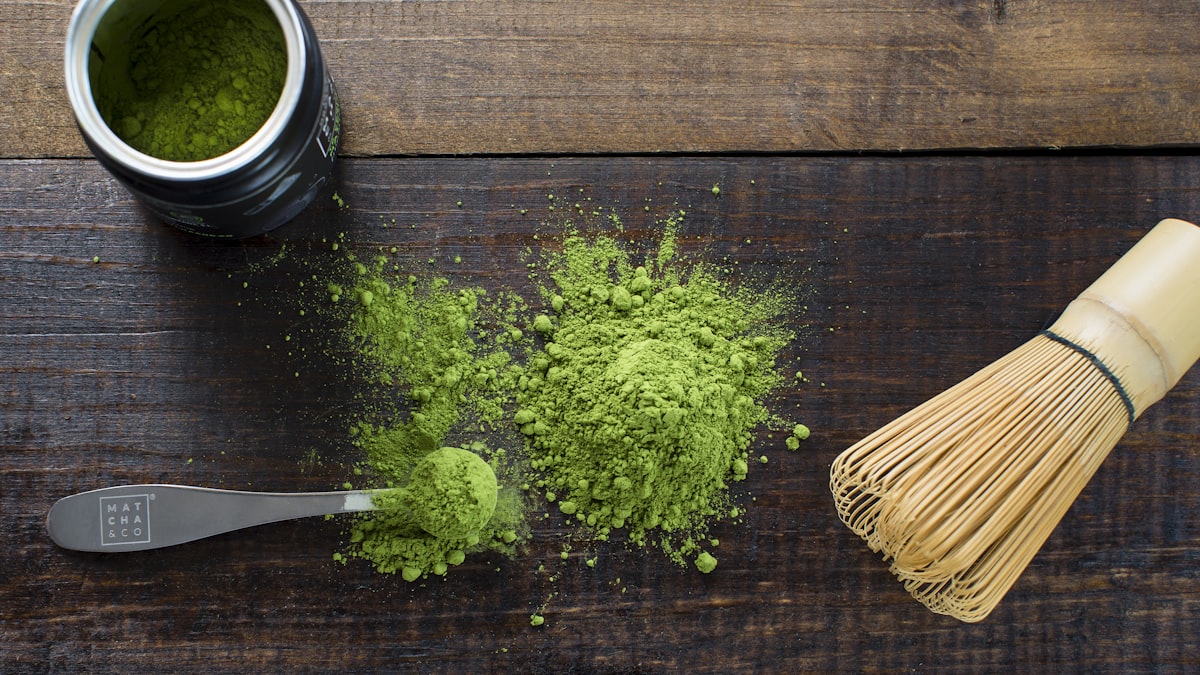
    • Chasen — a bamboo whisk (the key tool for a good froth).
    • Chashaku — a bamboo scoop.
    • A fine sifter — sift the powder to avoid clumps.

    Pair it with good ceremonial-grade matcha — see our green tea guide.

    For sencha & everyday tea

    • Kyusu — a side-handled teapot, often with a built-in mesh filter; the classic for leaf tea.
    • Yunomi — everyday teacups (no handles).
    • Houhin — a handleless pot for delicate, cooler-brewed teas like gyokuro.

    Styles & pottery to know

    Japanese ceramics are a whole world: Tokoname (famous for kyusu), Hagi, Mino, and Arita/Imari porcelain among them. A handmade piece from a known kiln makes a special gift; a simple, sturdy set is perfect for daily use.

    Buying tips

    • Match the tool to your tea: kyusu for leaf tea, chawan + chasen for matcha.
    • Pack carefully — wrap ceramics well; a furoshiki cloth doubles as padding and a gift wrap.
    • Care: rinse the bamboo whisk and air-dry; hand-wash ceramics.

    Where to buy

    In Japan: department-store housewares floors, specialty tea and pottery shops, and Loft/Tokyu Hands. From abroad: matcha kits and kyusu are available on Amazon , or use a proxy service for specific artisan pieces. A tea set makes a memorable gift from Japan.

    What a tea set typically costs

    • A basic matcha starter kit (chawan, chasen, chashaku, sifter) runs JPY 4,000-8,000, while a handmade chawan from a named kiln alone can run JPY 5,000-30,000+ depending on the artisan and glaze technique.
    • A simple Tokoname kyusu teapot runs JPY 3,000-8,000, and a full everyday set (teapot plus 4-5 yunomi cups) runs JPY 8,000-20,000 for a cohesive, gift-worthy set.
    • Department store housewares floors typically price fairly consistently, while specialty pottery shops and artisan studios can vary widely based on the maker’s reputation — ask about the kiln and maker’s name if you want to understand what you’re paying for.

    Common mistakes to avoid

    • Buying a chasen (bamboo whisk) without checking the tine count — different whisks suit different matcha grades and whisking styles; a shop selling matcha can usually recommend a matching whisk if you mention which matcha you bought.
    • Skipping the sifter as an unnecessary extra — clumped matcha powder is one of the most common reasons home-brewed matcha tastes worse than what you had in Japan; the sifter genuinely matters for a smooth result.
    • Packing ceramics loosely — wrap each piece individually and pack centrally in your suitcase; a broken chawan is a disappointing way to end an otherwise great purchase.

    Learning to whisk matcha properly

    Many tea shops and some hotels offer a short matcha-whisking demonstration or mini lesson, often free with a purchase — worth asking about, since the wrist motion (a brisk “M” or “W” shape, not stirring) makes a genuine difference to the froth and is far easier to learn by watching than from written instructions alone.

    Caring for your set once home

    Bamboo chasen whisks should be rinsed immediately after use and air-dried on their stand (included with most kits) to prevent mold and preserve the tines, while ceramic chawan and kyusu should be hand-washed without harsh detergent — a little ongoing care keeps handmade pieces looking good for years rather than treating them as disposable souvenirs.
  • Where to Buy Nintendo Games in Japan (Region & Language Tips)

    Where to Buy Nintendo Games in Japan (Region & Language Tips)

    Some links below are affiliate links. If you buy through them, Japan Trove may earn a small commission at no extra cost to you.

    Japan is a gaming paradise, and picking up Nintendo games, consoles, and merch here is a highlight for many visitors. But there’s one big catch to know before you buy. Here’s the guide.

    Read this first: region & language

    • Nintendo Switch consoles are region-free — a Japanese Switch plays games from any region, and vice versa. Great news.
    • Game language: many Japanese physical games include English, but not all — check the box or listing for supported languages before buying.
    • Older consoles (3DS and earlier) were region-locked — Japanese games won’t run on a Western console.
    • Power/warranty: Japanese hardware works on Japan’s voltage; warranties are usually domestic only.

    Where to buy in Japan

    • Yodobashi Camera & Bic Camera — huge selections, tax-free for tourists (bring your passport).
    • Nintendo TOKYO / OSAKA — official stores with exclusive merch and plush.
    • Super Potato & retro shops in Akihabara and Den Den Town for classic games and consoles.
    • Book-Off & Hard-Off — great for used games at good prices.

    Buying from abroad

    Also worth grabbing

    amiibo, art books, and soundtrack CDs make great collectibles and gifts. Chasing Pokémon specifically? See where to buy Pokémon merch.

    What things typically cost

    • New Switch games run JPY 5,000-7,500, occasionally cheaper than Western retail depending on exchange rates and regional pricing decisions by publishers.
    • Used games at Book-Off or Geo run JPY 1,000-4,000 depending on age and popularity, with older or common titles sometimes under JPY 1,000 — genuinely good value for building a retro or budget game library.
    • Nintendo TOKYO and Nintendo OSAKA exclusive plush and merchandise run JPY 1,500-6,000, priced similarly to official merch elsewhere but with genuinely exclusive designs not sold in Western Nintendo stores.

    Common mistakes to avoid

    • Buying an older console assuming it’s region-free like the Switch — 3DS, DS, and earlier Nintendo handhelds and consoles are region-locked, meaning a Japanese cartridge or disc won’t play on a Western console; this rule genuinely differs from current Switch hardware.
    • Assuming every Japanese game includes English text — while increasingly common, it’s not universal; checking the box for language icons or asking staff before buying avoids an unwanted Japanese-only surprise.
    • Skipping the used game market out of an assumption it’s lower quality — Japanese resale culture keeps used games in excellent condition, often complete with original cases and manuals, making Book-Off and Geo genuinely worth checking before paying full price new.

    Visiting Nintendo TOKYO or OSAKA

    Beyond shopping, both official stores are worth a visit purely for the exclusive photo-friendly displays and rotating themed sections — expect queues for entry at busy times, since the stores limit the number of shoppers inside at once, so building in some wait time is worth planning for rather than treating it as a quick five-minute stop.

    Shipping games and consoles home

    If you’ve bought more than you can carry, most large electronics retailers can arrange international shipping for an added fee — worth asking about specifically for bulkier items like a boxed console or several games, which add up in checked-luggage weight faster than expected.

  • Japanese Fashion Brands Worth Knowing (and Where to Buy)

    Japanese Fashion Brands Worth Knowing (and Where to Buy)

    Some links below are affiliate links. If you buy through them, Japan Trove may earn a small commission at no extra cost to you.

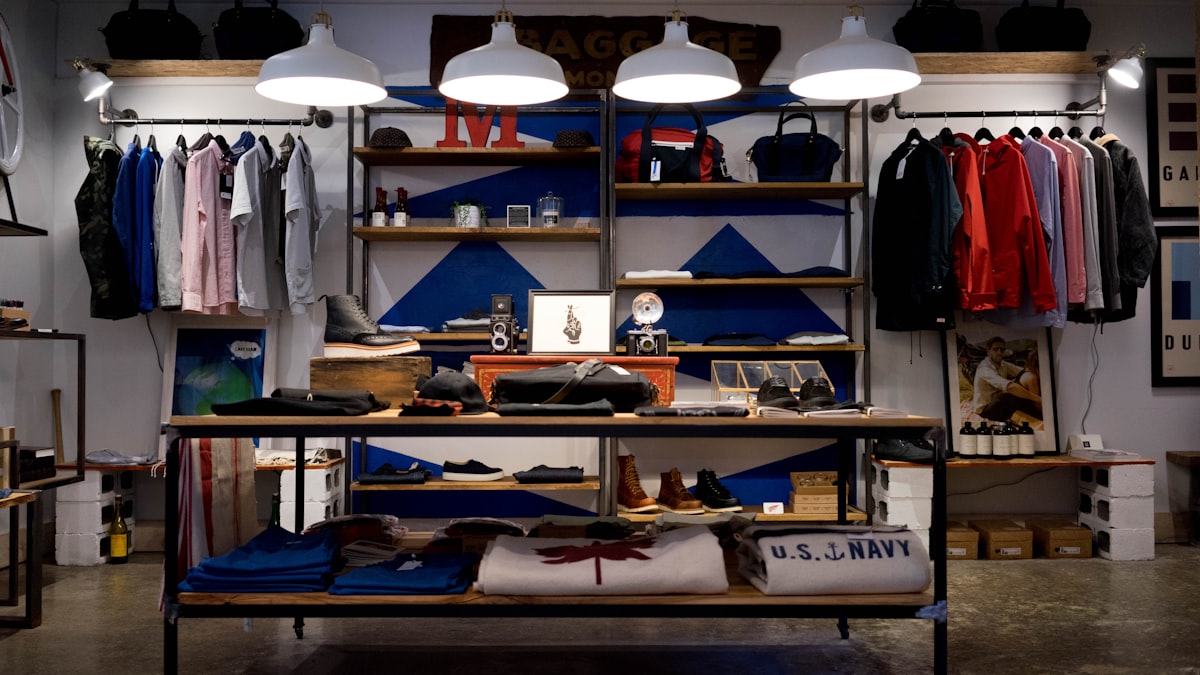
    Japanese fashion spans everything from perfect everyday basics to avant-garde design and world-famous denim. Whether you’re shopping in Japan or from abroad, here are the brands and categories worth knowing.

    Everyday essentials

    • Uniqlo — affordable, high-quality basics and clever fabrics; see our Uniqlo vs Muji comparison.
    • Muji — minimalist, no-logo staples and lifestyle goods.
    • GU — Uniqlo’s trend-focused, budget sister brand.

    Premium & designer

    • Comme des Garçons, Yohji Yamamoto, Issey Miyake — Japan’s legendary avant-garde designers.
    • Sacai, Undercover, Kapital — beloved contemporary labels with cult followings.
    • Beams & United Arrows — influential select shops carrying their own lines and others.

    Denim & workwear

    Japan is the global capital of premium selvedge denim. Brands like Momotaro, Iron Heart, Studio D’Artisan, and Full Count are prized worldwide for their craftsmanship. Okayama (Kojima) is the denim heartland if you’re a serious fan.

    Streetwear & vintage

    • Streetwear: the birthplace of many iconic labels; explore Harajuku and Ura-Hara.
    • Vintage: Shimokitazawa and Koenji in Tokyo are treasure troves; see our Tokyo guide.

    Where to buy

    In Japan: department stores, select shops, and neighborhood boutiques (tax-free for tourists — bring your passport). From abroad: YesStyle and Amazon carry many pieces; for Japan-only items and vintage, use a proxy service like Buyee or ZenMarket.

    Pair your wardrobe finds with other great things to buy in Japan.

    What things typically cost

    • Uniqlo and GU basics run JPY 990-4,990 per piece, genuinely cheaper in Japan than most overseas Uniqlo locations, making it worth restocking wardrobe basics during a trip rather than waiting to buy at home.
    • Contemporary designer pieces (Sacai, Undercover, Kapital) run JPY 20,000-80,000+ per item, priced in line with international designer fashion, while select shops like Beams and United Arrows carry a wider range from accessible to premium within the same store.
    • Vintage and secondhand fashion in Shimokitazawa and Koenji runs JPY 1,000-10,000 depending on the piece and brand, often the best value category for genuinely unique finds.

    Common mistakes to avoid

    • Assuming Japanese sizing matches Western sizing — sizing runs smaller on average across most Japanese brands, including Uniqlo; trying on before buying, or checking size charts carefully for online-style browsing in-store, avoids a common fit disappointment.
    • Skipping select shops (Beams, United Arrows) in favor of only single-brand stores — these multi-brand shops are excellent for discovering newer or smaller Japanese labels you wouldn’t otherwise know to look for by name.
    • Not budgeting separately for denim — premium selvedge denim is priced as its own investment category (often JPY 20,000-50,000+) and easy to underestimate if you’re mentally budgeting fashion purchases at Uniqlo-level prices.

    Building a Japan-specific wardrobe haul

    A well-rounded trip haul often mixes categories rather than sticking to one — a few Uniqlo basics for practical value, one splurge designer or denim piece as a lasting investment, and a vintage find or two for something genuinely unique that won’t be sitting on a rack back home.

    Shopping districts for each category

    Harajuku and Ura-Hara suit streetwear and youth fashion hunting, Ginza and Omotesando suit designer and luxury browsing, and Shimokitazawa or Koenji suit vintage digging — picking the right neighborhood for your specific fashion interest saves a lot of time compared to wandering a single district hoping to find everything in one place.

  • Best Japanese Coffee: What to Drink & Bring Home

    Best Japanese Coffee: What to Drink & Bring Home

    Some links below are affiliate links. If you buy through them, Japan Trove may earn a small commission at no extra cost to you.

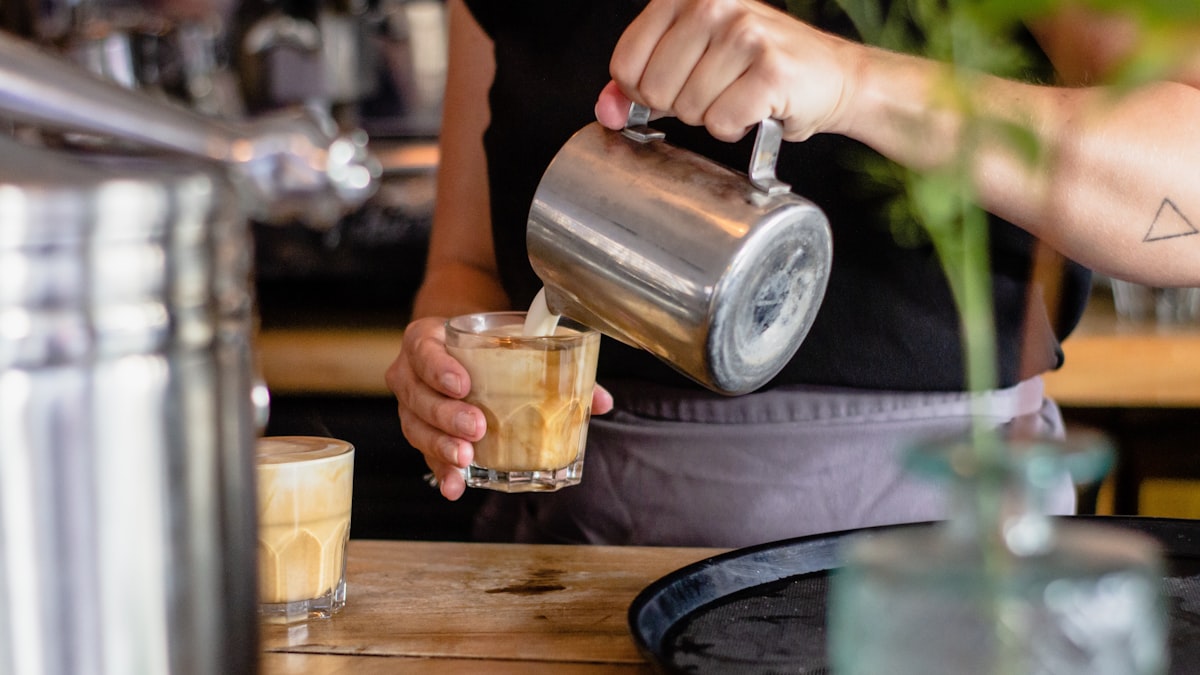
    Japan has a deep, quietly world-class coffee culture — from meticulous pour-over cafés to the canned coffee in every vending machine. Here’s what to drink on your trip and what to bring home.

    Japan’s coffee scene

    Alongside tea, Japan has a century-old kissaten (traditional coffee house) tradition and a modern specialty scene rivaling anywhere. Expect careful hand-brewing, siphon coffee, and beautiful cafés built for slowing down.

    What to try in Japan

    • Pour-over / hand drip at a specialty café — precise and delicious.
    • Siphon coffee at an old-school kissaten, often with fluffy “morning set” toast.
    • Canned coffee from vending machines (hot or cold) — BOSS, Georgia, and more; a fun, cheap ritual.
    • Convenience-store coffee — surprisingly good and very cheap; see konbini must-buys.

    What to buy & bring home

    • Drip-bag coffee — single-serve pour-over sachets; light, easy, and a great gift.
    • Beans from a specialty roaster — ask for whole beans and a recent roast date.
    • Japanese brewing gear — Hario V60 drippers, gooseneck kettles, and glassware are made here and prized worldwide.

    Where to buy

    Hario and other Japanese coffee gear (and drip-bag coffee) are widely available on Amazon . In Japan, department-store food halls, Loft, and specialty roasters are your best bets. A Hario dripper plus drip-bags makes a lovely gift from Japan.

    Prefer leaves to beans? Don’t miss our Japanese green tea guide.

    What things typically cost

    • A pour-over at a specialty cafe runs JPY 600-1,200, while a full kissaten “morning set” (coffee plus toast and egg) runs JPY 500-900 and is usually only available before 11am, a genuinely good-value tradition worth timing your morning around.
    • Canned and bottled vending machine coffee runs JPY 120-160, some of the best-value hot drinks available anywhere in Japan on a cold day.
    • Drip-bag coffee gift sets run JPY 1,000-3,000 for 8-12 sachets, a genuinely practical and lightweight souvenir that survives packing far better than whole bean bags.

    Common mistakes to avoid

    • Buying whole beans without asking about roast date — specialty roasters in Japan take freshness seriously; asking specifically for a recent roast (within 1-2 weeks) makes a real difference if you’re bringing beans home for later brewing.
    • Skipping kissaten because they look old-fashioned from outside — some of the best siphon and hand-drip coffee in the country comes from decades-old kissaten that haven’t changed their approach in 40+ years, and the atmosphere is part of the appeal.
    • Assuming all Japanese coffee gear is expensive — Hario’s entry-level V60 dripper and basic gooseneck kettles are genuinely affordable (often under JPY 3,000) and make a practical, not-just-decorative souvenir.

    Building a home brewing setup from Japan

    A V60 dripper, a simple gooseneck kettle, a scale, and a bag of drip-bag coffee together make a complete, gift-worthy home brewing starter kit that fits easily in a suitcase — a more thoughtful souvenir for a coffee-loving friend than a generic bag of beans alone.

    Combining coffee shopping with a wider tour

    Loft, department store food halls, and independent roasters are often clustered near major shopping districts, so a coffee-focused stop pairs easily with a wider shopping day in Ginza or similar districts rather than requiring a separate dedicated trip.

  • Where to Buy Pokemon Merch in Japan (and From Abroad)

    Where to Buy Pokemon Merch in Japan (and From Abroad)

    Some links below are affiliate links. If you buy through them, Japan Trove may earn a small commission at no extra cost to you.

    Japan is the home of Pokémon, and the merch here is on another level — exclusives, seasonal drops, and whole stores dedicated to it. Whether you’re shopping in Japan or from abroad, here’s where to find the good stuff.

    Pokémon Centers & Stores (in Japan)

    Official Pokémon Centers are the flagship destinations — plushes, cards, apparel, and location-exclusive items. Major ones include Tokyo (several, plus the Pokémon Café), Osaka, Kyoto, and more. The smaller Pokémon Stores appear in malls and stations. Expect region- and store-exclusive designs.

    Beyond the official stores

    • Yodobashi & Bic Camera — big toy and card sections.
    • Don Quijote — random finds and gifts.
    • Akihabara & Nakano Broadway — vintage cards and collectibles; see our Tokyo guide.
    • Card shops for singles and sealed TCG products.

    A note on trading cards

    Japanese Pokémon cards are hugely popular for their art and value. Buy sealed product from reputable shops, be wary of too-good-to-be-true “rare” deals, and check your country’s import rules if buying in bulk.

    Buying from abroad

    Can’t get to Japan? You have options:

    Great with kids

    A Pokémon Center visit is a highlight for younger travelers — see Japan with kids. And a plush or card set makes an easy gift from Japan.

    What things typically cost

    • Standard plush toys run JPY 1,500-3,500, while location-exclusive plush designs (specific to a single Pokémon Center) can command resale premiums once that store’s exclusive run sells out.
    • Sealed trading card booster packs run JPY 200-800 depending on the set, with special/premium box sets running JPY 3,000-15,000 — prices for older, discontinued sets can run far higher on the secondary market.
    • A Pokémon Cafe experience (themed food and drink, not just merchandise) runs JPY 2,000-4,000 per person for a meal, and requires advance reservation since walk-in availability is limited.

    Common mistakes to avoid

    • Buying “rare” loose cards from unofficial street vendors — reputable card shops and official stores are safer bets; overpriced or counterfeit cards are a genuine risk with informal sellers targeting tourists specifically.
    • Assuming every Pokémon Center has the same exclusive merchandise — each flagship location runs its own region-specific exclusive items, so visiting only one store (even a large one) means missing designs unique to other cities.
    • Not checking your home country’s import rules for bulk card purchases — some countries apply duty thresholds that a large TCG haul can trigger, worth checking before buying in serious volume.

    Timing a visit around new releases

    Pokemon Centers regularly rotate seasonal and collaboration merchandise, and popular new releases can sell out within days — if there’s a specific item you’re after, checking Japanese social media or the official site shortly before your trip helps confirm it’s still in stock before you build a shopping stop around it.

    Visiting with kids in mind

    Pokemon Centers are genuinely designed with young fans in mind, with interactive photo spots and hands-on displays alongside the merchandise — worth budgeting real time here rather than treating it as a quick five-minute stop if traveling with children who are Pokemon fans.

  • Best Japanese Beauty Tools Worth Buying

    Best Japanese Beauty Tools Worth Buying

    Some links below are affiliate links. If you buy through them, Japan Trove may earn a small commission at no extra cost to you.

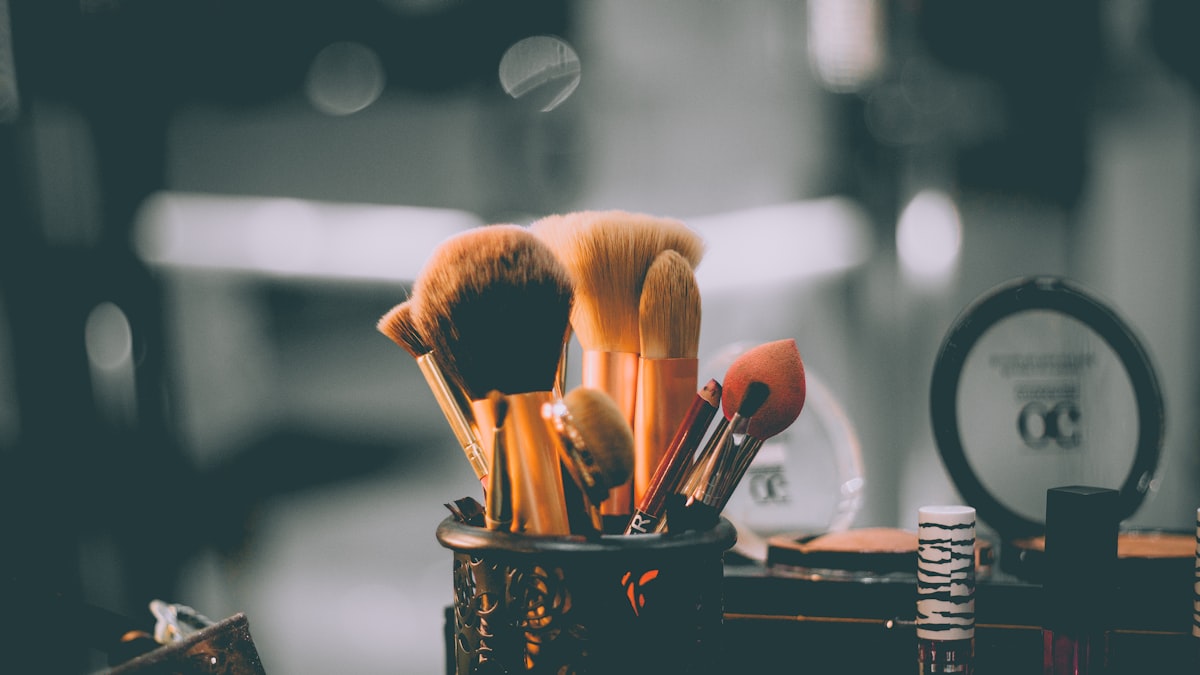
    Japan is quietly brilliant at beauty tools — the little precision items that make a routine easier. They’re affordable, well-made, and pack flat, making them great souvenirs and gifts. Here’s what’s worth buying.

    Skincare & face

    • Facial razors (kamisori) — Feather and others; gentle dermaplaning for smooth skin and better product absorption.
    • Konjac sponges — soft, natural sponges for gentle daily cleansing.
    • Facial rollers & gua sha — for a relaxing massage (pair with your J-beauty routine).
    • Pore/blackhead tools and quality tweezers — Japanese precision shines here.

    Hair & body

    • Wide-tooth combs and cushion brushes — well-finished and gentle.
    • Body towels (awa/exfoliating cloths) — the long nylon towels that make a great lather.
    • Foot files & heel care — genuinely useful after long temple-walking days.

    Nails & grooming

    • Nail clippers — Japanese clippers (like GREEN BELL/Suwada-style) are famously sharp and precise; a cult buy.
    • Grooming scissors and files — small, durable, and beautifully made.

    Where to buy

    Find these at Japanese drugstores, Loft, and Tokyu Hands in Japan, or online abroad via YesStyle and Amazon . A nice nail clipper or facial razor set makes a smart, affordable gift from Japan.

    Round out your beauty haul with the best Japanese sunscreens and cult skincare picks.

    What things typically cost

    • Facial razors and konjac sponges run JPY 300-1,000 each, cheap enough to buy several as small gifts for different people without much budget impact.
    • Quality nail clippers (GREEN BELL, Suwada-style) run JPY 800-3,000 depending on the precision grade — genuinely sharper and longer-lasting than typical drugstore clippers elsewhere, and a popular repeat-purchase item for return visitors.
    • Facial rollers and gua sha tools run JPY 1,000-4,000, with jade or higher-end stone versions at the top of that range; basic plastic or metal rollers work nearly as well for most casual users.

    Common mistakes to avoid

    • Buying a facial razor without checking blade replacement availability at home — some Japanese razor brands sell replacement blades that aren’t easily found overseas; check whether your home country stocks refills or whether you’ll need to reorder from Japan.
    • Assuming all beauty tools are one-size-fits-all — foot files and combs in particular come in different grit or tooth-spacing options for different skin and hair types; ask staff for a recommendation rather than grabbing the first one you see.
    • Overlooking these as gift options because they seem mundane — a well-chosen beauty tool is genuinely one of the most-used, longest-lasting souvenirs a recipient will own, quietly outlasting most snack or trinket gifts.

    Building a complete beauty tool gift set

    Pairing a facial razor, a konjac sponge, and a pair of precision tweezers together in a small pouch (a furoshiki cloth works well) makes a cohesive, genuinely useful gift set that costs relatively little but reads as thoughtfully curated rather than a single random item.

    Where to find the best selection

    Drugstore chains carry the everyday essentials at the lowest prices, while Loft and Tokyu Hands stock a wider, more curated range including higher-end and novelty tools not found at a typical pharmacy — worth checking both if you have a specific tool in mind rather than assuming one store type covers everything.

  • Best Japanese Instant Ramen: Flavors to Try & Where to Buy

    Best Japanese Instant Ramen: Flavors to Try & Where to Buy

    Some links below are affiliate links. If you buy through them, Japan Trove may earn a small commission at no extra cost to you.

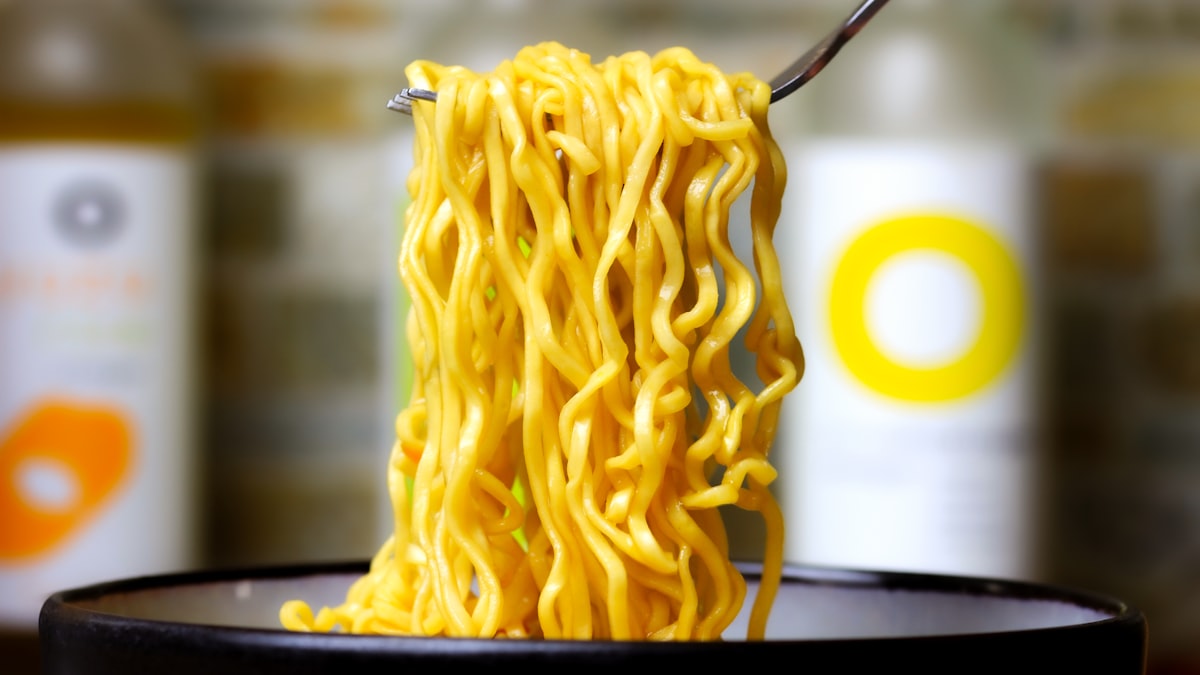
    Instant ramen was invented in Japan, and the local versions are a world apart from what most people grew up with. They make cheap, fun souvenirs and a great way to taste regional flavors at home. Here’s what to look for and where to buy.

    Cup vs bag — and the tiers

    • Cup noodles — convenient; just add hot water. Great for trying lots of flavors.
    • Bag noodles — cook on the stove; usually better texture.
    • Premium “raw-style” (nama) — fresh-style noodles and richer soup packets; the closest to a real ramen shop.

    Flavors & brands to try

    • Nissin — the original Cup Noodle and Raoh (premium).
    • Ichiran & Ippudo — famous tonkotsu chains sell instant versions of their bowls.
    • Regional ramen — Sapporo miso, Hakata tonkotsu, shoyu, and spicy tantanmen.
    • Yakisoba — the stir-fried noodle cups (Ippei-chan, UFO) are a must.

    Make it better

    Upgrade a pack with a soft-boiled egg, sliced pork, corn, spring onion, or a knob of butter (Sapporo-style). Even the cheapest cup shines with a fresh topping.

    Where to buy

    • In Japan: supermarkets, konbini (see our konbini must-buys), and Don Quijote for the widest range and multipacks.
    • From abroad: variety packs on Amazon , or specific Japan-only flavors via a proxy service.
    • Snack boxes sometimes include ramen too — see the best snack boxes.

    Fun fact for your trip: Osaka has a Cup Noodles Museum where you can design your own — a great stop on our Osaka guide.

    What things typically cost

    • Standard cup noodles run JPY 150-250, while premium “raw-style” (nama) cups from Nissin’s Raoh line or chain-branded versions (Ichiran, Ippudo) run JPY 300-500, genuinely closer to real ramen shop quality.
    • Bag noodles for stovetop cooking run JPY 100-200, often cheaper per serving than cups but requiring a pot and a few extra minutes.
    • A well-stocked variety box of 10-15 different cups and bags runs JPY 2,000-3,500, an efficient way to sample many regional flavors without committing to a full case of any single one.

    Common mistakes to avoid

    • Not checking the water-fill line inside the cup — overfilling or underfilling changes the broth balance significantly; most cups have a clearly marked internal fill line that’s easy to miss on a first attempt.
    • Assuming premium and standard cups cook the same way — some raw-style premium cups need longer soak times (5+ minutes versus 3) to properly hydrate the thicker noodles; check the specific instructions rather than assuming a universal timing.
    • Packing cups instead of bags when weight matters — cup noodles include the bulky cup itself, while bag noodles pack flat and are lighter for a return flight if you’re bringing home a large haul.

    Building a tasting flight at home

    Buying one cup each of Sapporo miso, Hakata tonkotsu, Tokyo shoyu, and a shio variety recreates a rough tour of Japan’s major regional ramen styles in a single sitting — a fun, cheap way to revisit a trip’s food highlights or introduce friends back home to the range instant ramen can actually offer.

    Visiting the Cup Noodles Museum

    Beyond shopping for instant ramen, the Osaka museum (and a similar one in Yokohama) lets visitors design and package their own custom cup noodle flavor combination as a hands-on souvenir — a fun activity for both kids and adults that turns a grocery-aisle product into an actual attraction worth building into an itinerary.

  • Uniqlo vs Muji: What’s Actually Worth Buying in Japan

    Uniqlo vs Muji: What’s Actually Worth Buying in Japan

    Some links below are affiliate links. If you buy through them, Japan Trove may earn a small commission at no extra cost to you.

    Uniqlo and Muji are two of Japan’s most beloved exports, and both are cheaper and more complete in Japan than abroad. But they’re not the same — here’s what each does best and what’s actually worth buying on your trip.

    The quick difference

    • Uniqlo — affordable, high-quality basics and clever performance fabrics. Think wardrobe staples.
    • Muji — minimalist lifestyle: homeware, stationery, storage, snacks, skincare, and simple clothing.

    What to buy at Uniqlo

    • Heattech base layers — perfect for a winter trip and packing light.
    • AIRism for hot, humid summers.
    • Ultra Light Down — packs into a pouch; a traveler’s favorite.
    • UT graphic tees — Japan-exclusive anime and art collabs make great souvenirs.

    What to buy at Muji

    • Stationery & pens — simple and excellent; see our stationery guide.
    • Travel organizers & toiletry bottles — genuinely useful.
    • Snacks — the baumkuchen and rice crackers are cult favorites.
    • Skincare & aroma — affordable, fragrance-free basics and essential-oil diffusers.

    Why buy in Japan?

    Both chains are larger, cheaper, and better-stocked in Japan, with Japan-only items and tax-free shopping for tourists (bring your passport). Flagship stores (like Ginza) are worth a visit in their own right.

    Can’t get to Japan?

    Both ship in many countries, and you’ll find some items on Amazon . For Japan-only pieces, a proxy service works well. Pair your haul with picks from our best gifts from Japan.

    What things typically cost

    • Uniqlo basics run JPY 990-4,990, with Heattech and AIRism lines at the lower end of that range and Ultra Light Down jackets at the higher end — both categories are genuinely cheaper in Japan than most overseas Uniqlo branches.
    • Muji clothing and homeware run JPY 500-5,000 depending on category, with stationery and small storage items at the affordable end and clothing basics in the middle.
    • UT graphic tees (Uniqlo’s collaboration line) run JPY 1,500-2,500 and frequently feature Japan-exclusive anime, art, or franchise collaborations not sold in the same form overseas.

    Common mistakes to avoid

    • Assuming both brands overlap more than they do — Uniqlo is almost entirely clothing-focused while Muji covers a much broader lifestyle range; deciding which category (wardrobe vs. home/travel goods) you actually need saves time picking the right store first.
    • Skipping flagship stores for a specific limited item — UT collaboration designs and certain Muji seasonal goods are sometimes flagship-exclusive or sell out faster at smaller branches; a large store like Ginza’s often has better stock depth.
    • Not checking sizing before buying multiple pieces — both brands run closer to Japanese/Asian sizing standards, which can differ from Western size charts; trying one piece on first before buying several in the same size is worth the extra few minutes.

    Which to prioritize with limited time

    If you only have time for one store, choose based on your actual need: Uniqlo for wardrobe basics and travel-specific fabric technology (Heattech, AIRism), or Muji if you want lightweight travel goods, stationery, and snacks alongside simple clothing — most travelers find they genuinely want something from both rather than one covering all needs.

    Using Uniqlo pieces to pack lighter

    Heattech and AIRism layers specifically let you pack fewer, thinner items and rely on layering rather than bulky sweaters or jackets — a genuinely practical strategy for travelers trying to fit a multi-season Japan trip into a single carry-on, buying the appropriate layer locally rather than hauling heavier gear from home.

  • Best Japanese Whisky for Beginners (Bottles & Where to Buy)

    Best Japanese Whisky for Beginners (Bottles & Where to Buy)

    Some links below are affiliate links. If you buy through them, Japan Trove may earn a small commission at no extra cost to you. Please drink responsibly and follow the laws where you live.

    Japanese whisky has gone from niche to world-famous, winning top international awards — which also means the best bottles are scarce and pricey. Here’s a beginner’s guide to the styles, the big names, and how to buy without overpaying.

    Why Japanese whisky is special

    Modeled on Scotch but with a distinctly precise, balanced house style, Japanese whisky is prized for smoothness and delicate complexity. Demand has outstripped supply, so age-statement bottles from the famous distilleries can be very expensive.

    The major producers

    • Suntory — Yamazaki, Hakushu (single malts), and Hibiki (blends). The benchmark names.
    • Nikka — Yoichi and Miyagikyo single malts, plus the excellent-value “Nikka From The Barrel” blend.
    • Smaller distilleries — Chichibu (Ichiro’s Malt) and others, highly sought by collectors.

    Good bottles to start with (without remortgaging)

    • Nikka From The Barrel — punchy, complex, famously good value.
    • Suntory Toki or Hibiki Japanese Harmony — approachable blends, great in a highball.
    • Nikka Days — light and easy for newcomers.

    Watch out: some “Japanese” whisky is blended with imported spirit. Newer labeling standards are tightening this, but check the producer if provenance matters to you.

    How to enjoy it

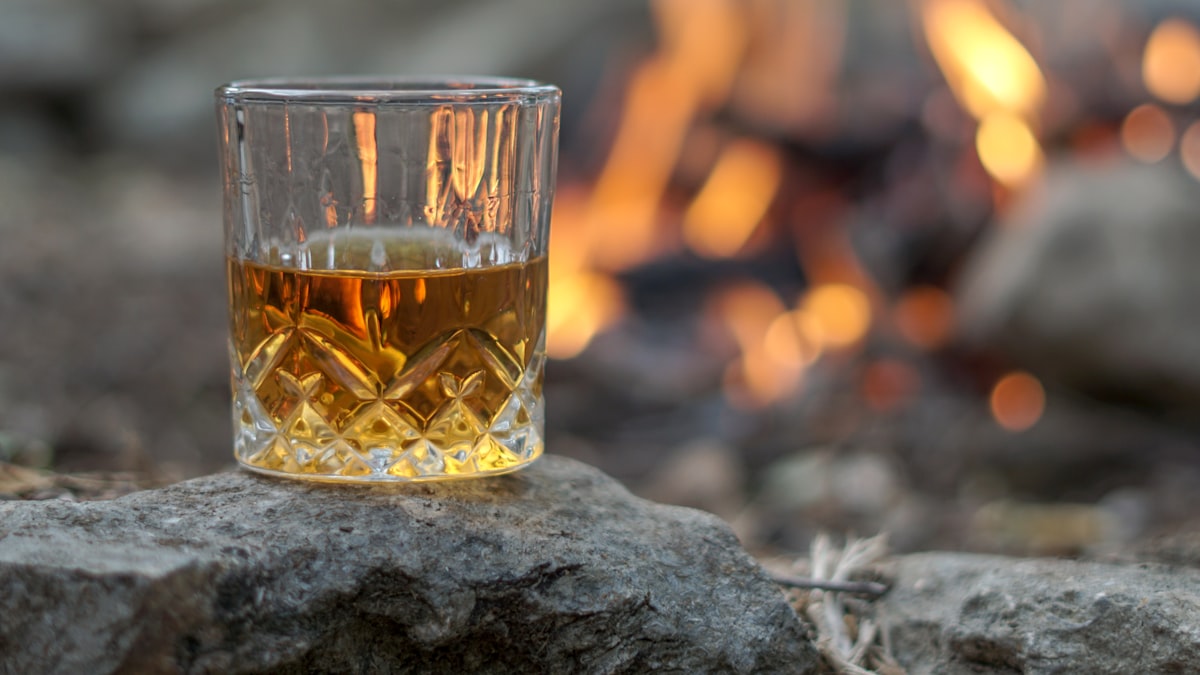
    The Japanese highball (whisky + soda, lots of ice) is the national serve — crisp and food-friendly. Otherwise, neat or with a little water to open it up.

    Where to buy

    Reputable retailers and larger online stores stock the accessible bottles; be wary of wildly marked-up “rare” listings. Buying in Japan? Department stores, Bic Camera, and Don Quijote often have good prices — a bottle makes a memorable gift from Japan (mind duty-free allowances when flying home).

    Not a whisky person? Japan’s green teas travel just as well.

    What Japanese whisky typically costs

    • Accessible blends like Suntory Toki and Nikka From The Barrel run JPY 2,500-4,000, genuinely good value and widely available even at department stores and Don Quijote.
    • Age-statement single malts (Yamazaki 12, Hakushu 12) run JPY 15,000-30,000+ when you can find them at retail price — demand has pushed many onto allocation or lottery-style sales systems at Japanese retailers, making them harder to simply buy off a shelf.
    • Rare and discontinued bottlings from Karuizawa or older Hanyu releases can run into the hundreds of thousands of yen at auction, firmly collector territory rather than casual buying.

    Common mistakes to avoid

    • Assuming any Japanese-labeled bottle is genuinely Japanese-distilled — newer labeling standards have tightened this, but older or export-market bottles sometimes blend in imported Scotch or Canadian whisky; check the producer’s own disclosure if authenticity matters to you specifically.
    • Overpaying for “rare” bottles from unofficial resellers — flagship distillery age-statement releases are genuinely scarce, and inflated resale prices are common; reputable department store liquor floors and Bic Camera are safer, fair-priced options than street vendors or unfamiliar online sellers.
    • Forgetting duty-free liquor allowances when flying home — most countries cap how much alcohol you can bring in without declaring it; check your destination’s specific limit before buying multiple bottles.

    Trying before you commit to a bottle

    Whisky bars in Tokyo and Osaka often stock an extensive range of pours by the glass, letting you taste several distilleries’ styles for a fraction of a full bottle’s cost before deciding what to bring home — a smarter approach than buying a bottle sight-unseen based on reputation alone.

    Highball culture beyond the bottle

    Many Japanese restaurants and izakaya serve a whisky highball as a default drink option alongside beer, often at a lower price point than a dedicated whisky bar — trying it this casual, everyday way during your trip gives a more authentic sense of how the drink fits into daily life than a formal tasting alone.

  • Best Japanese Green Tea: Matcha, Sencha & Where to Buy

    Best Japanese Green Tea: Matcha, Sencha & Where to Buy

    Some links below are affiliate links. If you buy through them, Japan Trove may earn a small commission at no extra cost to you.

    Japanese green tea is one of the best things to bring home: light to pack, long-lasting, and a daily reminder of your trip. But “green tea” covers a lot of styles. Here’s a simple guide to the main types and how to buy good ones.

    The main types

    • Sencha — the everyday green tea; fresh, grassy, slightly sweet. Start here.
    • Gyokuro — shade-grown and premium; rich, sweet, and umami-heavy. A treat.
    • Matcha — stone-ground powder whisked into water; vivid and full-bodied, also great in lattes and baking.
    • Hojicha — roasted green tea; toasty, low in caffeine, lovely in the evening.
    • Genmaicha — green tea with roasted brown rice; nutty and comforting.

    How to choose good tea

    • Look for origin — Uji (Kyoto), Shizuoka, and Kagoshima are famous regions.
    • Buy recent harvest and reseal well; green tea fades with time and air.
    • For matcha, “ceremonial grade” is for drinking; “culinary grade” is for lattes and baking — don’t overpay for baking.

    Brewing basics

    • Sencha: cooler water (about 70–80°C) for ~1 minute — boiling water makes it bitter.
    • Gyokuro: even cooler (~50–60°C), longer steep.
    • Matcha: sift, add a little near-boiling water, and whisk to a froth.

    Where to buy

    Good Japanese tea is available on Amazon and specialty tea retailers that ship worldwide; look for named regions and recent harvest dates. Buying in Japan? Department-store food halls (depachika) and specialist tea shops in Kyoto are ideal, and a nice tin makes a great gift.

    Pair your tea habit with other Japanese treats, or learn to order Japan-only items via a proxy service.

    What good tea typically costs

    • Everyday sencha runs JPY 800-2,000 for 100g, while premium single-origin Uji or Shizuoka sencha can run JPY 3,000-6,000 for the same amount depending on harvest grade.
    • Ceremonial-grade matcha runs JPY 2,000-6,000 for a small 30-40g tin — genuinely different from and pricier than culinary-grade matcha (JPY 800-1,500), which is fine for lattes and baking but noticeably harsher for straight drinking.
    • Gyokuro, the shade-grown premium tea, runs JPY 3,000-8,000 for 100g and is priced closer to a luxury purchase than an everyday one given its labor-intensive cultivation.

    Common mistakes to avoid

    • Buying culinary-grade matcha for drinking — it’s formulated for baking and lattes where other ingredients mask bitterness; straight-drinking matcha specifically calls for ceremonial grade, and the price difference reflects a real quality gap for this use.
    • Brewing sencha with boiling water — this is the most common mistake and makes the tea genuinely bitter; letting water cool to roughly 70-80°C first (or simply waiting a minute or two after boiling) makes a noticeable difference.
    • Storing tea loosely in a cupboard for months — green tea fades in flavor from light and air exposure faster than black tea; buying smaller amounts more frequently, or resealing tightly in an airtight container, preserves quality much better.

    Building a tea-tasting flight to bring home

    Buying a small amount each of sencha, hojicha, and genmaicha lets you compare grassy, roasted, and nutty profiles side by side — a more interesting souvenir for a tea-curious friend than a single large bag of one style, and it fits easily within typical airline liquid/powder carry restrictions since it’s all dry leaf.

    Visiting a tea region in person

    Uji, just outside Kyoto, is worth a half-day trip specifically for tea enthusiasts — specialty shops there offer tastings and sell direct-from-farm sencha and matcha at prices often better than department store counters, alongside a chance to see the terraced tea fields that don’t come across in a packaged tin.