Japan Trove

Category: Shopping

Honest guides to shopping in and buying from Japan — skincare and cosmetics, snacks and sweets, whisky and sake, hobby and character goods, kitchenware and homeware, and exactly how to ship it all home. We recommend what is genuinely worth it and flag the catches, from voltage and region locks to tax-free rules.

  • Japanese Perfume & Fragrance: Subtle Scents to Buy

    Japanese Perfume & Fragrance: Subtle Scents to Buy

    Some links below are affiliate links. If you buy through them, Japan Trove may earn a small commission at no extra cost to you.

    Japanese fragrance leans subtle, clean, and refined — a lovely contrast to bolder Western perfumes. If you like understated scents, here’s what to explore and buy.

    The Japanese fragrance style

    Japanese scents often favor soft, clean, “quiet luxury” profiles — think fresh cotton, green tea, yuzu, sakura, hinoki (cypress) and incense notes — designed to sit close to the skin rather than fill a room.

    What to look for

    • Niche & department-store brands — Japanese houses and boutiques with delicate signature scents.
    • Traditional incense (o-koh) — Kyoto’s centuries-old incense makers; a beautiful, affordable gift.
    • Yuzu, sakura, and green-tea fragrances and body mists — very Japanese, easy to wear.
    • Hinoki (cypress) scents that capture the smell of an onsen town.

    Where to buy

    Tips

    • Test on skin — clean Japanese scents can be faint on paper.
    • Incense is a lightweight, unbreakable gift that packs flat.
    • Pair with Japanese skincare and makeup for a full J-beauty haul.

    Typical costs

    • Traditional incense (o-koh) starter sets from established Kyoto makers run JPY 1,500-4,000, a genuinely affordable and lightweight gift that survives packing far better than glass bottles.
    • Niche Japanese fragrance houses typically price a full bottle JPY 8,000-25,000, competitive with mid-tier Western niche perfume once tax-free savings are applied.
    • Department-store beauty floor samples are usually free to request, making it easy to build a small testing set of 4-5 scents before committing to a full bottle purchase.

    Common mistakes to avoid

    • Buying based on the paper test alone — Japanese fragrances are formulated to develop close to skin, and many genuinely change character over the first 15-20 minutes on skin versus how they read on a test strip.
    • Assuming incense is only for religious use — most Japanese households burn incense simply for the scent, no ritual required, and buying a starter set with a small ceramic holder makes for an easy home upgrade.
    • Overpacking glass bottles in checked luggage — wrap them in clothing at the center of your bag, or consider a smaller travel-size bottle if it’s offered, since breakage in transit is a real risk.

    Building a full J-beauty gift set

    Fragrance pairs naturally with other understated Japanese beauty categories — a hinoki-scented soap or bath salt, a subtle skincare mist, and a small incense set together make a cohesive, distinctly Japanese gift far more interesting than a single bottle of perfume alone. See our Japanese skincare guide for complementary picks.

    Where to find the best incense

    Kyoto is the center of Japan’s centuries-old incense industry, with several makers running shops that double as small museums of the craft — worth a stop even if you don’t plan to buy, since staff often explain the different wood and resin bases (sandalwood, aloeswood, cinnamon) in a way that makes later purchases feel far more informed.
  • Cheap Souvenirs from Japan: Best Budget Gifts

    Cheap Souvenirs from Japan: Best Budget Gifts

    You don’t need to splurge to bring home great gifts from Japan. Some of the best souvenirs cost just a few hundred yen. Here’s where to find cheap, cheerful, unmistakably-Japanese finds.

    Best budget souvenirs

    • Kit Kats & regional snacks — fun flavors that travel well; see our Kit Kat guide.
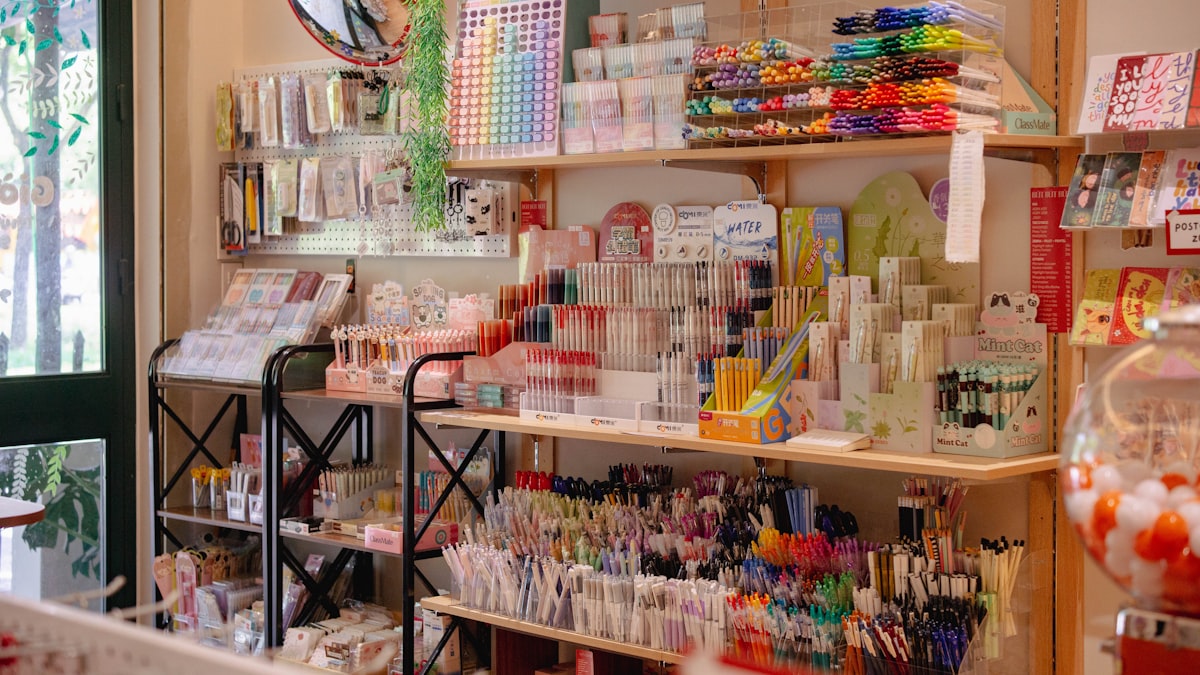
    • Cute stationery — pens, sticky notes, washi tape; see stationery.
    • Chopsticks, tenugui cloths, folding fans, and small ceramic dishes.
    • Face masks & beauty samples — see drugstore buys.
    • Character goods & gachapon — see our capsule toy guide.

    Where to shop cheap

    • 100-yen shops (Daiso, Seria) — the champion of cheap souvenirs; see our 100-yen shop guide.
    • Don Quijote for snacks and novelties; see the Donki guide.
    • Konbini for last-minute edible gifts; see konbini must-buys.
    • Station & temple stalls for regional omiyage.

    Smart tips

    • Buy multipacks of individually wrapped sweets — perfect for sharing at work.
    • Prices are before tax; over 5,000 yen, shop tax-free with your passport.
    • Pack a foldable bag for the haul. For pricier picks, see our best gifts from Japan.

    Realistic budget for souvenir shopping

    • A well-stocked 100-yen shop haul of 10-15 small items (chopsticks, stationery, snacks) runs JPY 1,500-2,500 total including tax, making it possible to cover a whole gift list for under JPY 3,000.
    • Individually wrapped sweet multipacks at Don Quijote or a supermarket run JPY 500-1,200 per box and typically contain 8-16 pieces, ideal for splitting among coworkers without buying separate gifts for each person.
    • Station omiyage counters price regional specialty snacks slightly higher than supermarkets (JPY 800-1,500 per box) but offer flavors and packaging genuinely unique to that city or region, which can justify the premium for a memorable gift.

    Common mistakes to avoid

    • Buying all your souvenirs on the last day — popular regional snacks and limited items can sell out at station shops during a busy travel weekend; buy as you go rather than saving everything for departure day.
    • Forgetting the 5,000 yen tax-free minimum applies per store, per day, not across your whole trip — consolidating a big souvenir run at one store on one visit maximizes your chances of qualifying.
    • Overpacking glass or liquid items (sauces, drinks) without checking your airline’s carry-on liquid rules — these are safer in checked luggage, well-wrapped in clothing.

    Gifts that double as packing-friendly

    Flat items travel best: washi tape, tenugui cloths, and folding fans pack into almost no extra space and rarely break, unlike ceramics or bottled items. If you’re buying for a large group back home, prioritize these flat, lightweight categories over anything fragile to keep your luggage weight and stress down.

    Where budget souvenirs cluster together

    Station-adjacent shopping is the most efficient place to knock out most of your list at once — a big Don Quijote or a 100-yen shop near a major train station lets you compare regional snacks, everyday goods, and character merchandise side by side, which beats hunting through several smaller specialty shops across a city if time is limited near the end of a trip.

  • Loft & Hands: Japan’s Variety Store Souvenir Guide

    Loft & Hands: Japan’s Variety Store Souvenir Guide

    Loft and Tokyu Hands (now “Hands”) are Japan’s beloved variety/lifestyle stores — floors of clever gadgets, stationery, beauty, travel goods, and quirky finds. They’re souvenir goldmines. Here’s what to look for.

    What are Loft & Hands?

    Both are multi-floor “variety stores” packed with well-designed everyday goods — think a curated, mid-range step up from a 100-yen shop. Loft leans stationery, beauty, and lifestyle; Hands leans DIY, tools, travel, and hobby — but they overlap a lot.

    Best things to buy

    • Stationery — pens, planners, and washi tape galore; see Japanese stationery.
    • Beauty & self-care — tools, masks, and gadgets; see beauty tools.
    • Travel goods — packing organizers, compact umbrellas, gadgets.
    • Kitchen & home gadgets — clever tools that make great gifts.
    • Quirky novelties — the “only in Japan” section is a rabbit hole.

    Where to find them

    • Flagship and large branches in Shibuya, Shinjuku, Ginza, and major cities — often in or near stations and malls.

    Shopping tips

    • Bring your passport for tax-free over the threshold.
    • Great one-stop shops for practical, giftable souvenirs that pack flat.
    • Cheaper basics? Compare with 100-yen shops and Muji; for rock-bottom prices try Don Quijote.

    A relaxed hour here yields half your souvenir list. More in our best gifts from Japan guide.

    What things typically cost

    • Most Loft and Hands items run JPY 300-2,000, with the sweet spot for gift shopping around JPY 500-1,200 for stationery, beauty tools, or small kitchen gadgets.
    • Both stores skew slightly pricier than Daiso but noticeably cheaper than department store equivalents — a genuine middle ground worth browsing before deciding where to spend on a specific item.
    • Flagship branches (Shibuya Loft, Shinjuku Hands) are large enough that a thorough browse takes 45-90 minutes if you’re actually reading labels and comparing options rather than skimming.

    Common mistakes to avoid

    • Assuming Loft and Hands stock the same things — Loft leans more toward beauty, stationery, and lifestyle goods, while Hands leans toward DIY, hobby, and outdoor gear; if you’re hunting for something specific, check which one is more likely to carry it before wasting time in the wrong store.
    • Not comparing prices with Daiso or Muji before buying basics — some overlapping items (simple stationery, storage boxes) are genuinely cheaper at 100-yen shops, while Loft/Hands wins on more unique or higher-quality gadgets.
    • Skipping the seasonal sections — both chains rotate limited seasonal goods (sakura-themed items in spring, Halloween novelties in autumn) that disappear once the season ends.

    Building a souvenir haul efficiently

    A single hour at a large Loft or Hands branch can realistically cover half a gift list — stationery for coworkers, a beauty gadget for a friend, and a quirky novelty item for yourself. Pair the visit with a nearby 100-yen shop stop for the cheaper basics to round out the list without overspending on everything.

    Tax-free thresholds in practice

    Since individual items tend to be inexpensive, reaching the tax-free minimum purchase threshold in one visit is easier if you consolidate a full shopping list into a single transaction rather than making several smaller purchases across return visits — ask staff about the current threshold, since it can change, and always bring your passport in case you cross it unexpectedly.

  • Japanese Department Stores & Depachika Food Halls

    Japanese Department Stores & Depachika Food Halls

    Japanese department stores (depato) are an experience in themselves — impeccable service, whole floors of food, and everything from luxury to souvenirs under one roof. Here’s how to shop them, especially the legendary food halls.

    The depachika (food hall)

    The basement food floors, or depachika, are the highlight: dazzling counters of bento, wagashi sweets, chocolates, deli, and gifts. Don’t miss:

    • Beautiful boxed sweets and chocolate — perfect gifts.
    • Ready-to-eat bento and deli — great value, superb quality.
    • Closing-time discounts — fresh items get marked down late afternoon/evening.

    The main chains

    • Isetan, Mitsukoshi, Takashimaya, Daimaru, Matsuya — the big names, each with flagship stores.
    • Often located right at or above major stations for easy access.

    What else to buy

    • Ceramics & homeware — see our homeware guide.
    • Cosmetics counters — J-beauty brands; see makeup and skincare.
    • Kimono & traditional goods, plus seasonal gift corners.

    Shopping tips

    • Bring your passport for tax-free (dedicated counters handle it).
    • Service is famously polite — staff may bow and even escort you; enjoy it.
    • Rooftops sometimes have gardens or shrines; top floors often have restaurant districts (restaurant “resutoran-gai”).
    • Go to the depachika hungry — free samples abound.

    Find them in Ginza, Shinjuku, and every major city. More in our Tokyo guide.

    What things cost at a depachika

    • Ready-made bento boxes run JPY 800-2,500 depending on quality; a good rule of thumb is that a busy counter with a visible line usually signals better value and freshness.
    • Boxed sweets and chocolate gift sets run JPY 1,000-5,000, with the higher end reserved for beautifully packaged, individually wrapped assortments meant specifically as formal gifts (omiyage).
    • Timing your visit for 60-90 minutes before closing can mean 20-50% discounts on prepared food as staff mark down items that won’t be sold fresh the next day — a genuinely useful budget dinner strategy in any major city.

    Common mistakes to avoid

    • Rushing through without sampling — many counters offer small free samples, especially for sweets and pickles; trying before buying is normal practice, not an imposition on staff.
    • Assuming all department stores are equally tourist-friendly for tax-free processing — flagship branches of Isetan, Takashimaya, and Mitsukoshi have dedicated tax-free counters with English support, while smaller branches may not.
    • Skipping the upper floors entirely — restaurant districts (resutoran-gai) on top floors often have excellent set-lunch deals with fewer crowds than street-level restaurants nearby.

    Best time to visit a depachika

    Late morning on a weekday is the quietest and most pleasant time to browse without crowds, while early evening (just before the discount window) offers the best combination of full selection and an emerging bargain hunt as staff start marking down the day’s unsold items.

    Depachika as a solo-friendly dinner option

    For solo travelers or anyone tired after a full day of sightseeing, a depachika bento eaten back at your hotel is a genuinely excellent, no-reservation-needed dinner option — restaurant-quality food without the logistics of finding and sitting alone at a sit-down restaurant.

  • Ginza Shopping Guide: Luxury, Depachika & Flagships

    Ginza Shopping Guide: Luxury, Depachika & Flagships

    Ginza is Tokyo’s most elegant shopping district — flagship boutiques, historic department stores, and refined dining. Whether you’re window-shopping or splurging, here’s how to enjoy it.

    What Ginza is known for

    • Luxury flagships — the global fashion houses line Chuo-dori.
    • Historic department stores — Mitsukoshi, Matsuya, and Wako with its iconic clock tower.
    • Uniqlo & Muji flagships — the giant Ginza stores have the widest ranges; see Uniqlo vs Muji and Muji must-buys.
    • Depachika — the department-store food halls are a must for edible gifts and sweets.

    Don’t-miss stops

    • Ginza Six — a stylish mall with art installations and a rooftop garden.
    • Itoya — a legendary multi-floor stationery emporium; see Japanese stationery.
    • Weekend pedestrian paradise — Chuo-dori closes to cars on weekend afternoons.

    Shopping smart

    • Bring your passport for tax-free at department stores.
    • Depachika discount seafood/deli near closing time is a fun (and tasty) hack.
    • For cheaper souvenirs, pair with Don Quijote or 100-yen shops elsewhere.

    Getting there

    Ginza Station (multiple lines) drops you in the heart of it; grab an IC card. It pairs well with nearby Tsukiji. More in our Tokyo guide.

    What things cost in Ginza

    • A set lunch at even a well-regarded Ginza restaurant often runs JPY 2,000-4,000, a fraction of the equivalent dinner price — lunch is genuinely the way to experience Ginza dining without a splurge-level bill.
    • Window-shopping is free, and Ginza Six’s rooftop garden costs nothing to visit, making it possible to spend a full afternoon in the district without buying anything beyond a coffee.
    • Itoya’s stationery ranges from JPY 200 pens to museum-piece fountain pens well into six figures — browse the lower floors for affordable gifts and work up if a splurge item catches your eye.

    Common mistakes to avoid

    • Visiting on a Monday — some galleries, smaller boutiques, and specific floors within larger stores close or reduce hours on Mondays; check ahead if a specific shop is your reason for visiting.
    • Missing the weekend pedestrian paradise hours — Chuo-dori closes to traffic on weekend afternoons, transforming the main street into a walkable promenade; visiting on a weekday misses this entirely.
    • Assuming Ginza is only for luxury spending — the depachika food halls and Uniqlo/Muji flagships offer genuinely accessible price points alongside the high-end boutiques.

    Pairing Ginza with a fish-market morning

    Ginza sits within easy walking or short train distance of Tsukiji’s outer market, making an early sushi breakfast followed by a late-morning Ginza wander a popular and efficient combination for a first Tokyo visit.

    A relaxed half-day plan

    Start at Itoya for stationery browsing, walk Chuo-dori’s flagship stores at a window-shopping pace, stop into a department store depachika for a late lunch or snacks, and finish at Ginza Six’s rooftop garden before heading toward Tsukiji or back to your hotel — a comfortable structure that doesn’t require rushing between any single must-see stop.

  • Best Japanese Chocolate & Sweets to Buy

    Best Japanese Chocolate & Sweets to Buy

    Some links below are affiliate links. If you buy through them, Japan Trove may earn a small commission at no extra cost to you.

    Japan takes chocolate and sweets seriously — think delicate matcha bars, seasonal Kit Kats, and elegant department-store confections. Here’s what to buy and bring home.

    Convenience-store & supermarket favorites

    • Kit Kats — the famous flavors (matcha, sake, regional specials); see our Kit Kat flavors guide.
    • Meiji & Lotte bars — including matcha and hojicha versions.
    • Pocky & Pretz — endless flavors, great cheap gifts.
    • Shiroi Koibito — Hokkaido’s iconic white-chocolate cookies; see Hokkaido.

    Premium & department-store

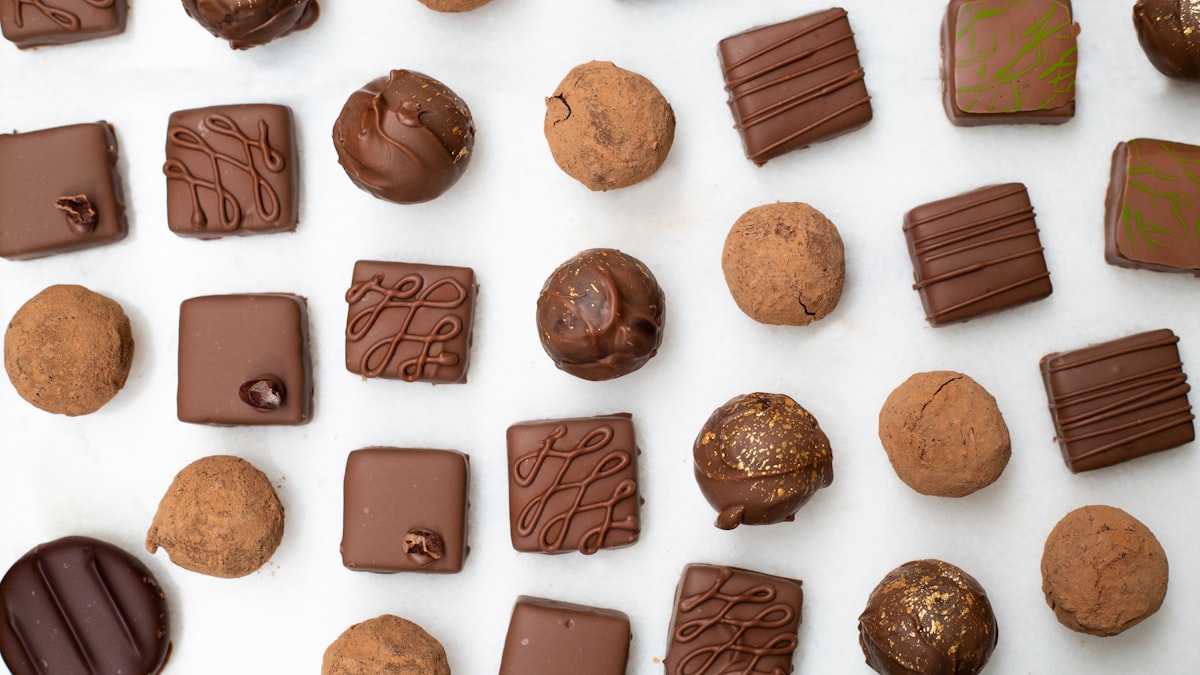
    • Royce’ — Hokkaido’s famous “Nama” (fresh) chocolate and chocolate-dipped potato chips.
    • Depachika confections — beautiful boxed chocolates in department-store food halls.
    • Matcha & hojicha sweets — Kyoto is the place; pair with our green tea guide.

    Great edible souvenirs

    • Regional Kit Kats and omiyage (souvenir) sweets sold at stations and airports.
    • Individually wrapped boxes — perfect for sharing at the office.
    • More ideas in best gifts from Japan and snack boxes.

    Where to buy

    Tips

    • Chocolate melts — buy fresh/refrigerated items (like Royce’ Nama) last, and consider cool packs in summer.
    • Buy tax-free over the threshold with your passport.
    • Seasonal and regional editions make the best gifts.

    What things typically cost

    • Konbini and supermarket chocolate bars run JPY 120-250; a full Kit Kat flavor haul of 8-10 varieties runs JPY 1,500-2,500, an easy way to cover several coworkers’ gifts at once.
    • Royce’ Nama chocolate boxes run JPY 800-1,500 and must be kept cool — buy them close to departure or from an airport branch with cold storage rather than early in a hot-weather trip.
    • Depachika confection gift boxes run JPY 1,500-5,000+ depending on the maker and packaging elaborateness, priced as much for presentation as for the chocolate itself.

    Common mistakes to avoid

    • Buying Royce’ or other fresh chocolate too early in the trip — “Nama” (fresh) chocolate has a short shelf life and melts easily; treat it as a last-day purchase, not a first-day one.
    • Packing chocolate in checked luggage during summer without insulation — cargo holds can get hot on the tarmac; a thin insulated bag or wrapping in clothing in your carry-on is safer for anything chocolate-based.
    • Overlooking regional Kit Kat exclusivity — some flavors are sold only in specific regions or airports (Hokkaido, Kyoto, Kansai editions differ), so buying “the” Kit Kat souvenir in Tokyo alone can mean missing region-specific versions.

    Building a well-rounded sweets gift box

    Mixing price points and textures makes a more interesting gift than an all-chocolate box — pair a Royce’ or Meiji bar with a lighter matcha wafer, a pack of Pocky, and one traditional wagashi sweet for a set that shows off Japan’s range rather than just its convenience-store shelf. See our snack box guide if you’d rather have a curated selection shipped instead of shopping in person.

    Airport shopping for last-minute buys

    Major airports like Narita and Haneda carry a surprisingly full selection of regional and department-store confections in their departure areas, so a missed souvenir opportunity earlier in the trip isn’t necessarily a lost cause — budget 20-30 extra minutes after security if you’re planning to finish sweets shopping at the gate.

  • Secondhand Shopping in Japan: Thrift & Luxury Deals

    Secondhand Shopping in Japan: Thrift & Luxury Deals

    Japan is a secondhand paradise — used goods here are famously clean, honestly graded, and cheap. From designer bags to vintage kimono, thrifting is one of the smartest ways to shop. Here’s how.

    Why Japan’s secondhand scene is special

    Japanese resale culture prizes condition and honesty: items are meticulously cleaned, carefully graded, and often look nearly new. Because many owners treat things gently, you’ll find high-quality goods — including luxury — at a fraction of retail.

    The big chains to know

    • Book-Off — used books, manga, games, CDs; see buying manga.
    • Hard-Off / Off-House — electronics, instruments, and general goods.
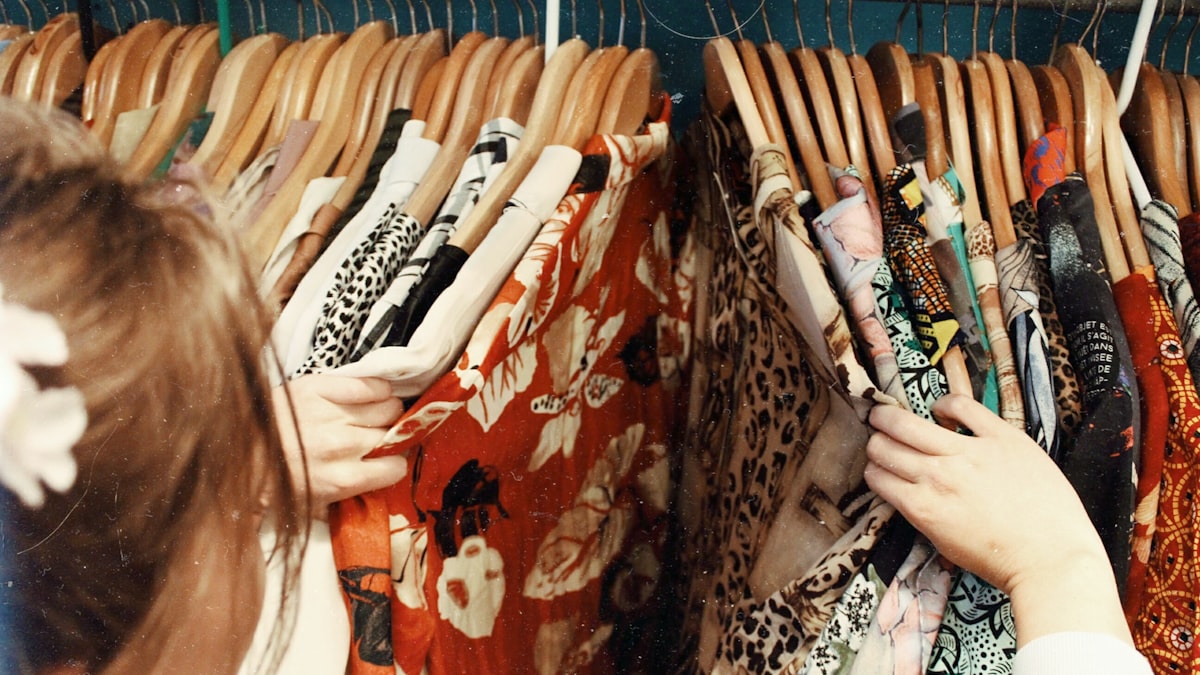
    • 2nd Street & Mode Off — used fashion and accessories.
    • Mandarake — collectibles, figures, and vintage anime goods; great in Akihabara.

    What to hunt for

    • Luxury bags & watches — reputable resellers authenticate; huge savings. See Japanese watches.
    • Vintage fashion — Shimokitazawa and Koenji in Tokyo are treasure troves.
    • Vintage kimono — beautiful and inexpensive; see the kimono & yukata guide.
    • Cameras, games & collectibles — often mint condition.

    How grading works

    Shops grade items (often S/A/B/C or similar) by condition, with prices to match. Inspect anything electronic or mechanical, and don’t be shy — staff are used to careful browsing.

    Tips

    • Bring your passport — many chains offer tax-free over the threshold.
    • Prices are usually fixed (little haggling), but sales and bargain corners are common.
    • Can’t visit in person? A proxy service can bid on Japanese resale sites and auctions for you.
    • It’s a sustainable, budget-friendly way to find unique gifts.

    What secondhand prices actually look like

    • Used designer bags at reputable resellers (like a well-graded Louis Vuitton or Coach piece) commonly sell 30-60% below retail, with authentication already done by the shop — a real advantage over marketplace buying elsewhere.
    • Book-Off manga runs JPY 100-500 per volume for older or common titles, while rare first editions and complete sets command a premium closer to new pricing.
    • Vintage kimono at secondhand shops often run JPY 2,000-8,000 for pieces that would cost tens of thousands new, since younger generations increasingly don’t want the formal garments passed down from grandparents.

    Common mistakes to avoid

    • Assuming secondhand means poor condition — Japan’s resale culture treats “used” and “well-cared-for” as compatible ideas; genuinely mint-condition electronics, bags, and clothing are the norm at graded shops, not the exception.
    • Skipping the grading label — shops post condition grades (often S, A, B, C) directly on the price tag; learning this system in the first store you visit makes every subsequent shop faster to browse.
    • Not checking working condition on used electronics — reputable shops test and warranty items for a short period, but asking staff to demonstrate a camera or game console before buying is normal practice.

    A neighborhood-based approach

    Rather than hunting individual shops across a city, pick one secondhand-dense neighborhood and spend a half-day there — Shimokitazawa and Koenji in Tokyo cluster dozens of vintage and resale shops within walking distance, making for a far more efficient (and fun) afternoon than crossing town between isolated stores.

    Shipping bulkier secondhand finds

    If a shopping trip turns up more than your suitcase can handle — a stack of manga, a vintage camera, several kimono — most large chains and specialist shops can arrange international shipping for an added fee, which is often cheaper than paying overweight baggage charges at the airport.

  • Japanese Watches: Seiko, Citizen, Casio & Where to Buy

    Japanese Watches: Seiko, Citizen, Casio & Where to Buy

    Some links below are affiliate links. If you buy through them, Japan Trove may earn a small commission at no extra cost to you.

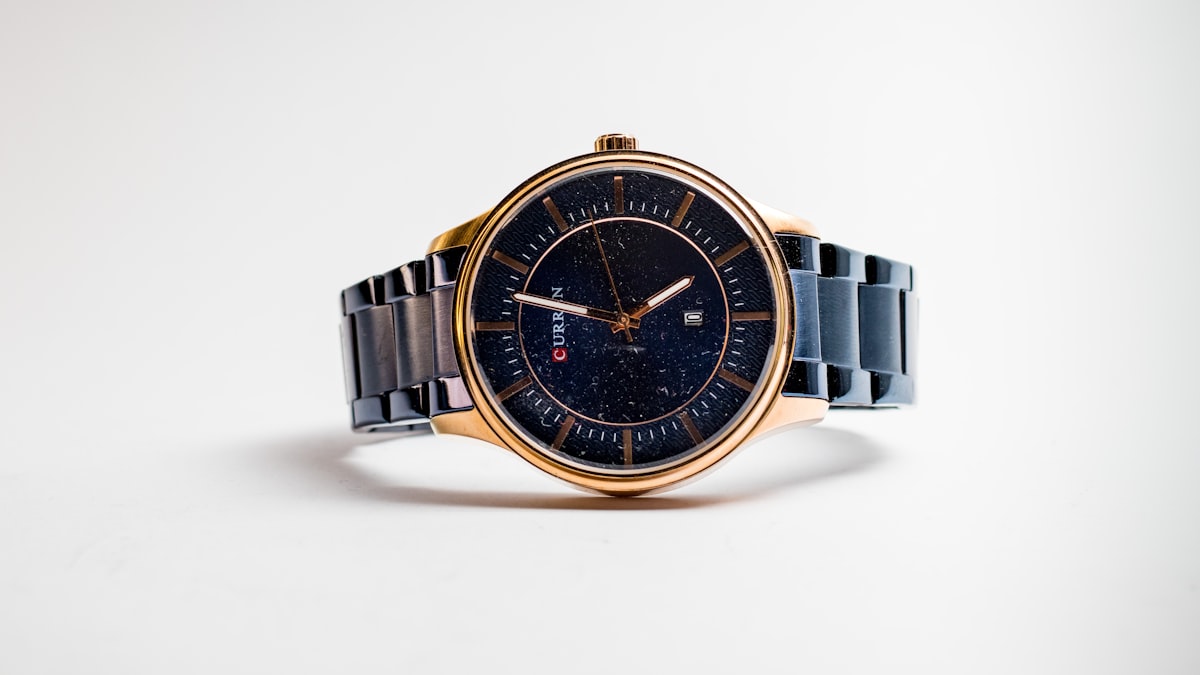
    Japan makes some of the world’s best-loved watches — from affordable icons to serious horology. Buying in Japan can mean great selection and tax-free savings. Here’s the guide.

    The big Japanese brands

    • Seiko — from the budget-hero Seiko 5 to divers and the higher-end Presage and Prospex lines.
    • Grand Seiko — Seiko’s luxury arm, prized for finishing and the Spring Drive movement.
    • Citizen — famous for Eco-Drive (light-powered) watches; great value.
    • Casio & G-Shock — indestructible everyday and tough watches; cult favorites.
    • Orient — well-loved affordable mechanicals.

    What to buy in Japan

    • Domestic-only (JDM) models — some references are sold only in Japan.
    • Seiko 5 & G-Shock — often cheaper here, with wide selection.
    • Grand Seiko — see the range in person at boutiques and department stores.

    Where to buy

    • Yodobashi & Bic Camera — huge selection, tax-free, English support; see our electronics guide.
    • Department stores for Grand Seiko and premium lines.
    • Don Quijote for cheap Casio/G-Shock — see the Donki guide.
    • Secondhand shops for vintage deals — see secondhand shopping.

    Save money

    • Bring your passport for tax-free shopping — watches are a great tax-free buy.
    • Compare prices between big electronics stores.
    • Check international warranty if it matters to you.

    Tips

    What Japanese watches typically cost

    • Seiko 5 automatics start around JPY 20,000-35,000, often 20-30% cheaper in Japan than equivalent export models sold overseas.
    • G-Shock models run JPY 8,000-25,000 for most of the lineup, with Japan-only colorways and collaborations sometimes commanding resale premiums once discontinued.
    • Grand Seiko starts around JPY 300,000-400,000 for entry mechanical models and climbs well into the millions of yen for high complications — department store boutiques let you compare the full range in person before committing.

    Common mistakes to avoid

    • Assuming every Seiko or Citizen model sold in Japan is available with international warranty — some domestic-market watches carry Japan-only warranty coverage; ask specifically if this matters to you before buying a JDM-exclusive reference.
    • Not comparing prices between Yodobashi/Bic Camera and department store boutiques — electronics megastores often discount mainstream Seiko and Citizen lines more aggressively than a dedicated watch counter, while Grand Seiko pricing tends to be fixed everywhere.
    • Buying a mechanical watch without asking about accuracy specs — entry mechanical movements can run several seconds off per day, which is normal, but some buyers are surprised if they expected quartz-level precision.

    Hunting for JDM-exclusive references

    Some of the most interesting Seiko and Citizen references never get an export version — checking a few Japan-specific watch enthusiast resources before your trip can help you recognize a genuinely exclusive piece on a store shelf rather than assuming everything sold in Japan is also sold abroad under a different name.

    Buying as a special-occasion gift

    A watch is one of the few souvenirs that gains meaning with age rather than losing it, making it a popular choice for milestone trips — engraving services are sometimes available at department store counters for an added fee, worth asking about if you want to personalize a Seiko or Citizen purchase for someone back home.

  • Kimono & Yukata: Rent, Buy & What to Know

    Kimono & Yukata: Rent, Buy & What to Know

    Some links below are affiliate links. If you buy through them, Japan Trove may earn a small commission at no extra cost to you.

    A kimono or yukata makes a beautiful souvenir — and wearing one is a highlight for many visitors. Here’s the difference, whether to rent or buy, and how to shop smart.

    Kimono vs yukata

    • Kimono — the formal, lined robe worn year-round; more layers, more expensive, more involved to wear.
    • Yukata — a light, casual cotton kimono for summer and festivals (and onsen towns). Cheaper and easy to wear — the best pick for most travelers.

    Rent or buy?

    • Rent for the experience — rental shops in Kyoto, Asakusa, and Kanazawa dress you and style your hair, perfect for strolling and photos.
    • Buy a yukata as a wearable souvenir — affordable, packs flat, and easy to wear at home.
    • Buy a quality kimono if you want a keepsake; vintage kimono are gorgeous and often inexpensive secondhand.

    What you need to wear one

    A yukata set typically includes the robe, an obi (sash), and often geta (wooden sandals). For kimono you’ll also want the under-layers and accessories — rental shops handle all of this for you.

    Where to buy

    • Department stores & specialty shops for new pieces; bring your passport for tax-free.
    • Vintage & secondhand — see our secondhand shopping guide for beautiful, affordable used kimono.
    • Don Quijote and tourist areas for cheap yukata; see the Donki guide.
    • From abroad: yukata and accessories on Amazon , or a proxy service for vintage finds.

    Tips

    • Rent early in the day and book ahead in peak seasons like cherry blossom time.
    • Left side over right when wrapping — right over left is only for the deceased.
    • A yukata is a lovely, lightweight gift too.

    What rental and purchase typically cost

    • A basic yukata rental runs JPY 3,000-5,000 for a half-day including simple hair styling; premium kimono rental packages with full hair and makeup run JPY 8,000-20,000.
    • A new yukata set (robe, obi, sandals) bought to take home runs JPY 5,000-15,000 depending on fabric quality, while a basic printed cotton yukata from Don Quijote can be found for JPY 3,000-4,000.
    • Vintage silk kimono at secondhand shops often sell for JPY 2,000-10,000, a fraction of new formal kimono prices which can run into the hundreds of thousands of yen for high-quality silk.

    Common mistakes to avoid

    • Booking a rental for late afternoon — most shops require return by early evening (often 6-7pm), so a late-morning or early-afternoon booking gives you the most time to actually wear and enjoy it.
    • Wrapping the robe right-over-left — this is reserved specifically for dressing the deceased; left-over-right is the correct, everyday wrap, and rental shop staff will always double check this for you if you’re dressing yourself.
    • Choosing uncomfortable geta sandals without trying a short walk first — they take some getting used to; ask staff for a slightly looser fit if you plan to walk for hours rather than just take photos.

    Where the experience feels most authentic

    Renting in a neighborhood with matching architecture — Kyoto’s Higashiyama lanes or Kanazawa’s Higashi Chaya district — makes for far better photos and a more immersive feel than wearing a kimono against a modern city backdrop; many rental shops in these areas are positioned specifically for this reason.

    Caring for a purchased piece afterward

    Silk kimono require dry cleaning by a specialist familiar with the fabric and construction, not a standard home wash — if you buy a quality piece rather than a simple cotton yukata, ask the shop for basic care instructions, since improper washing can permanently damage the fabric and structure.

  • Japanese Homeware to Buy: Ceramics, Kitchen & Textiles

    Japanese Homeware to Buy: Ceramics, Kitchen & Textiles

    Some links below are affiliate links. If you buy through them, Japan Trove may earn a small commission at no extra cost to you.

    Japanese homeware is a souvenir sweet spot — beautiful, functional, and often affordable. From ceramics to knives to clever kitchen tools, here’s what to buy to bring a little Japan home.

    Ceramics & tableware

    • Rice bowls, small plates (mamezara), and teacups — endlessly collectible and easy to pack.
    • Regional pottery — Arita, Hagi, Mino, Kutani, and more; see our Japanese tea set & ceramics guide.
    • Lacquerware (shikki) — bowls and trays with a deep, glossy finish.

    Kitchen tools

    • Knives — world-class blades; see our kitchen knives guide.
    • Graters, mandolines, and gadgets — clever, well-made, and cheap at 100-yen shops.
    • Cast iron & tetsubin teapots (heavier — plan your packing).

    Textiles & living

    • Furoshiki — versatile wrapping cloths that double as gift wrap and padding.
    • Tenugui — thin cotton hand towels with lovely prints.
    • Noren curtains, incense, and simple storage goods.

    Where to shop

    • Department-store housewares floors and specialty shops.
    • Kappabashi (Tokyo) — the kitchenware street, including realistic food samples.
    • Muji & Loft/Tokyu Hands for modern designs — see Muji must-buys.
    • From abroad: ceramics and knives on Amazon , or a proxy service for artisan pieces.

    Packing tips

    • Wrap ceramics in a furoshiki or clothing; hard-side luggage helps.
    • Buy tax-free with your passport on bigger purchases.
    • Shipping fragile or heavy items? Consider forwarding or a proxy. Great gifts, too.

    What things typically cost

    • Everyday ceramics (rice bowls, small plates) run JPY 500-3,000 at department stores and craft shops, while collectible regional pottery from named kilns (Arita, Hagi, Kutani) can run JPY 5,000-30,000+ for a signed piece.
    • Furoshiki wrapping cloths run JPY 800-3,000 depending on fabric and size, and double as reusable gift wrap and protective padding for other fragile purchases in your luggage.
    • A quality tetsubin cast-iron teapot runs JPY 8,000-25,000 and adds real weight to luggage — factor this in if you’re already carrying knives or ceramics home in the same bag.

    Common mistakes to avoid

    • Buying fragile ceramics without a plan to pack them safely — wrap each piece individually in clothing or a furoshiki, pack centrally in your suitcase away from the sides, and consider a hard-side case if you’re buying several pieces.
    • Overlooking weight limits when buying cast iron or multiple ceramic pieces — these add up fast; weigh your bag partway through a shopping trip if homeware is a big part of your list.
    • Assuming all “Japanese ceramics” sold in tourist areas are handmade or regional — some souvenir shops carry mass-produced imports; buying from a department store’s craft floor or a named regional shop is a safer bet for authenticity.

    Shipping heavier homeware home

    For a serious ceramics or cookware haul, international shipping from the store or a forwarding service is often cheaper and safer than checking it as luggage — ask at the point of sale, since many department stores and specialty shops routinely handle this for overseas visitors.

    Homeware as a thoughtful, lasting gift

    Unlike consumable snacks, a well-chosen ceramic piece or set of tenugui cloths is a gift the recipient will keep and use for years — worth the extra care in packing and the modest price premium over a disposable souvenir, especially for someone who already appreciates home goods or cooking.