Japan Trove

Category: Shopping

Honest guides to shopping in and buying from Japan — skincare and cosmetics, snacks and sweets, whisky and sake, hobby and character goods, kitchenware and homeware, and exactly how to ship it all home. We recommend what is genuinely worth it and flag the catches, from voltage and region locks to tax-free rules.

  • Gachapon Guide: Japan’s Capsule Toy Machines

    Gachapon Guide: Japan’s Capsule Toy Machines

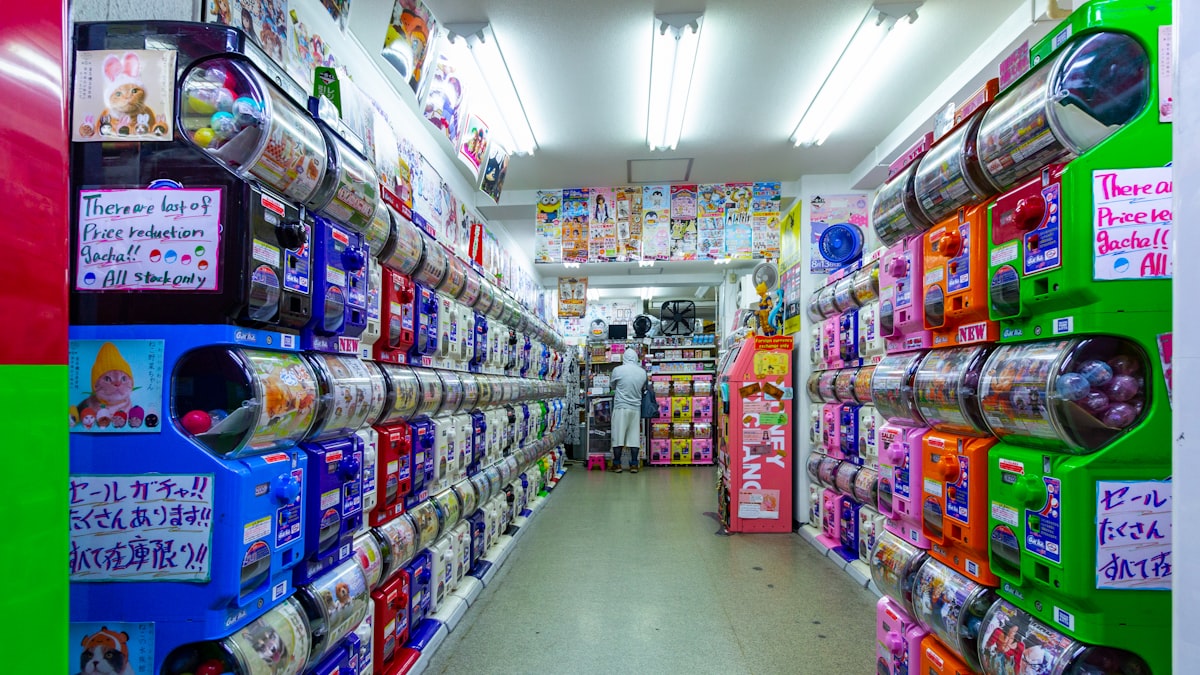
    Gachapon (capsule toys) are one of Japan’s most addictive little pleasures — rows of machines dispensing surprisingly high-quality miniatures for a few hundred yen. Here’s the guide to collecting them.

    What is gachapon?

    Called gachapon or gashapon (after the crank-and-drop sound), these vending machines dispense a random toy in a plastic capsule. Prices are typically 200–500 yen. The quality and creativity are astonishing — from cute characters to hyper-realistic miniatures and delightfully weird novelties.

    What you’ll find

    • Anime & character goods — Pokémon, Sanrio, Gundam, and more.
    • Realistic miniatures — tiny food, furniture, animals, and everyday objects.
    • Novelty humor — the famously strange ones Japan is known for.
    • Seasonal & limited series that rotate constantly.

    Where to find the machines

    • Gachapon halls — huge rooms with hundreds of machines (Akihabara has famous ones); see our Akihabara guide.
    • Department stores, arcades, and stations — machines are everywhere.
    • Specialty spots like Gashapon Bandai Official Shops.

    How to play

    • Insert coins (machines often need exact change — keep 100-yen coins handy; change machines are nearby).
    • Turn the crank; collect your capsule from the tray.
    • Each series shows the possible variants — but which you get is random.

    Tips

    • Bring coins. This is the one place cash is king.
    • They make cheap, fun gifts and souvenirs — grab a few for friends.
    • Capsules are bulky; pop the toys out and flatten capsules to save luggage space.
    • Chasing a specific one? Some shops sell “opened” gachapon items individually.

    What gachapon typically costs

    • Most capsules run JPY 200-500, though premium and detailed collectible series (life-like miniatures, licensed character figures) can run JPY 500-800 per capsule.
    • A single large gachapon hall can house 300-500+ machines, so budget for the temptation — a “quick” 20-minute stop easily turns into JPY 2,000-3,000 in change spent chasing a specific figure.
    • If you’re hunting one specific item from a set rather than accepting any random result, secondhand shops like Mandarake sell individual “opened” gachapon figures for a set price, often cheaper than repeatedly gambling on the machine itself.

    Common mistakes to avoid

    • Not carrying enough 100-yen coins — most machines are coin-only and don’t accept bills or IC cards directly; large gachapon halls have coin-change machines, but smaller standalone machines on the street may not.
    • Assuming you can choose your result — gachapon is genuinely random within the shown set; if getting a specific figure matters, buying it secondhand or from a completed-set reseller is more reliable than repeated tries.
    • Throwing away capsules on the street — pop the toy out and dispose of the plastic capsule properly, or better, keep a few as their own quirky souvenir since some series design them to interlock or display.

    Best gachapon halls to visit

    Akihabara has some of the largest and most famous gachapon halls in the country, often spanning multiple floors — worth an hour of dedicated browsing on its own merits, separate from the district’s electronics and anime shopping covered in our Akihabara guide.

    Setting a budget before you start

    Because the format is designed to be repeatable and slightly addictive, it helps to decide on a coin budget before approaching a wall of machines rather than deciding in the moment — many visitors find a self-imposed limit of JPY 1,000-2,000 per stop keeps the activity fun rather than turning into an unplanned expense.

  • Where to Buy Manga in Japan (and From Abroad)

    Where to Buy Manga in Japan (and From Abroad)

    Some links below are affiliate links. If you buy through them, Japan Trove may earn a small commission at no extra cost to you.

    Buying manga in Japan is a joy — vast selection, low prices, and shelves of things never released overseas. Here’s where to buy, plus the language catch to keep in mind.

    Read this first: language

    Manga sold in Japan is almost always in Japanese. If you want English editions, you’ll mostly buy those back home. But for collectors, art books, limited editions, and the sheer thrill of the source, shopping in Japan is unbeatable — and great for studying the language.

    Best places to buy

    • Bookstores — Kinokuniya, Tsutaya, and Junkudo have huge, well-organized manga floors.
    • Animate — the go-to chain for manga plus anime goods; see buying anime figures.
    • Book-Off — the famous used-book chain; cheap second-hand manga in great condition.
    • Mandarake — rare, vintage, and out-of-print treasures; a highlight of Akihabara.
    • Doujinshi shops (Toranoana, etc.) — independent/fan works.

    Also worth grabbing

    • Tankobon volumes — cheap (often a few hundred yen new, less used).
    • Art books & guidebooks — gorgeous even if you don’t read Japanese.
    • Limited/special editions with extras you won’t find abroad.

    Buying from abroad

    • English manga is widely available on Amazon .
    • For Japanese editions, used finds, and Japan-only sets, use a proxy service like Buyee or ZenMarket.

    Tips

    • Manga is heavy — buy a lot and use forwarding or ship home rather than lugging it.
    • Bring your passport for tax-free on bigger hauls.
    • Used (Book-Off) is the budget move; new bookstores for the latest releases.

    What manga typically costs

    • New tankobon volumes run JPY 400-700 each, making a 10-volume series a modest JPY 4,000-7,000 total — often much cheaper than buying translated editions abroad.
    • Used copies at Book-Off frequently run JPY 100-300 per volume in good condition, and it’s normal to find nearly-complete used sets bundled together at a further discount.
    • Art books and special editions with extras (posters, bonus chapters, box packaging) run JPY 2,000-6,000 and are a better “collector” buy than standard volumes if the goal is a keepsake rather than reading material.

    Common mistakes to avoid

    • Buying a series without checking your reading direction comfort — Japanese manga reads right-to-left; if you’ve only read localized left-to-right editions before, a quick flip-through in the store confirms whether the format bothers you before committing to a full series.
    • Assuming every bookstore carries the same stock — Kinokuniya and Tsutaya lean toward current, mainstream releases, while Mandarake and doujinshi shops specialize in out-of-print, rare, or independent works; know which type of manga you want before choosing where to shop.
    • Overbuying without a shipping plan — manga is deceptively heavy in volume; a stack of 20+ books can meaningfully affect your luggage weight allowance.

    Combining a manga run with anime shopping

    Animate and Mandarake branches often stock manga alongside related figures, art prints, and anime merchandise from the same series, making it efficient to complete a themed haul in one stop rather than visiting separate specialty stores. See our anime figures guide for the merchandise side of the same shopping trip.

    Reading Japanese manga as a language-learning tool

    Many language learners specifically use manga aimed at younger readers (shonen and shojo titles) as reading practice, since dialogue tends to be simpler and furigana phonetic readings are often printed above kanji — a genuinely useful, enjoyable side benefit of buying in Japan even for readers who aren’t fluent yet.

  • Japanese Makeup Brands: The Best J-Beauty to Buy

    Japanese Makeup Brands: The Best J-Beauty to Buy

    Some links below are affiliate links. If you buy through them, Japan Trove may earn a small commission at no extra cost to you.

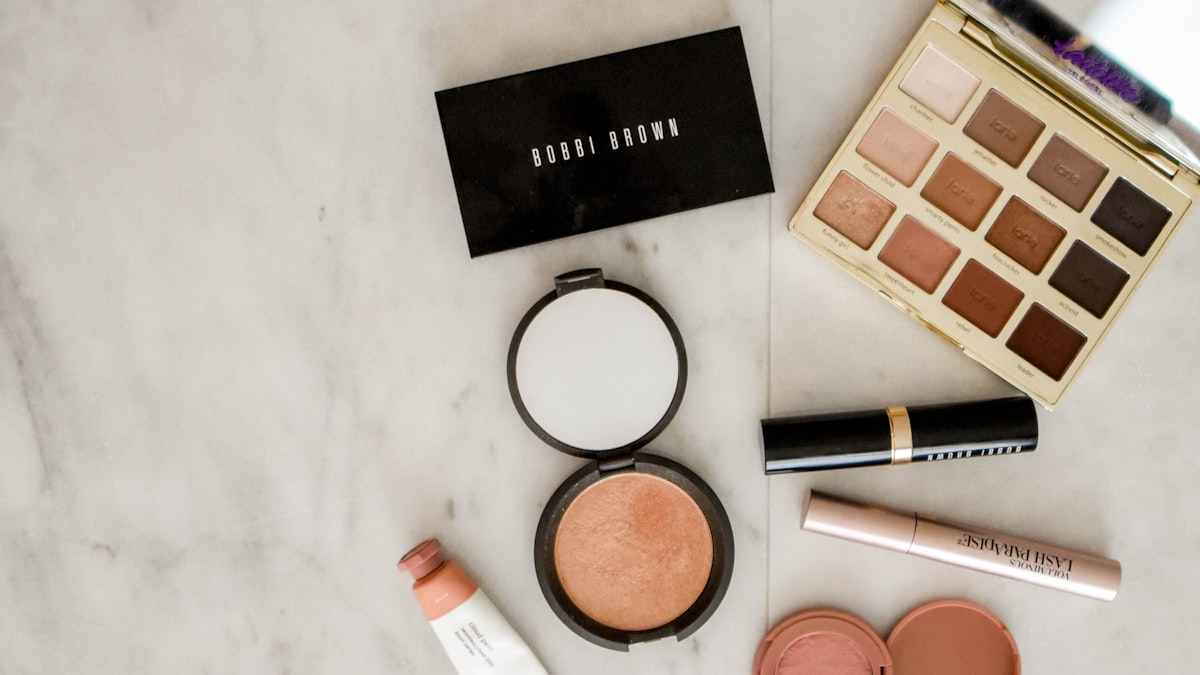
    Japanese makeup (J-beauty) is beloved for its quality, clever formulas, and gentle, skin-friendly approach. Whether you’re shopping in Japan or from home, here are the brands and buys to know.

    Drugstore stars (affordable)

    • Canmake — cult cream blushes and cute, cheap staples.
    • Cezanne — excellent value bases and primers.
    • Kate — sleek eyeshadow palettes and brow products.
    • Majolica Majorca & Heroine Make — famous mascaras that survive humidity.
    • Excel & Visee — polished, on-trend eye palettes.

    Mid-range & department store

    • Shiseido — Japan’s beauty giant, from bases to iconic skincare.
    • SUQQU, RMK, Addiction — chic, high-end color cosmetics loved by makeup fans.
    • Cle de Peau Beaute — luxury, famous for its concealer.

    What Japan does especially well

    • Cushion & liquid bases with skincare benefits.
    • Long-wear, smudge-proof mascaras and liners (film types that come off with warm water).
    • Sun protection — cosmetics with high SPF; see our Japanese sunscreen guide.

    Where to buy

    Tips

    • Pair makeup with Japan’s excellent skincare — the base is half the look.
    • Shades skew for lighter-to-medium tones; check ranges if that matters to you.
    • Drugstore prices in Japan are often far lower than overseas — stock up on favorites.

    What J-beauty typically costs

    • Drugstore brands like Canmake and Cezanne price most items JPY 500-1,500, genuinely cheap enough to try several shades or products without much risk.
    • Mid-range and department store lines (Shiseido, SUQQU, RMK) run JPY 3,000-8,000 per item, competitive with similar-tier Western brands once tax-free savings are applied.
    • A well-rounded starter haul — a cushion base, a mascara, a cream blush, and a lip product across a mix of drugstore and mid-range brands — typically runs JPY 6,000-12,000 total.

    Common mistakes to avoid

    • Buying foundation or cushion base shades without testing in daylight — Japanese shade ranges can differ meaningfully from Western ranges, and drugstore lighting often misrepresents undertones; step outside or near a window if the shop allows it.
    • Assuming SPF-rated makeup replaces dedicated sunscreen — it’s a helpful supplement, not a substitute for proper sun protection underneath; see our Japanese sunscreen guide for the base layer.
    • Stocking up on a favorite shade without checking if it’s a limited or seasonal release — some popular drugstore items are seasonal and get discontinued, so buying extras of a genuine favorite is reasonable rather than assuming it’ll always be there next trip.

    Where drugstore chains differ

    Matsukiyo and Welcia both carry the major drugstore brands, but store layout and in-stock selection vary by branch size — a large flagship near a major station will have a far deeper range than a small neighborhood branch, worth knowing if you’re hunting a specific discontinued-elsewhere shade.

    Buying enough to last until your next trip

    Since many J-beauty favorites are genuinely cheaper in Japan than through overseas resellers, it’s common practice among repeat visitors to stock up on a year’s supply of a favorite mascara or base product each trip — checking expiration dates on the packaging first to make sure the full stock will still be usable.

  • Muji Must-Buys: What to Get at the Source in Japan

    Muji Must-Buys: What to Get at the Source in Japan

    Muji (Mujirushi Ryohin, “no-brand quality goods”) is a Japanese institution — minimalist, functional, and often cheaper at home than abroad. Here’s what to buy at the source.

    Why buy Muji in Japan

    The range is bigger, prices are lower than overseas Muji, and the flagship stores stock food, furniture, and limited items you won’t find elsewhere. Tourists can also shop tax-free.

    Best things to buy

    • Stationery — the famous gel pens, notebooks, and refills; see Japanese stationery.
    • Travel goods — packing pouches, neck pillows, and compact toiletries.
    • Skincare & toiletries — simple, affordable, and well-made.
    • Snacks — baumkuchen, ramen, retort curries, and quirky sweets.
    • Household & storage — the beloved acrylic organizers and PP boxes.
    • Clothing basics — socks, tees, and loungewear.

    Muji vs Uniqlo

    Both are Japanese minimalist icons, but Muji leans lifestyle/home while Uniqlo is clothing-focused. Read our Uniqlo vs Muji comparison.

    Where to shop

    • Flagship stores (like Ginza) have the full range, a food floor, and sometimes a cafe.
    • Found in malls and stations nationwide.
    • Bring your passport for tax-free over 5,000 yen.

    Tips

    • Prices are notably lower than overseas — stock up on refills and favorites.
    • Pack an extra foldable bag for the haul.
    • Great source of practical gifts and travel odds-and-ends.

    Best Muji buys to bring home

    If you want a shortlist for souvenirs and gifts, focus on the small, light, and unmistakably Muji: gel pen sets and notebook refills, the acrylic organizers, travel pouches, aroma diffuser sticks, and a few retort curries or baumkuchen for edible gifts. These pack flat, survive a suitcase, and cost far less than the same items overseas.

    What to skip (and buy at home)

    Furniture, larger homeware, and anything heavy or bulky rarely justify the luggage space or the voltage hassle for electricals — buy those from your local Muji instead. Save your suitcase for the stationery, toiletries, snacks, and organizers that are genuinely cheaper and better-stocked at the source.

    What things typically cost

    • Gel pens and stationery refills run JPY 150-500 each, often 30-40% cheaper than the same items sold at overseas Muji branches — worth stocking up on favorites rather than buying replacements at home over the following year.
    • Travel goods like packing pouches and neck pillows run JPY 800-2,500, a genuine step up in quality from disposable travel accessories at a similar price point elsewhere.
    • The flagship Ginza store’s food floor sells fresh bakery items and a small cafe menu at JPY 300-800 per item, worth a stop if you’re already browsing the building.

    Common mistakes to avoid

    • Assuming every Muji branch has the same stock — flagship stores (Ginza, Yurakucho) carry furniture, a full food section, and limited items that smaller mall branches simply don’t have room for; check a flagship if you’re hunting something specific.
    • Buying electronics or beauty tech without checking voltage — unlike simple household goods, some Muji electricals are built for Japan’s 100V system only; check the label before assuming universal compatibility.
    • Overlooking the aroma diffuser sticks and reed diffusers as gifts — they’re lightweight, don’t risk breaking in transit, and are distinctly Muji in a way that’s recognizable to anyone familiar with the brand.

    Comparing Muji prices to home

    Because Muji operates stores in many countries, it’s worth a quick mental price-check against your home market for anything expensive-looking — Japan pricing usually wins for stationery, snacks, and small goods, but the savings on furniture and larger items are often eaten up by shipping costs, reinforcing the general rule to buy small and light here.

    Muji as a reset point mid-trip

    Beyond souvenirs, Muji is genuinely useful mid-trip if you underpacked — travel-size toiletries, an extra packing cube, or simple replacement basics are easy to find at almost any branch nationwide, making it a practical stop rather than only an end-of-trip shopping destination.

  • Electronics to Buy in Japan (and What to Avoid)

    Electronics to Buy in Japan (and What to Avoid)

    Some links below are affiliate links. If you buy through them, Japan Trove may earn a small commission at no extra cost to you.

    Japan is a gadget lover’s playground — but before you fill your suitcase, there are voltage, region, and warranty catches to know. Here’s a smart buyer’s guide.

    Read this first: compatibility

    • Voltage: Japan runs on 100V. Many electronics are dual-voltage, but not all — check the label, especially for hair tools and appliances.
    • Plugs: Japan uses Type A (like North America). You may need an adapter at home.
    • Region locks: Blu-rays and some game hardware are region-specific. Nintendo Switch is region-free — see buying Nintendo games.
    • Warranty: Japanese warranties are usually domestic-only; look for “international warranty” if it matters.

    What’s actually worth buying

    • Cameras & lenses — great selection; tax-free savings add up.
    • Audio — headphones, earbuds, and hi-fi from Japanese brands.
    • Beauty tech — facial devices and hair tools (check voltage!); see beauty tools.
    • Kitchen gadgets — rice cookers (buy the overseas-voltage export models), quirky tools.
    • Watches — Japanese watch brands at good prices.
    • Gaming — see Nintendo and retro finds in Akihabara.

    Where to buy

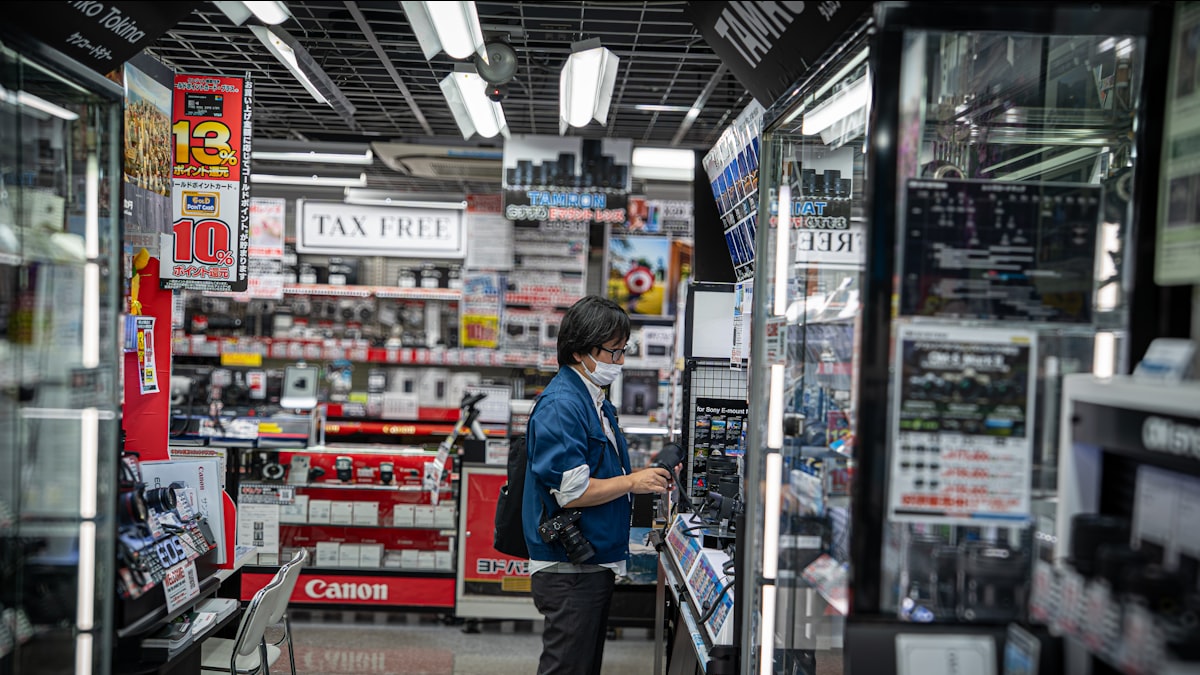
    • Yodobashi Camera & Bic Camera — huge, tax-free, English support.
    • Don Quijote for cheap gadgets — see our Donki guide.
    • Akihabara for specialist and used gear.

    Save money

    • Bring your passport for tax-free shopping (5,000 yen+).
    • Ask for the export model for voltage-sensitive appliances.
    • Buying big or heavy? Consider a proxy service or check prices on Amazon back home.

    What things typically cost

    • New camera bodies and lenses often price JPY 20,000-50,000 below overseas retail before tax-free savings, while headphones and audio gear from Japanese brands run 10-30% cheaper than export pricing.
    • Rice cookers built for the export market (110-240V) run JPY 15,000-40,000 for a good mid-range model — always confirm you’re buying the export version, since the domestic 100V-only models are often displayed alongside them at a lower price.
    • Nintendo Switch games run JPY 5,000-7,500 new, occasionally cheaper than Western retail depending on exchange rates, with a much deeper back-catalog of used titles at Japanese game shops.

    Common mistakes to avoid

    • Buying a hair styling tool without checking the voltage label — this is the single most common regret purchase; many hair dryers and straighteners sold in Japan are 100V-only and will burn out or malfunction on a 220-240V home circuit without a proper voltage converter (not just a plug adapter).
    • Assuming region locks apply to everything — Nintendo Switch games are region-free worldwide, but some older console formats and Blu-rays are not; check the specific product rather than assuming based on gaming habits from a different console generation.
    • Skipping the international warranty question on expensive purchases — ask explicitly at the register, since it’s not always volunteered, and a domestic-only warranty can matter if something needs repair after you’re home.

    Where to compare prices efficiently

    Yodobashi and Bic Camera often price-match or come close to each other on the same models, so a quick comparison between their nearby branches (many cities have both within walking distance) before committing to a purchase is a low-effort way to ensure a fair price on bigger-ticket electronics.

    Shipping heavier electronics purchases

    For a large camera and lens combo or a rice cooker, ask about international shipping directly from Yodobashi or Bic Camera rather than checking fragile electronics as luggage — this is a routine service for overseas visitors and often costs less than the risk of damage or excess baggage fees.

  • Akihabara Shopping Guide: Anime, Games & Electronics

    Akihabara Shopping Guide: Anime, Games & Electronics

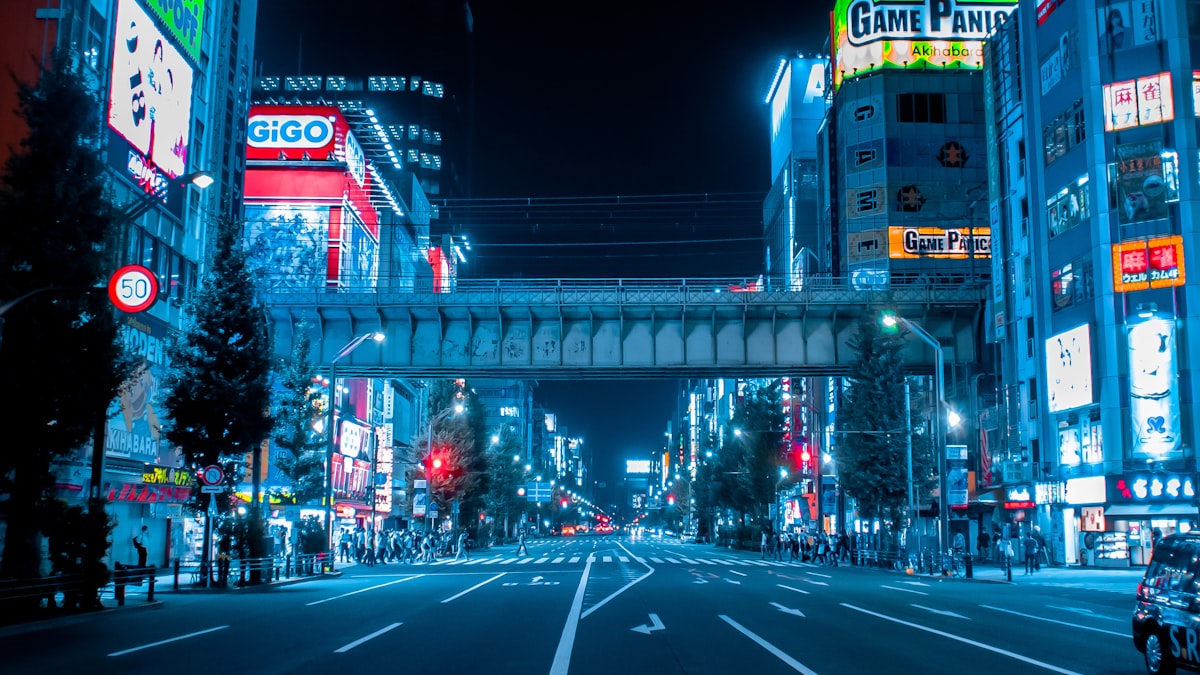
    Akihabara — “Akiba” — is Tokyo’s electric town and the beating heart of anime, gaming, and gadget culture. Here’s how to shop it without getting overwhelmed.

    What Akihabara is famous for

    • Anime & manga goods — figures, merch, doujinshi, and more.
    • Electronics — from tiny components to the latest gadgets.
    • Retro & current gaming — consoles, cartridges, and arcades.
    • Otaku culture — maid cafes, gachapon halls, and themed stores.

    Stores to know

    • Yodobashi Akiba — a giant one-stop electronics department store, tax-free for tourists.
    • Mandarake — floors of collectibles, vintage figures, and manga.
    • Super Potato — the famous retro-game shrine.
    • Animate & Kotobukiya — anime merch and model kits; see buying anime figures.
    • Gachapon halls — walls of capsule-toy machines.

    Shopping smart

    Tips

    • Weekends are busy; the main street (Chuo-dori) goes pedestrian-only on Sundays (weather permitting).
    • Building basements and upper floors hide the best specialist shops — look up.
    • Can’t carry it all? Use a proxy service to ship home.

    Akiba is a half-day easily — pair it with the rest of our Tokyo guide.

    What things cost

    • Used figures and collectibles at Mandarake run a wide range, JPY 500 for common items to JPY 50,000+ for rare, boxed, or discontinued pieces — the grading system on display tags is worth learning on your first visit.
    • Retro games at Super Potato run JPY 1,000-8,000 depending on rarity and condition, often cheaper than equivalent Western retro-gaming marketplace prices despite the shop’s cult reputation.
    • A gachapon hall session realistically runs JPY 1,000-3,000 in coins if you’re trying for a few specific items, on top of whatever else you buy in the district.

    Common mistakes to avoid

    • Only visiting ground-floor shops — many of Akihabara’s best specialist stores are on upper floors or basements of nondescript buildings; looking up at building directories as you walk reveals far more than street-level browsing alone.
    • Shopping only on a weekend — Chuo-dori’s pedestrian-only Sunday hours are fun for atmosphere but also the most crowded time to actually browse inside shops; a weekday visit is more efficient for serious shopping.
    • Not budgeting time separately for electronics versus collectibles — Yodobashi Akiba alone can take an hour to properly browse, and treating the whole district as a quick single stop usually means shortchanging one category or the other.

    A practical half-day sequence

    Start with Yodobashi Akiba for electronics while you’re fresh, move to Mandarake and Super Potato for collectibles and retro games, and finish at a gachapon hall or Animate for smaller, lighter souvenirs — ending on the lightest, most packable purchases makes sense if you’re carrying everything for the rest of the day.

    Akihabara beyond the shopping

    Maid cafes and themed cafes are a genuine part of the district’s culture, not just a novelty for tourists — a short visit (most run a cover charge plus a drink minimum, roughly JPY 1,500-2,500 total) gives a taste of otaku entertainment culture that complements the shopping rather than distracting from it.

  • 100-Yen Shops in Japan: Daiso, Seria & What to Buy

    100-Yen Shops in Japan: Daiso, Seria & What to Buy

    Japan’s 100-yen shops are souvenir gold mines — huge stores full of genuinely useful, cute, and clever goods for about a dollar each. Here’s how to shop them like a pro.

    The big three

    • Daiso — the largest chain; enormous range, mostly 100 yen.
    • Seria — more design-forward and stylish; great for craft and kitchen.
    • Can Do — solid all-rounder, often in malls and stations.

    Note: not everything is 100 yen — some items are 200–500, always marked.

    Best things to buy

    • Kitchen tools — clever gadgets, bento accessories, onigiri molds.
    • Stationery — cute pens, sticky notes, washi tape. See Japanese stationery.
    • Beauty helpers — face masks, blotting papers, and beauty tools.
    • Travel gear — packing cubes, bottles, and organizers (handy mid-trip).
    • Souvenirs — chopsticks, furoshiki cloths, ceramic dishes, character goods.

    Smart shopping tips

    • Prices are before tax — 100 yen items ring up around 110 yen.
    • Big flagship stores (Harajuku, Ginza) have the widest selection.
    • Great for cheap gifts to bring home in bulk.
    • Buy an extra foldable bag here to carry the rest of your Don Quijote haul.

    Why travelers love them

    Where else can you fill a basket with quirky, quality souvenirs for pocket change? 100-yen shops are a low-risk, high-fun stop — and a lifesaver for any travel odds and ends you forgot on your packing list.

    What makes a great 100-yen souvenir

    The best 100-yen finds are the ones that feel unmistakably Japanese for the price: patterned chopsticks and rests, small ceramic dishes, furoshiki-style cloths, folding fans, bento accessories, and character stationery. Buy a few of each — at roughly a dollar apiece they make easy, crowd-pleasing gifts to hand out back home.

    A few watch-outs

    • Quality varies. Most items are impressively good, but some are exactly what you’d expect for 100 yen — check anything mechanical before you buy.
    • Not everything is 100 yen. Higher-priced items are marked; glance at the tag.
    • Electricals are made for Japan’s 100V — don’t assume compatibility at home.

    What things typically cost

    • Standard items ring up at JPY 110 with tax, and a well-filled basket of 15-20 small souvenirs runs JPY 1,650-2,200 total — one of the most cost-efficient ways to cover a long gift list.
    • Seria’s slightly more design-forward stock (better-looking kitchen and craft items) still prices at the standard JPY 110 in most cases, making it worth checking both Daiso and Seria if one is short on a specific style.
    • Larger flagship branches in Harajuku or Ginza stock premium items priced JPY 220-550, clearly marked, which sometimes rival the quality of mid-range specialty shop goods at a fraction of the price.

    Common mistakes to avoid

    • Assuming a small neighborhood branch has full selection — stock varies significantly by store size; a flagship location is worth the extra travel time if you’re hunting for something specific rather than just general souvenirs.
    • Buying electrical items without checking voltage — like other Japanese retailers, 100-yen shop electricals are built for 100V and may not be compatible with higher-voltage systems abroad without a converter.
    • Skipping the seasonal aisles — Daiso and Seria rotate genuinely well-designed seasonal items (New Year decorations, summer festival goods, Halloween novelties) that disappear once the season passes and aren’t restocked.

    Combining a 100-yen run with other shopping

    Many travelers use a 100-yen shop stop as the last leg of a bigger shopping day — picking up small, flat, easy-to-pack items after already buying bulkier things elsewhere, since nothing here adds meaningful weight or breaks easily compared to ceramics or electronics bought earlier in the day.

    Shipping bulkier finds home

    If a 100-yen shop haul grows beyond what fits comfortably in your suitcase, most large branches sell affordable packing tape and boxes on-site, and a nearby post office or konbini can typically handle a simple parcel back home — a low-cost solution for a genuinely oversized souvenir run.

  • Japanese Sake: A Beginner’s Guide (and What to Buy)

    Japanese Sake: A Beginner’s Guide (and What to Buy)

    Some links below are affiliate links. If you buy through them, Japan Trove may earn a small commission at no extra cost to you.

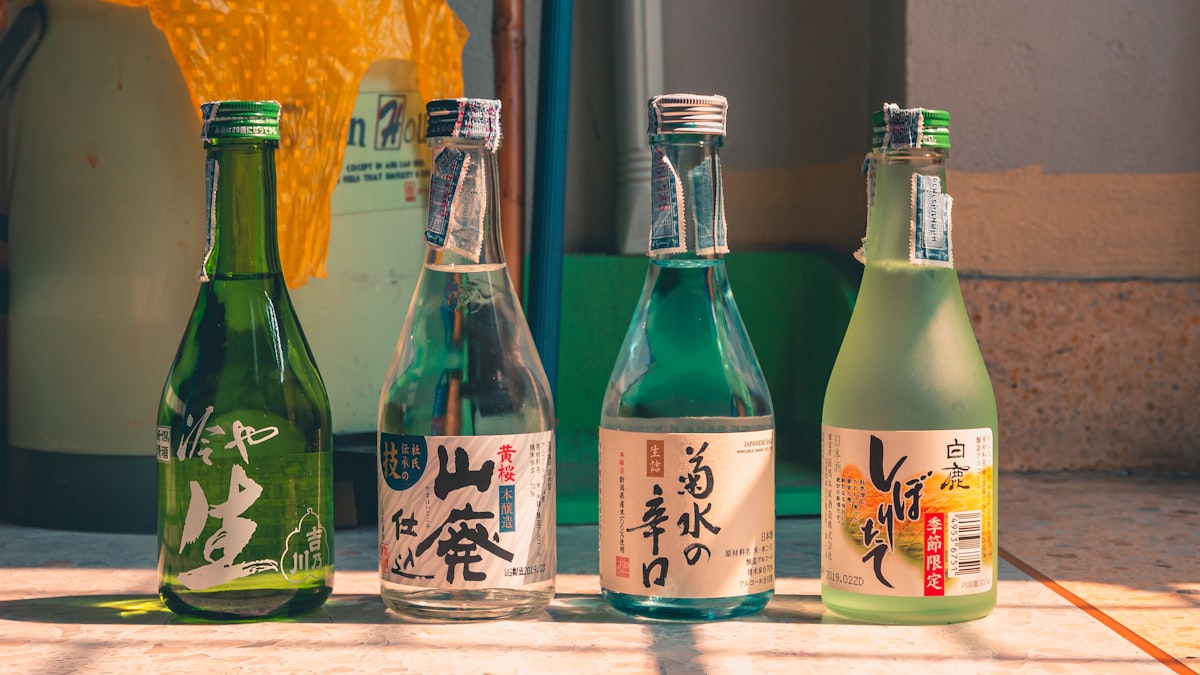
    Sake (nihonshu) is Japan’s iconic rice wine, and understanding a few basics turns a confusing shelf into a delicious adventure. Here’s a beginner’s guide plus what to buy.

    Sake grades, decoded

    • Junmai — pure rice sake, no added alcohol; rich and full.
    • Ginjo — rice polished more (≥40% removed); fruity and fragrant.
    • Daiginjo — highly polished (≥50% removed); delicate, premium.
    • Honjozo — a little distilled alcohol added; light and easy.
    • Nigori — cloudy, unfiltered, often sweet.

    “Junmai Daiginjo” simply means pure-rice and highly polished — usually the premium end.

    Sweet or dry?

    Check the Sake Meter Value (SMV / nihonshu-do): positive = drier, negative = sweeter. Beginners often enjoy a fruity ginjo or a slightly sweet nigori.

    Hot or cold?

    Premium ginjo/daiginjo shine chilled. Rustic junmai and honjozo can be lovely warm (kan) in cooler months. Cheap sake is often served hot to smooth it out.

    What to try

    • Dassai — a famous, approachable daiginjo, easy to find.
    • Regional jizake — local brews from Niigata, Nagano, and Tohoku are prized.
    • Tasting flights — many Kyoto and Tokyo bars offer sampler sets.

    Where to buy & bring home

    Pair your bottle with the right cup — see our Japanese ceramics guide. Prefer whisky? Read our Japanese whisky guide.

    What sake typically costs

    • A solid entry-level junmai or honjozo runs JPY 1,500-3,000 for a standard 720ml bottle, a genuinely good starting point for tasting the style before spending more.
    • Premium daiginjo bottles run JPY 4,000-10,000+, with rare or award-winning regional labels sometimes reaching JPY 20,000 or more for special editions.
    • Tasting flights at specialty bars run JPY 1,500-3,500 for 3-4 small pours, an efficient and affordable way to compare styles before committing to a full bottle purchase.

    Common mistakes to avoid

    • Buying based on price alone assuming higher means better for your taste — daiginjo’s delicate, polished profile isn’t universally preferred; some drinkers genuinely enjoy a robust junmai’s fuller flavor more, so let a tasting guide your purchase rather than the grade hierarchy alone.
    • Storing sake like wine for long-term aging — most sake (except specific aged styles) is meant to be enjoyed within a year of bottling and doesn’t improve with age the way wine does; buy what you’ll drink relatively soon.
    • Serving a delicate ginjo warm — heat can mute the fruity aromatics that define the style; save warming for rustic junmai and cheaper table sake, where it genuinely improves the drinking experience.

    Visiting a sake brewery

    Regions like Niigata, Nada (near Kobe), and parts of Tohoku offer brewery tours and tastings, often for a modest fee or free with a purchase — a worthwhile detour if sake is a genuine trip interest, giving context (rice variety, water source, brewing method) that a bottle shop shelf simply can’t provide.

    Packing bottles safely

    Wrap glass sake bottles in clothing and pack them centrally in checked luggage, ideally inside a sealed bag in case of breakage in transit — airlines vary on liquid allowances in checked bags, so confirm your specific carrier’s alcohol policy, particularly for higher-proof specialty sake, before assuming a bottle will travel without issue.

  • Don Quijote (Donki) Shopping Guide for Tourists

    Don Quijote (Donki) Shopping Guide for Tourists

    Don Quijote — “Donki” to locals — is Japan’s chaotic, wonderful discount megastore, and a must-visit for souvenir shopping. Here’s how to conquer it.

    What is Don Quijote?

    A maze-like discount chain (look for the blue penguin mascot, Donpen) selling everything: snacks, cosmetics, electronics, costumes, luxury bags, and bizarre novelties. Many branches are open late or 24 hours, and the big ones are tax-free.

    What to buy

    • Snacks & candy — Kit Kats, matcha treats, and regional flavors. See our Kit Kat flavors guide.
    • Cosmetics & skincare — Japanese skincare and drugstore buys at good prices.
    • Character goods — Studio Ghibli, Sanrio, Pokémon.
    • Kitchen & gadgets — quirky tools and cheap knives.
    • Only-in-Japan novelties — the top floors are a rabbit hole.

    Save the most: tax-free + coupons

    • Spend 5,000 yen+ and bring your passport for tax-free shopping.
    • Donki often has tourist coupons (online or via their app) you can stack on top of tax-free.
    • Prices vary by branch — the tourist-heavy stores aren’t always cheapest.

    Survival tips

    • The layout is deliberately confusing and the jingle is relentless — embrace the chaos.
    • Go late at night to dodge crowds at central branches.
    • Bring a bag; give yourself more time than you think.

    Donki is one stop — round out your haul with the best gifts from Japan and konbini must-buys.

    Know the floors before you go

    Bigger Donki branches are loosely themed by floor: snacks and drinks near the entrance, cosmetics and health goods a level up, then character goods, homeware, electronics, and the famous top-floor novelties and costumes. If you’re short on time, ask staff to point you to the floor you want rather than spiraling through the maze.

    Best time to go

    Central tourist branches (Shibuya, Shinjuku, Dotonbori) are calmest late at night — many are open 24 hours. Go after dinner to dodge the daytime crush, and keep your passport on you for tax-free checkout.

    What things typically cost

    • Snacks and drinks run JPY 100-500, similar to konbini pricing but with far more variety and occasional bulk discounts on multi-packs.
    • Cosmetics and drugstore items are often 10-20% cheaper than department store prices for the same brands, making Donki a smart stop specifically for stocking up on J-beauty favorites rather than a one-off browse.
    • A full tax-free shopping trip (5,000 yen+) can save a genuine 10% on top of already-discounted prices, and stacking a tourist coupon from the Donki app on top of that pushes savings further still.

    Common mistakes to avoid

    • Assuming every branch has the same prices — tourist-heavy locations in Shibuya or Dotonbori aren’t always the cheapest; a branch in a less touristy neighborhood can have lower prices on the same items if you have time to compare.
    • Skipping the app coupon before checkout — the Donki tourist coupon is typically shown at checkout and easy to miss if you didn’t download it in advance; grab it before you start shopping, not after you’re already in line.
    • Getting overwhelmed and leaving without your priority items — the maze-like layout genuinely disorients first-time visitors; deciding on 2-3 priority categories before entering keeps a visit focused rather than aimless.

    Donki as a one-stop souvenir solution

    Because it stocks nearly every souvenir category under one roof — snacks, cosmetics, character goods, kitchenware, novelties — a single well-planned Donki visit can realistically complete an entire gift list in one stop, which is part of why it’s such a popular last-day shopping destination before a flight home.

    Late-night shopping etiquette

    Many central branches stay genuinely lively at 1-2am, and shopping late is completely normal there, but keep noise down and be mindful of staff restocking shelves overnight — late hours are for shopper convenience, not an excuse to treat the space differently than you would during the day.

  • Tax-Free Shopping in Japan: How It Works for Tourists

    Tax-Free Shopping in Japan: How It Works for Tourists

    Tourists can shop tax-free in Japan and save the 10% consumption tax — but there are rules, thresholds, and a few gotchas. Here’s how to do it right.

    Who qualifies

    Foreign visitors on a “temporary visitor” status (short-term tourists) can buy tax-free. You’ll need your physical passport at the register — a photo usually isn’t accepted.

    The 5,000 yen rule

    • Minimum spend: 5,000 yen (before tax) at one store, in one day.
    • Two categories: “general goods” (electronics, clothing, bags) and “consumables” (cosmetics, food, drugstore items). Each category counts its own 5,000 yen threshold — but many stores let you combine them.
    • Consumables get sealed in a special bag you shouldn’t open until you leave Japan.

    How it works at the till

    1. Look for a “Tax-Free” sign (common at department stores, drugstores, Don Quijote, and electronics shops).
    2. Some stores deduct the tax on the spot; others refund it at a dedicated tax-free counter after you pay.
    3. Bring your passport; the purchase is recorded digitally to it.

    Good to know

    • Consumables must be unopened and taken out of Japan — don’t crack open that sealed bag early.
    • Customs may check your tax-free purchases when you depart.
    • Not everything is eligible, and some small shops don’t offer it.
    • Tax-free is separate from any store coupons — stack a tourist coupon on top where allowed (e.g. Don Quijote — see our Don Quijote guide).

    Where it pays off most

    Big-ticket electronics, cosmetics hauls, and gift shopping are where the 10% adds up. Planning a serious shopping day? Combine tax-free with our buying-from-Japan guide for items you can’t carry home.

    How much tax-free actually saves

    • The 10% consumption tax refund on a JPY 30,000 shopping day saves JPY 3,000 — add this up across a full trip’s cosmetics, electronics, and gift purchases and it becomes a meaningful chunk of a shopping budget.
    • Some larger stores deduct the tax immediately at checkout, effectively giving you the discounted price on the spot, while others require paying full price and processing the refund at a separate tax-free counter — ask which system a store uses before you check out.
    • Airport tax refund counters exist for purchases made at non-tax-free stores, but the process is slower and requires keeping every receipt; it’s simpler to shop at clearly marked tax-free stores throughout your trip rather than relying on airport processing.

    Common mistakes to avoid

    • Opening sealed consumable bags before leaving Japan — customs can and does check these at departure, and an opened bag can mean losing the tax exemption or facing questions at the gate; wait until you’re through security or even until you land home.
    • Forgetting your passport on a shopping day — without the physical passport in hand at checkout, tax-free processing simply isn’t possible, no exceptions for photos or digital copies.
    • Assuming small independent shops offer tax-free — it’s mainly larger stores and chains; boutique shops and most restaurants don’t participate, so check for the sign rather than assuming.

    Planning a dedicated tax-free shopping day

    If shopping is a real trip priority, consolidating bigger purchases into one or two dedicated days at large tax-free stores (department stores, electronics megastores, Donki) makes the passport-and-receipt process far more efficient than spreading purchases thinly across many small transactions throughout the trip.

    Combining tax-free with other savings

    Tax-free status stacks with sale prices and most store discounts, so timing a purchase during an end-of-season sale on top of the tax exemption can mean substantial total savings — worth checking whether a specific item you want is on sale before assuming the tax-free price alone is the best deal available.