Japan Trove

Category: Tokyo

Tokyo neighborhood guides, day trips, and the best things to do in the capital.

  • Shinjuku Gyoen vs Yoyogi Park: Picking the Right Tokyo Park for Your Day

    Shinjuku Gyoen vs Yoyogi Park: Picking the Right Tokyo Park for Your Day

    Photo by Yu Kato on Unsplash

    Tokyo has dozens of parks, but two keep landing on every first-timer’s list: Shinjuku Gyoen and Yoyogi Park. They’re only about 2 km apart, yet they couldn’t feel more different once you’re inside. One is a manicured, ticketed garden where you can’t crack open a beer; the other is a free, anything-goes lawn where drum circles and picnic blankets take over every weekend. Here’s how to tell them apart and pick the right one for the day you actually have planned.

    Shinjuku Gyoen at a Glance

    Shinjuku Gyoen is a former imperial garden split into three distinct styles: a French formal garden with rose beds, an English landscape garden of open lawns and mature trees, and a traditional Japanese garden with ponds, a teahouse, and carefully pruned pines. There’s also a greenhouse with tropical and subtropical plants, which is a nice detour on a rainy or cold day.

    • Hours: 9:00–16:30, last entry 16:00 (hours are sometimes extended to around 18:00 during peak cherry blossom season — check the official site before you go).
    • Closed: Mondays (or Tuesday if Monday is a public holiday), plus a year-end closure from December 29 to January 3.
    • Admission: 500 yen for adults, 250 yen for students, free for young children. Buy at the gate or via the ticket machines — no reservation needed for regular visits.
    • Rules: No alcohol, no ball games, no large tarps or group sports gear. Small picnic blankets are fine.

    The payoff for the ticket and the rules is space that never feels mobbed, even on a busy Saturday, and three totally different garden moods within a single walk.

    Yoyogi Park at a Glance

    Yoyogi Park is a big, free, unticketed city park next to Harajuku and Meiji Jingu. There’s no entry fee and no closing gate on the main paths, though some fenced sections close in the evening. It’s the park where Tokyo actually relaxes: joggers, dog walkers, skateboarders, salsa dancers, and groups sharing convenience-store beers on tarps spread across the lawn.

    • Hours/Admission: Free, no fixed closing time for the open areas.
    • Atmosphere: Casual and loud in a good way — alcohol is allowed, music and street performance are common, and on weekends you’ll often stumble into a flea market, food truck gathering, or an event like Earth Day Tokyo in April.
    • Nearby: Meiji Jingu shrine forest is a two-minute walk, and Takeshita Street / Harajuku’s shopping is right next door.

    Which Park Fits Your Day

    Choose Shinjuku Gyoen if you want a quiet, photogenic walk, you’re visiting during cherry blossom or autumn leaf season and want to avoid the biggest crowds, or you’re combining the visit with shopping and dining in Shinjuku. It also pairs well with a slower, more reflective pace — think of it as the garden equivalent of a proper sit-down meal.

    Choose Yoyogi Park if you want a free, flexible stop you can duck into for twenty minutes or three hours, you’re pairing it with Harajuku shopping and Meiji Jingu, or you specifically want the social, picnic-and-performers energy. It’s also the better pick if your schedule is loose and you don’t want to worry about closing times or an entry fee.

    If you have a full day and don’t mind a short train ride between the two, many visitors do both: Meiji Jingu and Yoyogi Park in the morning, then Shinjuku Gyoen in the afternoon after lunch in Shinjuku.

    Getting There and Timing It Right

    Shinjuku Gyoen has three entrances: Shinjuku Gate (about a 5-minute walk from Shinjuku-sanchome Station or the south side of JR Shinjuku Station), Okido Gate, and Sendagaya Gate near Sendagaya Station on the JR Chuo-Sobu Line. Sendagaya Gate tends to be the least crowded entry point.

    Yoyogi Park is easiest from Yoyogi-Koen Station (Chiyoda Line) on its western side, or from Harajuku Station (JR Yamanote Line) and Meiji-Jingumae Station if you’re coming from the Meiji Jingu / Harajuku side.

    Peak cherry blossom season (typically late March to early April in Tokyo) and the Golden Week holidays in early May are the busiest windows for both parks — expect long lines at Shinjuku Gyoen’s ticket gates and a packed lawn at Yoyogi Park. Weekday mornings are noticeably calmer at both. If you’re trying to plan your whole trip around Japan’s crowd patterns rather than just these two parks, it’s worth reading up on how Obon and other peak weeks affect travel nationwide, since the same logic of “book and arrive early” applies to Tokyo’s parks in sakura season.

    Autumn foliage at Shinjuku Gyoen usually peaks in mid-to-late November, and it’s a much less frantic alternative to the cherry blossom crowds if your travel dates are flexible.

    Common Mistakes to Avoid

    • Bringing alcohol or a sports ball to Shinjuku Gyoen. Staff do enforce the no-alcohol and no-ball-games rules, and you’ll be asked to put things away.
    • Showing up right at closing time. Shinjuku Gyoen’s last admission is 16:00, well before actual closing — arriving at 16:15 means you won’t get in at all.
    • Not bringing a trash bag to Yoyogi Park. Public bins are scarce, especially on busy weekends, and the Japanese norm is to pack out your own trash rather than leave it by a full bin.
    • Underestimating the walk between Yoyogi Park’s gates. It’s a genuinely large park — if you’re meeting friends, agree on a specific landmark (the fountain, a particular gate) rather than just “Yoyogi Park.”
    • Visiting Shinjuku Gyoen on a Monday without checking. It’s the one day it’s reliably closed outside the New Year break.

    Budget to Splurge: Making the Most of Either Park

    Budget: Yoyogi Park costs nothing beyond transit, and a convenience-store picnic (onigiri, drinks, snacks) run under 1,000 yen per person. Shinjuku Gyoen’s 500 yen entry is one of the cheapest green-space experiences in central Tokyo.

    Mid-range: Pack a proper picnic with a reusable blanket and cooler bag — if you didn’t bring one from home, Decathlon Japan sells inexpensive foldable picnic mats, small coolers, and portable chairs that are easy to carry on the train and just as easy to resell or leave behind before you fly home.

    Splurge: At Shinjuku Gyoen, stop at the Japanese garden’s teahouse, Rakuu-tei, for a seasonal matcha-and-wagashi set in a proper tatami setting — a small but memorable way to slow down mid-visit. After either park, Shinjuku itself has every price tier of dining within a ten-minute walk, from standing soba counters to department store restaurant floors.

    Either park works well as a half-day anchor for a Tokyo itinerary. The real decision is about pace and mood: pay a little and get calm, structured beauty at Shinjuku Gyoen, or pay nothing and get Tokyo’s most relaxed, unscripted public space at Yoyogi Park. Many visitors end up doing both on different days of their trip — and once you know the hours and rules going in, neither one will eat up more time than you planned.
  • Takadanobaba: Tokyo’s Student Neighborhood of Cheap Ramen and Retro Arcades

    Takadanobaba: Tokyo’s Student Neighborhood of Cheap Ramen and Retro Arcades

    Photo by Frank Okay on Unsplash

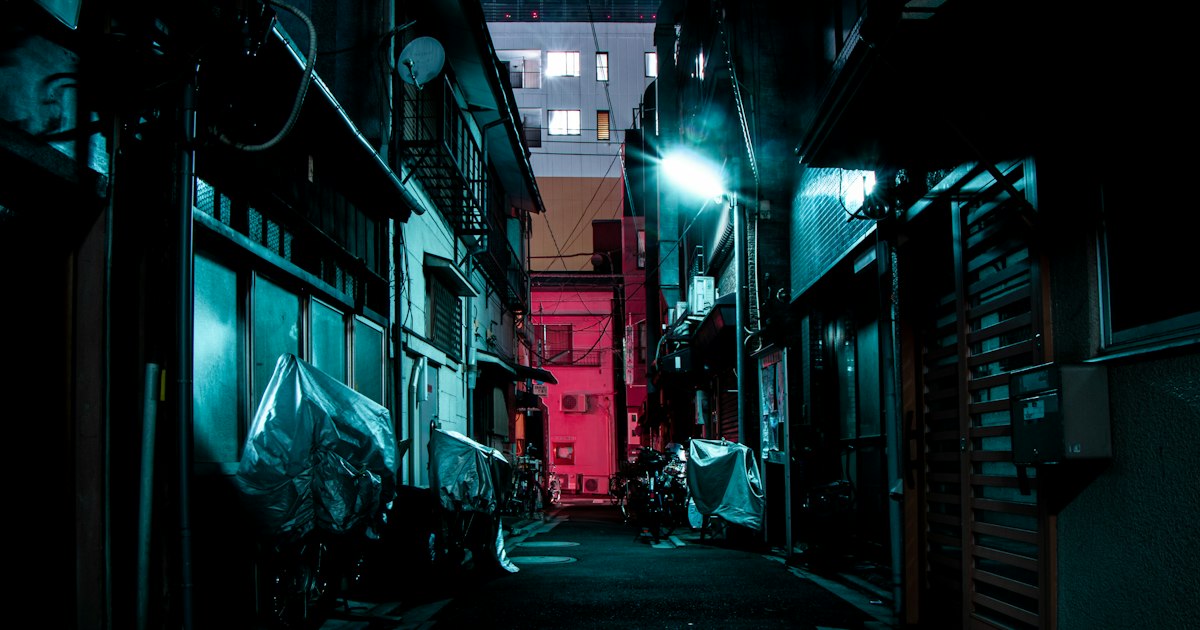
    Most visitors to Tokyo never make it to Takadanobaba, and that’s exactly why it’s worth the detour. Squeezed between Shinjuku and Ikebukuro on the Yamanote Line, this is a working student neighborhood built around Waseda University — which means cheap, filling food, a genuine retro gaming scene, and almost none of the tourist pricing you’ll find in Shibuya or Shinjuku. It’s not a postcard destination; it’s a place to eat well on a budget and see a slice of everyday Tokyo life.

    Where Takadanobaba Is and How to Get There

    Takadanobaba Station sits on the JR Yamanote Line, about 5 minutes from Shinjuku and 5 minutes from Ikebukuro, so it’s easy to fold into a day that includes either of those hubs. The Tozai subway line and the Seibu Shinjuku Line also stop here, the latter being the fastest route if you’re coming from the Seibu-Shinjuku side of the city. There’s no need to buy a special ticket or pass — a regular IC card (Suica or Pasmo) covers all three lines.

    One detail worth knowing before you arrive: the station’s departure melody is the theme song from Astro Boy (Tetsuwan Atom). Tezuka Osamu’s animation studio, Mushi Production, was based near here in the 1960s, and the neighborhood still leans into the connection with character banners and signage around the station. It’s a small, easily missed detail that makes the area feel distinct from Tokyo’s more polished entertainment districts.

    The Ramen Scene: Cheap, Filling, and Student-Priced

    Takadanobaba has one of the highest concentrations of ramen shops per block in Tokyo, a direct result of feeding tens of thousands of Waseda students on a budget. Bowls commonly run ¥700–¥950, noticeably cheaper than equivalent shops in central Tokyo, and portions tend to be generous — many shops offer free or cheap rice refills (kaedama-style extras) aimed squarely at hungry 20-year-olds.

    You’ll find a real mix of styles within a five-minute walk of the station: shoyu and tonkotsu shops, a few tsukemen (dipping noodle) specialists, and the kind of no-frills counter-seating spots where you order from a ticket machine, slurp, and leave within 15 minutes. There’s no single “must-visit” shop that dominates the area — part of the fun is picking whichever line looks shortest and most local. Lunch (roughly 11:30am–2pm) and late evening (after 9pm, once arcade and club crowds get hungry) are the busiest windows; a 3pm or late-afternoon visit will get you a seat with no wait.

    If you’re staying nearby and want a night off from going out, it’s worth knowing that Uber Eats and Demae-can both cover this area well, since it’s dense with restaurants that cater to a delivery-heavy student population — useful if you’re jet-lagged and don’t want to deal with a crowded counter.

    Retro Arcades: Mikado and the Gaming Underground

    Takadanobaba’s other claim to fame is its arcade scene, and the centerpiece is Game In Mikado, a multi-floor retro game center that’s internationally known among classic arcade and fighting game enthusiasts. Unlike the flashy, crane-game-dominated arcades in Akihabara or Shibuya, Mikado preserves genuinely old cabinets — shoot-’em-ups, beat-’em-ups, and classic fighting games from the 1980s and ’90s — alongside a serious competitive fighting-game community that plays there daily. It’s a working arcade, not a museum, so don’t be surprised to see intense, high-level matches happening at the cabinets next to casual tourists.

    Most machines cost ¥100 per play, consistent with old-school arcade pricing rather than the inflated rates you sometimes see in more touristed areas. If you have even a passing interest in classic video games, this is one of the few places left in Tokyo where you can play the originals on original hardware, not emulators. Go on a weekday afternoon if you want to watch without the evening crowd; weekend evenings are when the competitive scene is in full swing and the place is loudest and liveliest.

    Best Time to Visit

    Takadanobaba is a year-round destination since it’s mostly indoor dining and gaming, but a few timing notes matter. During university breaks — late July through September, and again around late December to early February — the student population thins out and some shops run shorter hours or close for a stretch, so the area feels quieter than its usual buzz. If you’re visiting in peak summer, remember that Tokyo heat is genuinely dangerous for midday walking between shops; check Japan’s extreme heat warning guidance before planning an afternoon of ramen-hopping on foot in July or August, and lean toward evening visits instead.

    If your trip happens to fall during Obon in mid-August, note that this is also one of the few times university-area businesses may run reduced hours alongside the national travel crunch — worth checking what to expect during Obon travel if that’s part of your itinerary.

    Budget, Mid-Range, and Splurge Options

    • Budget: A ramen bowl (¥700–¥950) plus ¥100–¥300 in arcade plays makes for a full afternoon under ¥1,200. Standing-counter izakaya near the station also serve small plates from around ¥300–¥500, popular with students stretching a night out.
    • Mid-range: Sit-down izakaya with table service and a full drink menu run ¥2,500–¥4,000 per person for a casual dinner with a few rounds of drinks — comparable to most Tokyo neighborhoods, just with smaller crowds.
    • Splurge: There isn’t much of a high-end dining scene in Takadanobaba itself — that’s not really what the neighborhood is for. If you want a proper splurge meal, it’s a five-minute train ride to Shinjuku, where the options scale up considerably.

    Common Mistakes to Avoid

    • Treating it as a half-day trip from central Tokyo without a plan. Takadanobaba rewards wandering more than box-checking — there’s no single landmark to rush to, so build in time to just walk the side streets around the station.
    • Showing up at lunch on a weekday expecting arcade energy. Mikado and the other game centers are at their liveliest in the evening and on weekends; midday is mostly students between classes.
    • Expecting English menus everywhere. This is a local, not touristy, neighborhood — many ramen shops use ticket machines with Japanese-only buttons. Pointing at a photo or asking a neighbor what they ordered works fine, and it’s part of the experience.
    • Skipping cash. While more shops accept IC cards now, some of the smaller ramen counters and standing bars are still cash-only, so carry a few thousand yen in small bills.

    Takadanobaba won’t show up on most first-timer itineraries, and that’s precisely its appeal: cheap, honest food, a genuinely niche arcade scene, and a neighborhood that’s still organized around real students rather than tourists. Pair it with a Shinjuku or Ikebukuro day and you’ll see a side of Tokyo that most visitors miss entirely.

  • Street Kart Tokyo: Driving a Real-Life Mario Kart Through the City’s Streets

    Street Kart Tokyo: Driving a Real-Life Mario Kart Through the City’s Streets

    Photo by Bohdan Maylove on Unsplash

    If you’ve ever wanted to tear past Tokyo Tower or weave through Shibuya’s neon canyons in a tiny go-kart, you’re not imagining it — companies across Tokyo now run exactly this experience on real public roads. It’s become one of the most photographed things a visitor can do in the city, but it’s also more regulated and more expensive than most people expect going in. Here’s what you actually need to know before you book.

    What the Experience Actually Is (and Isn’t)

    These tours put you behind the wheel of a small, open-air kart — technically registered as a kei car or mini-vehicle — and send you out onto normal city streets in a guided convoy, following a lead driver who communicates with the group over a radio earpiece. You stop at traffic lights, merge with real buses and taxis, and follow Japanese road rules the entire time. It is not a closed-course ride.

    Worth knowing up front: these companies cannot legally dress you as Mario, Luigi, or any other Nintendo character. The original operator, once widely known as “MariCar,” lost a long-running trademark and copyright case brought by Nintendo (the Tokyo courts ultimately ordered tens of millions of yen in damages), and the business rebranded around 2020 as Street Kart, dropping the Nintendo costumes and branding entirely. You’ll still find costume rental — think superheroes, mascots, and other generic characters — just nothing with a plumber’s mustache.

    The License You Need Before You Book

    This trips up more travelers than anything else. Because you’re driving on public roads, every driver needs a license valid in Japan — there’s no “just ride along” option, since these are single-seat karts. In practice that means one of:

    • A Japanese driver’s license
    • An International Driving Permit (IDP) issued under the 1949 Geneva Convention — the kind most US, UK, Canadian, and Australian visitors can get from their home motoring association before the trip
    • A license from a small list of countries (including France, Germany, Switzerland, Belgium, Monaco, and Taiwan) that Japan recognizes directly without an IDP, provided it comes with an official Japanese translation

    If your home country isn’t party to the Geneva Convention and doesn’t have a bilateral agreement with Japan, you may not be able to drive at all, no exceptions. Double-check this weeks before your trip, not the morning of — IDPs typically can’t be issued once you’ve already left your home country.

    Choosing a Course: Akihabara, Shibuya, Odaiba and Asakusa

    Most operators run several set routes from a few hub locations, and you book by course rather than by generic “Tokyo tour”:

    • Akihabara — the original hub and usually the easiest to book; routes loop through the electronics district and often extend toward the Imperial Palace area.
    • Shibuya — built around getting a kart’s-eye view of the famous scramble crossing and Shibuya’s backstreets.
    • Odaiba — a waterfront course with Rainbow Bridge and bay views, generally calmer traffic than central routes.
    • Asakusa — pairs well with a temple visit; if you’re already heading that way for Sensoji, it’s worth building in time afterward to browse Asakusa’s older shopping streets, including the centuries-old spice shop Yagenbori, a short walk from the temple.

    Routes and exact start points shift occasionally, so confirm the pickup location on your booking confirmation rather than assuming it matches the shop’s main address.

    Prices, Hours and How to Book

    Expect to pay roughly ¥8,000–¥16,000 per person depending on course length (typically 1, 2, or 3 hours) and whether you add costume rental or a GoPro-style photo/video package — these add-ons are usually a few thousand yen extra. Most locations operate from around mid-morning into the early evening, with the last tour departures generally in the late afternoon; exact hours vary by location and season, so check the current schedule on the operator’s site when you book, not when you show up.

    Book online in advance — same-day walk-ins are possible but far less reliable, especially on weekends and during peak cherry blossom or autumn foliage weeks. Bring your passport and your license/IDP in physical form; photos on your phone are generally not accepted as valid ID.

    Best Time of Year (and Day) to Ride

    Spring (late March–April) and autumn (October–November) offer the most comfortable driving weather and the best visibility for photos, but they’re also the most heavily booked windows in Tokyo generally. Summer rides are doable but genuinely hot and humid in an open-air kart with no air conditioning — hydrate beforehand. Winter rides are cold since there’s no windshield heater; if you’re booking December through February, dress for the wind chill and consider tucking a couple of disposable kairo hand warmers into your gloves before you set off. Weekday morning slots tend to have lighter traffic and shorter waits than weekend afternoons.

    Common Mistakes First-Timers Make

    • Assuming an IDP isn’t necessary. It almost always is, and you cannot get one in Japan after arrival.
    • Booking the wrong course location. Akihabara, Shibuya, and Odaiba are different shops with different pickup points — don’t assume they’re interchangeable.
    • Forgetting that everyone in the group must hold a valid license. There’s no “I’ll just sit this one out and film” option since these are solo karts, not passenger seats.
    • Wearing sandals or loose skirts/dresses. You’re operating foot pedals in an open vehicle; closed-toe shoes and clothing that won’t flap into the wheel area are the practical choice.
    • Skipping travel insurance. This is street driving among real traffic — confirm your travel insurance or credit card coverage actually extends to this kind of activity before you go.

    Pack light for the ride itself — bags don’t fit well in the kart, and valuables are better left at your hotel. If you’re still sorting out what to bring in your checked luggage versus carry-on for the rest of the trip, our guide on packing rules for liquids and locks on your flight home is worth a read before you leave.

    Getting There

    The Akihabara hub is a short walk from Akihabara Station (JR Yamanote/Sobu lines, plus Hibiya and Tsukuba Express lines), making it the most straightforward to reach without a car. Shibuya and Odaiba locations are similarly close to their namesake stations — Shibuya Station and Daiba/Tokyo Teleport stations on the Yurikamome and Rinkai lines, respectively. Arrive at least 15–20 minutes before your slot for the safety briefing and paperwork; latecomers can lose their spot entirely since the group departs together.

  • Robot Restaurant and Tokyo’s Theatrical Dinner Shows: What First-Timers Should Know

    Robot Restaurant and Tokyo’s Theatrical Dinner Shows: What First-Timers Should Know

    Photo by Denys Nevozhai on Unsplash

    For years, “Robot Restaurant” was the single most-asked-about night out in Tokyo — a strobe-lit, taiko-drumming, neon-robot spectacle in the back alleys of Kabukicho that showed up on every “weird Japan” listicle. If you’re planning a trip and have that exact show on your list, there’s some bad news and some good news: the original venue is gone, but Tokyo’s appetite for over-the-top theatrical dinner shows very much isn’t. Here’s what actually happened, what’s still running, and how to pick an experience that’s worth your yen.

    What happened to the original Robot Restaurant

    The Robot Restaurant that opened in 2012 in Shinjuku’s Kabukicho district — the one with the oversized LED robots, taiko drums, and bikini-clad dancers riding dinosaurs — shut its doors for good in the years following the pandemic. It never fully recovered from the 2020–2021 closures, and the venue has not reopened under that name. If you see a site offering “Robot Restaurant Tokyo tickets,” treat it with caution: it’s either reselling tickets to an unrelated show, listing a venue that no longer exists, or trying to capture search traffic from the old brand’s fame. Always check a venue’s official site and recent reviews (within the last few months) before paying for anything labeled “Robot Restaurant” — don’t rely on a listing’s photos alone, since many still use old publicity shots.

    This matters because Kabukicho is also Tokyo’s densest nightlife touting zone. Street staff offering to walk you to a “robot show” or “bar with a show” are almost always commission-based touts, and some have led tourists into bars with inflated bills. The rule in Kabukicho is simple: never follow someone who approaches you on the street with a show or bar offer, no matter how official their lanyard looks.

    What’s still running: Tokyo’s current theatrical dinner shows

    The closest thing to that same “loud, costumed, only-in-Japan” energy today is the ninja-themed restaurant chain with locations in Akasaka and Shinjuku. Staff dressed as ninja perform tableside sleight-of-hand (coin and card tricks, small “magic” flourishes before your dishes arrive), the interior is built like a dim stone maze with hidden doors, and the food is a genuine multi-course dinner rather than a snack box — expect course menus in the roughly ¥8,000–15,000 per person range, before drinks. Reservations are essential, especially for Friday/Saturday evening slots and parties of 4+; same-day walk-ins can usually only be fit in on weeknights.

    A second category worth knowing about is the fantasy/anime-adjacent themed restaurants (Alice in Wonderland-style interiors, costumed staff, elaborate plated desserts) scattered around Shinjuku, Ginza, and Omotesando. These lean more “immersive themed dining” than “stage show,” with no fixed performance time — you’re paying for the room and the photo ops as much as the food, with set courses typically in the ¥4,000–7,000 range. They’re a good lower-stakes option if a full-blown show isn’t your priority.

    For something more purely theatrical with less emphasis on the meal, look at dinner-cruise shows on Tokyo Bay and hotel dinner shows (often jazz, magic, or variety acts paired with a set dinner) — these rotate seasonally and are usually booked through the hotel or cruise operator’s own site rather than general ticket resellers.

    How the format actually works

    Whichever venue you choose, the shape of the evening is fairly consistent: you check in 15–30 minutes before your reserved slot, are seated at communal or semi-private tables, and the show runs in waves between courses rather than as one continuous performance — so there’s usually a 60–90 minute total runtime once you include the meal. Photography without flash is almost always allowed and even encouraged (staff will often offer to take your photo), but video with flash or using tripods/selfie sticks is commonly restricted because it blocks other guests’ sightlines in small rooms. Alcohol is typically available but not always included in the course price — check this before you order, since drink packages can add ¥2,000–4,000 per person.

    Budget, mid-range, and splurge options

    • Budget (~¥4,000–6,000): Themed cafés and fantasy-restaurant lunch sets — lighter on spectacle, but a real taste of Tokyo’s costumed-dining culture without a dinner-show price tag.
    • Mid-range (~¥8,000–12,000): Standard ninja-restaurant dinner course, or a hotel dinner show with a set menu and a 45-minute variety act.
    • Splurge (¥15,000+): Premium course menus with private-room options, Tokyo Bay dinner cruises with a full show, or add-on experiences like a personal ninja “lesson” before the meal.

    Across all tiers, book 1–2 weeks ahead in peak travel seasons (late March–April for cherry blossoms, July–August summer break, late December–early January); weeknight slots in quieter months (June, September, February) are far easier to get same-week and sometimes slightly cheaper.

    Common mistakes first-timers make

    The biggest one is booking “Robot Restaurant” tickets from a third-party site without checking whether the venue still exists — read the most recent reviews, not just the star rating, since defunct listings can sit online for years. The second is underestimating travel time within Kabukicho or Akasaka: these districts are a maze of narrow streets and basement entrances, and Google Maps pins can be off by a block, so budget an extra 10–15 minutes to find the actual door. Third, people often skip eating beforehand assuming the “dinner” course will be filling — portions at theatrical dinner shows are usually modest since the point is the performance, so eat a proper meal earlier if you’re hungry. Finally, don’t assume every show is kid-friendly; some ninja and fantasy-restaurant shows involve loud noise, strobe lighting, or mildly suggestive theming, so check the venue’s own age guidance if you’re bringing children.

    Getting there and timing your visit

    Akasaka is served by the Akasaka or Akasaka-mitsuke stations (Chiyoda, Ginza, and Marunouchi lines), a short walk from most venues; Shinjuku locations are a 5–10 minute walk from Shinjuku Station’s east exit through Kabukicho. Both areas are safe to walk through in the evening but busy and bright — if you need a restroom before or after the show, train stations and konbini are your most reliable option in these districts, and it’s worth knowing the general tactics for finding one in Japan before you’re stuck between stops. Evening shows typically run two or three seatings between 5:30pm and 9:30pm, so if you’re also sightseeing that day, plan the show as your last stop rather than squeezing it between other activities — rushing from a shrine visit across town rarely leaves enough buffer once trains and check-in time are factored in.

    If the robot-and-neon aesthetic was the actual draw for you rather than the dinner format, it’s worth noting that Tokyo’s tokusatsu and kaiju fandom runs much deeper than one restaurant — there’s a whole retail and collectible side to that world worth exploring, covered in our guide to hunting Ultraman, Kamen Rider, and Godzilla merch in Japan. And if you want a different kind of immersive, participatory Tokyo night out that doesn’t involve food at all, Japan’s real-life escape room craze scratches a similar “only in Japan” itch and is easy for English-speaking tourists to join.

  • Akasaka: Tokyo’s Embassy District of Sake Bars and the Toyokawa Inari Shrine

    Akasaka: Tokyo’s Embassy District of Sake Bars and the Toyokawa Inari Shrine

    Photo by Clay Banks on Unsplash

    Sandwiched between the political power of Nagatacho and the neon of Roppongi, Akasaka rarely makes a first-time visitor’s checklist — and that’s exactly why it rewards the ones who show up. This is where foreign embassies, the National Diet, and century-old geisha-district backstreets sit a five-minute walk from a Shinto-Buddhist shrine lined with hundreds of stone foxes. Add a dense cluster of serious sake bars and you have a neighborhood built for an unhurried evening, not a rushed photo stop.

    Why Akasaka Is Different From Tokyo’s Other Nightlife Districts

    Akasaka was one of Tokyo’s major hanamachi (geisha quarters) through the 20th century, alongside Shimbashi and Yanagibashi, and it later became the after-hours haunt of politicians and bureaucrats working in nearby Nagatacho. That history is still legible in the street layout: narrow lanes like Hitotsugi-dori and the backstreets around Akasaka-mitsuke are packed with small, counter-only restaurants and bars rather than the big chain izakaya you’ll see in Shinjuku or Shibuya. Since the 1960s, embassies — including the US Embassy, which borders the Akasaka Palace grounds — have clustered here too, giving the district a quieter, more international daytime character than its nightlife reputation suggests.

    Toyokawa Inari Tokyo: The Fox Shrine Businesspeople Swear By

    The neighborhood’s spiritual landmark is Toyokawa Inari Tokyo (officially Myogon-ji Temple’s Tokyo branch), a short walk from Akasaka-mitsoke or Nagatacho stations at 1-4-7 Motoakasaka. It’s technically a Soto Zen Buddhist temple, not a pure Shinto shrine, enshrining Dakiniten — a fox-associated deity of prosperity — which explains the hundreds of small stone fox statues packed into the grounds, many wrapped in red bibs left by worshippers.

    Because it sits a few minutes from the Diet building, it has long attracted politicians, executives, and salarymen praying for business success before work, which gives it a very different energy from the tourist-heavy shrines in Asakusa. The grounds are open to visitors essentially from early morning until evening (roughly 6:00am–8:00pm), and admission is free. The small office selling omamori (charms) and goshuin (shrine stamps) typically operates from around 8:00am to 4:00pm — go before 9am if you want the grounds close to empty. Budget 20–30 minutes to walk the compound and photograph the fox statue rows.

    Akasaka’s Sake Bar Scene

    This is where Akasaka earns its keep for drinkers. Unlike Shibuya’s standing bars or Golden Gai’s tiny theme bars, Akasaka specializes in sake bars with real breadth — regional labels from Niigata, Akita, and Yamagata poured by staff who can actually explain the difference between junmai and honjozo.

    • Budget (¥3,000–5,000 per person): Standing sake bars and small izakaya along Hitotsugi-dori pour by the glass from ¥600–900, with tasting flights of 3 small cups running ¥1,200–1,800. Food is simple — grilled fish, tofu, pickles — at ¥400–900 a plate.
    • Mid-range (¥6,000–10,000 per person): Sit-down sake specialists near Tameike-sanno and Akasaka-mitsuke offer curated lists of 20–40 labels, often with a seasonal tasting course. Expect a cover or seating charge (seki-ryo) of ¥300–500 per person, common across Japanese izakaya and worth knowing about in advance so it doesn’t feel like a surprise on the bill.
    • Splurge (¥12,000+): A handful of reservation-only counters pair rare, limited-release sake with kaiseki-style small plates. These typically require a same-day or advance phone reservation in Japanese — this is where a private guide or concierge booking service genuinely pays for itself, since many of these counters don’t take walk-ins or English bookings.

    Before you drink, know the basics of serving and sipping etiquette — the same rules that apply to whisky and shochu service apply to sake, and getting the pouring order and glass-holding customs right makes a noticeably better impression on staff and fellow drinkers. You’ll also be handed a hot towel the moment you sit down at almost every bar here; there’s a right way to use it, covered in this guide to oshibori etiquette.

    Getting to Akasaka

    Three stations effectively bracket the district: Akasaka (Chiyoda Line), Akasaka-mitsuke (Ginza and Marunouchi lines), and Tameike-sanno (Ginza and Namboku lines). All sit within a 5–10 minute walk of both Toyokawa Inari and the main sake bar strips, so there’s no need to pick a “wrong” station. From Tokyo Station, the trip is roughly 15 minutes with one transfer; from Shinjuku, about 20 minutes via the Marunouchi Line direct to Akasaka-mitsuke.

    Best Time to Visit

    Go to Toyokawa Inari in the morning — before 9:00am on a weekday, you’ll often have the fox statues to yourself, and you may spot local office workers stopping in before their commute continues. For the bars, Akasaka’s crowd skews toward after-work salarymen and embassy staff, so the backstreets fill up fast between 7:00pm and 9:00pm on weeknights. Arriving at bar-opening time (usually 5:00 or 5:30pm) gets you a seat without a wait, especially at the smaller counter bars that can’t take reservations for solo or two-person groups. Weekends are noticeably quieter here than in Tokyo’s youth-oriented districts, since Akasaka’s identity is tied to the workweek.

    Common Mistakes to Avoid

    • Confusing it with a pure Shinto shrine. Toyokawa Inari is Buddhist, so the etiquette (how you clap, bow, and what you say) differs slightly from a Shinto jinja — staff are used to foreign visitors and won’t mind simple, quiet respect either way.
    • Showing up to a reservation-based bar without calling ahead. Many of Akasaka’s best counters seat fewer than 10 people and are booked solid by regulars; walk-ins work fine at the standing bars and larger izakaya, but not at the splurge-tier spots.
    • Skipping the seating charge line on the menu. The otoshi (a small starter dish you didn’t order) and seki-ryo cover charge are standard at Japanese izakaya and sake bars — not a scam, just local practice.
    • Treating Akasaka as a quick stop between Roppongi and Ginza. The neighborhood’s appeal is in lingering — a rushed 20-minute visit misses both the shrine’s quiet morning atmosphere and the bars’ after-dark energy.

    A Simple Half-Day Plan

    Visit Toyokawa Inari first thing in the morning, then grab a set lunch at one of the teishoku counters that cater to the area’s office workers — if you haven’t ordered this way before, it helps to know how a teishoku lunch actually works before you sit down. Spend the afternoon wandering the embassy-lined streets toward Akasaka Palace’s exterior grounds, then return after 5:00pm for sake bar hopping along Hitotsugi-dori. It’s a low-key, walkable day that doesn’t require advance tickets — just a willingness to duck into places without English signage.

  • Nerima: Tokyo’s Birthplace of Anime and the Toei Animation Studio Tour

    Nerima: Tokyo’s Birthplace of Anime and the Toei Animation Studio Tour

    Photo by PJH on Unsplash

    Most first-time visitors chase anime in Akihabara or Ikebukuro, but the industry’s actual birthplace is a quiet residential ward most tourists never think to visit: Nerima. This is where Toei Animation opened its Oizumi studio in 1958, where Leiji Matsumoto and a cluster of other manga and anime creators lived and worked in the 1960s, and where the local ward government now runs a small but genuinely rewarding trail of museums, statues, and an annual festival built around that history. It’s an easy half-day add-on if you’re staying anywhere on the Seibu Ikebukuro Line, and it costs almost nothing to see.

    Why Nerima, and not Akihabara?

    Toei Animation (then called Toei Doga) set up its production studio in the Oizumi Gakuen neighborhood of Nerima in 1958, and it’s still there today, making it the oldest continuously operating anime studio location in Japan. The company produced the first color anime feature in Japan, “Hakujaden” (1958), and went on to make long-running series including Dragon Ball, Sailor Moon, One Piece, and Digimon. Separately, Oizumi Gakuen became known as a cheap, quiet place for young artists to live in the postwar decades, and a number of manga creators — Leiji Matsumoto among the best known — had homes and studios in the area, earning it the nickname “Mangaka no Mura” (Manga Artists’ Village) among local historians. Nerima Ward leans into this heritage hard, with character statues, manga-themed manhole covers, and official signage you won’t find anywhere else in Tokyo.

    Toei Animation Museum

    The Toei Animation Museum sits right next to the working Oizumi studio at 3-16-15 Oizumigakuenmachi, a roughly 12-15 minute walk from Oizumi-Gakuen Station (Seibu Ikebukuro Line), or a short bus ride if you’d rather not walk. Admission is free, which is unusual for a studio-affiliated museum and makes it an easy add-on even if you only have an hour to spare. Inside you’ll find production cels, character design sheets, storyboards, and memorabilia spanning the studio’s full history, from early black-and-white works through Dragon Ball Z and modern series, plus a small theater showing clips and a gift shop with Toei-exclusive goods you won’t find in Akihabara chain stores. The museum is closed on Mondays (check for shifted holiday closures), and it’s small enough to see properly in 45-60 minutes — this is not the Studio Ghibli Museum in scale, and going in with that expectation will leave you disappointed. Go in expecting a focused, free, fan-run archive rather than a theme-park-style attraction, and it’s a satisfying stop. Because it’s an official studio facility rather than a tourist attraction, hours and holiday closures do shift, so confirm the current schedule on Toei Animation’s own site before making a special trip out.

    The Oizumi Gakuen character trail

    Around Oizumi-Gakuen Station, Nerima Ward has installed bronze statues and plaques of characters tied to the area’s anime history — look for figures connected to Galaxy Express 999 and other Matsumoto-era works near the station plaza. It’s a self-guided, free walk that takes maybe 20-30 minutes if you’re just photographing the statues, longer if you follow the ward’s printed anime-walk maps (sometimes available at the station or local tourist information points) that route you past the artists’ former residences and studio sites. Spring is the best season for this walk specifically — cherry blossoms along the quieter residential streets make for much better photos than the bare branches of winter, and the humidity of Tokyo summer makes the uphill stretches from the station unpleasant.

    Nerima Anime Carnival

    If your trip dates are flexible, time a visit around the Nerima Anime Carnival (ねりまアニメカーニバル), a ward-run festival usually held in spring at the Nerima Culture Center near Nerima Station (served by the Toei Oedo Line and the Seibu Ikebukuro Line). It’s free to attend and features stage events, voice actor appearances, exhibition panels, and booths tied to studios with Nerima connections. Exact dates move year to year, so check Nerima Ward’s official tourism or culture pages for the current year’s schedule before building a trip around it — but if the timing lines up, it’s a far less crowded, more local alternative to Tokyo’s big anime conventions.

    Shopping for anime goods while you’re in the area

    Nerima itself isn’t a shopping destination — don’t expect figure shops or merchandise stores near the museum. For that, hop back onto the Seibu Ikebukuro Line toward Ikebukuro (about 20 minutes), which has a serious concentration of anime goods stores, or head further to the specialty shops covered in our guide to Kaiyodo, Figma & Good Smile Company’s collectible figures and where to shop for them, several of which have outlets in Ikebukuro and Akihabara. It’s a natural way to bookend the day: history and production culture in Nerima in the morning, retail therapy on the way back into central Tokyo in the afternoon.

    Getting there, timing, and avoiding mistakes

    From Ikebukuro, take the Seibu Ikebukuro Line — a Limited Express or Express train gets you to Oizumi-Gakuen Station in about 15-20 minutes for around ¥280-320 one-way; local trains take a few minutes longer for the same fare. Your Suica or Pasmo card works the whole way, and since this is a side trip from central Tokyo rather than a final destination, it’s worth remembering the money on that card before you fly home — see our guide on getting your Suica or Pasmo deposit refunded before you leave Japan. The most common mistake visitors make here is treating Nerima like a full-day destination: it isn’t. Budget half a day at most — the museum is small, the character trail is short, and there’s little else aimed at tourists in the immediate area, so pair it with Ikebukuro, Nakano, or another Seibu Line stop rather than making it the day’s sole plan. The second common mistake is showing up on a Monday without checking — the museum’s weekly closure catches people who assumed a free, low-key museum would be open daily. Lunch options near the station are ordinary neighborhood restaurants rather than tourist-oriented spots, which is actually a good opportunity to practice ordering a teishoku set meal like a regular rather than hunting for an English menu. If you’re staying out this way and it gets late, double-check when the last trains run — the Seibu Ikebukuro Line’s suburban stretch has an earlier last-train cutoff than the major central Tokyo lines tourists are used to.

    Nerima won’t replace Akihabara as Tokyo’s anime shopping hub, and it doesn’t try to. What it offers instead is the actual origin point — the studio that’s still running, the neighborhood where the early creators lived, and a ward government that has quietly built a free, low-crowd way to see all of it. For anime fans willing to go one stop further than the obvious destinations, it’s worth the half-day.

  • Kanda Myojin: Tokyo’s Tech-Blessing Shrine Near Akihabara

    Kanda Myojin: Tokyo’s Tech-Blessing Shrine Near Akihabara

    Photo by Tim D on Unsplash

    Tucked on a quiet hill a short walk from Akihabara’s blinking signage, Kanda Myojin looks at first glance like any other vermillion-and-gold Shinto shrine in central Tokyo. Look closer and you’ll notice something odd for a 1,300-year-old institution: a gift shop selling amulets for computer servers, a steady trickle of IT workers in company lanyards bowing at the main hall, and anime fans photographing a gate that appears in a popular idol series. Kanda Myojin has quietly become Tokyo’s unofficial shrine for the tech industry, and it’s one of the easiest worthwhile detours you can make if you’re already spending a day in Akihabara.

    A Shrine That Adopted the Digital Age

    Kanda Myojin (officially Kanda Jinja) was founded in 730 AD, making it older than Tokyo itself. It enshrines three deities: Daikokuten (good harvests and matrimony), Ebisu (business prosperity), and Taira no Masakado, a 10th-century warrior who was deified and became a guardian spirit for the city. For centuries the shrine protected 108 neighborhoods of old Edo, including the area that eventually became Akihabara’s electronics and otaku culture district.

    That geographic accident is the whole story. As Akihabara shifted from postwar radio parts to PCs, servers, and anime goods, local shop owners and engineers kept coming to their neighborhood shrine for blessings — just for new kinds of businesses. The shrine responded by formally offering an “IT Information Safety” omamori (情報安全御守), explicitly blessing computers, data, and networks against crashes and breaches. It sounds like a novelty, but Japanese companies genuinely buy these for server rooms, and individual visitors pick them up half as a joke, half sincerely, before a big product launch or exam season.

    What You’ll Actually See

    The approach through the Zuishinmon gate — a 1975 concrete rebuild of the original Edo-period structure, painted in bright vermillion with ornate carved beams — is the shrine’s most photogenic spot. Inside the main courtyard stands a striking 6.6-meter bronze statue of Daikokuten, one of the largest in Japan, along with the main hall (honden) where most visitors stop to pray. Behind the main hall is a smaller shrine office and the EDOCCO cultural complex, which houses a café and a well-stocked omamori and souvenir shop — this is where the IT amulets, along with more traditional good-luck charms for business, romance, and traffic safety, are sold.

    Fans of the anime franchise Love Live! will also recognize the shrine — it served as the real-world basis for a fictional shrine in the series, and it’s a minor pilgrimage stop for that fandom, with dedicated anime-collaboration goods sold seasonally.

    Getting There From Akihabara

    Kanda Myojin sits at 2-16-2 Sotokanda, Chiyoda-ku, about a 7-10 minute walk north from Akihabara Station’s Electric Town exit — just keep heading uphill away from the main electronics strip. If you’re coming by train directly, JR Ochanomizu Station (Chuo-Sobu Line) is closer, about a 5-minute walk, as is Tokyo Metro’s Shin-Ochanomizu Station on the Chiyoda Line. Train enthusiasts should know Ochanomizu is a decent spot to watch Chuo Line traffic pass below the station — worth a glance if you’re the kind of traveler drawn to Japan’s trainspotting subculture.

    The shrine grounds are open 24 hours and entry is free. The shrine office and omamori shop, however, keep standard hours — generally 9:00 am to 5:00 pm daily — so plan your souvenir shopping within that window rather than a late-night visit.

    Best Time to Visit

    Any season works for a quick visit, since the shrine is compact and mostly outdoors. Weekday mornings are calmest, before Akihabara’s crowds build up. The one date worth planning around is the Kanda Matsuri, one of Edo’s three great festivals (alongside the Sanno and Fukagawa festivals). It’s held in mid-May in odd-numbered years — meaning the next full-scale festival falls in 2027 — and features a grand procession of around 300 people and dozens of mikoshi (portable shrines) winding through the neighborhoods the shrine protects. In off years, a scaled-down version still happens, but the big parade is worth timing a trip around if your visit happens to line up.

    What to Buy and What It Costs

    Budget: a standard omamori runs 800-1,000 yen, and the goshuin (shrine stamp) for your collection book costs 500 yen. These make genuinely practical, low-cost souvenirs that beat most mass-produced Akihabara merchandise for authenticity.

    Mid-range: the IT Information Safety omamori is the signature purchase, typically priced similarly to other charms (around 1,000 yen), and makes a far better gift for a programmer or gamer friend than another keychain. The shop also sells business-prosperity and traffic-safety charms if you want something more universally useful.

    Splurge: companies and individuals can request a formal kigansai blessing ceremony — a short norito prayer performed by a priest for things like new product launches, website go-lives, or business openings. Fees for these formal prayers generally start in the several-thousand-yen range and require advance arrangement through the shrine office; this is a niche option but a memorable one if you’re launching something in Japan.

    Common Mistakes to Avoid

    Don’t rush through on the way to Akihabara’s shops and skip the shrine office entirely — the IT omamori is the whole reason to detour here, and it’s only sold during office hours, not around the clock. Don’t assume the shrine will be empty; on weekends and especially during New Year’s hatsumode (the first shrine visit of the year), it gets genuinely crowded with both tourists and locals seeking business luck for the year ahead. And don’t photograph the main hall’s interior or priests performing ceremonies up close — standard shrine etiquette (quiet voices, no flash near worshippers, a small bow before approaching) applies here just as it would anywhere else.

    If you’re building out a full Akihabara day, Kanda Myojin pairs naturally with electronics and character-goods shopping — it’s an easy add-on before or after browsing for things like Suica Penguin and other IC card mascot merchandise, much of which is sold in shops a short walk from the shrine. And if the idea of a luck-based calendar shaping big decisions intrigues you, it’s worth knowing that many visitors here also consult Japan’s six-day luck calendar before choosing an auspicious date for a shrine visit, product launch, or wedding — the same cultural logic that makes blessing a server rack feel perfectly normal in Tokyo.

  • Shin-Okubo: Tokyo’s Koreatown for K-Pop Goods, Korean BBQ & Beauty

    Shin-Okubo: Tokyo’s Koreatown for K-Pop Goods, Korean BBQ & Beauty

    Photo by Jezael Melgoza on Unsplash

    Tucked just one stop north of Shinjuku on the JR Yamanote Line, Shin-Okubo is where Tokyo goes for Korean food, K-pop merchandise, and Korean skincare — often all in the same afternoon. Since the early 2000s, the neighborhood’s main drag (Shin-Okubo-dori, nicknamed Koreatown or K-Town) has filled with cheese dakgalbi restaurants, photocard shops, and beauty stores stacked three stories high. It’s compact, walkable, and — unlike a lot of Tokyo’s bigger shopping districts — can be fully explored in two or three hours.

    Getting There

    Shin-Okubo Station (JR Yamanote Line) puts you right at the top of the main street as soon as you exit. If you’re coming from the Shinjuku side, Okubo Station on the Seibu-Shinjuku Line and Shin-Okubo on the Toei Oedo Line’s nearby Higashi-Shinjuku exit are both within a 10-minute walk. From central Tokyo stations like Tokyo or Shibuya, budget 20-30 minutes door to door. Because it’s one stop from Shinjuku, it’s easy to tack onto a day that starts or ends in that area — many visitors walk the 15-20 minutes between Shin-Okubo and Shinjuku Station instead of riding, since it cuts straight past Kabukicho.

    K-Pop Shopping: What to Expect

    The main street and its side alleys are dense with shops selling albums, photocards, light sticks, and trading-card accessories for both current and older K-pop groups. Multi-floor stores are common — ground floor for new releases and merchandise, upper floors for photocards, used albums, and fan goods sorted by group. Expect to pay roughly 2,000-4,000 yen for a new album with photobook, and anywhere from a few hundred yen to several thousand for individual photocards depending on rarity and demand. Several shops specialize in “random” photocard draws from sealed packs, which is a fun but non-refundable gamble — if you want a specific member or card, look for shops that sell singles by name instead.

    Most shops open around 11:00 and stay open until 21:00 or 22:00, with some later on weekends. Weekday mornings and early afternoons are noticeably calmer; Saturday afternoons and evenings, especially after a group’s new release, can mean shoulder-to-shoulder crowds on a street that’s only about four meters wide. If you’re shopping for a specific artist’s new merchandise, arriving on a weekday within the first week of release still gives decent stock without the weekend crush.

    Korean BBQ and Street Food

    Korean BBQ (yakiniku-style, but with Korean marinades and banchan side dishes) is everywhere, with all-you-can-eat courses typically running 2,980-4,500 yen per person for 90-120 minutes, and à la carte galbi or samgyeopsal plates from around 1,000-1,800 yen. Cheese dakgalbi — stir-fried chicken and vegetables in gochujang sauce, topped with melted mozzarella — is the dish most associated with the neighborhood, usually priced 1,500-2,200 yen per person with a two-person minimum order at most places.

    For something quicker, the street-food stalls and small counters sell Korean fried chicken (from about 500 yen for a small portion), tteokbokki, hotteok (sweet filled pancakes, around 300-500 yen), and bingsu shaved ice in summer. Lines form fast at the most popular stalls on weekends, so if a particular shop has a crowd of five or more outside, it’s often worth circling back on your way out rather than waiting it out immediately.

    Korean Beauty Shopping

    Korean skincare and cosmetics stores sit alongside the K-pop shops, often carrying brands that are harder to find — or pricier — outside Korea: sheet masks, cushion foundations, and the glass-skin serums and essences that drove the whole K-beauty wave. Prices are generally comparable to or slightly above Korean retail but still often cheaper than importing. Many shops offer tester products and English-speaking or English-signage help, since the clientele is heavily international. If you’re comparing against Japanese domestic beauty and personal-care staples — which lean more toward sensitive-skin, fragrance-light formulas — it’s worth knowing how the two countries’ approaches to things like deodorants and antiperspirants diverge, since Japanese formulas are generally milder and marketed differently than what’s standard in Korea or the West.

    Shin-Okubo isn’t the only specialty shopping stop worth working into a Tokyo itinerary — if loungewear and comfort basics are also on your list, Gelato Pique’s flagship and department store counters are a similarly concentrated, easy-to-plan-around shopping detour elsewhere in the city.

    Budget, Mid-Range, and Splurge Options

    • Budget: Street food stalls (500-1,000 yen per item), a shared order of tteokbokki, and browsing photocard shops without buying the sealed random packs.
    • Mid-range: A sit-down cheese dakgalbi or galbi meal (1,500-3,000 yen per person) plus one or two K-beauty items or a single album.
    • Splurge: All-you-can-eat Korean BBQ with premium cuts (4,000-6,000+ yen per person), paired with a shopping run for a full K-pop merchandise set — light stick, album, and photobook can easily add up to 10,000-15,000 yen for a dedicated fan.

    Best Time to Visit and Common Mistakes

    Weekday late mornings (around 11:00-13:00) offer the calmest browsing and shortest food lines. Avoid Saturday from early afternoon through evening unless you don’t mind crowds — it’s genuinely one of the busiest single streets in Tokyo at that time. The most common mistakes visitors make: assuming every restaurant takes walk-ins without a wait (popular cheese dakgalbi spots often have a queue by lunchtime on weekends), buying sealed “random” photocards expecting a specific result, and not checking that a restaurant’s BBQ course has a minimum order size (often two people) before sitting down solo.

    Because the neighborhood borders Kabukicho, it’s also worth knowing what you’re walking past after dark. Kabukicho has a dense cluster of hostess and host clubs that aggressively tout for customers on the street — our guide to Tokyo’s hostess bar districts and why tourists should steer clear explains how those touts operate and the surprise-bill scams that can follow, which is useful context if you’re walking between Shin-Okubo and Shinjuku Station after your shopping trip.

    Practical Tips

    Bring cash as a backup — many smaller specialty shops and food stalls are card-friendly but not all accept IC transit cards (Suica/Pasmo) the way convenience stores do. Shop bags get heavy fast if you’re buying cosmetics and albums in the same trip, so consider making beauty shopping and food/merchandise shopping two separate passes if you’re also carrying luggage. Finally, if you’re after a specific K-pop group’s merchandise for a concert or anniversary, call ahead or check a shop’s social media, since restocks and event-tied releases move quickly and inventory varies store to store even on the same block.

  • Kabuki-za’s Single-Act Gallery Seats: Watching One Scene in Ginza for Under 2,000 Yen

    Kabuki-za’s Single-Act Gallery Seats: Watching One Scene in Ginza for Under 2,000 Yen

    Photo by Yu Kato on Unsplash

    Most visitors assume a kabuki show means a half-day commitment and a ticket price to match. At Kabuki-za in Ginza, that’s not true. The theater sells single-act tickets for its top-floor gallery — no reservation, no formal dress, no four-hour sit — and you can be in and out in under an hour for less than the price of a conveyor-belt sushi lunch. Here’s how the system actually works and how to use it without wasting a trip.

    What Are Makumi-seki Seats?

    Kabuki-za’s regular tickets cover an entire program — a full matinee or evening block made up of several acts from different plays, often running three to four hours. The theater also sells a separate category called makumi-seki (幕見席, literally “act-watching seats”), which lets you pay for just one act at a time. These seats are on the 4th floor, in a gallery set apart from the main seating, with their own ticket counter, their own entrance, and their own elevator. You watch one act — typically 20 minutes to just over an hour, depending on the scene — then leave or buy a ticket for the next one if you want to stay.

    This isn’t a tourist gimmick; it’s a long-standing option Japanese theatergoers use too, especially students and regulars who want to catch a specific famous scene without paying for the whole program.

    How Much Do They Cost — and What You Get

    Makumi-seki prices are set per act and vary by length and prominence of the scene, but most acts run roughly 1,000 to 2,000 yen. A short dance piece might be on the cheaper end; a long, plot-heavy act or a famous actor’s signature scene tends to sit near the top of that range. Either way, you’re paying a fraction of what a full-program ticket costs (those can run from around 4,000 yen up to well over 20,000 yen for premium seating).

    What you don’t get: an earphone guide. The English and Japanese audio guides that explain plot and dialogue for main-floor ticket holders are not available to makumi-seki customers. The gallery is also high up and set back, so the stage can look distant — renting the coin-operated binoculars available on the 4th floor (a small fee, exact change needed) makes a real difference for facial expressions and costume detail.

    Where to Buy Tickets and When to Line Up

    Tickets are sold same-day only, in person, at the dedicated makumi-seki ticket machines near the theater’s side entrance — there is no advance booking, no phone reservation, and no online purchase for this category. The machines typically start selling for each act roughly 30 to 60 minutes before that act begins, and sales stop once the house is full or the act starts, whichever comes first.

    Popular acts — a famous lead actor’s big scene, or the final act of a program — can sell out within minutes of the machine opening, especially on weekends. If there’s a specific scene you want to see, check the day’s program and act times on the Kabuki-za website that morning, then plan to be at the machine at least 20–30 minutes before it opens for that act. If you just want “a kabuki experience” rather than one particular scene, you have more flexibility and can often walk up and buy on the spot.

    Getting to Kabuki-za in Ginza

    Kabuki-za sits right above Higashi-Ginza Station, served directly by the Toei Asakusa and Tokyo Metro Hibiya lines — you can walk from the platform into the building without going outside. It’s also about a 5–7 minute walk from Ginza Station on the Ginza, Marunouchi, and Hibiya lines, through Ginza’s main shopping streets. Coin lockers are available in the building for bags, which is useful since large luggage isn’t practical to carry into the gallery seats.

    If you’re killing time before an act starts, Ginza’s backstreets are worth a wander — just be aware that some of the area’s nightlife blocks cater specifically to a different crowd. If you’re curious about what to avoid after dark, this guide to Ginza’s hostess bar districts explains what those storefronts are and why tourists should keep walking.

    Best Times and Programs to Catch

    Kabuki-za runs programs essentially year-round, changing roughly monthly, with most days split into a matinee block (generally starting around late morning) and an evening block (generally starting mid-afternoon to early evening), each made up of three or four acts from different plays. There’s no single “best season” — the makumi-seki system runs the same way every month — but a few practical notes: summer and New Year programs tend to feature more visually spectacular, crowd-pleasing pieces (dance numbers, famous revenge dramas) that are good picks for a first single-act visit, since they’re easier to follow without dialogue. Weekday afternoons are noticeably less crowded at the makumi-seki machine than weekend and holiday slots.

    If you want a quieter cultural experience to pair with this one, Tokyo has other free or near-free windows into tradition — watching a Shinto wedding procession at Meiji Shrine costs nothing and takes about as much time as a single kabuki act.

    Common Mistakes First-Timers Make

    • Showing up right when the act starts. The ticket machine often sells out before curtain, especially for marquee scenes. Arrive for the machine opening, not the act’s start time.
    • Not checking which act is which. Programs list multiple acts from different, unrelated plays. If you only want to see a famous actor or a specific story, check the cast and synopsis for that act specifically — buying blind can mean watching a scene you have no context for.
    • Expecting an earphone guide. Since makumi-seki doesn’t include one, read a short synopsis of the act beforehand (the theater’s website usually has a brief outline) so you’re not completely lost on plot.
    • Trying to pay by card only. Bring cash in small bills and coins — the ticket machines and binocular rental are built around exact change.
    • Skipping the intermission snacks. Even for a single act, there’s often a short gap before and after where the 4th floor’s small snack counter sells tea and sweets. It’s a good moment to try hojicha, the roasted green tea that pairs well with the wagashi sold in the building.

    Budget, Mid-Range, and Splurge Options

    For a true budget visit, pick one makumi-seki act for 1,000–2,000 yen, skip the binocular rental, and bring your own water — total cost under 2,000 yen for a genuine kabuki experience. Mid-range visitors can watch two or three consecutive acts back-to-back (buying a new ticket for each), which adds up to a few thousand yen but gives a fuller sense of a program’s arc without committing to the whole day. For a splurge, a full-program ticket in the main hall with the English earphone guide included gives you proper seating, intermissions long enough for a sit-down meal in the building’s restaurants, and the complete story from start to finish — worth it if kabuki turns out to be your thing after a cheap first taste in the gallery.

  • Ueno Zoo’s Giant Pandas: Tickets, Timed Entry & How to See Them

    Ueno Zoo’s Giant Pandas: Tickets, Timed Entry & How to See Them

    Photo by Lukas W. on Unsplash

    Ueno Zoo’s giant pandas are one of the most reliably crowded attractions in central Tokyo — and also one of the easiest to get wrong if you don’t know how the viewing system works. Unlike most zoo exhibits, seeing the pandas here can involve a second, separate queue with its own ticket, and if you show up on a weekend afternoon without a plan, you may spend 45 minutes in line for a 90-second glimpse. Here’s how to actually see them, what it costs, and when to go.

    Why Ueno Zoo’s Pandas Draw Crowds

    Ueno Zoo (Ueno Dōbutsuen) has kept giant pandas on loan from China since 1972, and they remain the single biggest draw in a zoo that’s otherwise a pleasant but fairly standard municipal collection. The pandas live in the “Panda no Mori” (Panda Forest) complex in the East Garden, a purpose-built habitat with indoor and outdoor viewing areas. Because the loan arrangements periodically bring new pandas in and send others back to China, the specific individuals on view do change over the years — check the official Ueno Zoo website shortly before your trip to confirm who’s currently there, since names and numbers shift more often than most zoo information online reflects.

    Admission Tickets and Prices

    General zoo admission (which includes panda viewing — there’s no separate “panda ticket” for entry) runs:

    • Adults (16–64): ¥600
    • Seniors (65+): ¥300
    • Junior high school students: ¥200 (Tokyo residents/students are free)
    • Elementary school age and younger: free

    Bring ID if you’re claiming a senior or student discount. Tickets are sold at machines near the entrance gates (Ueno Park main gate and Benten-mon gate); cash and IC cards both work, and you can also buy same-day tickets online in advance through the zoo’s official site, which is worth doing on weekends to skip the ticket line itself — though it does nothing for the separate panda queue.

    Hours, Closures and Getting There

    Ueno Zoo is open 9:30 AM to 5:00 PM, with last entry at 4:00 PM. It’s closed on Mondays (or the following day if Monday is a public holiday) and over the New Year holiday period, roughly December 29 to January 1. Always double-check the calendar before you go, since occasional maintenance closures happen outside this pattern.

    The zoo sits inside Ueno Park, and getting there couldn’t be simpler: it’s about a 5-minute walk from the park exit of JR Ueno Station, or a similarly short walk from Keisei Ueno Station, Ueno Station on the Tokyo Metro Ginza/Hibiya lines, or Nezu Station if you’re coming from the north side. There’s no need to rent a car or book transport in advance — this is one of the most transit-accessible attractions in the city.

    The Panda Viewing Line and Timed-Entry Tickets

    This is the part visitors are most often caught off guard by. When demand is high — weekends, holidays, cherry blossom season, school trip season, or whenever a panda cub is a current novelty — the zoo issues numbered queue tickets (seiriken) specifically for panda viewing, separate from your admission ticket. Staff hand these out near the Panda no Mori entrance once the wait builds up; the ticket gives you a return window (for example, “come back between 11:30 and 12:00”) rather than a fixed slot you book in advance. You’re free to explore the rest of the zoo while you wait for your window.

    On quieter days, there’s no queue ticket system at all and you simply walk up and view the pandas directly. The system only activates when crowds warrant it, so don’t assume you need to plan around it every single day — but don’t assume you won’t need to, either. If you arrive and see zoo staff with ticket rolls near the panda building entrance, that’s your cue to grab one immediately rather than browsing elsewhere first.

    Best Time to Visit for Short Waits

    Pandas are most active (and most visible, rather than napping out of sight) in the morning, so arriving close to the 9:30 AM opening is the single best move — both for panda activity and for beating the queue-ticket system before it kicks in. Weekday mornings, especially outside Japanese school holidays (spring break around late March, Golden Week in early May, summer break in August, and New Year), are consistently the calmest.

    Avoid: weekend afternoons, national holidays, the first good-weather Saturday after a long rainy stretch, and the period right after any newly announced panda cub becomes old enough for public viewing — local visitors treat that like an event. Rain actually helps you here; a drizzly weekday morning can mean walking straight up to the enclosure with almost no one else around.

    Common Mistakes to Avoid

    • Treating it like a one-stop attraction. Budget at least 2–3 hours for the full zoo, since the panda queue (if active) eats into your visit, and the East and West Gardens are connected by a monorail/walking path that takes time to cover.
    • Visiting right after lunch. Early afternoon is typically the peak crowd window, compounding both the general zoo crowd and the panda queue.
    • Not checking the closure calendar. Monday closures catch a surprising number of travelers who assume all Tokyo attractions run daily.
    • Assuming the pandas are guaranteed to be on exhibit. Keepers occasionally keep pandas off-view for health or behavioral reasons for a day. There’s no way to check this remotely — it’s simply a small risk inherent to zoo visits anywhere.
    • Forgetting cash for ticket machines if card readers are down. Most machines take IC cards, but having ¥1000 notes on hand avoids any hiccup.

    Budget, Mid-Range and Splurge Tips

    At ¥600 for adult admission, Ueno Zoo is already one of the cheapest things to do in central Tokyo for a half-day, so “budget vs. splurge” here is mostly about food and souvenirs rather than entry:

    • Budget: Skip the inside cafés and grab something from a convenience store near the station before you go, or bring a bento to eat at the park’s shaded benches just outside the zoo gates.
    • Mid-range: The zoo’s own cafés and kiosks sell reasonably priced snacks, and the gift shop near Panda no Mori has panda-themed cookies, keychains, and plushies in the ¥500–¥2,000 range — a solid, compact souvenir if you’re not trying to haul much home.
    • Splurge: Larger panda plush toys and limited-edition goods tied to specific cubs can run ¥3,000+ and sell out fast when a new cub debuts, so buy on the spot rather than planning to come back for it.

    If you’re visiting with young kids and traveling light on supplies, it’s worth sorting out essentials like formula or diapers before zoo day rather than mid-visit — see our guide to buying infant formula, diapers and baby food in Japan for where to stock up. And if you’re planning to explore Ueno Park and the surrounding Yanaka area by rental bike afterward, check Japan’s bicycle helmet rules for tourists first, since rental shops increasingly enforce them.

    Ueno Zoo’s pandas are worth the trip, but the real planning skill isn’t finding the zoo — it’s timing your arrival and reading the queue-ticket situation the moment you walk in. Get there early on a weekday, and you’ll likely skip the whole system entirely.