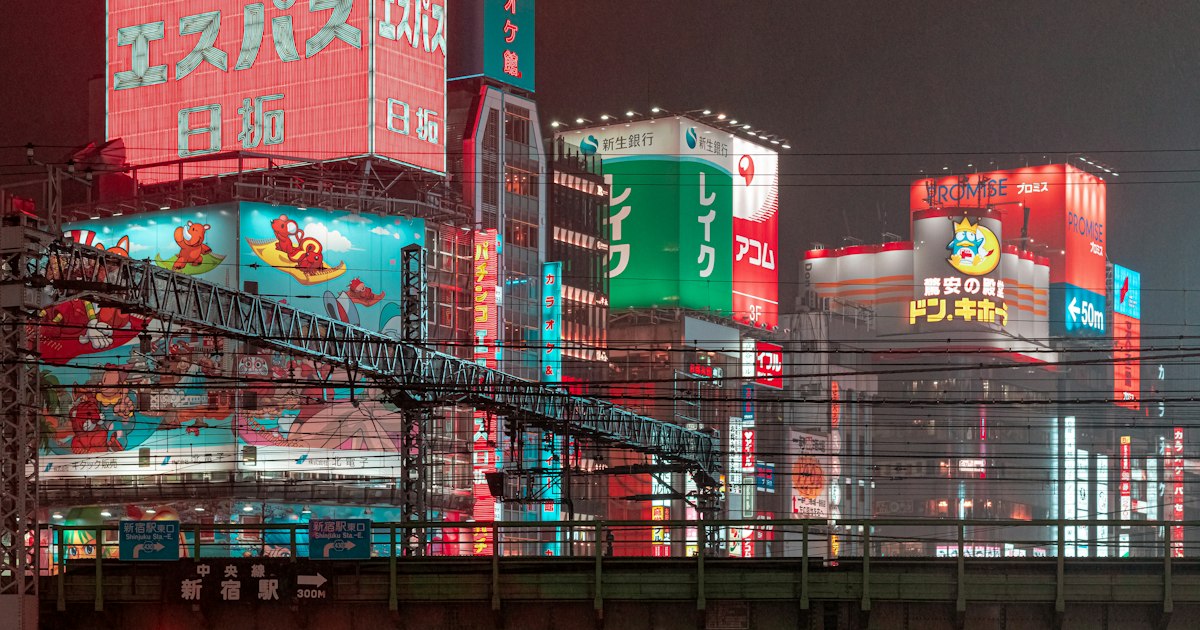
Photo by Marek Okon on Unsplash
Walk past a Tokyo arcade or a shopping mall atrium on any given weekend and you’ll likely see small groups hunched over notebooks, whispering theories, and occasionally shouting “wakatta!” (got it!). That’s nazotoki — literally “puzzle solving” — and it has quietly become one of Japan’s biggest indoor hobbies. Unlike a Western escape room, where you’re locked in one themed set for 60 minutes, nazotoki covers a much wider menu: paper puzzle books you solve while walking a shopping street, multi-room escape facilities, and café-based mystery boxes you can tackle with a coffee in hand. The good news for visitors is that a huge share of it is designed to be accessible even without fluent Japanese.
What Exactly Is Nazotoki?
Nazotoki grew out of two parents: Japan’s long-running love of logic puzzles (crosswords, nonograms, and the jigsaw puzzle culture covered in our guide to Beverly & Epoch jigsaw puzzles) and the Western “escape room” concept that arrived in the 2000s. The company SCRAP popularized the modern format in Japan around 2007–2010 with “Real Escape Game,” and it has since split into several distinct experiences:
- Room-based escape games — you and your group are sealed in a themed room for 60–90 minutes and must find clues, crack locks, and escape before time runs out.
- Nazotoki cafés — you sit at a table, order a drink, and work through an envelope of paper puzzles at your own pace, no locked door involved.
- Machi-aruki (city-walk) puzzle hunts — you buy a puzzle booklet, then wander a real neighborhood, shopping street, or theme park, matching clues to real storefronts, statues, and signage.
- One-shot puzzle books — sold at convenience stores and bookstores for around 500–900 JPY, these are solo or small-group logic puzzles you can do on a train or at your hotel.
Three Ways Tourists Can Join
If you’ve never done one, start with a nazotoki café or a city-walk booklet before committing to a full locked-room escape, since the latter often assumes a baseline comfort with Japanese wordplay. Café-style puzzles and walking hunts are built around visual and numerical clues (maps, symbols, cut-out shapes), which translate much better across languages than kanji riddles.
Group size matters too. Most escape rooms are designed for 2–6 people and price per person, so solo travelers should look for public sessions that merge strangers into one group, or bring friends — going in a pair against a puzzle meant for four makes the clock feel brutal.
Where to Play: Tokyo Mystery Circus and Other Venues
The flagship venue most tourists land on is Tokyo Mystery Circus in Kabukicho, Shinjuku — a dedicated multi-floor building run by SCRAP with several escape rooms running simultaneously, plus a puzzle café and a merchandise corner. It’s a short walk from Shinjuku Station (east exit, roughly 10 minutes), and because it’s purpose-built for this hobby, staff are used to handling non-Japanese guests and offer rooms with English clue sheets or translation devices for a subset of their lineup — always confirm with the specific room’s listing before booking, since not every title has English support.
Beyond Shinjuku, nazotoki cafés (sometimes branded “Nazotomo Cafe” or similar) operate in Shibuya, Ikebukuro, and Osaka’s Namba/Umeda areas, usually open from around 11:00 to 20:00–21:00, with last entry roughly an hour before close. Theme parks and aquariums across the country also run seasonal nazotoki walking events — Tokyo Dome City and Yomiuriland are two that rotate collaborations (often tied to anime or game franchises) every few months, so check their websites for the current season’s theme before you go.
Booking, Language, and What to Bring
Popular rooms at well-known venues sell out on weekends, especially Saturday afternoons, so reserve online a few days ahead through the venue’s own site; SCRAP’s Tokyo Mystery Circus and similar operators take reservations in Japanese but the booking forms are simple enough (date, time, party size) to navigate with a browser translator. Walk-in slots do exist on weekdays, particularly in the late morning.
Bring a pen or pencil for city-walk puzzle books — most booklets expect you to write directly on the pages, and vending-machine or convenience-store pens work fine, though puzzle enthusiasts sometimes prefer the wide stationery selection at a shop like Ito-ya in Ginza if you want a nicer notebook or fine-tip pen for a multi-day puzzle trip. For room-based escape games, lockers are usually provided for bags and phones, since photography inside is typically banned to protect the puzzle’s secrets for future players.
If your nazotoki plans are part of a longer trip and you’re staying in a hotel that night, remember Japan requires passport presentation at check-in for foreign guests — our guide on checking into a Japanese hotel covers exactly what to have ready so you’re not fumbling with documents after a long day of puzzle-solving.
Best Season and Timing for Tourists
Nazotoki is indoor and weatherproof, which makes it a genuinely useful rainy-day or midwinter activity — a good pairing if you’re also considering a quieter cold-season trip, the way powder-chasers plan around resorts like Appi Kogen for snow. Summer (July–August) sees the heaviest crowds at city-walk events since they often launch alongside summer anime and game tie-ins, so weekday mornings are your best bet for shorter waits. Weekday afternoons, generally, are the easiest time to walk into an escape room venue without a reservation.
Common Mistakes to Avoid
- Booking a room above your Japanese level. Many room titles are kanji-heavy wordplay with no English option — read the venue’s room descriptions carefully, or ask staff directly which rooms suit non-readers.
- Underestimating group size requirements. Turning up as two people for a four-person room often means you simply won’t finish; some venues will merge you with strangers if you ask in advance.
- Forgetting the no-photo rule. Staff take spoiler protection seriously, and getting caught photographing a puzzle can end your session early.
- Treating city-walk booklets like a quick 20-minute activity. Most machi-aruki puzzle hunts are designed to take 2–4 hours across a real neighborhood — budget accordingly, and wear comfortable shoes.
Budget Breakdown
Budget (under 1,000 JPY): A convenience-store or bookstore puzzle booklet, solvable in a hotel room or on a train, usually 500–900 JPY.
Mid-range (1,500–3,500 JPY per person): A nazotoki café session or a city-walk puzzle hunt booklet tied to a specific neighborhood or theme park event — often the best value since it doubles as sightseeing.
Splurge (3,000–5,000+ JPY per person): A full locked-room escape experience at a dedicated venue like Tokyo Mystery Circus, especially for premium or collaboration-themed rooms with elaborate sets and live-acted elements.
However you join in, nazotoki rewards patience over language skill — bring a notebook, a sense of humor about getting stuck, and you’ll walk away with a very specific kind of Japan souvenir: the memory of finally shouting “wakatta!” with your group.