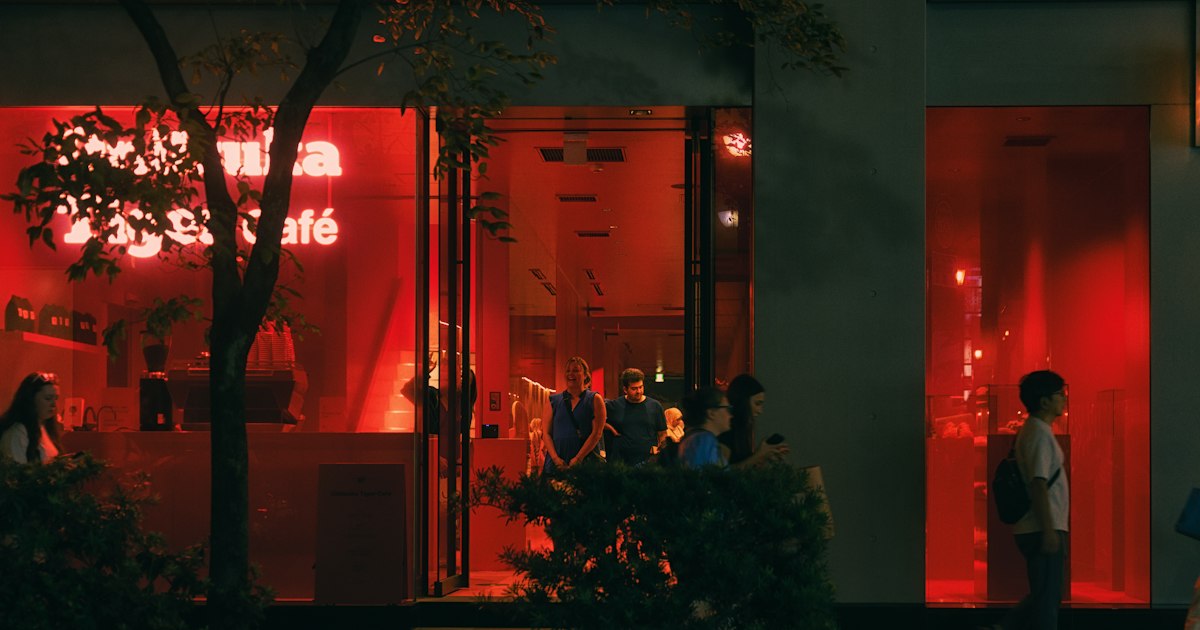
Photo by ayumi kubo on Unsplash
Walk through Osaka’s Kitashinchi or the backstreets of Tokyo’s Ginza after dark and you’ll notice something odd: well-dressed men standing outside unmarked doorways, quietly calling out to passersby in accented English. These are two of Japan’s most famous “mizu shobai” (water trade) nightlife districts, built around hostess clubs — and they’re also two of the easiest places in the country for a foreign tourist to lose a very large amount of money in a very short time. Here’s what’s actually going on, and how to enjoy these neighborhoods without becoming the evening’s target.
What a “Hostess Bar District” Actually Is
A hostess club (often called a kyabakura if it’s more casual, or a “club” if it’s high-end) is a members-oriented venue where women are paid to sit with customers, pour drinks, and make conversation. It’s legal and deeply embedded in Japanese corporate culture — a huge amount of business entertaining (“settai”) happens in these rooms. The pricing model is the key thing to understand: you pay a seating charge for a fixed time block (often 60–90 minutes), then separate charges for bottles of whisky or champagne, a per-hostess companionship fee, a service charge of 10–15%, and consumption tax on top. At a legitimate high-end club this can easily run ¥30,000–¥100,000+ per person for an evening — and that’s assuming you’re a member or arrived with one, which is how most of these clubs actually operate.
Kitashinchi, Osaka: Where It Is and What Happens There
Kitashinchi sits in Osaka’s Kita district, between Dojima and the Osaka/Umeda Station area — the nearest station is Kitashinchi on the Tozai Line, or it’s about a 10–15 minute walk from JR Osaka Station. By day it looks like any other block of office buildings and restaurants. After roughly 7pm, narrow side streets fill with hostess clubs, many on upper floors identified only by a small nameplate near the elevator. It’s one of Japan’s three largest hostess districts (alongside Ginza and Tokyo’s Akasaka), and the real clubs here run almost entirely on introductions — a regular customer vouching for you. That detail matters for what follows.
Ginza, Tokyo: Luxury by Day, Hostess District by Night
Ginza is best known to visitors as Tokyo’s flagship shopping street — flagship boutiques, department stores, and the kind of window displays that make for a nice afternoon walk. Take the Ginza or Hibiya subway lines to Ginza Station, or JR to Yurakucho, and you’re right in the middle of it. But the same streets, particularly around Ginza 6- and 7-chome and the area known as Corridor Gai, turn into one of Japan’s densest hostess club concentrations once evening falls, with clubs tucked into the upper floors of otherwise unremarkable buildings. If you’re sightseeing or shopping, daytime is genuinely the better time to be here anyway — the atmosphere, and the crowd, both shift noticeably after dark.
The Scam Tourists Fall Into (and Why It’s Hard to Fight)
This is the part that matters most for visitors. A friendly tout (“kyakuhiki”) approaches on the street, often in English, offering cheap drinks or a chance to meet “cute girls” at a nearby bar. Osaka and Tokyo both ban this kind of street touting under local nuisance ordinances, but enforcement at night is patchy, so it still happens constantly in and around both districts. Here’s the tell: genuine Kitashinchi and Ginza clubs almost never take walk-in foreign tourists off the street — they’re introduction-only. So if a tout is inviting you in directly, you’re not being led to an authentic club trading on the neighborhood’s reputation; you’re being led to a bar that exists specifically to overcharge tourists. The bill, when it arrives, is often ¥20,000–¥50,000+ for drinks you thought were covered by a “¥3,000 all-you-can-drink” come-on, padded with table charges and per-hostess fees never mentioned up front. Staff can be intimidating about collecting it, and once you’ve paid by card, disputing the charge from abroad is a long, often fruitless process.
Common Mistakes to Avoid
- Following any street tout who approaches you near Kitashinchi, Ginza Corridor Gai, or similar districts — this alone is the single biggest predictor of getting overcharged.
- Not checking the posted price list at the entrance before sitting down; legitimate bars display pricing, and the absence of one is a red flag.
- Assuming “snack bar” or “karaoke bar” signage means a casual, low-cost spot — many of these are hostess setups with the same opaque per-time-block billing.
- Paying by card before getting an itemized receipt. Ask for the breakdown before you tap or hand over a card.
- Wandering narrow backstreets alone late at night, especially after a few drinks — it noticeably increases how often you get approached.
Safer Ways to Spend a Night in the Same Neighborhoods
You don’t need to avoid Kitashinchi or Ginza entirely — just stick to places with transparent, posted pricing. On a budget, standing bars (tachinomi) around Yurakucho’s under-track arcades pour beer and highballs for ¥400–¥600 with prices on the wall. Mid-range, any izakaya chain or a whisky bar that shows its menu at the door is a safe bet — cover charges, if any, should be stated clearly before you sit. For a splurge with zero ambiguity, hotel bars are hard to beat: a cocktail with a view and a printed menu, no membership required. If you’d rather round out the evening with something distinctly Japanese and low-risk, a proper izakai crawl or trying something like doburoku, Japan’s rustic unfiltered sake, at a dedicated sake bar gives you an authentic drinking experience with none of the pricing games.
If Something Goes Wrong
If you do end up with a bill you believe is fraudulent, stay calm, ask for an itemized receipt, and state clearly that you intend to call the police if the charge isn’t explained. Many touted bars will reduce the bill on the spot rather than risk a complaint, since street touting itself is already an ordinance violation they’d rather not have on record. If staff become aggressive or won’t let you leave, call 110 for police — it’s free from any phone, no SIM required, and you don’t need fluent Japanese to get help. For the full rundown on how Japan’s emergency numbers work for visitors, see Emergency Services in Japan: Calling 110 and 119 as a Tourist. In practice, the easiest fix is the one upstream of all of this: don’t follow the tout in the first place, and both Kitashinchi and Ginza remain two of Japan’s most atmospheric neighborhoods to simply walk through.