Japan Trove

Category: Tokyo

Tokyo neighborhood guides, day trips, and the best things to do in the capital.

  • Harajuku Guide: Fashion, Street Food & Meiji Shrine

    Harajuku Guide: Fashion, Street Food & Meiji Shrine

    Harajuku is Tokyo’s capital of youth fashion, kawaii culture, and street snacks — a must-wander neighborhood. Here’s how to explore it, from the famous crepes to the calm of Meiji Shrine.

    The two sides of Harajuku

    • Takeshita Street — the packed, colorful heart of teen fashion, character shops, and rainbow cotton candy.
    • Omotesando — the elegant, tree-lined “Champs-Elysees of Tokyo” with flagship stores and striking architecture.
    • Ura-Harajuku (Cat Street) — backstreets of independent boutiques, streetwear, and cafes.

    What to do

    • Street snacks — Harajuku crepes, rainbow treats, and trendy sweets.
    • Shopping — from cheap teen fashion to Japanese fashion brands and vintage.
    • Meiji Shrine — a serene forest shrine right next door; a beautiful contrast to the buzz.
    • Yoyogi Park — great for people-watching, especially on weekends.

    Shopping tips

    • Takeshita Street is best on a weekday to avoid the crush.
    • Hunt vintage in the backstreets; flagship brands line Omotesando.
    • Bring your passport for tax-free at larger stores.
    • Grab beauty and drugstore buys and J-beauty makeup nearby.

    Getting there

    Harajuku Station (JR Yamanote line) and Meiji-jingumae drop you right in it. Grab an IC card. It pairs perfectly with neighboring Shibuya — see our Tokyo guide.

    Tips

    • Go late morning; combine with Meiji Shrine early before the crowds.
    • Weekends are peak for street fashion spotting but very busy.
    • Cash helps at small stalls — see money in Japan.

    What things typically cost

    • A Harajuku crepe runs JPY 500-900 depending on toppings; budget an extra crepe or drink stop since the street’s stalls are genuinely part of the experience, not just a photo backdrop.
    • Takeshita Street fashion runs cheap — JPY 500-3,000 for most character goods and teen fashion items — while Omotesando’s flagship boutiques sit at full international luxury pricing just a few minutes’ walk away.
    • Meiji Shrine and Yoyogi Park are both free, making Harajuku one of the more budget-friendly full-day Tokyo districts if you skip the shopping entirely and focus on people-watching and the shrine grounds.

    Common mistakes to avoid

    • Visiting Takeshita Street on a weekend afternoon expecting to move freely — it’s one of the most densely crowded streets in Tokyo at peak times; a weekday morning gives a completely different, walkable experience of the same shops.
    • Skipping Meiji Shrine because it seems like “just another shrine” — the approach through old-growth forest is a genuinely calming contrast to Takeshita Street’s crowds just a few minutes away, and most visitors are struck by how different the two areas feel.
    • Missing Ura-Harajuku (Cat Street) in favor of only the main strips — the backstreets have far better browsing for adult, less character-driven fashion and coffee shops away from the crowds.

    A half-day sequencing tip

    Visit Meiji Shrine first thing in the morning while it’s quiet and cool, then let the crowds build naturally as you move into Takeshita Street and Omotesando later — doing it in reverse means fighting shrine crowds after they’ve built up from tour groups arriving mid-morning.

    Combining with the rest of west Tokyo

    Harajuku sits within easy walking distance of both Shibuya and Shinjuku, making it natural to treat as the middle stop of a longer west-Tokyo day rather than a standalone destination — most visitors find one full morning-to-afternoon block here is enough before moving on to the next district’s different energy.
  • teamLab Tokyo: Borderless vs Planets & How to Visit

    teamLab Tokyo: Borderless vs Planets & How to Visit

    Some links below are affiliate links. If you book through them, Japan Trove may earn a small commission at no extra cost to you.

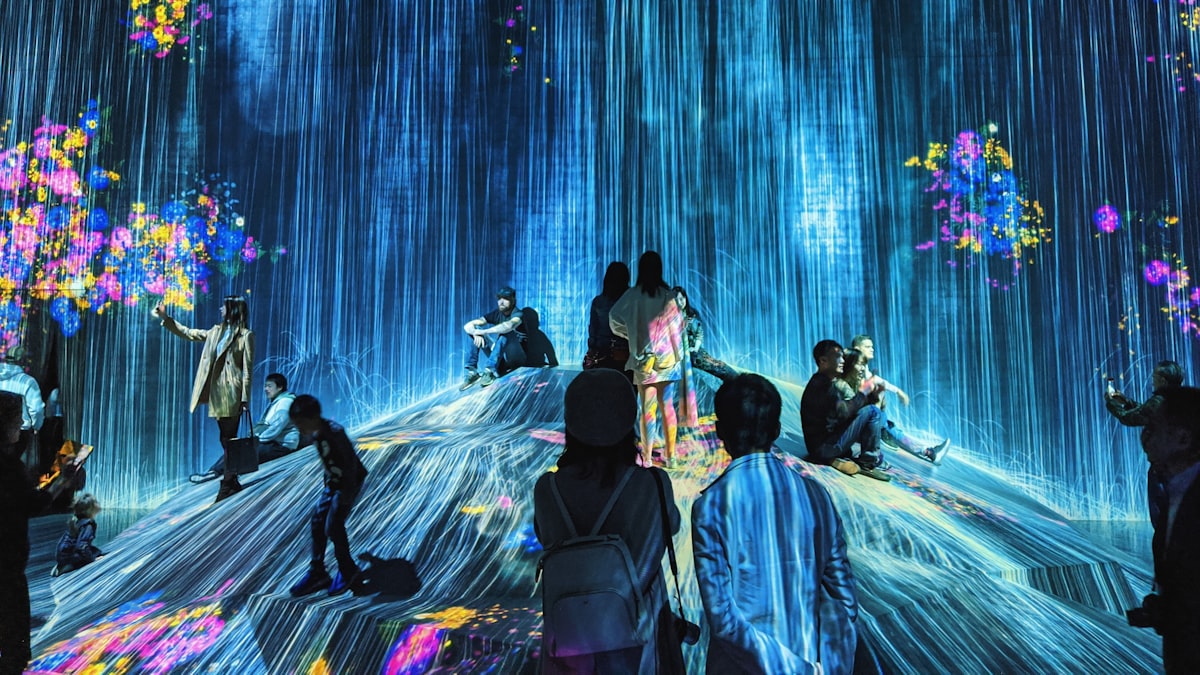
    teamLab’s digital art museums are among Tokyo’s most Instagrammed experiences — immersive rooms of light, water, and projections you walk right through. Here’s how to visit.

    The two Tokyo museums

    • teamLab Borderless — a maze-like world of artworks that move between rooms, with no fixed map; endlessly explorable.
    • teamLab Planets — a barefoot experience where you wade through water and soft moss gardens; often the more popular of the two.

    They’re different museums in different locations — check which one you’re booking. (Venues and locations occasionally change, so confirm the current details.)

    Tickets — book ahead

    • These sell out; buy timed-entry tickets in advance, not at the door.
    • Book via the official site or on Klook .
    • Arrive on time — entry is by slot.

    What to wear & know

    • teamLab Planets: you’ll walk through knee-deep water — wear or bring shorts/rollable pants; you go barefoot (lockers provided).
    • Mirrored floors are common — skirts aren’t ideal (wraps are usually offered).
    • Great for photos, but be present too — the experience is the point.

    Who it’s for

    Fantastic for couples, families, and photography lovers; see Japan with kids if traveling with little ones. It’s a 1.5–2 hour highlight to slot into a Tokyo day.

    Getting there

    Both are reachable by train around Tokyo Bay — grab an IC card and an eSIM, and pair it with the rest of our Tokyo guide.

    What tickets cost

    • Standard adult tickets run JPY 3,800-4,800 depending on the venue and date, with weekday tickets sometimes priced lower than weekends and holidays.
    • Budget 2-3 hours minimum at either venue — Borderless especially rewards a slower pace since rooms shift and move over time, meaning a second pass through the same room can look completely different.
    • A locker is included in admission for storing shoes and bags at Planets, so there’s no extra cost beyond the ticket itself for the barefoot, wet-floor sections.

    Common mistakes to avoid

    • Booking the wrong venue by mistake — Borderless and Planets are separate museums with different art and different rules (Planets requires bare feet and rolled-up pants due to water; Borderless doesn’t); double-check which one you actually booked before arrival.
    • Wearing a long skirt or dress to Planets — the water walking sections make this impractical, and while wraps are sometimes offered, arriving already dressed appropriately avoids relying on them.
    • Rushing through in under an hour — both museums are designed for slow, repeated wandering; visitors who treat it as a quick photo stop rather than lingering in each room tend to leave less satisfied.

    Getting the best photos without missing the experience

    It’s tempting to spend the whole visit through a phone screen, but staff and repeat visitors consistently note that the most striking rooms are best experienced by putting the phone away for a few minutes first, then returning for photos once you’ve actually taken in the scale and movement of the installation.

    Visiting with kids versus a date-night crowd

    Both venues genuinely work for either audience — families with young kids tend to gravitate toward Planets’ hands-on water and moss areas, while couples often prefer Borderless’s more atmospheric, dimly lit rooms; if you’re choosing just one venue for a mixed-age group, Planets’ interactive nature usually holds children’s attention longer.

  • Tokyo Disneyland vs DisneySea: Which to Choose

    Tokyo Disneyland vs DisneySea: Which to Choose

    Some links below are affiliate links. If you book through them, Japan Trove may earn a small commission at no extra cost to you.

    Tokyo Disney Resort is one of the best in the world — and unusually, it has two parks: Disneyland and the one-of-a-kind DisneySea. Here’s how to choose and plan.

    Disneyland vs DisneySea

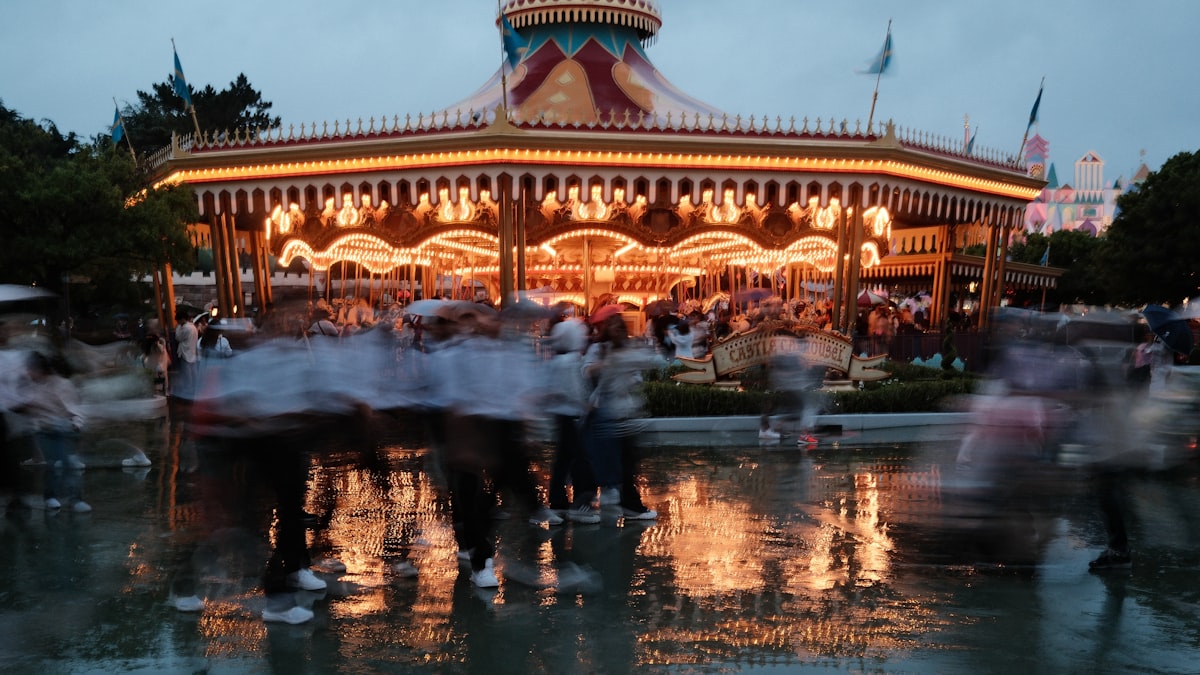
    • Tokyo Disneyland — the classic castle park, great for families and first-timers.
    • Tokyo DisneySea — nautical-themed and utterly unique to Japan; more scenic, more grown-up, with excellent food and drink (it even serves alcohol). Many fans rate it the best Disney park anywhere.

    Only have one day? First-timers with young kids may prefer Disneyland; couples and Disney fans usually love DisneySea.

    Tickets & the app

    • Buy dated tickets in advance — parks can sell out, especially weekends and holidays.
    • Use the official app for wait times, mobile ordering, and the paid Premier Access to skip lines on select rides.
    • Book tickets and packages via Klook .

    Smart planning

    • Avoid weekends and Japanese holidays (like Golden Week) — weekdays are far calmer.
    • Arrive before opening to beat the queues on headliner rides.
    • Stay at an official or nearby hotel for early entry and easy access — compare on Booking.com .

    Getting there

    The resort is in Maihama, about 15 minutes by train from Tokyo Station. Grab an IC card and check our Tokyo guide for the rest of your trip. Traveling with little ones? See Japan with kids.

    Tips

    • Popcorn buckets and seasonal merch are a whole hobby — budget for souvenirs.
    • Bring a portable charger (you’ll live in the app).
    • Check the seasonal events calendar — Halloween and Christmas are spectacular.

    What a Disney day costs

    • 1-day passport tickets run roughly JPY 9,400-10,900 depending on the date (Tokyo Disney uses variable date-based pricing similar to USJ), with weekday tickets typically cheaper than weekends.
    • Premier Access (the paid line-skip system) runs JPY 1,500-2,500 per ride per person and is worth prioritizing for the two or three attractions with genuinely long average waits rather than buying it for everything.
    • Popcorn buckets, a beloved souvenir category unique to Tokyo Disney, run JPY 2,500-3,500 each and sell out fast on release days — if a specific design matters to you, check release dates and buy early in your visit.

    Common mistakes to avoid

    • Choosing the wrong park for your group — DisneySea’s more sophisticated, adult-leaning atmosphere and larger walking distances can be less ideal for very young children than Disneyland’s classic, compact layout; match the park to your group before buying tickets you can’t easily swap.
    • Not downloading the official app before arrival — wait times, mobile food ordering, and Premier Access purchases all run through it, and setting it up in advance (rather than fumbling with it at the gate) saves real time on arrival.
    • Underestimating how much walking DisneySea involves — its nautical theme spans a genuinely large, hilly layout; comfortable shoes matter even more here than at a typical theme park.

    Choosing between the two parks with limited time

    If you can only visit one park and don’t have young children, most repeat visitors and Disney enthusiasts recommend DisneySea specifically because it doesn’t exist anywhere else in the world, while Disneyland’s core attractions overlap significantly with other Disney parks internationally.

    Seasonal timing for special events

    Tokyo Disney’s Halloween (September-October) and Christmas (November-December) events are considered among the best seasonal theme park decorations anywhere, but they also draw the heaviest crowds of the year — if seasonal decor matters more than shorter lines, plan around it deliberately; if not, the quieter months outside these windows offer a meaningfully calmer visit.

  • Best Things to Do in Tokyo: A First-Timer’s Guide

    Best Things to Do in Tokyo: A First-Timer’s Guide

    Some links below are affiliate links. If you book through them, Japan Trove may earn a small commission at no extra cost to you.

    Tokyo can feel overwhelming — it’s really dozens of distinct neighborhoods stitched together by trains. Here’s a first-timer’s shortlist of the things genuinely worth your time, mixing the icons with a few local favorites.

    The icons (do at least these)

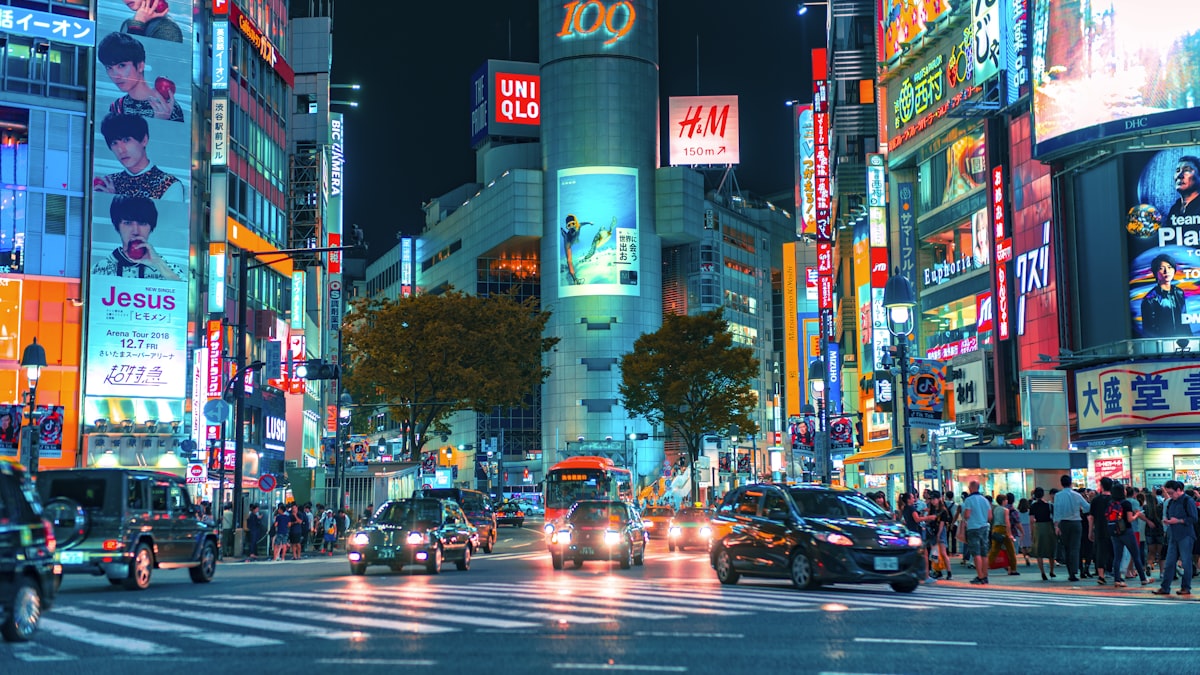
    • Shibuya Scramble Crossing — the famous intersection; view it from above at a nearby café or Shibuya Sky.
    • Senso-ji, Asakusa — Tokyo’s oldest temple; go early to beat crowds, then explore the old-town lanes.
    • Meiji Shrine + Harajuku — a forest shrine next to Tokyo’s wildest street fashion.
    • teamLab — the immersive digital-art museum; book tickets in advance.

    Neighborhoods to wander

    • Shinjuku — nightlife, Golden Gai, and the free observation deck at the Metro Government Building.
    • Shimokitazawa — vintage shops and cafés, relaxed and local.
    • Yanaka — old Tokyo alleys that survived the wars; quiet and charming.
    • Akihabara — anime, games, and electronics; see how to buy figures.

    Food experiences

    • Tsukiji Outer Market for a seafood breakfast.
    • Standing sushi, ramen shops, and depachika (department-store food halls) — some of the best cheap eats anywhere.
    • Konbini snacks count too — see our konbini must-buys.

    Easy escapes

    When you want a break from the city, Tokyo has brilliant day trips (Hakone, Nikko, Mt. Fuji).

    Practical tips

    Fitting Tokyo into a bigger trip? Use our 7-day Japan itinerary.

    What things typically cost

    • teamLab tickets run JPY 3,800-4,800, and Shibuya Sky runs JPY 2,000-2,500 — both benefit from advance booking not just for availability but sometimes slightly better online pricing than day-of purchase.
    • Senso-ji is free, and the free observation deck at the Tokyo Metropolitan Government Building in Shinjuku offers a comparable city view to paid decks costing JPY 2,000-3,000 elsewhere.
    • A satisfying half-day of neighborhood wandering (Yanaka, Shimokitazawa) costs very little beyond transport and snacks, a good budget balance against pricier ticketed attractions elsewhere in the itinerary.

    Common mistakes to avoid

    • Trying to cover too many distant neighborhoods in one day — Tokyo is vast, and grouping sights geographically (Asakusa with Akihabara, or Harajuku with Shibuya and Shinjuku) saves significant transit time compared to jumping between opposite sides of the city.
    • Booking teamLab or Shibuya Sky for a midday slot when a sunset or evening slot would show the venue at its best — both are considerably more atmospheric after dark, and tickets cost the same regardless of time.
    • Skipping neighborhood wandering entirely in favor of only “must-see” landmarks — some of the best Tokyo experiences (a quiet Yanaka alley, an unplanned Shimokitazawa cafe stop) aren’t on any top-10 list but define what makes the city rewarding beyond checklist sightseeing.

    Building a realistic first Tokyo day

    A well-paced first day might start in Asakusa for temples and old-town atmosphere, move to Akihabara for an afternoon of electronics and anime culture, and end back near your hotel for an early dinner and rest — resisting the urge to also squeeze in Shibuya or Harajuku on the same day, which is easily its own separate, equally full day.

    Tokyo in bad weather

    Tokyo’s extensive underground shopping arcades beneath Tokyo, Shinjuku, and Ginza stations let you cover real ground and shopping without stepping outside on a rainy day, and teamLab’s digital art is arguably better suited to a rainy afternoon than any outdoor sightseeing alternative you’d be skipping.

  • Best Day Trips from Tokyo: Hakone, Nikko & Mt. Fuji

    Best Day Trips from Tokyo: Hakone, Nikko & Mt. Fuji

    Some links below are affiliate links. If you book through them, Japan Trove may earn a small commission at no extra cost to you.

    Tokyo is amazing, but some of Japan’s best experiences are a short train ride away. These three day trips — Hakone, Nikko, and the Mt. Fuji area — are all doable as round trips and give you mountains, hot springs, and shrines without changing hotels.

    Hakone — hot springs & Mt. Fuji views

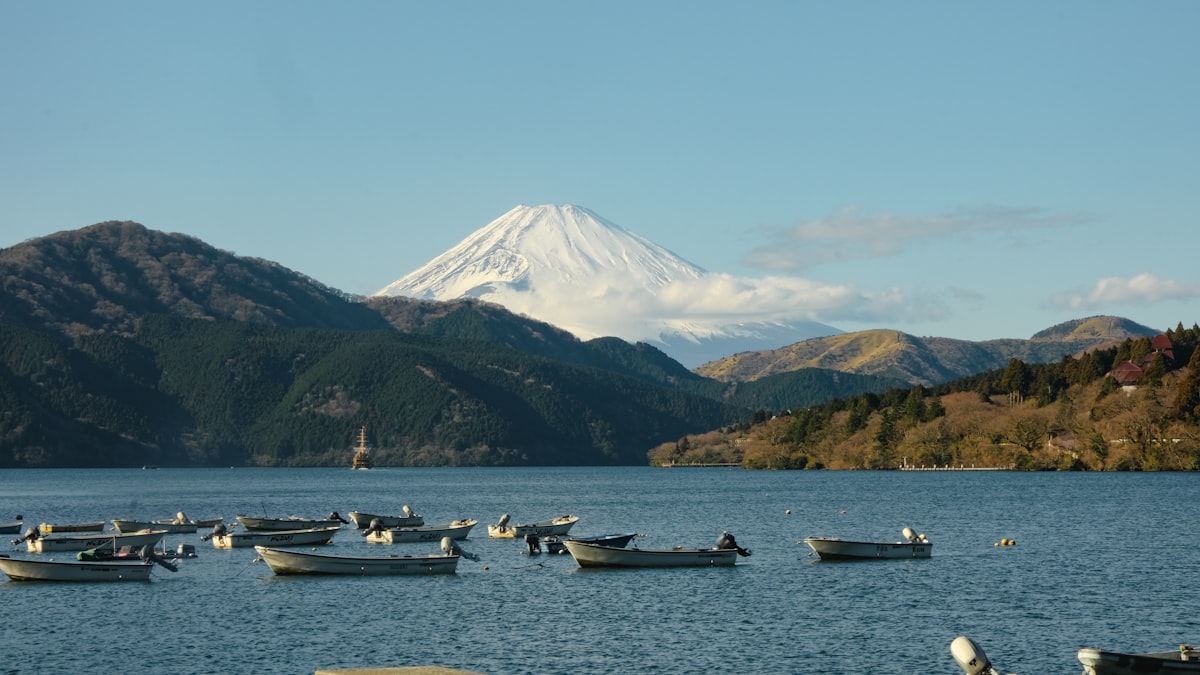
    About 90 minutes from Shinjuku, Hakone is the classic onsen escape. Do the scenic “loop”: mountain railway, cablecar, a pirate ship across Lake Ashi, and (on a clear day) Fuji views. Soak in an onsen before heading back. The Hakone Free Pass covers most of the transport and is easy to buy in English on Klook .

    Nikko — shrines in the mountains

    Two hours north of Tokyo, Nikko is a UNESCO World Heritage town of ornate shrines set in cedar forest, plus waterfalls and a scenic lake up the mountain. Toshogu Shrine is the highlight. Best in autumn for the foliage.

    Mt. Fuji area (Kawaguchiko) — the iconic view

    For that postcard Fuji shot reflected in a lake, head to the Fuji Five Lakes (Kawaguchiko). Great for photos, a ropeway, and lakeside cafés. Note: Fuji is clearest in the colder months and early mornings; summer often hides it in cloud.

    How to choose

    • Want hot springs + Fuji + variety? Hakone.
    • Love temples & nature? Nikko.
    • Chasing the perfect Fuji photo? Kawaguchiko.

    Tips

    • Go early. First train out beats the crowds and the afternoon clouds.
    • Check the pass math. Regional day passes usually beat singles — related: is the JR Pass worth it?
    • Book guided tours if you want zero logistics; compare on GetYourGuide or Klook.

    Fitting these into a week? See our 7-day Japan itinerary and sort your eSIM and Tokyo base first.

    What each day trip costs

    • The Hakone Free Pass runs about JPY 6,100 (2-day) from Shinjuku, covering round-trip transport plus unlimited use of the local loop — generally cheaper than piecing together individual tickets for the train, cablecar, ropeway, and boat.
    • Nikko’s combined shrine ticket runs JPY 1,300-1,600 for the main three sites, plus JPY 1,150-1,700 each way for the bus up to Lake Chuzenji and Kegon Falls if you extend beyond the shrine complex.
    • Kawaguchiko round-trip bus fare from Shinjuku runs about JPY 4,000-4,400, with the Kachi Kachi Ropeway (JPY 900-1,000 round-trip) as a worthwhile add-on for elevated lake views.

    Common mistakes to avoid

    • Trying to combine two of these three destinations in one day — each is a genuine day-trip commitment on its own; attempting Hakone and Nikko together, for instance, means rushing both and spending most of the day in transit.
    • Choosing Kawaguchiko on a whim during summer haze season — Fuji’s visibility drops significantly in summer humidity; if seeing the mountain itself is the entire point, autumn and winter mornings offer far better odds.
    • Underestimating Nikko’s UNESCO shrine complex as “just shrines” — Toshogu’s carvings and scale genuinely surprise many first-time visitors expecting a modest religious site rather than an elaborately decorated mausoleum complex.

    Turning any of these into an overnight

    All three destinations reward an overnight stay more than a rushed round trip — a Hakone or Kawaguchiko ryokan lets you soak in an onsen and catch an early clear-morning Fuji view, while Nikko’s highland lake area feels genuinely different once day-trippers have left for the evening.

    Booking guided tours versus DIY

    A guided day tour typically costs more than the equivalent regional pass and self-guided transport, but removes all logistics planning — a reasonable trade for travelers on their first trip or short on planning time, while the self-guided route rewards those comfortable navigating Japanese transport and wanting more flexibility over timing at each stop.

  • Where to Stay in Tokyo: Best Areas for First-Timers

    Where to Stay in Tokyo: Best Areas for First-Timers

    Some links below are affiliate links. If you book through them, Japan Trove may earn a small commission at no extra cost to you.

    Tokyo is huge, but you don’t need to overthink your hotel: pick a neighborhood on or near the Yamanote loop line and you can reach almost anything in 30 minutes. Here’s a first-timer’s map of the best areas to stay, and who each one suits.

    Best areas for first-timers

    Shinjuku — most convenient all-rounder

    The world’s busiest station, endless food, nightlife in Golden Gai and Kabukicho, and fast trains everywhere (including the airport). Great if you want energy and connectivity. Can be busy and loud.

    Shibuya — young, stylish, walkable

    The famous Scramble Crossing, shopping, and a short hop to Harajuku. Fun and central, slightly pricier.

    Tokyo Station / Marunouchi — polished and easy

    Best for Shinkansen day trips (the bullet train leaves from here) and a calmer, upscale base. Quieter at night.

    Asakusa — traditional and affordable

    Old-town temples, riverside walks, and better-value hotels and ryokan-style stays. A little further from nightlife but full of character.

    Ueno — budget-friendly and connected

    Museums, a big park, great access to the airport (Keisei line) and northern day trips. Good value.

    What to book

    • Book early. The best-value central hotels sell out months ahead, especially in cherry blossom and autumn seasons.
    • Rooms are small. “Double” often means one small bed — check bed configuration and room size (m²).
    • Location beats size. A tiny room two minutes from a Yamanote station beats a big room far out.

    We compare rates for Japan on Booking.com and Agoda (Agoda often has strong Asia deals), then book whichever is cheaper for the exact dates.

    Getting in from the airport

    Your neighborhood affects your airport transfer. See how to get from Narita and Haneda into central Tokyo, and don’t forget an eSIM so your maps work on arrival.

    Planning the whole trip? Start with our 7-day Japan itinerary.

    What accommodation typically costs by area

    • Shinjuku and Shibuya business hotels run JPY 12,000-22,000/night, reflecting their central, high-demand locations near major transit hubs.
    • Asakusa and Ueno offer comparable quality for JPY 8,000-15,000/night, genuinely better value for travelers willing to trade a few extra minutes of train time for lower rates.
    • Tokyo Station/Marunouchi area hotels often run at a premium (JPY 15,000-30,000+) reflecting the polished, business-district positioning, but are worth it specifically if minimizing shinkansen transfer time matters for your itinerary.

    Common mistakes to avoid

    • Choosing a hotel based on price alone without checking train access — a cheaper room far from a Yamanote line station can cost more in lost time and transfer hassle than the savings are worth; prioritize proximity to a major line even if it means a slightly smaller or pricier room.
    • Booking a “double” room expecting two beds — in Japan this commonly means one bed for two people, sometimes smaller than expected; if you need two beds, specifically search for “twin” rooms instead.
    • Waiting too long to book during peak seasons — the best-value, well-located hotels near Yamanote stations sell out 2-3 months ahead during cherry blossom and autumn leaf season specifically.

    Choosing based on trip style, not just first impressions

    A high-energy, first-time visitor drawn to nightlife and constant activity often does best in Shinjuku or Shibuya, while a first-time visitor prioritizing culture and a calmer pace tends to enjoy Asakusa more, even though Shinjuku gets more attention in generic “best areas” lists — match the neighborhood to your actual trip style rather than the most commonly recommended option.

    Splitting a stay across two areas

    For a longer trip, some travelers deliberately split their Tokyo stay — a few nights in Shinjuku or Shibuya for energy and nightlife, then a switch to Asakusa or Ueno for a calmer, more budget-friendly finish — getting a feel for genuinely different sides of the city rather than committing to one neighborhood for the entire visit.