Japan Trove

Category: Tokyo

Tokyo neighborhood guides, day trips, and the best things to do in the capital.

  • Asakusa Guide: Senso-ji, Old Tokyo & Skytree

    Asakusa Guide: Senso-ji, Old Tokyo & Skytree

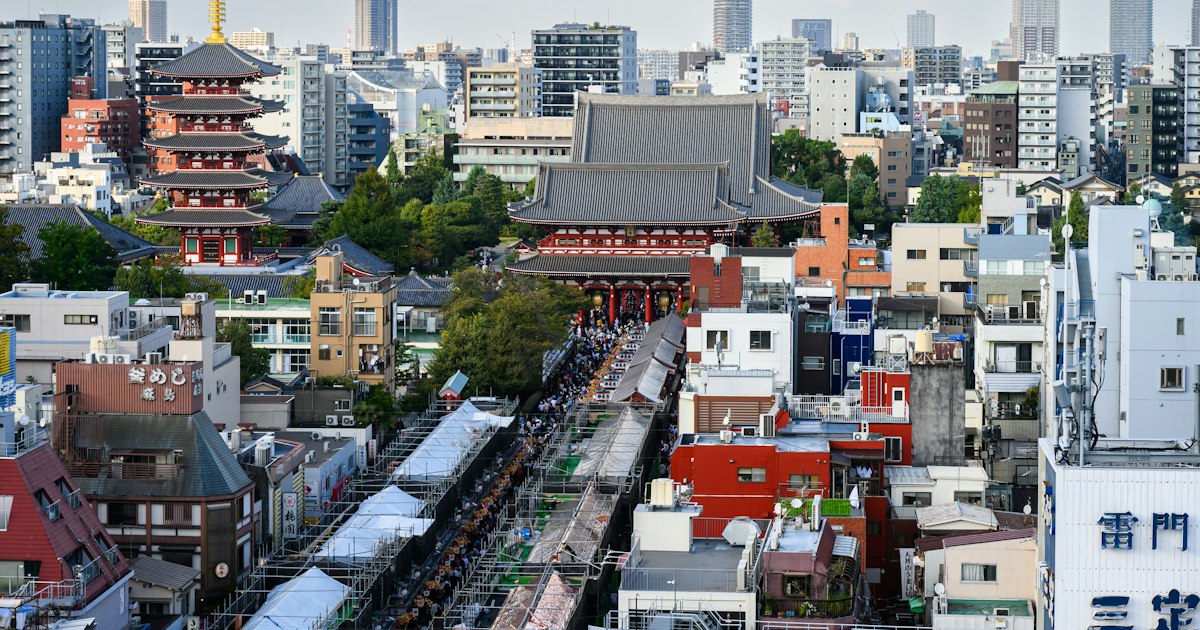
    Asakusa is old Tokyo — home to the city’s most famous temple, rickshaws, traditional snacks, and craft shops. It’s the go-to district for a taste of pre-modern Japan. Here’s how to visit.

    What to see

    • Senso-ji — Tokyo’s oldest and most famous temple, with the giant red Kaminarimon “Thunder Gate” lantern.
    • Nakamise-dori — the bustling shopping street leading to the temple, full of snacks and souvenirs.
    • Tokyo Skytree — the towering broadcast tower is a short walk/ride away, with observation decks.
    • Sumida River — take a scenic river cruise from here toward Odaiba.

    Traditional experiences

    • Rent a kimono and stroll the old streets — see our kimono & yukata guide.
    • Rickshaw ride with an English-speaking puller.
    • Street snacks — melonpan, ningyo-yaki, senbei; more in must-try food.

    Shopping

    • Nakamise-dori for classic souvenirs (fans, chopsticks, yukata).
    • Nearby Kappabashi — the kitchenware street for knives and realistic food samples; see Japanese knives.

    Getting there & tips

    • Asakusa Station (several lines) — grab an IC card.
    • Go early morning to see Senso-ji before the crowds and get better photos.
    • Great half-day; pair with Skytree or a river cruise. See our Tokyo guide.
  • Shinjuku Guide: Skyscrapers, Nightlife & Gardens

    Shinjuku Guide: Skyscrapers, Nightlife & Gardens

    Shinjuku packs skyscrapers, neon nightlife, tranquil gardens, and the world’s busiest station into one district. It’s overwhelming and wonderful — here’s how to navigate it.

    What to see & do

    • Tokyo Metropolitan Government Building — free observation decks with panoramic city (and Fuji on clear days) views.
    • Shinjuku Gyoen — a gorgeous large garden, stunning in cherry blossom season.
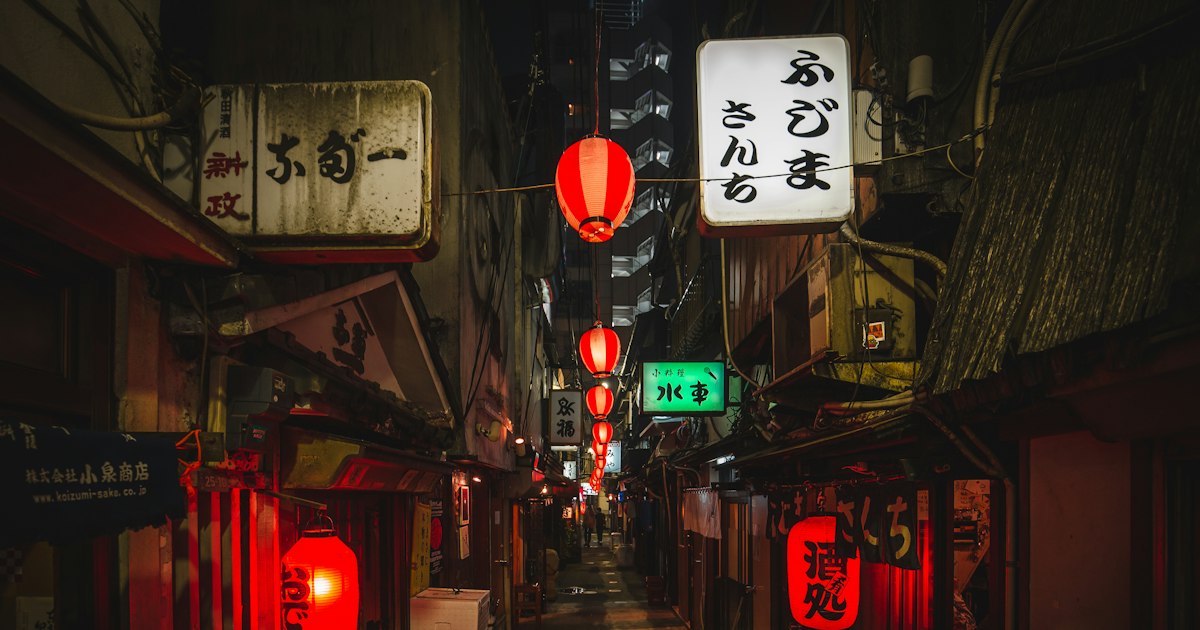
    • Omoide Yokocho — “memory lane,” a nostalgic alley of tiny yakitori bars.
    • Golden Gai — a warren of tiny themed bars (some have cover charges/regulars-only).
    • Kabukicho — the famous nightlife/entertainment quarter (lively; stay aware at night).

    Shopping

    • Huge department stores and electronics giants (Yodobashi, Bic Camera) — see our electronics guide.
    • Don Quijote and countless fashion floors; bring your passport for tax-free.

    Navigating Shinjuku Station

    It’s the world’s busiest station with dozens of exits — note your exit name (e.g., “South” or “East”) rather than just the line. Grab an IC card and allow extra time when transferring.

    Tips

    • The free government-building observatory is a great budget alternative to paid decks.
    • Golden Gai is best late evening; some bars welcome tourists, others are locals-only — look for English-friendly signs.
    • Combine with nearby Harajuku and Shibuya; see our Tokyo guide.
  • Shibuya Guide: Crossing, Shopping & Nightlife

    Shibuya Guide: Crossing, Shopping & Nightlife

    Shibuya is Tokyo at its most electric — the famous scramble crossing, neon, shopping, and nightlife. Here’s how to make the most of this must-visit district.

    The essentials

    • Shibuya Crossing — the world’s busiest pedestrian crossing; watch it from the Starbucks or a viewing deck.
    • Hachiko statue — the famous loyal-dog meeting spot outside the station.
    • Shibuya Sky — a stunning open-air rooftop observation deck (book ahead).
    • Shibuya Scramble Square & Hikarie — shopping and city views.

    Shopping

    • Shibuya 109 — iconic youth-fashion tower.
    • Don Quijote — souvenirs and everything else; see our Donki guide.
    • Loft & department stores for lifestyle goods.
    • Nearby Harajuku is a short walk for more shopping.

    Food & nightlife

    • Nonbei Yokocho — a tiny alley of atmospheric bars.
    • Center Gai — packed with cheap eats and izakaya.
    • Everything from ramen to izakaya; see must-try Japanese food.

    Getting there & tips

    • Shibuya Station is a major hub — grab an IC card; the station is famously complex, so allow time.
    • The crossing and Shibuya Sky are best at dusk when the neon lights up.
    • Combine with Harajuku and Yoyogi Park for a full day; see our Tokyo guide.
  • Harajuku Guide: Fashion, Street Food & Meiji Shrine

    Harajuku Guide: Fashion, Street Food & Meiji Shrine

    Harajuku is Tokyo’s capital of youth fashion, kawaii culture, and street snacks — a must-wander neighborhood. Here’s how to explore it, from the famous crepes to the calm of Meiji Shrine.

    The two sides of Harajuku

    • Takeshita Street — the packed, colorful heart of teen fashion, character shops, and rainbow cotton candy.
    • Omotesando — the elegant, tree-lined “Champs-Elysees of Tokyo” with flagship stores and striking architecture.
    • Ura-Harajuku (Cat Street) — backstreets of independent boutiques, streetwear, and cafes.

    What to do

    • Street snacks — Harajuku crepes, rainbow treats, and trendy sweets.
    • Shopping — from cheap teen fashion to Japanese fashion brands and vintage.
    • Meiji Shrine — a serene forest shrine right next door; a beautiful contrast to the buzz.
    • Yoyogi Park — great for people-watching, especially on weekends.

    Shopping tips

    • Takeshita Street is best on a weekday to avoid the crush.
    • Hunt vintage in the backstreets; flagship brands line Omotesando.
    • Bring your passport for tax-free at larger stores.
    • Grab beauty and drugstore buys and J-beauty makeup nearby.

    Getting there

    Harajuku Station (JR Yamanote line) and Meiji-jingumae drop you right in it. Grab an IC card. It pairs perfectly with neighboring Shibuya — see our Tokyo guide.

    Tips

    • Go late morning; combine with Meiji Shrine early before the crowds.
    • Weekends are peak for street fashion spotting but very busy.
    • Cash helps at small stalls — see money in Japan.
  • teamLab Tokyo: Borderless vs Planets & How to Visit

    teamLab Tokyo: Borderless vs Planets & How to Visit

    Some links below are affiliate links. If you book through them, Japan Trove may earn a small commission at no extra cost to you.

    teamLab’s digital art museums are among Tokyo’s most Instagrammed experiences — immersive rooms of light, water, and projections you walk right through. Here’s how to visit.

    The two Tokyo museums

    • teamLab Borderless — a maze-like world of artworks that move between rooms, with no fixed map; endlessly explorable.
    • teamLab Planets — a barefoot experience where you wade through water and soft moss gardens; often the more popular of the two.

    They’re different museums in different locations — check which one you’re booking. (Venues and locations occasionally change, so confirm the current details.)

    Tickets — book ahead

    • These sell out; buy timed-entry tickets in advance, not at the door.
    • Book via the official site or on Klook .
    • Arrive on time — entry is by slot.

    What to wear & know

    • teamLab Planets: you’ll walk through knee-deep water — wear or bring shorts/rollable pants; you go barefoot (lockers provided).
    • Mirrored floors are common — skirts aren’t ideal (wraps are usually offered).
    • Great for photos, but be present too — the experience is the point.

    Who it’s for

    Fantastic for couples, families, and photography lovers; see Japan with kids if traveling with little ones. It’s a 1.5–2 hour highlight to slot into a Tokyo day.

    Getting there

    Both are reachable by train around Tokyo Bay — grab an IC card and an eSIM, and pair it with the rest of our Tokyo guide.

  • Tokyo Disneyland vs DisneySea: Which to Choose

    Tokyo Disneyland vs DisneySea: Which to Choose

    Some links below are affiliate links. If you book through them, Japan Trove may earn a small commission at no extra cost to you.

    Tokyo Disney Resort is one of the best in the world — and unusually, it has two parks: Disneyland and the one-of-a-kind DisneySea. Here’s how to choose and plan.

    Disneyland vs DisneySea

    • Tokyo Disneyland — the classic castle park, great for families and first-timers.
    • Tokyo DisneySea — nautical-themed and utterly unique to Japan; more scenic, more grown-up, with excellent food and drink (it even serves alcohol). Many fans rate it the best Disney park anywhere.

    Only have one day? First-timers with young kids may prefer Disneyland; couples and Disney fans usually love DisneySea.

    Tickets & the app

    • Buy dated tickets in advance — parks can sell out, especially weekends and holidays.
    • Use the official app for wait times, mobile ordering, and the paid Premier Access to skip lines on select rides.
    • Book tickets and packages via Klook .

    Smart planning

    • Avoid weekends and Japanese holidays (like Golden Week) — weekdays are far calmer.
    • Arrive before opening to beat the queues on headliner rides.
    • Stay at an official or nearby hotel for early entry and easy access — compare on Booking.com .

    Getting there

    The resort is in Maihama, about 15 minutes by train from Tokyo Station. Grab an IC card and check our Tokyo guide for the rest of your trip. Traveling with little ones? See Japan with kids.

    Tips

    • Popcorn buckets and seasonal merch are a whole hobby — budget for souvenirs.
    • Bring a portable charger (you’ll live in the app).
    • Check the seasonal events calendar — Halloween and Christmas are spectacular.
  • Best Things to Do in Tokyo: A First-Timer’s Guide

    Best Things to Do in Tokyo: A First-Timer’s Guide

    Some links below are affiliate links. If you book through them, Japan Trove may earn a small commission at no extra cost to you.

    Tokyo can feel overwhelming — it’s really dozens of distinct neighborhoods stitched together by trains. Here’s a first-timer’s shortlist of the things genuinely worth your time, mixing the icons with a few local favorites.

    The icons (do at least these)

    • Shibuya Scramble Crossing — the famous intersection; view it from above at a nearby café or Shibuya Sky.
    • Senso-ji, Asakusa — Tokyo’s oldest temple; go early to beat crowds, then explore the old-town lanes.
    • Meiji Shrine + Harajuku — a forest shrine next to Tokyo’s wildest street fashion.
    • teamLab — the immersive digital-art museum; book tickets in advance.

    Neighborhoods to wander

    • Shinjuku — nightlife, Golden Gai, and the free observation deck at the Metro Government Building.
    • Shimokitazawa — vintage shops and cafés, relaxed and local.
    • Yanaka — old Tokyo alleys that survived the wars; quiet and charming.
    • Akihabara — anime, games, and electronics; see how to buy figures.

    Food experiences

    • Tsukiji Outer Market for a seafood breakfast.
    • Standing sushi, ramen shops, and depachika (department-store food halls) — some of the best cheap eats anywhere.
    • Konbini snacks count too — see our konbini must-buys.

    Easy escapes

    When you want a break from the city, Tokyo has brilliant day trips (Hakone, Nikko, Mt. Fuji).

    Practical tips

    Fitting Tokyo into a bigger trip? Use our 7-day Japan itinerary.

  • Best Day Trips from Tokyo: Hakone, Nikko & Mt. Fuji

    Best Day Trips from Tokyo: Hakone, Nikko & Mt. Fuji

    Some links below are affiliate links. If you book through them, Japan Trove may earn a small commission at no extra cost to you.

    Tokyo is amazing, but some of Japan’s best experiences are a short train ride away. These three day trips — Hakone, Nikko, and the Mt. Fuji area — are all doable as round trips and give you mountains, hot springs, and shrines without changing hotels.

    Hakone — hot springs & Mt. Fuji views

    About 90 minutes from Shinjuku, Hakone is the classic onsen escape. Do the scenic “loop”: mountain railway, cablecar, a pirate ship across Lake Ashi, and (on a clear day) Fuji views. Soak in an onsen before heading back. The Hakone Free Pass covers most of the transport and is easy to buy in English on Klook .

    Nikko — shrines in the mountains

    Two hours north of Tokyo, Nikko is a UNESCO World Heritage town of ornate shrines set in cedar forest, plus waterfalls and a scenic lake up the mountain. Toshogu Shrine is the highlight. Best in autumn for the foliage.

    Mt. Fuji area (Kawaguchiko) — the iconic view

    For that postcard Fuji shot reflected in a lake, head to the Fuji Five Lakes (Kawaguchiko). Great for photos, a ropeway, and lakeside cafés. Note: Fuji is clearest in the colder months and early mornings; summer often hides it in cloud.

    How to choose

    • Want hot springs + Fuji + variety? Hakone.
    • Love temples & nature? Nikko.
    • Chasing the perfect Fuji photo? Kawaguchiko.

    Tips

    • Go early. First train out beats the crowds and the afternoon clouds.
    • Check the pass math. Regional day passes usually beat singles — related: is the JR Pass worth it?
    • Book guided tours if you want zero logistics; compare on GetYourGuide or Klook.

    Fitting these into a week? See our 7-day Japan itinerary and sort your eSIM and Tokyo base first.

  • Where to Stay in Tokyo: Best Areas for First-Timers

    Where to Stay in Tokyo: Best Areas for First-Timers

    Some links below are affiliate links. If you book through them, Japan Trove may earn a small commission at no extra cost to you.

    Tokyo is huge, but you don’t need to overthink your hotel: pick a neighborhood on or near the Yamanote loop line and you can reach almost anything in 30 minutes. Here’s a first-timer’s map of the best areas to stay, and who each one suits.

    Best areas for first-timers

    Shinjuku — most convenient all-rounder

    The world’s busiest station, endless food, nightlife in Golden Gai and Kabukicho, and fast trains everywhere (including the airport). Great if you want energy and connectivity. Can be busy and loud.

    Shibuya — young, stylish, walkable

    The famous Scramble Crossing, shopping, and a short hop to Harajuku. Fun and central, slightly pricier.

    Tokyo Station / Marunouchi — polished and easy

    Best for Shinkansen day trips (the bullet train leaves from here) and a calmer, upscale base. Quieter at night.

    Asakusa — traditional and affordable

    Old-town temples, riverside walks, and better-value hotels and ryokan-style stays. A little further from nightlife but full of character.

    Ueno — budget-friendly and connected

    Museums, a big park, great access to the airport (Keisei line) and northern day trips. Good value.

    What to book

    • Book early. The best-value central hotels sell out months ahead, especially in cherry blossom and autumn seasons.
    • Rooms are small. “Double” often means one small bed — check bed configuration and room size (m²).
    • Location beats size. A tiny room two minutes from a Yamanote station beats a big room far out.

    We compare rates for Japan on Booking.com and Agoda (Agoda often has strong Asia deals), then book whichever is cheaper for the exact dates.

    Getting in from the airport

    Your neighborhood affects your airport transfer. See how to get from Narita and Haneda into central Tokyo, and don’t forget an eSIM so your maps work on arrival.

    Planning the whole trip? Start with our 7-day Japan itinerary.