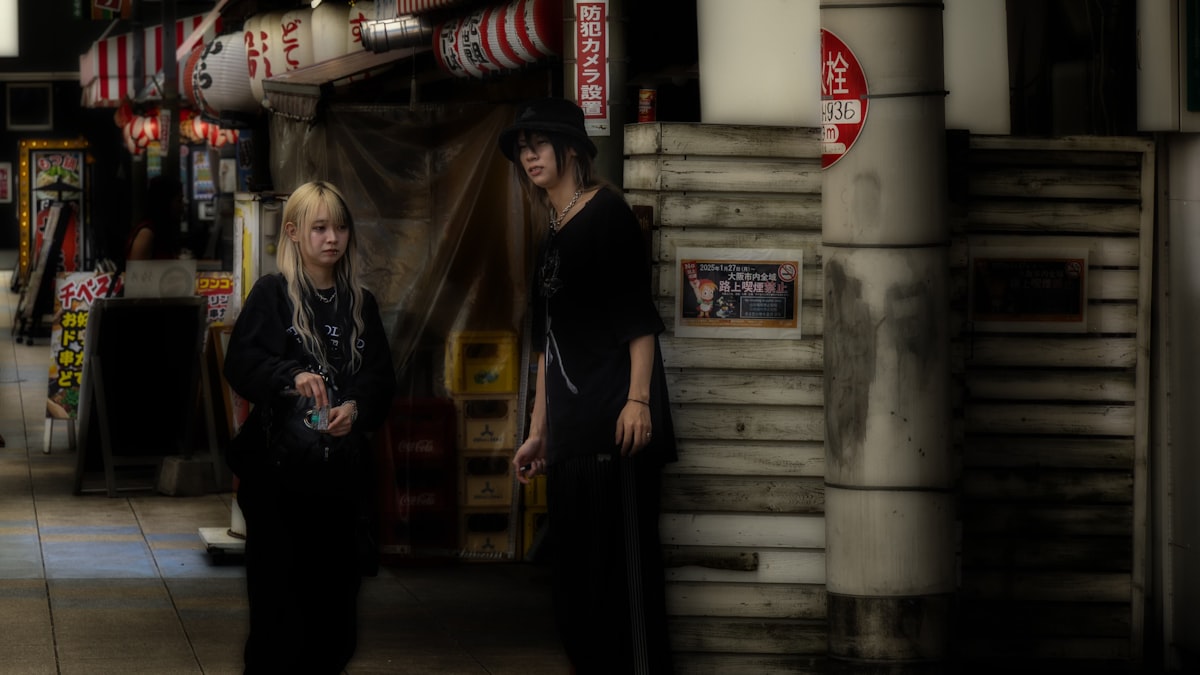
Harajuku is Tokyo’s capital of youth fashion, kawaii culture, and street snacks — a must-wander neighborhood. Here’s how to explore it, from the famous crepes to the calm of Meiji Shrine.
The two sides of Harajuku
- Takeshita Street — the packed, colorful heart of teen fashion, character shops, and rainbow cotton candy.
- Omotesando — the elegant, tree-lined “Champs-Elysees of Tokyo” with flagship stores and striking architecture.
- Ura-Harajuku (Cat Street) — backstreets of independent boutiques, streetwear, and cafes.
What to do
- Street snacks — Harajuku crepes, rainbow treats, and trendy sweets.
- Shopping — from cheap teen fashion to Japanese fashion brands and vintage.
- Meiji Shrine — a serene forest shrine right next door; a beautiful contrast to the buzz.
- Yoyogi Park — great for people-watching, especially on weekends.
Shopping tips
- Takeshita Street is best on a weekday to avoid the crush.
- Hunt vintage in the backstreets; flagship brands line Omotesando.
- Bring your passport for tax-free at larger stores.
- Grab beauty and drugstore buys and J-beauty makeup nearby.
Getting there
Harajuku Station (JR Yamanote line) and Meiji-jingumae drop you right in it. Grab an IC card. It pairs perfectly with neighboring Shibuya — see our Tokyo guide.
Tips
- Go late morning; combine with Meiji Shrine early before the crowds.
- Weekends are peak for street fashion spotting but very busy.
- Cash helps at small stalls — see money in Japan.
What things typically cost
- A Harajuku crepe runs JPY 500-900 depending on toppings; budget an extra crepe or drink stop since the street’s stalls are genuinely part of the experience, not just a photo backdrop.
- Takeshita Street fashion runs cheap — JPY 500-3,000 for most character goods and teen fashion items — while Omotesando’s flagship boutiques sit at full international luxury pricing just a few minutes’ walk away.
- Meiji Shrine and Yoyogi Park are both free, making Harajuku one of the more budget-friendly full-day Tokyo districts if you skip the shopping entirely and focus on people-watching and the shrine grounds.
Common mistakes to avoid
- Visiting Takeshita Street on a weekend afternoon expecting to move freely — it’s one of the most densely crowded streets in Tokyo at peak times; a weekday morning gives a completely different, walkable experience of the same shops.
- Skipping Meiji Shrine because it seems like “just another shrine” — the approach through old-growth forest is a genuinely calming contrast to Takeshita Street’s crowds just a few minutes away, and most visitors are struck by how different the two areas feel.
- Missing Ura-Harajuku (Cat Street) in favor of only the main strips — the backstreets have far better browsing for adult, less character-driven fashion and coffee shops away from the crowds.
A half-day sequencing tip
Visit Meiji Shrine first thing in the morning while it’s quiet and cool, then let the crowds build naturally as you move into Takeshita Street and Omotesando later — doing it in reverse means fighting shrine crowds after they’ve built up from tour groups arriving mid-morning.
Combining with the rest of west Tokyo
Harajuku sits within easy walking distance of both Shibuya and Shinjuku, making it natural to treat as the middle stop of a longer west-Tokyo day rather than a standalone destination — most visitors find one full morning-to-afternoon block here is enough before moving on to the next district’s different energy.