Japan Trove

Category: Tokyo

Tokyo neighborhood guides, day trips, and the best things to do in the capital.

  • Jimbocho: A Book Lover’s Guide to Tokyo’s Secondhand Bookstore District

    Jimbocho: A Book Lover’s Guide to Tokyo’s Secondhand Bookstore District

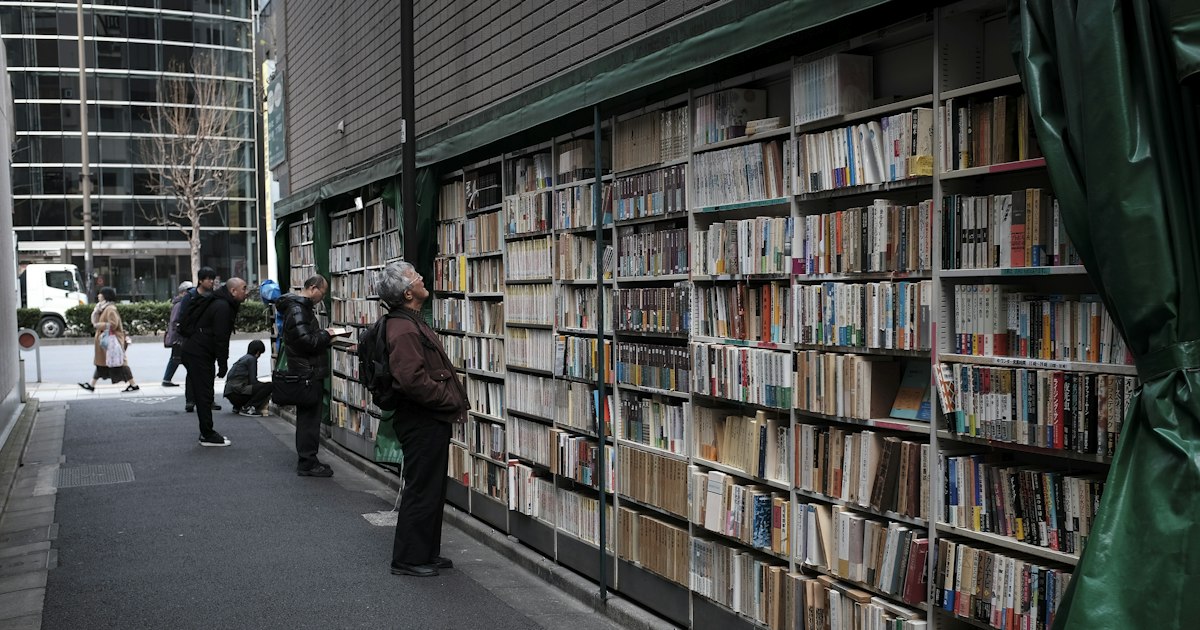
    Photo by Hakan Nural on Unsplash

    Jimbocho (神保町) doesn’t look like much at first glance — a few blocks of low-rise buildings along a busy avenue in Chiyoda ward. But step inside any of the more than 100 secondhand bookstores packed into this small district and you’ll understand why it’s often called the largest concentration of used bookshops anywhere in the world. Some have been run by the same family for four generations, selling everything from 100-yen paperbacks to Edo-period woodblock prints locked behind glass. Even if you can’t read a word of Japanese, it’s one of the most atmospheric neighborhoods in central Tokyo to spend a slow afternoon.

    Getting There

    Jimbocho Station is served by three lines — the Toei Mita Line, Toei Shinjuku Line, and Tokyo Metro Hanzomon Line — so it’s an easy stop no matter which pass you’re using. Exit A7 puts you directly on Yasukuni-dori, the main street where most of the bookstores cluster. Ochanomizu Station (JR Chuo/Sobu Line or Tokyo Metro Marunouchi Line) is also about a 10-minute walk away and worth combining with a visit, since the route between the two stations passes musical instrument shops and a cluster of sporting goods stores that make for good browsing on the way.

    The core shopping area is compact: Yasukuni-dori (the main road, lined with the bigger antiquarian dealers) and Suzuran-dori (a narrower side street one block south, with smaller and quirkier shops) can both be walked end to end in about 15 minutes — though budget at least two to three hours if you actually want to go inside stores.

    How to Browse: Store Types and Prices

    Most shops specialize, and it helps to know roughly what you’re looking for before you start:

    • General used bookstores stock everything from manga to academic titles, with paperbacks commonly priced ¥100–¥800.
    • Kitazawa Bookstore, open since 1902, is the go-to shop for English-language books — antiquarian Western literature, art books, and academic titles, generally ¥1,000–¥10,000 depending on rarity.
    • Isseido Booksellers, one of the oldest shops in the district (since 1913), deals in fine Japanese literature, historical documents, and antiquarian material for serious collectors.
    • Ohya Shobo specializes in original ukiyo-e woodblock prints and antique maps, with prints typically running from around ¥3,000 for common designs into the tens of thousands of yen for well-preserved Hiroshige or Hokusai pieces. If prints are your main interest, it’s worth reading our guide to Japanese woodblock prints (ukiyo-e) before you go, so you know what separates an original from a modern reproduction.
    • Magnif is known for vintage magazines, fashion photography books, and old advertising ephemera — a favorite with designers.

    Most stores open around 10:00–10:30am and close between 18:30 and 19:00. A meaningful number close on Sundays, since foot traffic drops without the weekday office crowd from nearby universities and publishing houses, so a Saturday or weekday visit is more reliable than a Sunday one. Prices are fixed and clearly marked in yen — haggling isn’t part of the culture here, even at the small stalls. Bring cash; while larger shops increasingly take cards and IC cards like Suica, many of the smaller family-run stores are still cash-only.

    The Kanda Book Festival: Best Time to Visit

    If your trip lines up with it, the Kanda Used Book Festival (神田古本まつり) is the single best time to visit. Held annually for about a week in late October to early November along Yasukuni-dori, dozens of shops move discounted stock out onto outdoor tables and stalls, and the street fills with browsers even on weekdays. Exact dates shift year to year, so check closer to your travel dates, but it reliably falls in that autumn window when Tokyo’s weather is also at its most pleasant for walking around outdoors. Outside festival season, weekday afternoons are the quietest and most pleasant time to browse without crowds.

    Beyond Books: Curry and Coffee

    Jimbocho’s other claim to fame is Japanese curry rice. The neighborhood’s proximity to Meiji-era universities meant cheap, filling curry shops sprang up to feed students, and several from that era are still running — Kyoueikan, founded in 1924, is one of the oldest and most famous, serving a thick, dark roux-style curry for around ¥1,000–¥1,300 a plate. Bondy and Manten are two other long-running favorites nearby. If Japanese curry is new to you, our beginner’s guide to kare raisu explains the different regional styles and what to order.

    For a coffee break between shops, Jimbocho has several classic kissaten (retro coffee shops), including Sabouru, a cave-like basement cafe near the station that’s been serving siphon coffee since the 1950s. Our guide to kissaten and what to order is useful background if you haven’t been to one before — the ordering etiquette and menu differ from a modern chain cafe.

    Common Mistakes to Avoid

    • Expecting mostly English stock. The vast majority of inventory is in Japanese. Kitazawa Bookstore is the reliable exception for English titles; don’t assume other shops will have much for non-Japanese readers.
    • Visiting on a Sunday and finding several favorite shops shuttered — check individual store hours if a specific shop is your main target.
    • Trying to see everything in one pass. With 100+ shops, it’s more enjoyable (and less exhausting) to pick two or three streets or store types and go deep rather than trying to walk in and out of every storefront.
    • Assuming prices are negotiable. They’re not — prices are fixed and typically pencilled directly inside the book’s cover.
    • Forgetting how heavy books get. If you buy more than a few, especially large art books or print portfolios, consider shipping them home rather than carrying them for the rest of your trip. Our guide to shipping souvenirs home from Japan compares post office and courier options and pricing.

    Budget, Mid-Range, and Splurge Options

    On a tight budget, the 100-yen carts and bargain bins set up outside many general stores are genuinely worth digging through — you’ll find old photo books, manga volumes, and Japanese paperbacks for less than the price of a coffee. Mid-range shoppers should budget ¥2,000–¥8,000 for a well-preserved English-language antiquarian title from Kitazawa or a decent ukiyo-e reproduction. For a splurge, an original Edo or Meiji-period woodblock print in good condition from a specialist like Ohya Shobo can run ¥20,000–¥100,000 or more — ask the shop for a certificate or documentation of authenticity, since this matters both for insurance and for customs when you travel home.

    Jimbocho rewards unhurried visitors more than almost any other Tokyo neighborhood. There’s no single must-see landmark — the appeal is in the browsing itself, the smell of old paper, and the chance of finding something you didn’t know you were looking for.
  • Omoide Yokocho: How to Crawl Shinjuku’s “Piss Alley” for Yakitori and Beer

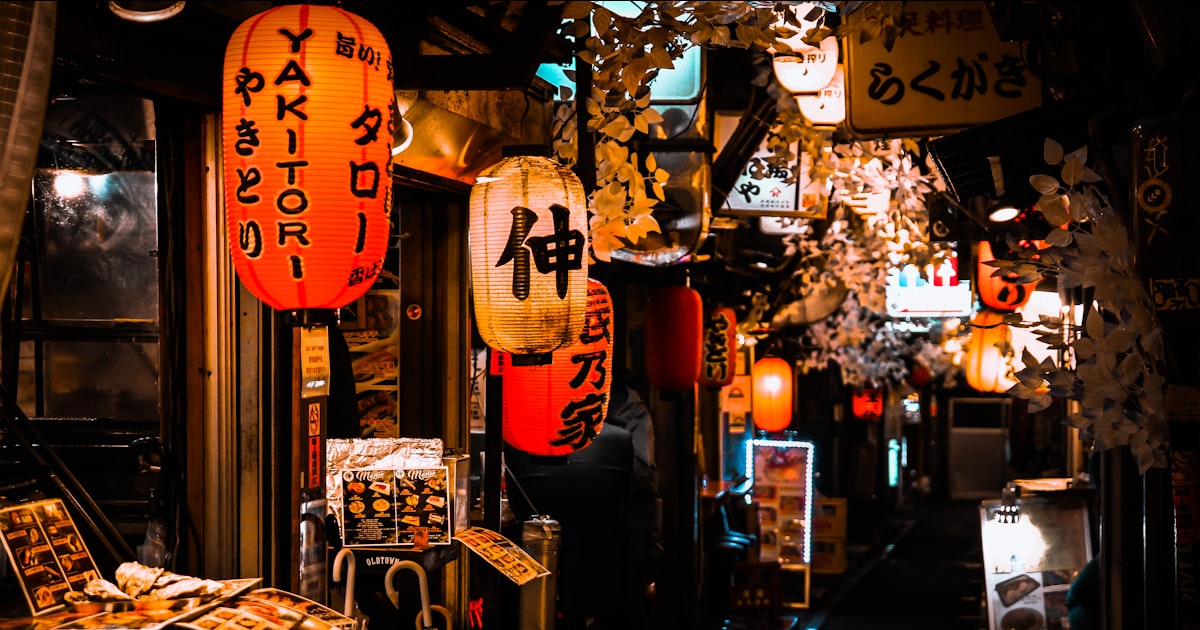
    Omoide Yokocho: How to Crawl Shinjuku’s “Piss Alley” for Yakitori and Beer

    Photo by Pema G. Lama on Unsplash

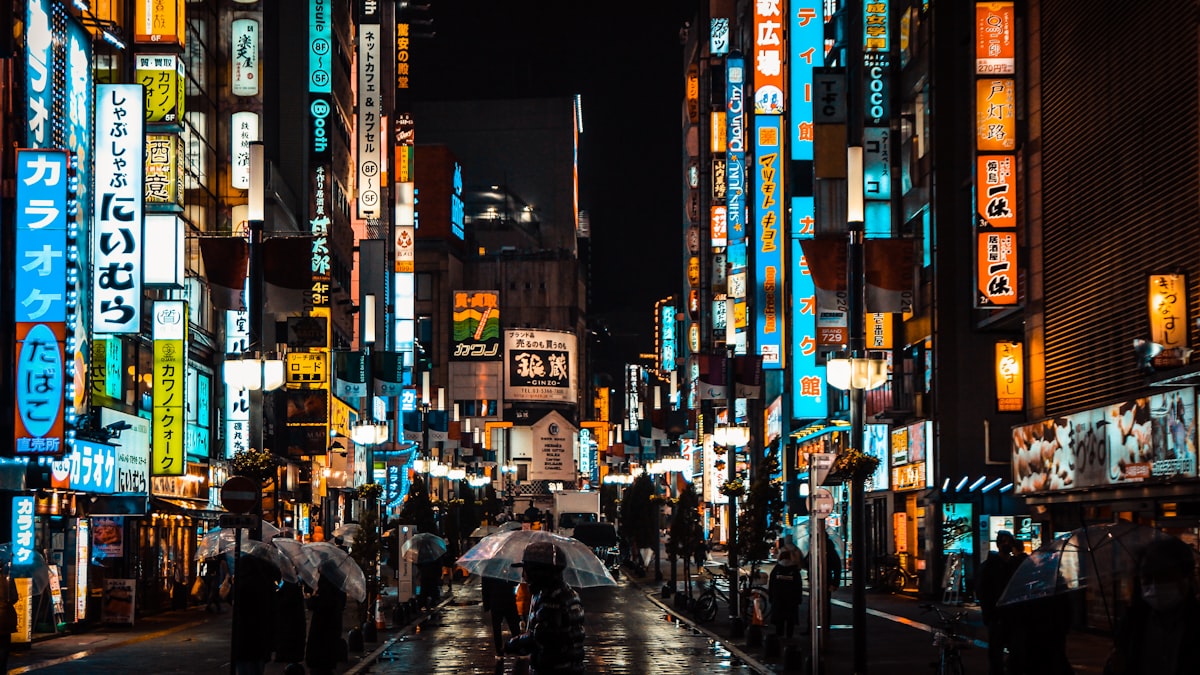
    Wedged between the JR tracks and Yodobashi Camera’s flagship store, Omoide Yokocho is two narrow lanes of yakitori stalls so small that half the seats are just stools facing a grill. Its nickname, Shonben Yokocho (“Piss Alley”), dates back to the postwar black-market years when the area had no public toilets — the name stuck even after the alley cleaned up. It’s touristy now, smoky, and a little cramped, and it’s still one of the best places in Tokyo to eat grilled chicken parts off a stick while a cook two feet away fans the coals. Here’s how to actually do it well.

    What Omoide Yokocho Actually Is

    This is a cluster of roughly 60 tiny stalls (yatai) spread across two covered alleys just northwest of Shinjuku Station’s West Exit, most seating between 4 and 15 people. Almost every stall specializes in some version of yakitori or motsuyaki (grilled offal) — chicken thigh, skin, cartilage, liver, heart, and the beef and pork intestine dishes that give the alley its slightly funky smell. A handful of stalls do ramen, oden, or unagi instead, so it’s not exclusively a chicken-skewer crawl. The area burned down in 1999 and again partially in 2014, and was rebuilt with modern wiring and fire suppression, so despite the retro Showa-era look, the structure itself is new.

    Getting There and Best Timing

    From JR Shinjuku Station, take the West Exit (Nishiguchi) and walk about 2–3 minutes north along the tracks; you’ll see the low wooden entrance signs before you reach Yodobashi Camera’s main building. It’s also a 3-minute walk from Seibu-Shinjuku Station. There’s no gate and no admission — you just duck into whichever stall has an open seat.

    Most stalls open around 3–5pm and run until midnight or later; a few open for a lunch service around 11am–2pm with cheaper donburi or yakitori sets (around ¥800–1,200), which is a good option if you want the atmosphere without the crowds. The alley is loudest and most packed from 7pm to 10pm, especially Friday and Saturday. If you want elbow room to actually enjoy your beer, aim for a weekday between 5pm and 6:30pm, or go for the quieter lunch window. After 10pm on weekends it can be standing-room only in the narrower lane.

    How to Order Like You’ve Done This Before

    Walk the alley once before committing — most stalls post a menu outside, often with photos or English/Chinese translations, and you can see how full each one is. Once you sit, a few things are near-universal: many stalls charge a small seating/table charge (otoshi), typically ¥300–500, sometimes in the form of a small starter dish you didn’t order but do pay for. This isn’t a scam, it’s standard izakaya practice across Japan — just budget for it.

    Skewers (yakitori/motsuyaki) usually run ¥150–450 each depending on the cut, and most people order 2–3 different skewers at a time rather than a big batch all at once, so you can keep pace with your beer. A mug of draft beer (nama biru) is around ¥500–700; highballs and shochu are similar. Cash is still king in the alley — plenty of stalls, especially the smallest ones, don’t take cards or IC cards (Suica/Pasmo), so carry at least ¥5,000–8,000 in cash for a night out. Seats are limited and shared with strangers, so if a stall is full, it’s completely normal to stall-hop rather than wait.

    What to Eat (and What to Skip if You’re Squeamish)

    The classics worth ordering: negima (chicken thigh and leeks), tsukune (chicken meatballs, often with a raw egg dip), kawa (crispy grilled skin), and tebasaki (wings). If you’re feeling adventurous, nankotsu (chicken cartilage) and reba (liver) are good gateway items into the offal side of the menu, before you graduate to motsu (intestines) or hatsu (heart). A few stalls do exotic items like grilled frog or horse — these are the exception, not the rule, and are usually clearly marked.

    If yakitori isn’t your thing, some stalls in the alley grill unagi or serve oden, and it’s worth knowing more broadly what you’re looking at if eel interests you — see our guide to unagi and where to eat it for context on grades and pricing elsewhere in Tokyo. And if the smoke and offal genuinely aren’t for you, Yodobashi Camera’s building and the station concourse have several conveyor-belt sushi options nearby — our kaiten-zushi chain comparison covers what to expect if you’d rather eat sushi than skewers.

    Budget, Mid-Range, and Splurge Nights

    Budget (¥1,500–2,500): One drink, 4–5 skewers, and the seating charge at a standing-only stall. This is enough to get the experience without committing to a full meal.

    Mid-range (¥3,000–5,000): Two rounds of drinks, 8–10 skewers, maybe a bowl of ramen or oden to finish, split across one or two stalls. This is the sweet spot most visitors land on for a proper dinner-and-drinks night.

    Splurge (¥6,000–9,000): A few of the newer, slightly more polished stalls run sake-pairing courses or offer rarer cuts (wagyu skewers, uni add-ons) at proportionally higher prices. Worth it once if you want a step up from the plastic-stool standard.

    Common Mistakes to Avoid

    • Assuming every stall is tourist-friendly. A few smaller counters are effectively regulars-only in practice — if the staff seem hesitant or the menu is handwritten Japanese with no photos, it’s fine to just move to the next stall rather than force it.
    • Not carrying cash. Card and contactless acceptance has improved but is still inconsistent stall to stall; don’t rely on it.
    • Confusing this with Golden Gai. They’re both historic Shinjuku alleys but serve different purposes — Omoide Yokocho is about food and standing-bar yakitori, while Golden Gai across town near Kabukicho is almost entirely tiny themed bars with cover charges and little to no food. If you want both in one night, see our guide to Golden Gai and how to drink there — it’s a 10–15 minute walk from Omoide Yokocho and makes a natural second stop.
    • Expecting to linger for hours at one stall. Seats are scarce and turnover is part of the culture; if there’s a line forming behind you, it’s polite to wrap up after a round or two rather than camp out.
    • Skipping breakfast the next morning. If you overdo the shochu, Shinjuku has several old-school kissaten serving thick coffee and pilaf-style breakfasts that are a good antidote — our guide to kissaten and what to order covers what to look for.

    Omoide Yokocho rewards showing up hungry, curious, and with small bills in your pocket. Go early for a calmer meal, go late for the full smoky, shoulder-to-shoulder atmosphere — either way, it’s one of the few spots in central Tokyo where a five-minute walk from a major train station still feels like stepping into 1955.

  • Golden Gai: Shinjuku’s Tiny Bar Alleys and How to Drink There

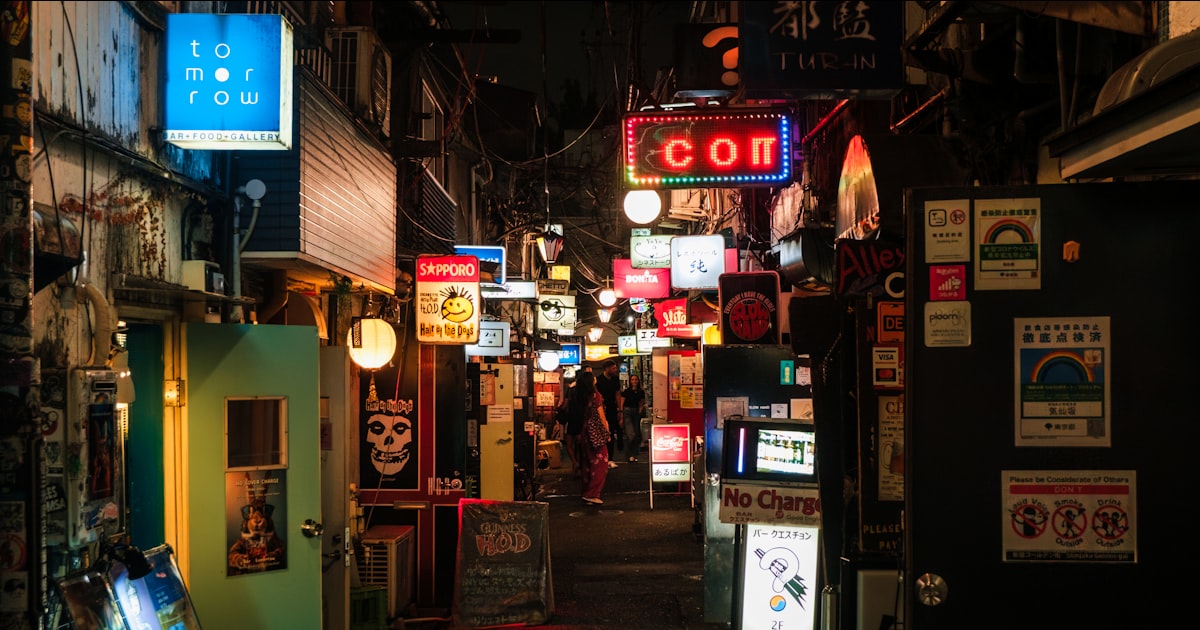
    Golden Gai: Shinjuku’s Tiny Bar Alleys and How to Drink There

    Photo by Mateo Krossler on Unsplash

    Golden Gai is six narrow alleys packed with roughly 200 bars, most no bigger than a closet, tucked into a single block of Shinjuku between the neon chaos of Kabukicho and the quiet grounds of Hanazono Shrine. It survived post-war black-market roots and decades of redevelopment pressure, and today it’s one of the last places in Tokyo where you can still drink shoulder-to-shoulder with a bar owner who’s been pouring the same five seats for thirty years. It’s touristy in places now, but it’s not a theme park — these are real, working bars, and knowing the unwritten rules before you go makes the difference between a great night and an awkward five minutes on the doorstep.

    What Golden Gai Actually Is

    Each “bar” here is typically one room: a counter, five to fifteen stools, and a theme or obsession that the owner (called the mama or master) has built the whole place around — old French New Wave films, punk records, horror movies, Okinawan music, shogi. There’s no single unifying style; the fun is in the variety packed into an area you can walk end-to-end in about five minutes. Most buildings are two storeys, with a second tiny bar stacked directly above the first, reached by a steep, narrow staircase.

    Getting There and Timing Your Visit

    The closest station is Shinjuku Sanchome (Marunouchi, Fukutoshin, or Toei Shinjuku lines) — take exit B2 or B3 and it’s a 3–5 minute walk. From the sprawling JR Shinjuku Station, it’s about a 10–12 minute walk northeast, or you can walk through Kabukicho, which is part of the experience if you don’t mind the touting.

    Most bars open somewhere between 7–8pm and run until 3–5am; a handful open earlier, around 6pm. Golden Gai has almost no daytime life — there’s nothing to see before dark. Go on a weeknight (Tuesday to Thursday) if you want an easier time getting a seat; Friday and Saturday nights get crowded fast, and with only five or six stools per bar, a couple of large groups can fill a place in minutes. Arriving by 8–9pm gives you the best odds before the after-work crowd settles in. There’s no real seasonal angle since everything happens indoors, but summer alleys get uncomfortably humid and packed with smoke, so an air-conditioned bar with the door shut is genuinely a relief in July and August.

    How the Bars Actually Work

    This is the part that trips up first-timers. Almost every bar charges a seat charge (seki-ryo or chaji), typically ¥500–¥2,000 per person, on top of your drinks — this is standard practice, not a scam, and it’s how tiny bars with only a few seats stay in business. It should be posted somewhere near the entrance or on a card at the counter; if you don’t see it, ask “Seki-ryo wa arimasu ka?” before sitting down. Drinks themselves usually run ¥600–¥1,200 for a highball, beer, or simple cocktail.

    Cash is still king. Many bars are cash-only, and Golden Gai is one of the few areas in Tokyo where you shouldn’t assume a card machine exists. Carry at least ¥5,000–¥6,000 for an evening covering two or three bars. Bar-hopping is normal and expected here — nobody stays in one place all night — but each new bar means a new seat charge.

    Some doors have signs reading “jimoto no kata nomi” (local regulars only) or simply look closed even when they’re not. Respect those and move on rather than pushing the door open to check. A good number of bars, especially the more famous ones, are used to foreign visitors and will have English menus or an English-speaking owner — look for small English signage near the entrance as a signal.

    Where to Drink: Budget to Splurge

    • Budget: Look for bars advertising no cover charge or a low flat fee (around ¥500) plus a one-drink minimum. Highball- and beer-focused counters in the Nichome-dori alley tend to be the most casual and welcoming to walk-ins.
    • Mid-range: Themed bars like Albatross (multiple floors, chandeliers, eclectic decor) or the cinema-themed La Jetée run a ¥1,000–¥1,500 seat charge and are well used to tourists, with staff who can chat in basic English.
    • Splurge: A few counters specialize in aged whisky or rare shochu, where a proper pour can run ¥2,000–¥4,000 and the seat charge is higher. If you’re building a serious drinks itinerary in Tokyo, it’s also worth reading our guide to craft beer in Japan for taprooms with a more conventional pricing structure, and our primer on umeshu if you want to order Japan’s plum wine instead of another highball once you’re seated.

    Etiquette and Common Mistakes

    • Don’t walk in with a large group. Five people trying to enter a five-seat bar is a non-starter; split up or find a bigger space. Two or three people is the sweet spot.
    • Ask before sitting, and ask about the charge. A quick “Ii desu ka?” (is it okay?) at the door and a nod from the owner is the norm before you take a stool.
    • Don’t photograph the interior or other patrons without asking. Exterior alley shots are fine and everyone takes them; pointing a phone at the counter is not.
    • Don’t expect food. A few bars serve light snacks, but Golden Gai isn’t for dinner — eat in Kabukicho or Shinjuku first.
    • Check the last train. Shinjuku Sanchome’s last trains run around 12:20–12:40am depending on the line; after that you’re looking at a taxi or an all-nighter until the first trains resume around 5am.

    Beyond the Bars

    If you want a quieter, daytime contrast to Golden Gai’s late-night intensity, Shinjuku’s older, low-rise neighbor Yanaka offers the same sense of old, human-scale Tokyo backstreets but by daylight, with none of the drinking. Hanazono Shrine, right next to Golden Gai, is also worth a quick daytime walk-through before you come back after dark for the bars — it’s a strange, pleasant contrast to duck through torii gates a few steps from where you’ll be squeezing onto a barstool that night.

    Golden Gai rewards curiosity more than planning. Pick an alley, peek through a few doors, and follow whatever theme catches your eye — that’s really the whole method.

  • Shimokitazawa: Tokyo’s Thrift, Vintage & Indie Music Neighborhood

    Shimokitazawa: Tokyo’s Thrift, Vintage & Indie Music Neighborhood

    Photo by ayumi kubo on Unsplash

    Shimokitazawa (locals just say “Shimokita”) is the neighborhood Tokyo sends its art students, musicians, and secondhand-clothing obsessives to live in. Unlike the glossy vintage boutiques of Harajuku’s Cat Street, Shimokita’s shops are packed into a tangle of narrow, low-rise backstreets that feel more like a college town than a capital city. It’s small enough to cover on foot in an afternoon, but dense enough with shops, record stores, and live houses that most visitors end up staying much longer than planned.

    Why Shimokitazawa Is Different

    Shimokitazawa has been Tokyo’s countercultural neighborhood since the 1960s theater and folk-music scene took root here, and that identity has never really faded. What makes it distinct from other shopping districts is the sheer density of independently owned shops rather than chains — vintage clothing, used records, handmade jewelry, and small theaters sit shoulder to shoulder along streets barely wide enough for two people to pass. It rewards wandering more than any single “must-see” address, though the area does have well-known anchor shops that longtime fans return to on every visit.

    Getting There and Timing Your Visit

    Shimokitazawa Station is served by two lines: the Odakyu Odawara Line (about 4 minutes from Shinjuku on an express train, roughly ¥160) and the Keio Inokashira Line (about 5 minutes from Shibuya, roughly ¥140). Both lines take a standard IC card (Suica/Pasmo), so there’s nothing special to plan for on the transit side. Weekday mornings and early afternoons (opening time to around 2pm) are noticeably calmer for browsing vintage racks without a crowd; by Saturday evening the main lanes near the station get genuinely packed. Most shops don’t open until 11:00 or noon and close by 20:00–21:00, so this isn’t a neighborhood for an early-morning visit — treat it as a late-morning-through-evening stop, and pair it with dinner or a live show so you’re not rushing. Spring and autumn are the most comfortable seasons for the outdoor alleys; summer humidity makes the covered arcades near the station a welcome relief.

    Thrift and Vintage Shopping: What to Expect

    Shimokita is Tokyo’s best-known secondhand clothing district, with dozens of shops clustered south and north of the station. Long-running names to look for include Chicago (a multi-floor shop with a strong selection of vintage kimono alongside Americana clothing), Flamingo, New York Joe Exchange (which also buys and sells on the spot), Haight & Ashbury, and several Big Time and Used Mix branches scattered through the side streets. Expect band and graphic T-shirts from roughly ¥1,500–4,000, vintage denim from ¥6,000–25,000 depending on brand and condition, and flight jackets or heavy outerwear often ¥10,000 and up. A common misconception is that Japanese vintage is cheap — it isn’t. Shops here curate and grade condition carefully, and rare or Americana pieces are priced closer to (sometimes above) what you’d pay in the US or Europe. The value is in the selection and condition, not bargain pricing. If you’re also curious about Tokyo’s other major secondhand and collector shopping district, Nakano Broadway covers vintage toys, idol goods, and manga rather than clothing, and makes a good complementary half-day trip.

    Record Shops and Live Music Venues

    Shimokitazawa’s record shops are a big part of its identity. Jet Set and Disk Union both have strong secondhand vinyl and CD selections spanning rock, jazz, and city pop, with used records commonly running ¥500–3,000 and rarer original pressings well beyond that. Flash Disc Ranch is a smaller, denser shop worth digging through if you’re after used vinyl bargains. The neighborhood is equally known for its live houses (small music venues) — Shimokitazawa Club Que and Basement Bar are long-standing spots for indie rock and punk, while Mona Records leans toward folk and singer-songwriter acts. Cover charges (often called a “door charge” or *charge*) typically run ¥2,000–3,500 and frequently include one drink ticket; most venues are cash-only at the door, so carry yen rather than assuming card payment. Shows are usually listed on venue websites or Twitter/X a few weeks ahead — walk-ins are common for smaller weekday shows but riskier for weekend headline acts.

    Bonus Track, Reload, and the New Indie Scene

    Between roughly 2019 and 2022, the Odakyu Line here was moved underground, freeing up a long strip of surface land beside the station. That space became two redevelopment projects, Bonus Track and Reload, filled with small independent shops, bakeries, breweries, and cafes built in a low, open-air style that echoes the neighborhood’s older backstreets rather than replacing them. It’s a good stop if you want a calmer, more curated contrast to the denser vintage lanes, and it’s where several newer craft beer taprooms and natural wine bars have opened. If beer is part of your Japan itinerary, our guide to craft beer in Japan covers taprooms in Tokyo and beyond worth building into a longer crawl.

    Cafes, Bars, and Fueling Up

    Shimokita has a dense concentration of small cafes and standing bars rather than large restaurants, which suits its walk-and-graze rhythm. Budget travelers can eat well here: curry shops and ramen counters serve full meals for ¥800–1,200, and the neighborhood’s many small izakaya (some seating under ten people) are ideal for an early evening drink and small plates before a live show. For a splurge, look toward the sit-down restaurants around Reload, where dinner with drinks runs ¥4,000–6,000 per person. If you’re coming from another older Tokyo neighborhood on your itinerary, Shimokita’s energy is a useful contrast to somewhere like Yanaka, Tokyo’s quieter old shitamachi district — pairing the two on different days gives a good sense of how differently Tokyo’s neighborhoods have aged.

    Common Mistakes to Avoid

    • Arriving too early. Most shops open at 11:00–12:00; showing up at 9am means empty streets and shuttered storefronts.
    • Expecting steep discounts. Curated vintage is priced for its condition and rarity, not as a bargain bin — bring realistic expectations, especially for Americana and denim.
    • Not carrying cash. Many smaller vintage shops, record stores, and live house doors are cash-only; ATMs at the station’s convenience stores are the easiest backup.
    • Skipping the side streets. The most interesting small shops are often one block off the main pedestrian lanes near the station, not directly on them.
    • Treating it as a quick stop. Shimokita rewards slow, unplanned wandering far more than a checklist of specific addresses — budget at least three to four hours.

    Shimokitazawa doesn’t have a single landmark that defines a visit the way a temple or tower might elsewhere in Tokyo — its appeal is cumulative, built from an afternoon of digging through record bins, trying on secondhand jackets, and ending the night at a small live house. Come with an open afternoon, cash in your wallet, and no fixed shopping list, and it tends to deliver more than neighborhoods with a bigger reputation.

  • Kappabashi Kitchen Town: Tokyo’s Restaurant Supply Street and What to Buy

    Kappabashi Kitchen Town: Tokyo’s Restaurant Supply Street and What to Buy

    Photo by Louie Martinez on Unsplash

    Between Asakusa and Ueno sits a street most tourists walk past without noticing it’s there — until they spot a giant golden chef’s head grinning down from a rooftop. That’s Kappabashi Dogu Suji, better known as Kappabashi Kitchen Town, a roughly 800-meter strip of shops that has supplied Tokyo’s restaurants, hotels, and food stalls with everything from sushi knives to plastic tempura since the early 20th century. It’s not a tourist market dressed up for visitors — it’s a working trade street where chefs still stock their kitchens — which is exactly why it’s worth a couple of hours if you care about Japanese cooking, design, or just want souvenirs that aren’t keychains.

    What Kappabashi actually is

    Kappabashi runs along Kappabashi Dogu Suji between Asakusa-dori and Kototoi-dori, lined with roughly 150 specialist shops. Each one tends to sell exactly one category of thing: a knife shop sells only knives, a ceramics shop only tableware, a signage shop only noren curtains and lanterns. This specialization is the whole appeal — instead of a general souvenir shop with a shelf of “Japanese knives,” you get a shop where the owner has sharpened knives for 40 years and will talk you through blade steel for ten minutes if you let them.

    The street’s unofficial mascot is the enormous white chef’s head statue on top of the Niimi Corporation building near the Kototoi-dori end — it’s the easiest landmark to navigate by and a popular photo stop.

    How to get there

    The closest station is Tawaramachi on the Ginza Line, about a 5-7 minute walk to the start of the shopping street. It’s also an easy 15-20 minute walk from Asakusa Station (handy to combine with a visit to Senso-ji) or from Ueno Station. If you’re staying near Ueno or Asakusa, there’s no need to bother with buses or taxis — walking is simplest, and it’s a good way to pass through quieter backstreets on the way. If you’re basing yourself further out and traveling around Japan by long-distance bus rather than the Shinkansen, see our guide to overnight buses in Japan for budget options into Tokyo.

    Opening hours and best timing

    Most shops open around 9:00-10:00am and close between 5:00 and 6:00pm. A meaningful number of shops close on Sundays, since this is a trade street built around restaurant supply chains rather than weekend shopping — Tuesday through Saturday mornings are the most reliable time to find everything open. Arrive by early afternoon to have real browsing time before shutters start coming down.

    If you can time your visit for early-to-mid October, look out for the annual Kappabashi Dogu Matsuri (tool festival), when the street strings up decorations, some shops run discounts, and the atmosphere is livelier than usual. Outside of that, any season works — this is an indoor, shop-to-shop street, so it’s a good rainy-day or extreme-heat option compared to an outdoor market. If you’re visiting in the muggier months, our guide to Japan in summer has tips on managing the heat between stops.

    What to buy

    Knives. This is Kappabashi’s headline category. Kama-asa Shoten is one of the best-known shops on the street, with cutlery running from workaday kitchen knives to serious hand-forged pieces, plus engraving service for gifts. Expect roughly ¥3,000-8,000 for a solid entry-level Japanese kitchen knife (a santoku or nakiri is a good all-rounder for home cooks), ¥15,000-50,000 for professional-grade steel, and beyond ¥50,000 for damascus or custom-forged blades. Bring your passport — many shops offer tax-free purchases on top of ¥5,000, and reputable shops will wrap blades for flight travel, but always pack knives in checked luggage, never carry-on.

    Plastic food samples (sampuru). Kappabashi is the historic center of Japan’s fake-food industry, the hyper-realistic plastic dishes displayed in restaurant windows nationwide. Shops like Maizuru sell everything from a single ¥500-1,500 sushi-piece keychain or magnet to full plates of “tempura” or “ramen” for ¥3,000-15,000, and some stores let you try a hands-on workshop to make your own tempura or lettuce piece for around ¥2,000-4,000 — a genuinely fun, kid-friendly activity.

    Ceramics and tableware. Donburi bowls, sake cups, plates, and serving dishes in both mass-produced and handmade styles, often cheaper than equivalent pieces sold as souvenirs elsewhere in Tokyo. If you want to go deeper into Japanese ceramics at the source rather than buying retail, our guide to Arita and Imari’s porcelain towns covers the production regions themselves.

    Bento boxes, tools, and small kitchen gear. Lacquered and plastic bento boxes, rice paddles, graters, molds, and copper tamagoyaki pans are all here at trade prices — a nice pairing if you’ve gotten interested in Japan’s bento culture after reading about station bento (ekiben) on the rails.

    Noren, lanterns, and shop signage. Fabric curtains and paper lanterns in traditional patterns, sold both as functional shop items and as decor souvenirs, typically ¥2,000-8,000 for a noren depending on size and fabric.

    Budget, mid-range, and splurge picks

    • Budget: a food-sample keychain or magnet (¥500-1,500), a basic paring or utility knife (¥2,000-4,000), or a single ceramic rice bowl (¥800-2,000).
    • Mid-range: a quality santoku knife (¥8,000-20,000), a copper tamagoyaki pan (¥5,000-10,000), or a full plastic food display piece (¥5,000-10,000).
    • Splurge: a hand-forged, custom-engraved chef’s knife from a specialist shop (¥30,000-80,000+), built to last decades with proper care.

    Common mistakes to avoid

    Don’t visit on a Sunday expecting everything open — you’ll find some shops shuttered and miss the specialists you came for. Don’t assume every knife shop offers tax-free processing or sharpening on the spot; ask before you commit, since policies vary shop to shop. Don’t pack a purchased knife in carry-on luggage — it will be confiscated at security, so plan to check your bag or ship the knife home separately if you’re traveling on to another city by air. And don’t rush through in twenty minutes — the value here is in the specialist shops, and a fast walk-through will just look like a slightly odd hardware street.

    Kappabashi pairs naturally with a wider wander through old-town Tokyo: it sits close to the low-rise, backstreet character of Yanaka’s shitamachi neighborhood, and if you’ve shopped a kitchen street like this before, it’s a fun comparison to Kyoto’s food-focused Nishiki Market — one sells the tools, the other sells what you’d cook with them.

  • Yanaka: Tokyo’s Old Shitamachi Neighborhood — Cats, Senbei & Backstreets

    Yanaka: Tokyo’s Old Shitamachi Neighborhood — Cats, Senbei & Backstreets

    Photo by Y Y on Unsplash

    Why Yanaka Feels Different From the Rest of Tokyo

    Most of central Tokyo was flattened twice in the 20th century — first by the 1923 Great Kanto Earthquake, then by the firebombing raids of 1945. Yanaka, along with its neighbors Nezu and Sendagi (together nicknamed “Yanesen”), largely escaped both. The result is a district of narrow lanes, wooden houses, small temples, and family-run shops that still operate the way they did a century ago. There’s no single blockbuster attraction here — no castle, no five-story pagoda dominating the skyline — which is exactly why it rewards slow walking. You come to Yanaka to wander, not to check off a landmark.

    It’s also become known, somewhat unofficially, as Tokyo’s cat neighborhood. Between the old cemetery, the low rooftops, and a population of residents who feed and tolerate them, stray and semi-stray cats have become a genuine local identity, showing up on shop signs, snacks, and souvenirs throughout the area.

    Getting There and When to Go

    The easiest approach is Nippori Station (西日暮里/日暮里), reachable directly on the JR Yamanote Line and JR Keihin-Tohoku Line, about 20 minutes from Tokyo Station and 5 minutes from Ueno. Nippori is also a stop on the Keisei Line, so travelers arriving via the Keisei Skyliner from Narita Airport can detour into Yanaka with luggage in tow before checking into a hotel, though coin lockers at the station make that easier. From Nippori’s north exit, it’s about a 5-minute walk to the start of the main shopping street. Sendagi Station on the Chiyoda Line is a second option if you’re coming from Omotesando or Otemachi. If you haven’t used Tokyo’s rail system before, it’s worth reading up on how to get around Tokyo before you go, since Yanaka involves a mix of JR and subway lines depending on where you’re staying.

    Go on a weekday morning if you can — Yanaka Ginza gets genuinely crowded on weekend afternoons, with tour groups filling the narrow street. Weekday visits between 10:00 and noon are far more pleasant. Late afternoon, around 16:00–17:00, is the other sweet spot: this is when the neighborhood’s famous sunset staircase earns its name. Cherry blossom season (typically late March to early April) is the single busiest period, since Yanaka Cemetery is one of Tokyo’s best low-key hanami spots — see our guide to Japan in spring for bloom timing if you’re planning around it.

    Yanaka Ginza: The Sunset Stairs to Senbei and Cat Everything

    The heart of the district is Yanaka Ginza, a roughly 170-meter pedestrian shopping street lined with about 70 small shops. You reach it by descending Yuyake Dandan (“Sunset Steps”), a short staircase that frames a postcard view down into the street, especially striking around golden hour. Most shops here open around 10:00 and close by 19:00, though hours vary by owner and a fair number close one day a week (often Wednesday), so don’t build your whole visit around one specific store.

    Senbei (rice crackers) are the street’s signature snack. Several old-fashioned senbei shops grill crackers to order right in the doorway, filling the street with the smell of soy sauce and toasted rice; expect to pay roughly ¥150–400 depending on size and flavor, sold loose by the piece or in small gift bags. For something sweeter, look for Yanaka Shippoya, known for cat-tail-shaped imagawayaki (a thick, pan-fried cake similar to dorayaki) for around ¥250–300 each — it’s one of the more photographed food stalls on the street, but the queue rarely takes more than a few minutes on weekdays. If you want a broader primer on Japanese snack culture before you go, our street food guide covers what else to look for on streets like this one.

    Yanaka Cemetery: Cherry Blossoms and Quiet Backstreets

    A five-minute walk from Yanaka Ginza brings you to Yanaka Reien, a sprawling public cemetery that doubles as one of the area’s most atmospheric public spaces. It’s free to enter and open all day, though it’s a working cemetery, so keep voices down and don’t treat gravesites as photo props. The central cherry-tree-lined avenue is a popular but far less crowded alternative to Ueno Park during hanami season, and the grounds are pleasant to walk through even outside bloom, since the old stone lanterns, moss-covered graves, and resident cats give it a genuinely calm, almost rural feel in the middle of the city. The last Tokugawa shogun, Yoshinobu, is buried here, along with several other notable historical figures. Tennoji Temple, at the edge of the cemetery, has a large seated bronze Buddha dating to the early 1700s that survived the era’s disasters largely intact.

    Beyond the Main Street: Temples, Galleries and Old Kissaten

    Yanaka rewards ducking off the main street more than almost anywhere else in Tokyo. Within a 10–15 minute walk of Yanaka Ginza you’ll find dozens of small temples (the area has over 70), quiet residential lanes, and a handful of small museums and galleries worth the detour:

    Asakura Museum of Sculpture, the former home and studio of sculptor Fumio Asakura, is built around a striking interior garden courtyard and costs around ¥500 to enter; it’s typically closed Mondays and Thursdays, so check before you walk over. SCAI The Bathhouse is a contemporary art gallery installed in a converted 200-year-old sento (public bathhouse) — entry is usually free, and it’s a good stop if you’re already interested in bathhouse culture; for context on how sento differ from onsen, see our guide to super sento. For a coffee break, Kayaba Coffee occupies a beautifully preserved early-1900s wooden building and serves coffee for around ¥600–700; it gets busy on weekends, so aim for a weekday visit.

    What to Buy: Senbei, Cat Goods and Paper Crafts

    Beyond senbei, Yanaka’s other classic purchase is washi (traditional paper) goods from Isetatsu, a chiyogami paper shop founded in 1864 that’s still making and selling block-printed paper crafts — small items like paper boxes, fans, and origami sheets start around ¥300–500, with larger boxed sets running into the thousands of yen. If you’re building out a broader interest in traditional Japanese sweets while you’re in the area, the shops along Yanaka Ginza and Nezu sell wagashi alongside the senbei; our beginner’s guide to wagashi is useful background if you want to know what you’re looking at before buying. Cat-themed goods — magnets, tote bags, small ceramic figures — are sold from souvenir stalls throughout the street, generally in the ¥300–1,500 range depending on the item; quality varies a lot stall to stall, so it’s worth browsing two or three before buying rather than grabbing the first cute thing you see.

    Common Mistakes and Practical Tips

    The most common mistake is treating Yanaka as a 30-minute stop between other Tokyo sights. The neighborhood is small on a map but slow in practice — the backstreets, not the main shopping street, are the actual point, and rushing through Yanaka Ginza alone will make it feel like a slightly quainter version of any other Tokyo shopping street. Budget at least two hours, and ideally a half day if you want to include the cemetery and a museum.

    Second, don’t assume every shop takes cards — many of the older senbei and craft shops in Yanaka are cash-only or IC-card-only (Suica/Pasmo), so carry some cash. Third, if you’re visiting specifically for cats, know that they’re wild or semi-feral animals living around a cemetery and temple grounds, not a curated attraction — feeding them, especially without knowing local rules, is discouraged, and sightings can’t be guaranteed on any given day. Finally, avoid weekend early afternoons if you can; the single narrow street of Yanaka Ginza becomes a slow shuffle of tour groups from around midday Saturday and Sunday, which undercuts exactly the unhurried atmosphere that makes the area worth visiting in the first place.

  • Studio Ghibli in Japan: Museum & Park Guide

    Studio Ghibli in Japan: Museum & Park Guide

    Some links below are affiliate links. If you book through them, Japan Trove may earn a small commission at no extra cost to you.

    For Studio Ghibli fans, Japan has two magical destinations: the whimsical Ghibli Museum in Tokyo and the sprawling Ghibli Park near Nagoya. Here’s how to visit both — and why booking ahead is essential.

    Ghibli Museum (Mitaka, Tokyo)

    • An intimate, enchanting museum full of Ghibli art, a rooftop robot, a mini cinema, and playful details.
    • Tickets are date- and time-specific and must be bought in advance — they sell out fast and are not sold at the door.
    • In Mitaka, a short trip from central Tokyo; see our Tokyo guide.

    Ghibli Park (near Nagoya)

    • A larger park with beautifully recreated film settings (no big thrill rides — it’s about atmosphere and detail).
    • Timed tickets in advance only; different areas may need separate tickets.
    • Near Nagoya, easy from Tokyo or Kyoto on the shinkansen.

    Booking tips (read this!)

    • Both require advance, dated tickets — plan around availability before fixing your dates.
    • Tickets are released on a schedule (often monthly) and go quickly — set a reminder.
    • Compare tour/ticket options on Klook .

    For fans

    Grab Ghibli goods at official shops and Don Quijote; more character shopping in our gifts guide. Traveling with kids? See Japan with kids.

    What tickets cost & when they’re released

    • Ghibli Museum tickets cost a flat JPY 1,000 for adults (less for children) and are released on the 10th of each month at 10am Japan time for the following month — they can sell out within hours for popular dates.
    • Ghibli Park tickets range roughly JPY 1,000-3,500 depending on which areas you enter, sold in timed slots and released about a month ahead through the official ticketing site.
    • Neither venue sells same-day tickets at the gate, so budget-wise the main “cost” to plan around is the advance booking window, not the ticket price itself.

    Common mistakes to avoid

    • Fixing your Tokyo dates before checking Ghibli Museum availability — popular dates (weekends, holidays) can be gone within the first hour of release; if this is a trip priority, check availability before locking flights.
    • Assuming Ghibli Park has rides like a typical theme park — it’s built around walking through detailed film-set recreations, so pace expectations accordingly and don’t expect a full day of attractions in the theme-park sense.
    • Booking third-party resale tickets at a markup instead of trying the official release windows first.

    Making a full day of Ghibli Park

    Ghibli Park sits inside a large public park near Nagoya, so budget transit time getting out from central Nagoya, then plan on 4-6 hours to see the main areas without rushing. Combine it with a stop at Nagoya Castle or the city’s famous miso-based food scene if you’re making the trip from Tokyo or Kyoto worthwhile beyond the park itself.

    Visiting with kids

    Both venues work well for families — the Ghibli Museum’s playful, hands-on exhibits suit younger children especially well, while Ghibli Park’s spread-out walking paths give kids room to explore. See our Japan with kids guide for more on pacing a family itinerary around timed-ticket attractions like these.

  • Asakusa Guide: Senso-ji, Old Tokyo & Skytree

    Asakusa Guide: Senso-ji, Old Tokyo & Skytree

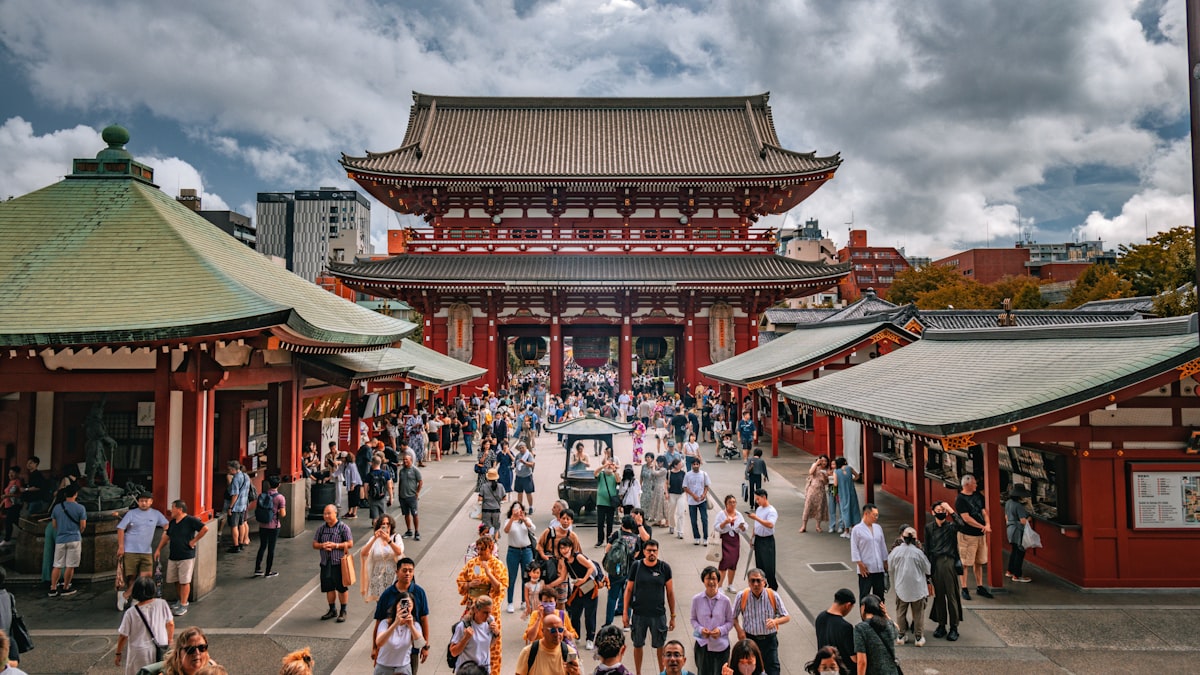
    Asakusa is old Tokyo — home to the city’s most famous temple, rickshaws, traditional snacks, and craft shops. It’s the go-to district for a taste of pre-modern Japan. Here’s how to visit.

    What to see

    • Senso-ji — Tokyo’s oldest and most famous temple, with the giant red Kaminarimon “Thunder Gate” lantern.
    • Nakamise-dori — the bustling shopping street leading to the temple, full of snacks and souvenirs.
    • Tokyo Skytree — the towering broadcast tower is a short walk/ride away, with observation decks.
    • Sumida River — take a scenic river cruise from here toward Odaiba.

    Traditional experiences

    • Rent a kimono and stroll the old streets — see our kimono & yukata guide.
    • Rickshaw ride with an English-speaking puller.
    • Street snacks — melonpan, ningyo-yaki, senbei; more in must-try food.

    Shopping

    • Nakamise-dori for classic souvenirs (fans, chopsticks, yukata).
    • Nearby Kappabashi — the kitchenware street for knives and realistic food samples; see Japanese knives.

    Getting there & tips

    • Asakusa Station (several lines) — grab an IC card.
    • Go early morning to see Senso-ji before the crowds and get better photos.
    • Great half-day; pair with Skytree or a river cruise. See our Tokyo guide.

    What things cost in Asakusa

    • Senso-ji itself is free to enter; a rickshaw ride runs JPY 4,000-10,000 depending on length and number of passengers, priced per rickshaw rather than per person, which makes it more economical for pairs.
    • Nakamise-dori snacks run JPY 200-500 each — budget JPY 1,500-2,000 to graze your way down the street trying several without committing to a sit-down meal.
    • A basic kimono rental for a few hours runs JPY 3,000-6,000, while a full-day higher-end set with hair styling can run JPY 8,000-15,000.

    Common mistakes to avoid

    • Arriving at Senso-ji at midday — it’s one of the most visited sites in Japan and gets genuinely crowded by 10am; an early-morning visit (before 8am) gives you a completely different, peaceful experience of the same temple.
    • Skipping the smaller side streets around Nakamise — the main strip is the most crowded and touristy part of Asakusa; the quieter lanes just off it often have better craft shops and more authentic old-Tokyo atmosphere.
    • Not checking Skytree ticket tiers before buying — the lower Tembo Deck is meaningfully cheaper than the higher Tembo Galleria and offers a nearly identical view for most visitors.

    Combining with a river cruise

    A Sumida River cruise from near Azumabashi Bridge toward Odaiba or Hama-rikyu Gardens gives a completely different view of Tokyo than the street-level Asakusa experience, gliding past the Skytree and under a series of distinctive bridges — a relaxing way to transition from old Tokyo to the modern waterfront without another train ride.

    Kappabashi for cooks and collectors

    The kitchenware street just north of Senso-ji is worth a dedicated stop even if you’re not shopping for a knife — the shockingly realistic plastic food samples (sampuru), used as restaurant window displays across Japan, make an unusual and genuinely fun souvenir that photographs well and packs better than you’d expect.

  • Shinjuku Guide: Skyscrapers, Nightlife & Gardens

    Shinjuku Guide: Skyscrapers, Nightlife & Gardens

    Shinjuku packs skyscrapers, neon nightlife, tranquil gardens, and the world’s busiest station into one district. It’s overwhelming and wonderful — here’s how to navigate it.

    What to see & do

    • Tokyo Metropolitan Government Building — free observation decks with panoramic city (and Fuji on clear days) views.
    • Shinjuku Gyoen — a gorgeous large garden, stunning in cherry blossom season.
    • Omoide Yokocho — “memory lane,” a nostalgic alley of tiny yakitori bars.
    • Golden Gai — a warren of tiny themed bars (some have cover charges/regulars-only).
    • Kabukicho — the famous nightlife/entertainment quarter (lively; stay aware at night).

    Shopping

    • Huge department stores and electronics giants (Yodobashi, Bic Camera) — see our electronics guide.
    • Don Quijote and countless fashion floors; bring your passport for tax-free.

    Navigating Shinjuku Station

    It’s the world’s busiest station with dozens of exits — note your exit name (e.g., “South” or “East”) rather than just the line. Grab an IC card and allow extra time when transferring.

    Tips

    • The free government-building observatory is a great budget alternative to paid decks.
    • Golden Gai is best late evening; some bars welcome tourists, others are locals-only — look for English-friendly signs.
    • Combine with nearby Harajuku and Shibuya; see our Tokyo guide.

    What things cost

    • The Tokyo Metropolitan Government Building’s observation decks are free — one of the best value-for-money views in the entire city, rivaling paid decks that charge JPY 2,000-3,000 elsewhere.
    • Omoide Yokocho yakitori skewers run JPY 150-350 each; a satisfying meal of several skewers and a drink runs JPY 2,000-3,000 per person in the tiny, atmospheric alley bars.
    • Golden Gai bars often charge a cover fee (JPY 500-1,500) on top of drink prices — ask before sitting down if a bar doesn’t post pricing, since policies vary widely bar to bar.

    Common mistakes to avoid

    • Wandering into a Golden Gai bar without checking for tourist-friendly signage — some of the tiny bars are genuinely locals/regulars-only and may turn away walk-ins; those welcoming visitors usually post English menus or signs near the door.
    • Losing track of which Shinjuku Station exit you need — with over 200 exits across the station complex, using a specific named exit (not just “Shinjuku Station”) in directions and maps saves real confusion.
    • Visiting Kabukicho alone late at night without normal city caution — it’s generally safe but has more aggressive touting than most of Tokyo; politely declining and continuing to walk is the standard, effective response.

    A one-day Shinjuku plan

    Morning at the free observatory for clear-day Fuji views, a relaxed midday walk through Shinjuku Gyoen, an early evening browse of the electronics and department stores, dinner in Omoide Yokocho, and a late-evening bar or two in Golden Gai if that scene appeals — a full, varied day without leaving one district.

    Shinjuku as a transit hub for day trips

    Shinjuku Station is also the departure point for several popular day trips, including direct buses and trains to Kawaguchiko and Hakone — if your itinerary includes a Fuji-area excursion, basing your hotel near Shinjuku can simplify those early-morning departures considerably.

  • Shibuya Guide: Crossing, Shopping & Nightlife

    Shibuya Guide: Crossing, Shopping & Nightlife

    Shibuya is Tokyo at its most electric — the famous scramble crossing, neon, shopping, and nightlife. Here’s how to make the most of this must-visit district.

    The essentials

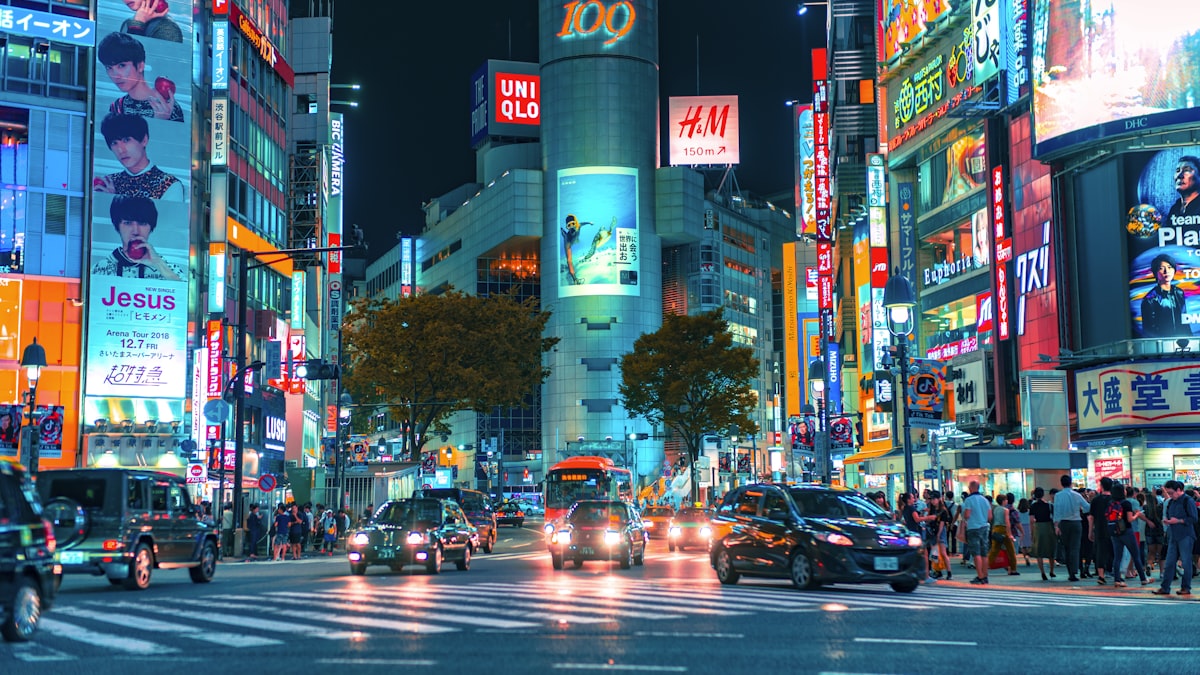
    • Shibuya Crossing — the world’s busiest pedestrian crossing; watch it from the Starbucks or a viewing deck.
    • Hachiko statue — the famous loyal-dog meeting spot outside the station.
    • Shibuya Sky — a stunning open-air rooftop observation deck (book ahead).
    • Shibuya Scramble Square & Hikarie — shopping and city views.

    Shopping

    • Shibuya 109 — iconic youth-fashion tower.
    • Don Quijote — souvenirs and everything else; see our Donki guide.
    • Loft & department stores for lifestyle goods.
    • Nearby Harajuku is a short walk for more shopping.

    Food & nightlife

    • Nonbei Yokocho — a tiny alley of atmospheric bars.
    • Center Gai — packed with cheap eats and izakaya.
    • Everything from ramen to izakaya; see must-try Japanese food.

    Getting there & tips

    • Shibuya Station is a major hub — grab an IC card; the station is famously complex, so allow time.
    • The crossing and Shibuya Sky are best at dusk when the neon lights up.
    • Combine with Harajuku and Yoyogi Park for a full day; see our Tokyo guide.

    What things cost

    • Shibuya Sky costs JPY 2,000-2,500 for adults (advance online tickets are usually a bit cheaper than same-day); sunset time slots sell out first and are worth booking days ahead.
    • A meal at one of Center Gai’s casual chains runs JPY 800-1,500; Nonbei Yokocho’s tiny bars typically charge JPY 500-1,000 per drink with a modest table charge at some spots.
    • Shibuya 109’s stock skews toward Japanese youth fashion brands not widely sold abroad, with prices generally in line with mid-range fast fashion (JPY 2,000-8,000 per item).

    Common mistakes to avoid

    • Trying to photograph the crossing from ground level during peak times — the crowd itself blocks most good shots; the Starbucks second floor or Shibuya Sky’s lower observation areas give a much better angle without fighting the crowd for space.
    • Booking Shibuya Sky for a midday slot expecting the famous glowing city view — the sunset and post-sunset slots are dramatically more atmospheric than a daytime visit, and they cost the same.
    • Assuming Shibuya 109 has plus-size or larger Western sizing widely available — sizing runs smaller than many Western brands; trying items on before buying is worthwhile rather than assuming based on your usual size.

    Pairing with a Harajuku-Shibuya day

    Shibuya connects directly to Harajuku via a 10-15 minute walk through the backstreets of Cat Street, making it easy to combine Meiji Shrine’s forest calm, Harajuku’s youth fashion, and Shibuya’s energy into one well-paced day that moves from quiet to loud rather than the reverse.

    Late-night Shibuya

    The area around the station stays lively well past midnight, with izakaya and ramen shops that keep serving into the early hours — a useful thing to know if your flight schedule or jet lag has you wide awake at 1am and hunting for a hot meal, which is a genuinely normal thing to do in this part of Tokyo.