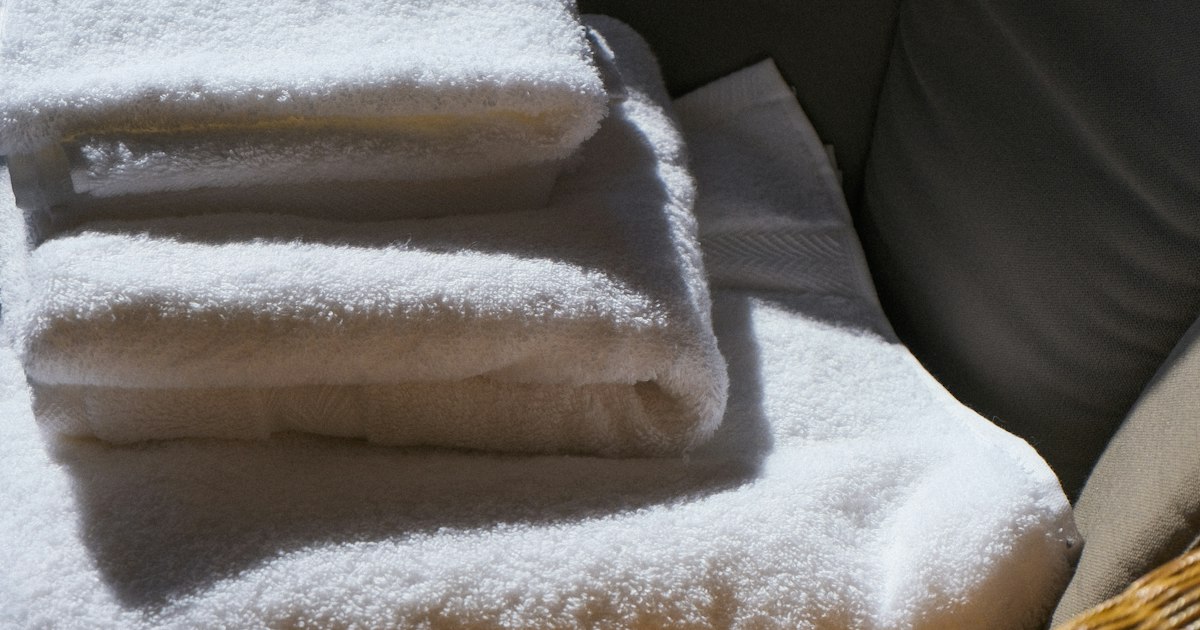
Photo by Mads Leif Hansen on Unsplash
If you’ve ever used a towel in a nice Japanese hotel and wondered why it felt so different from the ones at home, there’s a decent chance it was made in Imabari. This small city on the island of Shikoku has been Japan’s towel-making capital for over a century, and “Imabari Towel” (今治タオル) is now a protected regional brand that Japanese shoppers treat the way others treat a wine appellation. Here’s what makes them worth seeking out, what they cost, and where to actually buy them—whether you’re flying through Tokyo or making the trip to Imabari itself.
Why Imabari Towels Are Different
Imabari, in Ehime Prefecture, has been producing cotton textiles since the 1890s, when local weavers adopted advanced dyeing and jacquard-loom techniques that let them make denser, more absorbent towels than other regions. The industry nearly collapsed in the 1990s and 2000s under pressure from cheap imports, but a 2006 rebrand—complete with a certification logo and strict quality standards—turned “Imabari Towel” into a premium label again.
To legally carry the Imabari Towel logo (a red sun-and-wave mark with a registration number), a towel must be woven in Imabari and pass an absorbency test: a swatch floated on water has to sink within about five seconds, pulled down by how quickly the cotton loops soak up moisture. Mass-market towels often repel water for several seconds before absorbing anything. This is also why the color is usually undyed or lightly dyed—heavy processing and chemical softeners reduce absorbency, so Imabari makers tend to keep finishing minimal.
What to Buy and What It Costs
Prices vary a lot depending on brand and weight (measured in grams per towel), so it helps to think in three tiers:
- Budget (¥500–1,500): Basic certified hand towels and washcloths from general Imabari Towel–affiliated makers. Fine for everyday use and easy gifts.
- Mid-range (¥2,000–5,000): Bath towels and gift sets from known brands like Minoru Towel, Yoshida’s “Orim,” or Kontex (made by Fuji Towel Industry). This is the sweet spot for a souvenir that actually performs noticeably better than a standard towel.
- Splurge (¥4,000–10,000+): Organic cotton lines, especially Ikeuchi Organic (IKEUCHI ORGANIC), which uses GOTS-certified cotton and is popular as a higher-end gift. Baby towels and heavier pile (“thick weave”) bath sheets sit at this end too.
A reasonable starting point for a first-timer is a mid-range hand towel or face towel set—enough to feel the difference without committing to a full bath towel at full price.
Visiting Imabari Itself
If you’re already touring Shikoku or doing the Shimanami Kaido cycling route between Onomichi (Hiroshima side) and Imabari, it’s easy to build in a stop. From Okayama, the JR Shiokaze limited express runs to Imabari in roughly 2.5 hours; from Matsuyama it’s about 40 minutes by train. There are also direct highway buses from Hiroshima and Osaka.
The main draw is the Imabari Towel Museum (ICHIHIRO), which has galleries on the town’s weaving history, a working loom demonstration area, and a large shop selling towels from multiple local manufacturers at factory-adjacent prices. It’s generally open daily from morning until early evening, though hours and closed days shift seasonally, so check current times before making the trip out. Spring (April–May) and autumn (October–November) are the best months to combine a towel-shopping stop with cycling the Shimanami Kaido, since summer heat and winter wind make the bridge crossings less pleasant.
Where to Buy Without Leaving Tokyo
You don’t need to go to Shikoku to get the real thing. Department stores with housewares floors—Isetan Shinjuku, Takashimaya, and similar chains—carry Imabari Towel–certified lines, usually displayed with the certification tag still attached so you can confirm authenticity. Tokyu Hands and Loft also stock mid-range Imabari towels in their home goods sections, often in gift-ready boxes. Both Narita and Haneda airports sell boxed Imabari towel sets in their souvenir areas, which is the easiest option if you’re buying on your way out and don’t want to carry anything extra through your trip.
If you’re already stocking up on other Japanese home and kitchen goods to bring back, it’s worth planning towel shopping alongside other specialty-store stops—the same instinct that applies to picking up a donabe clay pot or comparing where to find good socks at Tabio applies here too: Japan’s regional specialty goods are often sold at a markup in tourist-area shops versus department stores or the maker’s own outlets.
Common Mistakes to Avoid
The biggest mistake is assuming anything labeled “Imabari” in a souvenir shop is certified—the name itself isn’t trademarked for general use, only the logo and registration number are protected, so look for the actual tag. Another is buying a towel that’s heavier than you need: luxury bath sheets at 600+ grams feel amazing but take far longer to dry and are awkward to pack in a suitcase, so for travel, a mid-weight hand towel or face towel is more practical than a splurge bath sheet.
The most damaging mistake happens after purchase: using fabric softener. Softener coats the cotton loops in a waxy film that kills the exact absorbency the towel was designed for. Wash Imabari towels in a mild detergent without softener, and they’ll keep performing well for years—if you add softener once, you’ll notice the difference in how slowly the towel dries your skin.
A Few Reliable Brand Names
If you want to shop by name rather than browsing blind, these are reliable: Ikeuchi Organic for premium/organic gifting, Minoru Towel for solid mid-range options with playful prints, Kontex for classic woven textures, and Orim (Yoshida) for their well-known “air towel” line that’s noticeably more compact and fast-drying than standard weaves—useful if you’re buying one to actually pack and use on your trip rather than just bring home as a gift.