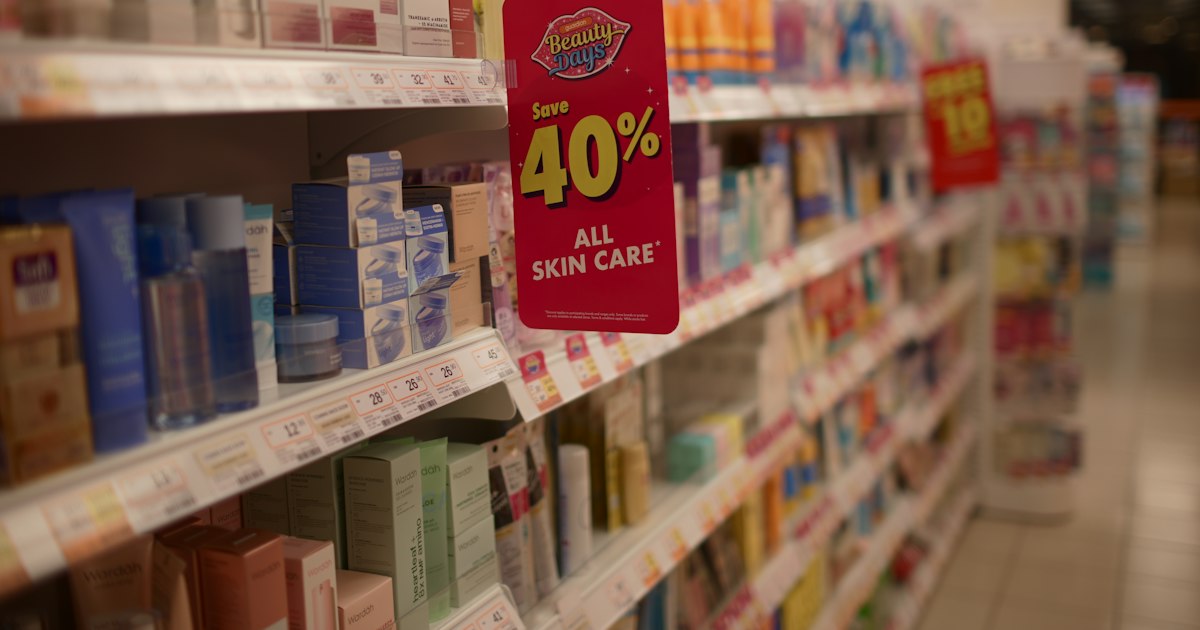
Photo by Kelvin Zyteng on Unsplash
Walk into any Matsumoto Kiyoshi or Don Quijote in Japan and you’ll hit a wall of pastel boxes promising smoother skin, fewer wrinkles, and a brighter complexion — all in pill or powder form. Japanese beauty supplements (美容サプリ, biyō sapuri) are a genuine category here, not a tourist gimmick, and locals restock them as routinely as vitamins. The trick is knowing which ones are backed by actual ingredients worth paying for, which are mostly marketing, and which require a conversation with a pharmacist before you can even buy them. Here’s what to know before you fill your suitcase.
Collagen Pills and Drinks: What’s Actually in Them
Collagen is the biggest category by volume, sold as powder, tablets, and ready-to-drink shots. The science on oral collagen is mixed — most studies show modest hydration and elasticity improvements over 8-12 weeks, not overnight miracles — but the Japanese versions are generally well-formulated and cheap enough to be worth a trial.
- Meiji Amino Collagen
- Shiseido The Collagen — tablets and drinks aimed at a slightly older demographic, often bundled with ceramide and hyaluronic acid; a 90-tablet bottle runs ¥3,000-¥4,500.
- Suntory and DHC drink ampoules — single-serving bottles (¥200-¥350 each) sold in drugstore fridges, convenient as a one-off souvenir rather than a restocking habit.
— the best-selling powder, sold in a distinctive white tin (about 214g, roughly ¥3,600-¥4,000). One scoop a day in coffee or soup is the standard ritual.
If you’re also researching Japan’s hair and beauty services, the collagen aisle pairs naturally with a visit for a shukuge treatment — many salons sell their own in-house supplement lines at the front counter, which is worth a look if you’re already booked in.
Placenta Supplements: Japan’s Most Debated Beauty Pill
Placenta extract (usually porcine, sometimes from horse or marine sources) is marketed for skin brightening, hormonal balance, and anti-fatigue effects. It’s one of the most Japan-specific categories — you won’t find this shelf space replicated in most Western drugstores. Popular brands include DHC Placenta (¥1,000-¥1,500 for a 30-day supply of 60 tablets) and Loveann or Tsumura’s higher-concentration lines, which run ¥3,000-¥5,000.
A few things worth knowing before you buy: pregnant and breastfeeding women are generally advised against placenta supplements in Japan due to hormonal activity, and pharmacists will often flag this if you ask. The evidence for placenta’s cosmetic benefits is thin by Western clinical standards — treat it as a culturally interesting purchase rather than a proven treatment, and check your home country’s import rules on animal-derived supplements before buying in bulk (more on that below).
Bihaku (Whitening) Pills: Tranexamic Acid and Vitamin C
Bihaku (美白) means “beautiful white” and refers to Japan’s skin-brightening category, which treats melasma and sun spots rather than overall skin tone. The standout product is Transino White C, built around tranexamic acid plus L-cysteine and vitamin C — it’s a legitimate dermatological approach to melasma, not just a vitamin blend, and a 156-tablet bottle costs around ¥2,800-¥3,200.
The catch: tranexamic acid products are classified as “first-class OTC drugs” (第1類医薬品) in Japan, meaning a licensed pharmacist has to hand it to you from behind the counter and may ask a few questions about your health history — you can’t just grab it off an open shelf like collagen powder. This trips up a lot of visitors who wander the aisles looking for it. Go to the pharmacy counter directly and say “Transino” or point at the box in a glass case near the register.
Where to Buy: Drugstores, Duty-Free, and Department Stores
You don’t need to hunt — these are everywhere, but prices and selection vary:
- Matsumoto Kiyoshi, Sundrug, Ainz & Tulpe, Welcia — standard drugstore chains with the widest selection and regular prices; most locations in Tokyo and Osaka are open roughly 10:00-21:00.
- Don Quijote — often slightly cheaper and open very late (many flagship stores run 24 hours), useful if you’re shopping after a late dinner.
- Duty-free counters at Narita and Haneda — convenient for a last-minute grab, but prices are usually 10-20% higher than inland drugstores since you’re paying for the convenience, not getting a special discount.
- Loft and Tokyu Hands — smaller supplement selection but good for gift-boxed sets.
Tax-free shopping (消費税免税) applies to consumables including supplements when your same-day purchase at a single store exceeds ¥5,000 before tax — bring your passport, and note the goods get sealed in a tamper-proof bag that technically shouldn’t be opened until you’re out of Japan. If navigating ingredient labels and pharmacist conversations in Japanese feels daunting, this is exactly the kind of errand a private concierge or guide can smooth out for an afternoon, especially if you’re trying to track down a specific brand across multiple stores.
Budget, Mid-Range and Splurge Picks
For a quick gift-shopping shortcut:
- Budget (under ¥1,500): DHC Placenta 30-day bottle, single collagen drink ampoules, Orihiro collagen tablets.
- Mid-range (¥1,500-¥4,000): Meiji Amino Collagen tin, Transino White C, Shiseido The Collagen tablets.
- Splurge (¥5,000+): Fancl’s HTC Collagen Deep Charge sets, premium placenta lines with higher extract concentration, or multi-month gift boxes aimed at the domestic “gift to a friend” market, which come in noticeably nicer packaging.
Common Mistakes to Avoid
The most frequent misstep is buying tranexamic acid pills assuming they’re an open-shelf item, then being surprised at the pharmacist checkpoint — budget a few extra minutes for that counter interaction. The second is overbuying placenta-derived products without checking your home country’s customs rules; Australia, the EU, and some other regions restrict importing animal-derived supplements, and porcine placenta can fall into that category even in small personal quantities. Declare what you’re carrying if asked, and keep a receipt.
Finally, don’t expect pharmacy-grade results from supermarket-tier vitamin blends — Japan’s supplement market, like most countries’, ranges from clinically dosed to essentially flavored sugar pills, and the price difference usually (though not always) tracks the ingredient concentration. If you’re building out a broader Japan shopping list alongside skincare, it’s worth browsing drugstore staples like Megrhythm steam eye masks while you’re at the register — they’re one of the few drugstore items that deliver exactly what they promise, no pharmacist consultation required.