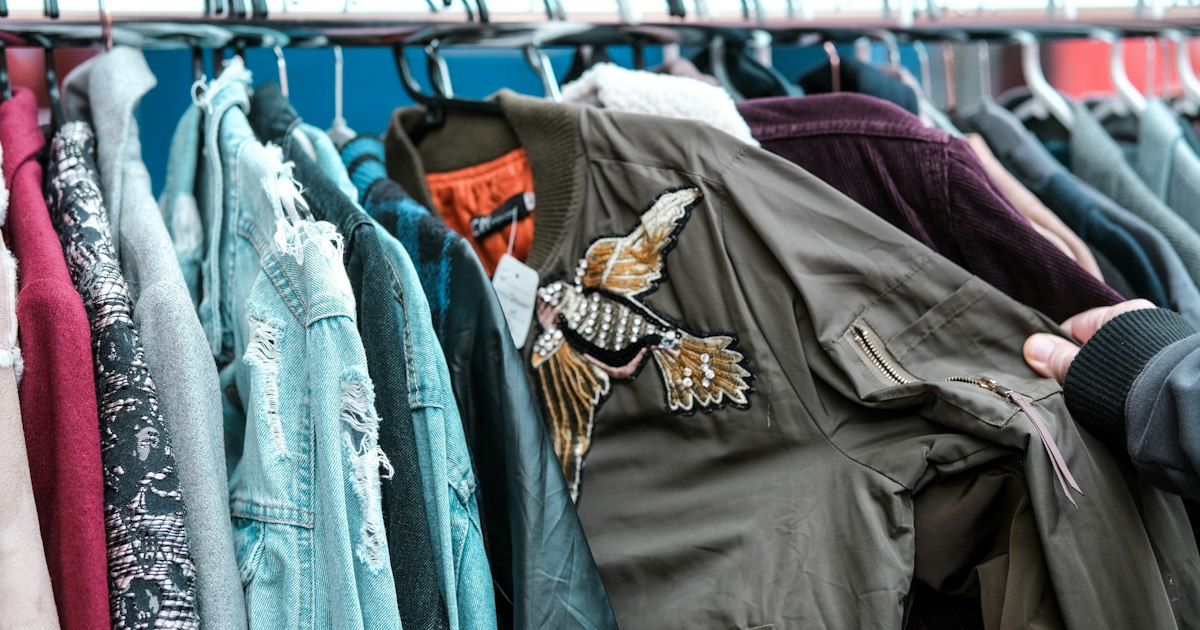
Walk through Harajuku or Yokosuka’s old base-town streets and you’ll spot them hanging in shop windows: satin bomber jackets with tigers, dragons and eagles embroidered across the back in thread so dense it catches the light. That’s a sukajan, and it’s one of the few souvenir garments from Japan that’s both genuinely wearable and genuinely collectible. It’s also one of the easiest souvenirs to overpay for or get fooled on, since the market ranges from ¥3,000 polyester prints to ¥80,000 hand-embroidered pieces that take weeks to make. Here’s how to tell the difference and where to actually buy one.
What Is a Sukajan, Really?
“Sukajan” is a contraction of “Yokosuka jumper” — a satin or rayon bomber jacket, usually with a ribbed collar and cuffs, embroidered front and back with motifs like tigers, eagles, dragons, koi, Mount Fuji, or “SOUVENIR OF JAPAN” lettering. The embroidery is the whole point: a real sukajan uses chain-stitch or satin-stitch embroidery worked directly into the fabric, not a printed or appliqued patch. That’s also the single biggest thing separating a ¥5,000 tourist-shop version from a ¥30,000+ original — the stitching, not the design.
A Brief History: From Yokohama Souvenir to Global Icon
Sukajan trace back to the Allied occupation after WWII, when American servicemen stationed around Yokohama and Yokosuka commissioned Japanese tailors to embroider flight jackets and souvenir bombers as mementos to bring home — hence the tiger-and-dragon imagery aimed at an American audience, not a Japanese one. Local tailors, some working from captured parachute silk and leftover military fabric, built a cottage industry around US naval bases that still exists today. The style nearly died out in the 1970s–80s before Japanese denim and Americana collectors revived serious embroidery craftsmanship in the 1990s, which is why the best modern sukajan still come from a handful of specialist workshops rather than mass-market brands.
Budget, Mid-Range and Splurge: What to Actually Expect to Pay
- Budget (¥3,000–8,000): Printed or machine-appliqued designs on polyester, sold in Harajuku’s Takeshita-dori souvenir shops and airport gift shops. Fine as a cheap travel memento, but the “embroidery” is often flat printing — check by running a finger over the design; real embroidery has raised texture and visible thread on the inside lining.
- Mid-range (¥15,000–35,000): Genuine chain-stitch embroidery on rayon or acetate satin from established makers. This is the sweet spot for most visitors — durable, authentic, and still a reasonable souvenir budget.
- Splurge (¥40,000–80,000+): Fully hand-guided embroidery from heritage specialists like Tailor Toyo (under parent company Toyo Enterprise), using vintage-spec acetate satin and dense, multi-color stitching that can take a single artisan days to complete. These are investment pieces that genuinely appreciate in resale value among Americana collectors.
Where to Buy an Original Sukajan in Japan
Tokyo — Harajuku and Shimokitazawa: Tailor Toyo has retail locations in both neighborhoods and is the most reliable name for new, fully embroidered sukajan; expect to pay mid-range to splurge prices. Shimokitazawa (a short ride from Shinjuku on the Odakyu or Keio Inokashira lines) is also Tokyo’s best neighborhood for secondhand and vintage Americana shops where older sukajan surface at a discount to new pieces.
Yokosuka — Dobuita Street: This is the actual birthplace of the sukajan. Dobuita-dori, a narrow arcade near the US naval base, is lined with military surplus and souvenir-jacket shops that have sold sukajan to sailors for decades — it’s the most historically authentic place to buy one, and prices are often better than in Tokyo. Get there via the Keikyu Line to Yokosuka-Chuo Station, then walk about 5 minutes; most shops open around 10:00–11:00 and close by 19:00–20:00.
Osaka — Amerikamura: Osaka’s “America Village” near Shinsaibashi has several vintage and Americana clothing stores carrying both new and used sukajan, worth combining with a day of shopping in that district.
Online from established tailors: Toyo Enterprise and a few other heritage makers ship internationally, which is worth knowing if you find the right design in store but it’s sold out in your size.
Vintage Hunting: Flea Markets and Secondhand Shops
If you enjoy the slower hunt more than a guaranteed purchase, Tokyo’s recurring flea markets — Oedo Antique Market and the markets at Tomioka Hachimangu — occasionally turn up genuine vintage sukajan from the 1950s–70s at a fraction of new prices, though you need to check stitching and lining carefully since condition varies wildly. It’s the same patience that rewards collectors hunting vintage glass fishing floats at Japan’s coastal flea markets — go early, expect no English signage, and be ready to walk away if the price feels high. Shimokitazawa and Koenji’s secondhand shops are a more dependable bet than flea markets if you want something specific rather than a lucky find, and the mindset mirrors the way serious buyers approach vintage film camera hunting in Japan: know the hallmarks of the real thing before you shop, because sellers assume you do.
Common Mistakes to Avoid
- Assuming “embroidered” means embroidered. Many budget shops use the word loosely for printed or heat-pressed designs. Flip the jacket inside out — real embroidery leaves visible thread tails and slight puckering on the lining; printing doesn’t.
- Buying the wrong size. Sukajan run on traditional Japanese sizing and are cut slim through the shoulders. Try it on; most specialist shops stock S–XL but splurge-tier pieces are sometimes made to order only in certain sizes.
- Skipping care instructions. Satin and rayon sukajan generally need dry cleaning, not home washing — ask the shop, since this varies by fabric and isn’t always obvious from the label.
Best Time to Buy and Practical Tips
There’s no real seasonal pricing for sukajan, but shops in Harajuku and Shimokitazawa get noticeably more crowded around spring and autumn tourist peaks, so weekday mornings are easier for trying on jackets without a queue. If you’re budgeting carefully for a splurge-tier purchase, remember you can claim back your Suica or Pasmo deposit before you fly home, which is a small but easy bit of extra cash toward a nicer jacket. And if Dobuita Street in Yokosuka is on your list, pair it with an early start — the trains back to central Tokyo run until late, but checking a last train schedule before a long day trip saves you from an expensive taxi back.
However much you end up spending, buy the sukajan you’ll actually wear. The embroidery is striking enough that a well-made one works as a genuine jacket at home, not just a jacket that lives in a closet as a souvenir — which is exactly what the original Yokosuka tailors were making it for in the first place.