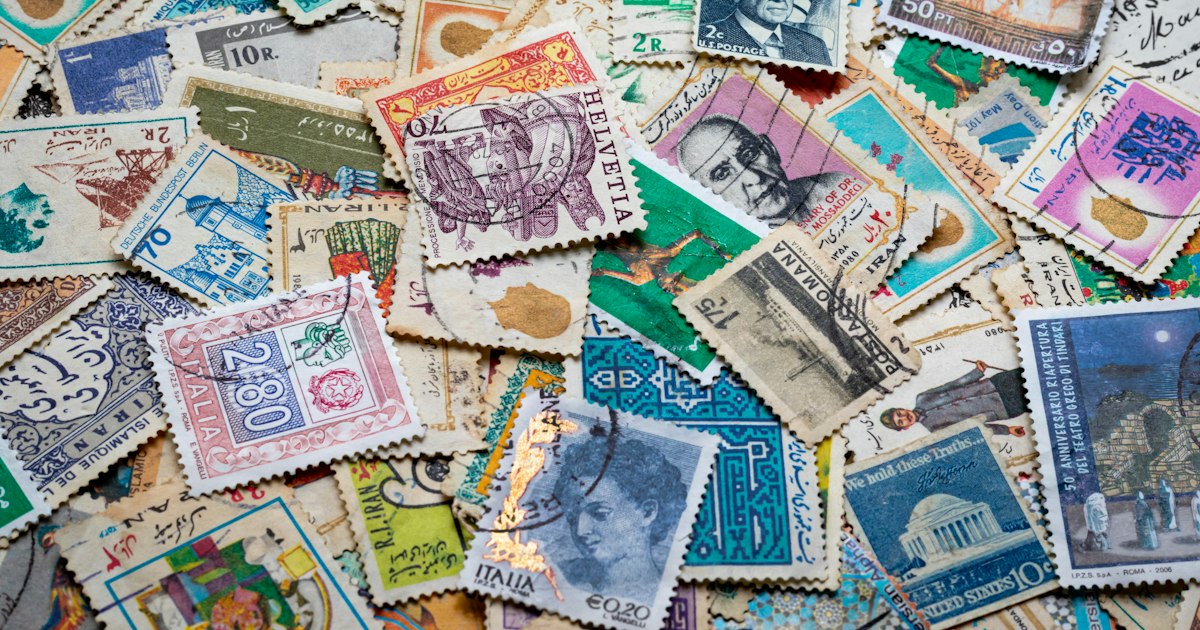
Photo by Ali Bakhtiari on Unsplash
Japan has one of the world’s richest numismatic and philatelic traditions — a currency history that runs from Edo-period gold koban to today’s bimetallic 500-yen coin, and a postal system that has issued thousands of beautifully engraved commemorative stamps since 1871. For visiting collectors, the good news is that you don’t need insider connections to shop seriously: a handful of museums, specialist dealer pockets, and recurring antique markets cover almost everything, from pocket-change souvenirs to pieces worth framing.
Start at the Museums — They’re Free and They’re Shops Too
Before buying anything, spend a morning at the Bank of Japan’s Currency Museum (貨幣博物館) in Nihonbashi, Tokyo. It’s a one-minute walk from Mitsukoshimae Station (Ginza and Hanzomon lines), open 9:30 a.m.–4:30 p.m. (last entry 4:00 p.m.), closed Mondays and over the New Year holidays, and admission is free. The collection runs from ancient Chinese coins used in early Japan through Edo-period gold and silver currency to modern banknotes, and the gift counter sells reasonably priced reference books that help you read Japanese grading terms later.
For stamps, the Postal Museum Japan on the 9th floor of Tokyo Solamachi (the Skytree Town complex, Oshiage/Tokyo Skytree Station) holds one of the largest stamp collections in the world — reportedly over 300,000 stamps — for an adult admission of around ¥300. A smaller but more hands-on stop is the privately run Stamp Museum in Mejiro, a short walk from Mejiro Station on the JR Yamanote Line, charging roughly ¥200 and selling stamps, hinges, and supplies directly from its shop counter.
Osaka’s Mint Museum: The Best Single Stop for Coins
The Japan Mint’s Osaka headquarters, in Kita-ku near Temmabashi and Osakajokitazume stations, runs a free museum covering coin production from feudal-era minting through today’s circulation and commemorative coins. The on-site shop sells boxed uncirculated yearly coin sets and commemorative medals, typically in the ¥3,000–6,000 range — an easy, legitimate souvenir that’s genuinely minted by the government rather than a tourist-shop replica. If you can time a visit to the week-long Sakura no Toorinuke cherry blossom walk (usually mid-April, exact dates announced each year), the mint grounds open to the public and the shop extends its hours, making it one of the better dual-purpose stops on a Kansai itinerary.
Tokyo’s Specialist Dealer Pockets
Unlike stamps and coins in Western capitals, Japan doesn’t have one single “coin street,” but long-established dealers cluster in a few recognizable areas. Ginza has several old-money coin shops that have dealt in Edo and Meiji-era pieces for decades, generally open standard retail hours (around 10:30 a.m.–6:30 p.m., closed irregularly, so call ahead if you want to see rare gold koban). Around Kanda and Jimbocho, Tokyo’s secondhand bookstore district, a few shops dealing in old banknotes, postcards, and stamps sit among the bookshops — worth a detour if you’re already there browsing books. These are small, cash-preferred businesses; don’t expect English signage or card payment, and bring a magnifying loupe if you’re serious.
If you’re also into other corners of Japanese hobby culture, it’s worth comparing how different collector communities operate here — the plastic-model scene covered in our guide to Tamiya model kits and the official-goods economy around J-Pop idol culture both share the same emphasis on condition, authenticity, and specialist shops that coin and stamp collecting runs on.
Antique Markets: Where Old Banknotes and Postcards Surface
Japan’s recurring outdoor antique markets are a reliable source of pre-war banknotes, old postcards, and circulated coins at negotiable prices. The Oedo Antique Market, held outdoors at the Tokyo International Forum plaza near Yurakucho Station on the first and third Sundays of most months, is free to browse and usually has at least a couple of stalls mixing old currency and stamps in with ceramics and kimono. The larger Heiwajima Antique Fair, held several times a year at the Ryutsu Center near Heiwajima Station, draws more serious dealers and is worth checking the calendar for before you travel, since dates shift year to year. Expect haggling to be normal at both; asking politely for a better price rarely offends.
Common Mistakes First-Time Buyers Make
- Trusting souvenir-shop “ancient coins.” Shiny “Edo-era” coins sold in tourist gift shops near temples are almost always modern replicas — fine as cheap souvenirs, but not collectibles. Buy from a museum shop, the Mint, or a named dealer if authenticity matters.
- Not learning Japanese grading terms. Dealers grade using terms like 未使用 (mishiyō, uncirculated), 極美品 (gokubihin, extremely fine), and 美品 (bihin, fine) rather than the Sheldon numeric scale — ask for a plain explanation if a label is unclear.
- Assuming everything can leave the country freely. Ordinary old coins and stamps travel home with no issue, but items formally designated as Important Cultural Properties under Japanese law require an export certificate — relevant mainly to museum-grade antiquities, not typical collector pieces, but worth asking a dealer if a piece seems unusually old or rare.
- Carrying no cash. Specialist dealers and market stalls frequently don’t accept cards; bring yen in small denominations.
Budget, Mid-Range, and Splurge Buying
On a small budget, modern commemorative 500-yen bimetallic coins can sometimes be found at face value at banks or post offices, and damaged or common Edo-period mon coins turn up at flea markets for a few hundred to around ¥2,000 each. For a mid-range purchase, a boxed Mint uncirculated annual coin set or a circulated Meiji-era silver coin generally runs ¥3,000–15,000 depending on year and condition. At the top end, well-preserved Edo-period gold koban or rare Meiji commemorative gold pieces can reach well into six figures of yen, and should only be bought from an established dealer with a certificate of authenticity.
Timing Your Trip
Japan Post releases new commemorative stamp sheets year-round, but the January new-year zodiac stamps and nengajo-related issues are a reliable annual highlight for philatelists, so an early-January visit pairs well if you’re already in Tokyo for the hatsuhinode sunrise season. If your itinerary includes rural stretches by train, keep an eye out for small-town post offices and station stamp counters that issue limited local postmarks — useful to know if you’re navigating the one-man trains common in rural Japan. And if you’ve left coin-set or stamp-sheet shopping for the last day, the shops at Haneda Airport Terminal 3 carry a small but decent selection of boxed commemorative coin sets as a grab-and-go option before your flight.