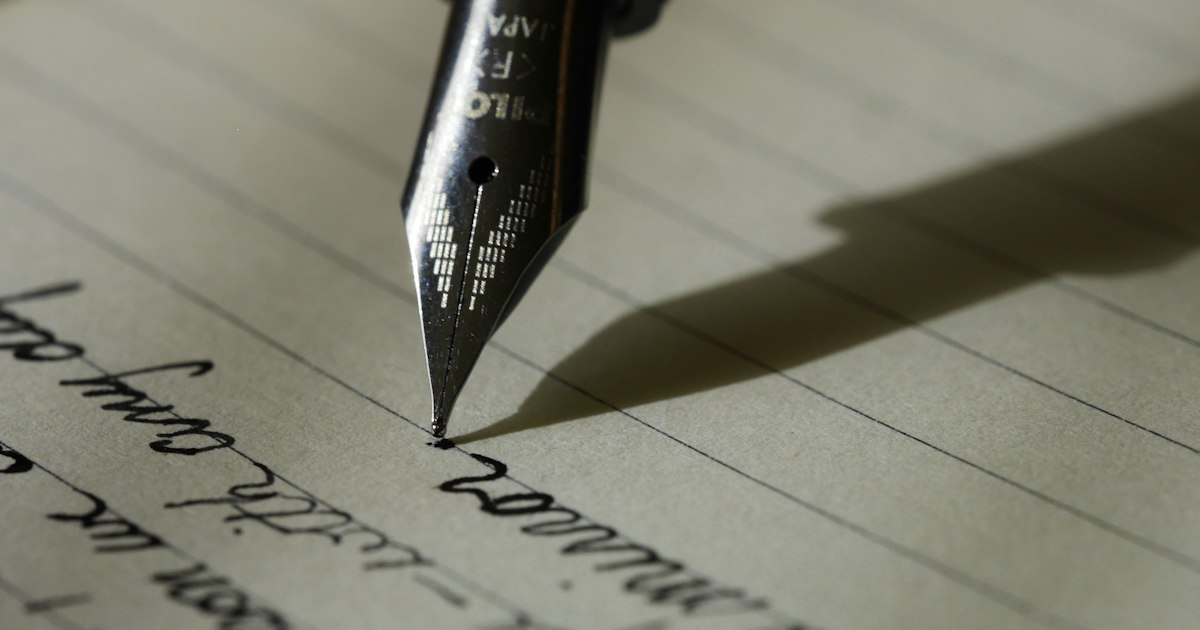
Photo by Aaron Burden on Unsplash
Long before fountain pens and gel ink took over Japanese desks, there was the fude — the traditional brush used for calligraphy and sumi-e painting. The fude pen is its modern, cartridge-fed descendant: a felt or synthetic brush tip housed in a regular pen body, designed so anyone can get expressive, variable-width strokes without grinding ink on a stone. For visitors who journal, sketch, or just want a genuinely useful souvenir that isn’t a keychain, fude pens are one of the best small purchases you can make in Japan. This guide covers what to buy, what it costs, and exactly where to find it.
What exactly is a fude pen?
“Fude” (筆) simply means brush. A fude pen replaces the animal-hair or synthetic bristle of a traditional brush with a firmer, pen-shaped tip — usually felt, nylon, or a fused fiber bundle — fed by either a replaceable ink cartridge or a built-in reservoir. The appeal is pressure sensitivity: press lightly and you get a hairline, press harder and the line balloons, just like real brush calligraphy, but with the convenience of uncapping a pen rather than mixing ink. They’re sold in two broad categories:
- Fude pens (硬筆用筆ペン) — firmer, smaller tips aimed at everyday handwriting, address labels (nengajo New Year’s cards are a huge seasonal use case), and bullet journaling.
- Fude brush pens for art (毛筆タイプ) — softer, longer bristle-like tips closer to a real brush, used for sumi-e, manga inking, and expressive lettering.
If you’re new to the format, start with a firmer “hard tip” (硬筆) model — they’re far more forgiving and feel closer to a regular pen until you build control.
The brands and models worth buying
A few names dominate Japanese stationery shelves and are worth seeking out specifically:
- Pentel Fude Touch Sign Pen (筆touchサインペン) — around ¥150–200. The gateway drug of fude pens: a firm felt tip, water-based ink, available in a dozen colors. Great for bullet journal headers and casual lettering.
- Pentel Fude De Mannen — roughly ¥1,500–2,000. A cartridge-fed fude pen that mimics a fountain pen; refillable with Pentel’s own cartridges or a converter, and genuinely usable for daily journaling.
- Kuretake Fudegokoro / Zig Letter Pen (Cambio) — ¥400–900 depending on tip size. Kuretake is the calligraphy specialist and makes everything from disposable brush pens to double-sided pens with a fude tip on one end and a fine liner on the other.
- Akashiya Sai Watercolor Brush Pens — about ¥150 per pen, often sold in sets of 6–20 colors (¥900–3,000). Technically a watercolor brush pen rather than calligraphy, but hugely popular with sketchers and journalers for the way colors blend when touched with water.
- Kuretake No. 8 or No. 13 traditional brush pens — ¥1,000–3,000. Closer to a real ink brush, aimed at people practicing actual shodo (calligraphy) rather than lettering.
Budget tier: a single Pentel or Akashiya pen for under ¥300. Mid-range: a cartridge-refillable model like the Fude De Mannen at ¥1,500–2,500. Splurge: a boxed Kuretake calligraphy set with multiple brush sizes, an ink cartridge case, and a practice book, typically ¥4,000–8,000 — a genuinely nice gift to bring home.
Where to buy them in Tokyo
You don’t need a specialty shop — any mid-size stationery store stocks fude pens — but a few locations have exceptional selection:
- Itoya Ginza (Ginza Itoya) — 2-7-15 Ginza, Chuo-ku. Open 10:00–20:00 daily. The flagship has a full floor dedicated to pens and a dedicated calligraphy/brush section; staff can test pens on provided paper before you buy.
- Sekaido Shinjuku — near Shinjuku Sanchome Station (Marunouchi/Shinjuku Line, exit C8, about 2 minutes on foot). Open 10:00–20:30. Multiple floors of art and stationery supplies with a strong fude and sumi-e section; prices run slightly cheaper than Itoya.
- Tokyu Hands and Loft branches — in Shibuya, Shinjuku, and Ikebukuro. These are reliable for the mass-market Pentel and Akashiya lines at standard retail price, and useful if you’re short on time.
- Muji flagship stores — stock a minimalist own-brand fude-style pen (around ¥300) if you want something understated rather than brightly colored.
If your Japan itinerary includes Osaka, Tenjinbashi-suji has a couple of long-standing stationery shops tucked along its stalls — worth a browse if you’re already walking Japan’s longest shopping arcade and want to compare prices against Tokyo.
Best time to shop (and why timing matters)
Stationery stores stock their fullest fude pen and nengajo (New Year’s card) displays from late October through December, since brush pens are the traditional tool for writing New Year’s greetings and addressing envelopes by hand. If you’re visiting in that window, you’ll see the widest color and tip-size selection of the year, often with seasonal gift boxes. Outside that period, selection narrows to the core lineup — still plenty to choose from, just less novelty.
Avoid buying in a rush at the airport: convenience-store and airport stationery racks carry only the single most basic Pentel model, at a markup. Budget at least 20–30 minutes in an actual stationery shop to test a few tip firmnesses before deciding.
Common mistakes first-time buyers make
- Buying the soft “art” brush tip as a first pen. It feels uncontrollable for normal handwriting. Start with a firm 硬筆 (hard-tip) model instead.
- Assuming all fude pens are refillable. Many budget models (Pentel Fude Touch, Akashiya Sai) are disposable, single-ink-reservoir pens — check the packaging for “カートリッジ” (cartridge) if you want a refillable one.
- Not checking ink type before packing for a flight. Most fude pens use water-based dye ink, which is airline-safe in carry-on luggage, but a few traditional sumi-ink cartridges are technically liquid ink in larger volumes — keep any loose ink bottles in checked luggage or under 100ml in your liquids bag just in case.
- Writing on thin paper first. Fude pen ink bleeds through lightweight paper more than ballpoint. Test on the actual paper you plan to use (a Japanese-brand notebook with slightly heavier stock works best) before committing to a full page.
Shipping and packing them home
Fude pens are light, cheap to ship, and pose no customs issues — they’re stationery, not a restricted good. If you’re buying a full calligraphy set with a glass or ceramic ink dish, wrap it separately in your checked bag rather than a carry-on, since dishes can crack under pressure changes. For anyone building a stationery or hobby collection from this trip, fude pens pair naturally with other small, display-friendly souvenirs — similar in spirit to how collectors track down Japanese phone straps from gacha machines and character shops: cheap individually, satisfying in a set, and easy to pack flat.